Blog
16
Oct
Bonbibi festival Bangladesh
Bonbibi Festival Bangladesh: A Complete Guide to the Forest Goddess Tradition
The Bonbibi festival Bangladesh celebrates a guardian spirit of the Sundarbans. Millions of people in the coastal districts honor her each year. Yet few travelers know this tradition exists.
Many visitors miss the festival because they do not know when or where it happens. This guide solves that problem.
You will learn the history, the rituals, and the best ways to experience the Bonbibi festival Bangladesh firsthand.
What Is the Bonbibi Festival Bangladesh?
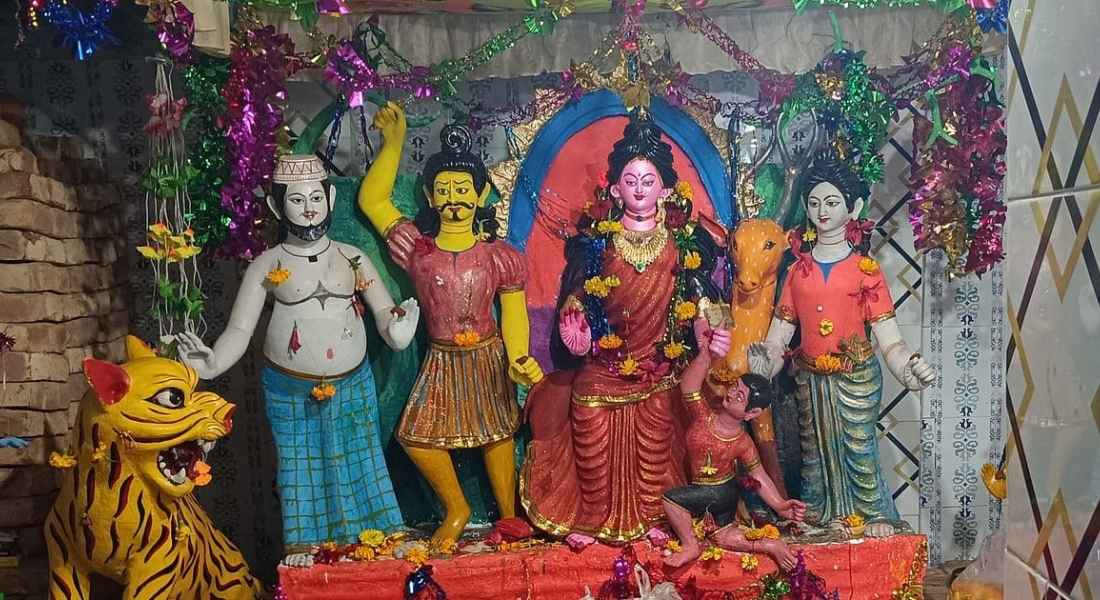
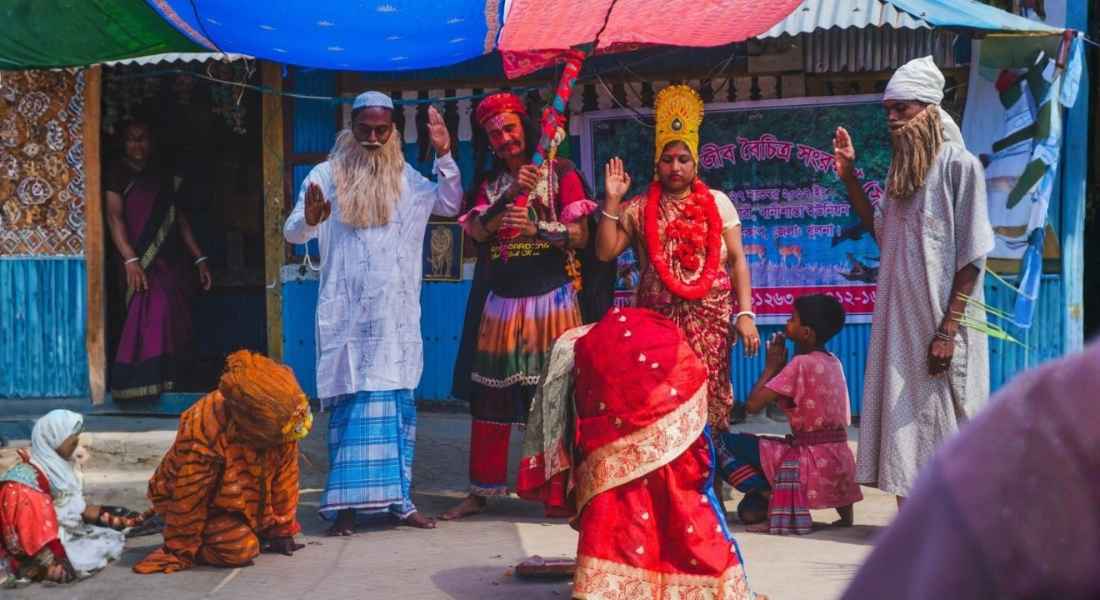 Bonbibi is the guardian goddess of the Sundarbans. Local communities call her the "lady of the forest."
Hindus and Muslims both worship her. This shared devotion makes the tradition unique in South Asia.
The Bonbibi festival Bangladesh takes place in the Sundarbans region. Villages in Satkhira, Khulna, and Bagerhat host the main events.
Fishermen, honey collectors, and woodcutters lead the celebrations. They depend on the forest for their livelihood. They seek Bonbibi's protection before entering it.
The Story Behind the Bonbibi Tradition
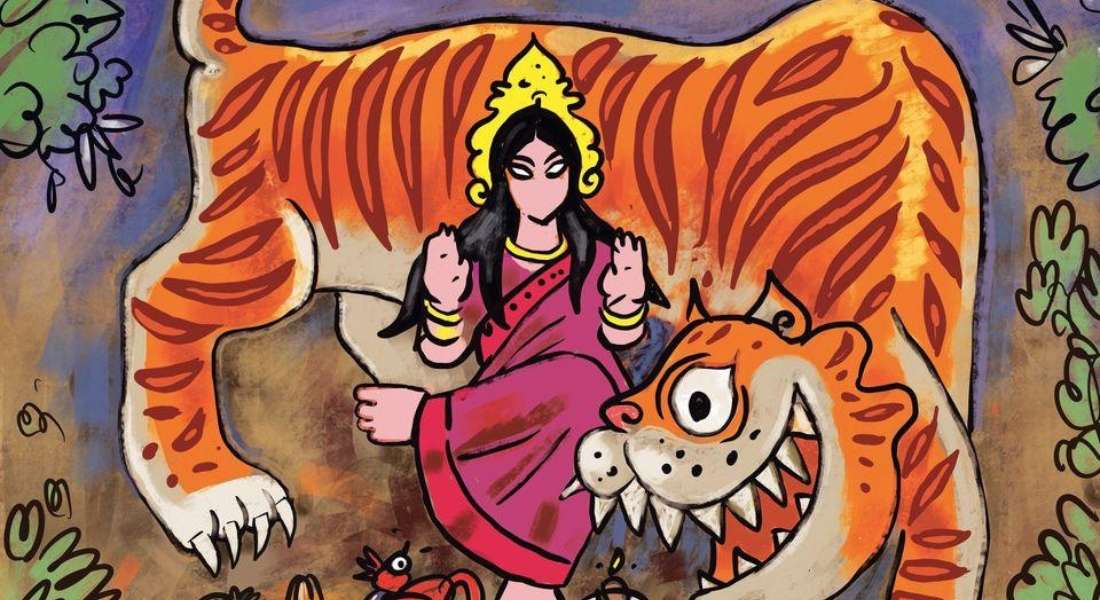 The Bonbibi tradition comes from a folk epic. The story describes a battle between Bonbibi and Dokkhin Rai, a demon who rules the forest.
Dokkhin Rai terrorized villagers and took their offerings. Bonbibi defeated him. She then made a deal. Dokkhin Rai could take only what people willingly gave.
This story explains why forest workers make offerings before entering the Sundarbans. They honor the deal Bonbibi made.
The epic exists in oral form. Folk singers perform it during the festival. The tale spreads across generations through song and storytelling.
When Does the Festival Happen?
 The Bonbibi festival Bangladesh follows the lunar calendar. The main celebration happens in the Bengali month of Falgun. This falls between February and March.
Some communities also hold smaller ceremonies during other months. These ceremonies depend on fishing seasons and forest entry periods.
Key dates to know:
Falgun Purnima (full moon): The biggest celebration
Baishakh: Smaller ceremonies before monsoon
Kartik: Offerings before the winter harvest season
Check local calendars before planning your trip. The dates shift each year.
Where to Experience the Bonbibi Cultural Festival
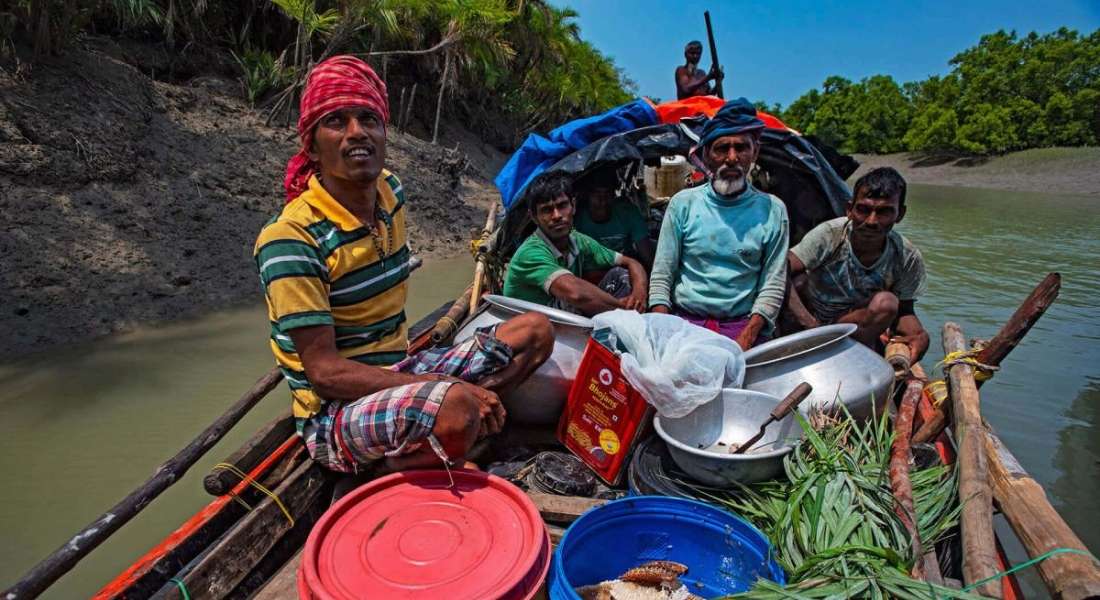 The Bonbibi cultural festival happens across the Sundarbans region. Some locations offer better access for travelers.
Satkhira hosts the largest Bonbibi cultural festival. Villages near the Sundarbans set up temporary shrines. Folk singers perform through the night.
Khulna offers the easiest access. Cultural organizations run programs. You can attend without deep local connections.
Bagerhat combines festival visits with heritage tourism. The Sixty Dome Mosque sits nearby.
For the full forest experience, join a Sundarbans tour package from Dhaka. These tours often include stops at Bonbibi shrines.
Rituals and Practices You Will See
The Bonbibi celebration involves several distinct practices. Understanding them helps you appreciate what you witness.
Shrine visits:
Devotees visit Bonbibi shrines called "than." They leave offerings of flowers, sweets, and incense.
Folk performances:
Singers perform the Bonbibi epic. Performances last for hours. They combine music, drama, and storytelling.
Animal sacrifice:
Some communities sacrifice goats or chickens. This practice has declined but still happens in rural areas.
Forest offerings:
Before entering the Sundarbans, workers leave offerings at the forest edge. They ask Bonbibi for safe passage.
Community feasts:
Villages organize shared meals. Everyone contributes food. The feast builds community bonds.
The Bonbibi Cultural Experience for Travelers
The Bonbibi cultural experience rewards respectful visitors. You will not find commercial tourism infrastructure. This is a living tradition, not a show.
What to expect:
Crowded shrines during peak hours
Loud folk music through the night
Simple accommodation in nearby towns
Limited English spoken in rural areas
How to prepare:
Dress modestly. Cover shoulders and knees.
Ask before taking photos. Some rituals are private.
Accept food if offered. Refusing may cause offense.
Learn a few Bengali phrases. Locals appreciate the effort.
The festival offers a genuine look at coastal Bangladesh culture. You will not find this experience in Dhaka.
Planning Your Trip: Practical Tips
The Bonbibi festival Bangladesh requires planning. Rural infrastructure is limited.
Getting there:
Khulna is the main gateway. Buses run from Dhaka overnight. The journey takes 8 to 10 hours.
Trains offer a comfortable alternative. The Sundarban Express runs from Dhaka to Khulna.
From Khulna, local buses and rented cars reach Satkhira and Bagerhat.
Where to stay:
Khulna has the best hotels. Book early during festival season.
Satkhira offers basic guesthouses. Expect simple facilities.
Bagerhat has limited options. Many travelers stay in Khulna and visit Bagerhat as a day trip.
What to bring:
Cash. ATMs are scarce in rural areas.
mosquito repellent
A flashlight
Warm clothing for night ceremonies
A power bank for your phone
Combining the Festival With Sundarbans Travel
Many travelers combine the Bonbibi festival with a Sundarbans trip. The timing works well.
The festival happens before the monsoon. This is also a good time to visit the forest.
Check the best time to visit Sundarbans before booking. Weather patterns affect boat schedules.
A typical combined trip looks like this:
Day 1: Arrive in Khulna. Rest and explore the city.
Day 2: Visit Bonbibi shrines near Satkhira. Attend evening folk performances.
Day 3: Travel to Bagerhat. Visit the Sixty Dome Mosque and other heritage sites.
Day 4-6: Join a Sundarbans boat tour. Visit Bonbibi shrines inside the forest.
Day 7: Return to Khulna. Travel back to Dhaka.
This itinerary covers the festival and the forest. You experience both sides of the Bonbibi tradition.
The Bonbibi Tradition Beyond the Festival
The Bonbibi tradition shapes daily life in the Sundarbans region. You see her influence beyond festival days.
In fishing communities:
Fishermen name their boats after Bonbibi. They pray before each journey.
In honey collection:
Honey collectors enter the forest in groups. They make offerings before starting. The practice follows Bonbibi's rules.
In folk art:
Bonbibi appears in scroll paintings called "patachitra." Artists sell these in local markets.
In music:
Baul singers include Bonbibi stories in their performances. The tradition spreads through music.
You can explore these cultural expressions year-round. The Bonbibi cultural experience continues beyond the festival dates.
Respectful Travel: What to Know
The Bonbibi festival Bangladesh is a religious event. Respect matters.
Do:
Remove shoes before entering shrines
Accept prasad (blessed food) with your right hand
Ask permission before photographing rituals
Dress modestly
Do not:
Interrupt prayers or performances
Touch offerings or shrine items
Assume the festival is a tourist attraction
Take photos of animal sacrifice without asking
Locals welcome respectful visitors. They appreciate genuine interest in their tradition.
Beyond the Festival: Other Cultural Events
Bangladesh hosts many cultural celebrations. The Bonbibi festival is one of many.
The Nobanno festival celebrates the rice harvest. It happens in winter across rural Bangladesh.
The Lalon festival honors the mystic poet Lalon Shah. It draws thousands to Kushtia each year.
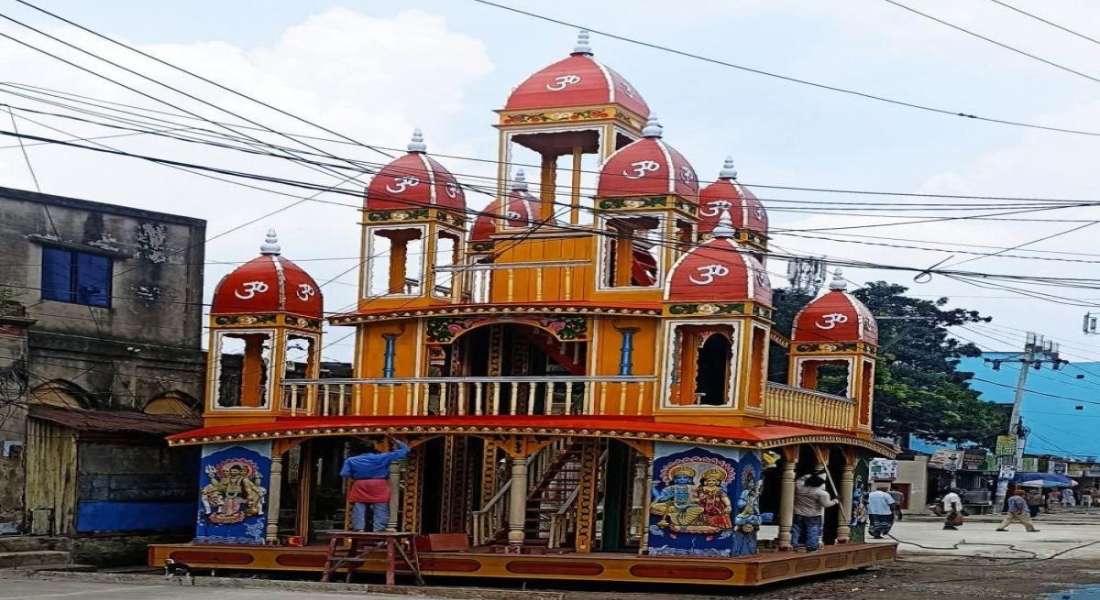
The Rash Mela brings chariot processions to rural towns.
Exploring these festivals gives you a fuller picture of Bangladeshi culture.
The Bonbibi Festival Bangladesh: Final Thoughts
The Bonbibi festival Bangladesh offers something rare. It connects you to a tradition that spans centuries. It shows how communities protect their environment through faith.
You do not need to be religious to appreciate it. You need curiosity and respect.
The festival happens in February or March. Plan your trip around the full moon. Book your transport and accommodation early.
Visit the shrines. Listen to the folk songs. Talk to the fishermen and honey collectors.
The forest goddess has protected these communities for generations. Her festival opens a window into their world.
Will you visit the Bonbibi festival Bangladesh this year?