Blog
28
Jul
Exploring the Sundarbans
Exploring the Sundarbans: Your Complete Guide to the World's Largest Mangrove Forest
The Sundarbans mangrove forest stands as one of the most extraordinary natural wonders on Earth. Spanning across Bangladesh and India, this UNESCO World Heritage Site covers approximately 10,277 square kilometers of interconnected waterways, mudflats, and dense mangrove vegetation. It represents the largest single tract of mangrove forest globally.
The region faces mounting challenges. Climate change, rising sea levels, increasing salinity, and human activities threaten this delicate ecosystem. According to a 2020 IUCN assessment, the Indian Sundarbans were classified as endangered. The forest's biodiversity continues to decline despite conservation efforts. Cyclones Sidr and Aila caused extensive damage, destroying around 40% of the forest in 2007 alone.
Travel offers a unique solution. Responsible tourism generates revenue for conservation while supporting local communities. When you visit this Sundarbans tourist spot, you contribute directly to preservation efforts. Understanding the Sundarbans before you go makes your visit more meaningful. It helps you appreciate the forest's significance and your role in protecting it.
This comprehensive guide covers everything you need to know about visiting the Sundarbans. You will discover the best times to visit, top attractions, wildlife encounters, accommodation options, and practical travel tips. Whether you plan a day trip or a multi-day expedition, this information will help you plan an unforgettable journey.
Understanding the Sundarbans as a Tourist Destination
The Sundarbans offers visitors a truly unique experience. Unlike any other forest in the world, this delta ecosystem combines land, water, and wildlife in remarkable ways. The forest covers over 10,277 square kilometers, making it the largest mangrove forest on Earth. It spans across Bangladesh's Khulna Division and India's West Bengal state.
The region features a complex network of tidal waterways, mudflats, and small islands. Salt-tolerant mangrove trees dominate the landscape. The most abundant species include sundri (Heritiera fomes) and gewa (Excoecaria agallocha). The name "Sundarbans" likely derives from the sundri tree, which flourishes throughout the forest.
When you visit this Sundarbans tourist spot, you enter a world where land and water constantly interact. Tides rise and fall twice daily, transforming the landscape dramatically. Channels that appear wide during high tide become narrow creeks when the water recedes. This dynamic environment supports incredible biodiversity.
Where is the Sundarbans Located?
The Sundarbans sits at the confluence of three major river systems. The Ganges, Brahmaputra, and Meghna Rivers meet here before flowing into the Bay of Bengal. The forest stretches from the Hooghly River in West Bengal to the Baleswar River in Bangladesh's Khulna Division.
Bangladesh side: Approximately 60% of the forest lies in Bangladesh. It covers over 6,017 square kilometers across the Khulna Division. The Bangladeshi Sundarbans includes three wildlife sanctuaries designated as UNESCO World Heritage Sites.
Indian side: The Indian Sundarbans covers about 4,260 square kilometers in South and North 24 Parganas districts. This portion includes Sundarbans National Park, a UNESCO World Heritage Site declared in 1987.
Key access points:
Khulna and Mongla (Bangladesh side)
Kolkata, Basirhat, and Diamond Harbour (Indian side)
Waterway entry points throughout the delta
The forest sits at approximately 21°45'N latitude and 88°45'E longitude. It borders the Bay of Bengal to the south and intensively cultivated agricultural land to the north.
Why Visit the Sundarbans?
The Sundarbans offers experiences you cannot find anywhere else. It represents a world heritage site of immense ecological importance. Here are compelling reasons to include this Sundarbans tourist spot in your travel plans:
Wildlife encounters: The forest provides habitat for the majestic Bengal tiger. Around 180 tigers live here, making it one of the largest tiger populations. Spotted deer, wild boars, rhesus macaques, and estuarine crocodiles also inhabit the forest.
Unique ecosystem: Mangrove forests occur in tropical and subtropical coastal areas. The Sundarbans is the world's largest example. You will witness how plants and animals adapt to harsh conditions of high salinity, tidal flooding, and strong winds.
Cultural experience: The forest supports over 4 million people. Local communities have developed unique traditions, beliefs, and livelihoods. You can visit villages, meet honey collectors, and learn about the goddess Bonbibi who protects forest dwellers from tigers.
Adventure: Exploring this Sundarbans tourist spot means traveling by boat through narrow waterways. You will navigate winding canals, walk on mudflats, and observe wildlife from observation towers. Every visit becomes an expedition.
Conservation impact: Tourism revenue directly supports forest preservation. By visiting, you contribute to protecting endangered species and supporting communities that depend on the forest.
Photography: The landscape offers spectacular photo opportunities. Golden sunsets over mangrove forests, wildlife sightings, and traditional boats create unforgettable images.
The Importance of Mangrove Ecosystems
Mangrove forests serve as nature's coastal guardians. They provide essential services that benefit both wildlife and human communities. Understanding these benefits enhances your appreciation of the Sundarbans as a tourist destination.
Protection from storms: Mangroves act as natural barriers against cyclones and tsunamis. They reduce wave height by up to 66% in some cases. During Cyclone Sidr, areas with intact mangrove cover suffered less damage.
Coastal stabilization: Tree roots trap sediment and prevent coastal erosion. The Sundarbans mangrove forest literally creates land through this process. New islands form as roots hold sediments in place.
Carbon storage: Mangroves sequester carbon dioxide at rates exceeding terrestrial forests. They store carbon in their biomass and in the sediment below. Protecting mangroves helps combat climate change.
Biodiversity nurseries: The tangled root systems provide breeding grounds for fish, crabs, and shrimp. Over 150 commercially important fish species rely on this habitat. Many marine species depend on mangroves during their early life stages.
Water filtration: Mangroves filter pollutants from water. They trap sediments and absorb nutrients, improving water quality for downstream areas.
Livelihood support: Over 4 million people depend on the Sundarbans. They fish, collect honey, gather wood, and earn income from tourism. Healthy mangroves sustain these communities.
When you visit this Sundarbans tourist spot, you witness these ecosystem services in action. You understand why protecting mangroves matters globally.
How to Reach the Sundarbans
Reaching the Sundarbans requires planning. Access depends on which side you plan to visit. The Bangladesh and India entry points differ significantly in logistics and infrastructure.
Access Points in Bangladesh
By Air:
Fly to Shah Amanat International Airport in Chittagong or Hazrat Shahjalal International Airport in Dhaka
Then travel by road to Khulna or Mongla
By Road:
Take a bus from Dhaka to Khulna (approximately 5-6 hours)
From Khulna, proceed to Mongla or specific launch points
By Train:
Board a train from Dhaka to Khulna
The journey takes about 6-7 hours
Then take local transport to river ports
By Water:
Launch services operate from Dhaka and Khulna
The journey offers scenic views but takes longer
Suitable for those who prefer a gradual entry to the Sundarbans
Access Points in India
By Air:
Fly to Netaji Subhas Chandra Bose International Airport in Kolkata
Then travel by road to entry points like Basirhat, Diamond Harbour, or Namkhana
By Road:
Take a bus from Kolkata to Basirhat, Diamond Harbour, or Namkhana
Journey time ranges from 2-4 hours depending on the destination
By Train:
Board local trains from Kolkata to Canning or Kakdwip
Then take local transport to ferry points
By Water:
Ferry services operate from various points along the Hooghly River
Boat tours often start from Kolkata
Best Time to Visit
The Sundarbans experiences a tropical monsoon climate. Weather patterns significantly affect your travel experience.
October to February: This period offers the best weather. Temperatures remain pleasant, and humidity is lower. Winter brings migratory birds, creating excellent bird-watching opportunities. The forest appears lush and green.
March to May: Temperatures rise, and humidity increases. Summer becomes uncomfortable for extended outdoor activities. However, wildlife sightings improve as animals visit water sources more frequently.
June to September: Monsoon season brings heavy rainfall. Many areas become inaccessible, and boat safaris face challenges. Cyclones pose risks during this period.
Best time: Plan your visit between October and March for optimal conditions. This window allows comfortable exploration of this Sundarbans tourist spot.
Travel Requirements
Foreign nationals:
Valid passport with at least 6 months validity
Visa for Bangladesh or India (as applicable)
Permits for restricted areas (arranged by tour operators)
Indian citizens visiting Bangladesh side:
Valid passport
Visa for Bangladesh
Permits arranged by registered tour operators
Bangladeshi citizens visiting Indian side:
Valid passport
Visa for India
Permits arranged by registered tour operators
Domestic visitors:
Valid government identification (for India side)
National ID or passport (for Bangladesh side)
Tips:
Book through registered tour operators who handle permits
Carry identification documents at all times
Photography permits may be required in certain areas
Follow forest department regulations strictly
Top Sundarbans Tourist Attractions
The Sundarbans contains numerous sites of interest. Each location offers unique experiences. Whether you visit for wildlife, culture, or scenery, this Sundarbans tourist spot delivers memorable encounters.
Sundarbans National Park (India)
Sundarbans National Park represents the core of the Indian portion of the forest. It was declared a National Park in 1984 and a UNESCO World Heritage Site in 1987.
Key features:
Core area of Sundarbans Tiger Reserve
Home to the Bengal tiger and estuarine crocodile
Dense mangrove forest with diverse flora and fauna
Activities:
Wildlife safaris through park areas
Bird watching from designated spots
Observation tower visits for panoramic views
Best time to visit: November to February
Sajnakhali Wildlife Sanctuary (India)
Sajnakhali Wildlife Sanctuary covers 362 square kilometers in South 24 Parganas district. Established in 1976, it protects mangrove scrub and swamp habitats.
Wildlife highlights:
Water fowl, herons, and pelicans
Spotted deer and rhesus macaques
Tigers, fishing cats, and otters
Olive ridley turtles and estuarine crocodiles
Batagur terrapins
Activities:
Bird watching (especially during winter)
Boat safaris through sanctuary waterways
Photography of diverse wildlife
Sundarbans West Wildlife Sanctuary (Bangladesh)
This UNESCO World Heritage Site contains significant mangrove habitats. Sparse stands of gewa and dense stands of goran dominate the vegetation.
Key attractions:
Diverse fauna including 40 mammal species
Over 260 bird species
35 reptile species including Bengal tigers
Unique features:
Hantal palm on drier ground
Phoenix paludosa patches
Nypa palm along drainage lines
Activities:
Forest walks on designated trails
Wildlife observation from boats
Photography
Sundarbans South and East Wildlife Sanctuaries (Bangladesh)
These sanctuaries protect critical tiger habitats. South Sanctuary features seasonal salinity variations supporting gewa dominance. East Sanctuary provides important habitat for sundari trees.
South Sanctuary highlights:
Dominant gewa with sundari mixed stands
Dense goran understory
Passur and kankra species
East Sanctuary highlights:
Sundari-dominated flora
Gewa interspersed throughout
Nypa palms along drainage lines
Karamjal Wildlife Center
Karamjal serves as an important conservation and tourism center in the Bangladesh Sundarbans.
Features:
Crocodile conservation and breeding center
Observation points for wildlife viewing
Trails through mangrove habitats
Educational displays about forest ecology
Activities:
Crocodile viewing
Wildlife observation
Forest walks
Photography
Netidhopani
This archaeological site contains ruins attributed to Chand Sadagar, a semi-historical figure from Bengali folklore.
Features:
Ancient temple ruins
Historical significance
Cultural importance in local traditions
Activities:
Historical exploration
Cultural learning
Photography
Dubaler Char
This area offers excellent wildlife viewing opportunities. The island sits at the meeting point of various waterways.
Wildlife highlights:
Bengal tiger sightings
Spotted deer herds
Bird watching
Activities:
Boat safaris
Wildlife viewing from observation points
Photography
Dublar Char Island
Dublar Char serves as a seasonal fishing base. It offers insights into local livelihood practices.
Features:
Fishing activities during specific seasons
Local community interactions
Cultural experiences
Activities:
Community visits
Learning about traditional fishing methods
Photography
Katka Wildlife Sanctuary
Katka provides habitat for diverse wildlife and offers excellent boat safari opportunities.
Features:
Dense mangrove cover
Wildlife viewing opportunities
Boat safari routes
Activities:
Boat safaris
Wildlife observation
Photography
Harbaria Eco-tourism Center
Harbaria promotes eco-tourism while supporting conservation efforts.
Features:
Eco-tourism facilities
Interpretation center
Walking trails
Activities:
Educational visits
Nature walks
Bird watching
Jamtala Beach
Jamtala offers a unique coastal experience within the forest area.
Features:
Beach access
Wildlife viewing opportunities
Scenic views
Activities:
Beach visits (subject to tide timing)
Wildlife observation
Photography
Flora and Fauna: What You'll See
The Sundarbans mangrove forest supports remarkable biodiversity. Over 334 plant species and 453 fauna species inhabit this ecosystem. Your visit offers opportunities to encounter species found nowhere else.
Mammals
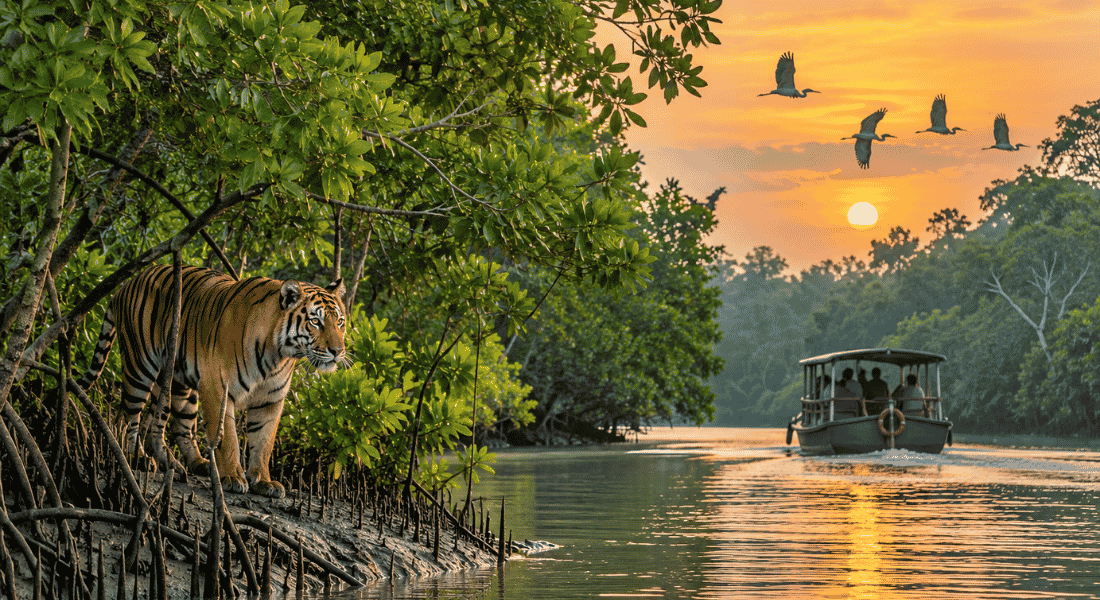
Bengal Tiger (Panthera tigris): This iconic species makes the Sundarbans famous. Unlike other tiger populations, these tigers swim between islands. They hunt prey in water and on land. About 180 tigers live here, with 106 in Bangladesh and 74 in India.
Spotted Deer (Axis axis): Around 30,000 spotted deer roam the forest. They serve as primary prey for tigers. You can often spot them grazing along riverbanks.
Rhesus Macaque (Macaca mulatta): These monkeys live throughout the forest. They often gather near water sources and observation points.
Wild Boar (Sus scrofa): These animals root through forest floors in search of food. They occur throughout the delta.
Small Cats:
Jungle cat (Felis chaus)
Fishing cat (Prionailurus viverrinus)
Leopard cat (Prionailurus bengalensis)
Other Mammals:
Indian muntjac
Smooth-coated otter
Asian small-clawed otter
Large Indian civet
Capped langur
Reptiles
Estuarine Crocodile (Crocodylus porosus): The world's largest reptile occurs here. These crocodiles can exceed 6 meters in length. They inhabit rivers and creeks throughout the forest.
Saltwater Crocodile: These predators patrol the waterways. Visitors often spot them basking on riverbanks.
Lizards and Snakes:
Water monitor lizard
Various snake species
Terrapins and freshwater turtles
Marine Turtles:
Olive ridley turtle
Hawksbill turtle
Green sea turtle
Birds
The Sundarbans provides habitat for approximately 290 bird species. It serves as an important wintering area for migratory birds.
Raptors:
White-bellied sea eagle
Pallas's fish eagle
Osprey
Water Birds:
Herons and egrets
Kingfishers (multiple species)
Storks and ibises
Shorebirds:
Spoon-billed sandpiper (critically endangered)
Indian skimmer
Plovers and sandpipers
Passerines:
Various warblers and flycatchers
Sunbirds and flowerpeckers
Babblers and thrushes
Other Notable Birds:
Masked finfoot
Bengal florican
Gray-headed fish eagle
Marine Life
Fish:
Over 120 fish species inhabit the waterways. Commercial species include hilsa, various catfish, and prawns. The mangrove ecosystem serves as critical breeding ground for many species.
Crustaceans:
Crabs (including mud crabs and fiddler crabs)
Shrimps and prawns
Lobsters
Other Marine Life:
Gangetic dolphin (critically endangered)
Irrawaddy dolphin
King crabs (horseshoe crabs)
Flora
Dominant Tree Species:
Sundari (Heritiera fomes) – the most common tree, giving the forest its name
Gewa (Excoecaria agallocha) – second most abundant species
Goran (Ceriops decandra) – common in saline areas
Keora (Sonneratia apetala) – colonizes newly accreted mudbanks
Passur (Xylocarpus granatum) – provides useful timber
Palms:
Golpata (Nypa fruticans) – widespread along drainage lines
Hantal palm (Phoenix paludosa) – grows on drier ground
Other Vegetation:
Poresia coaractata
Myriostachya wightiana
Spear grass (Imperata cylindrica)
Khagra (Phragmites karka)
Mangrove Associates:
Bruguiera gymnorhiza (kankra)
Avicennia officinalis
Xylocarpus mekongensis
Rhizophora mucronata
Activities and Things to Do
The Sundarbans tourist spot offers diverse activities. Whether you seek adventure or relaxation, you will find experiences that match your interests.
Boat Safaris
Boat safaris form the core of any Sundarbans visit. You navigate narrow waterways, observe wildlife, and explore hidden channels.
What to expect:
Motorized wooden boats with local guides
Duration from 2 hours to full days
Wildlife viewing from the boat
Photography opportunities
Access to areas unreachable by land
Types of boat safaris:
Day trips: Short excursions from entry points
Multi-day expeditions: Extended journeys with overnight stays
Sunset cruises: Evening trips for sunset photography
Bird watching safaris: Focused on bird observation
Operators: The Otithi Sundarbans Signature Escape offers guided boat safaris as part of their packages. The Otithi Sundarbans Mangrove Retreat includes boat activities for shorter stays.
Wildlife Watching
The Sundarbans offers exceptional wildlife viewing. Different activities suit different wildlife preferences.
Tiger watching:
Best in winter months (October-February)
Focus on riverbanks and water sources
Patience and quiet observation required
Safety instructions from guides essential
Bird watching:
Peak season: November to March (migratory birds)
Early morning offers best viewing
Binoculars and field guides recommended
Focus on wetlands and mudflats
Crocodile viewing:
Sunbathing crocodiles visible on riverbanks
Best during low tide
Estuarine crocodiles in larger waterways
Saltwater crocodiles in creeks and channels
Deer watching:
Spotted deer graze in early morning and late evening
Dense herds near water sources
Often visible from boats
Observing behavior requires quiet approach
Village Visits
The Sundarbans supports over 4 million people. Village visits offer cultural immersion and local perspectives.
What to expect:
Visits to fishing and honey-collecting communities
Interactions with local families
Learning about traditional livelihoods
Understanding local beliefs and practices
Community activities:
Traditional boat building
Honey collection methods
Fishing techniques
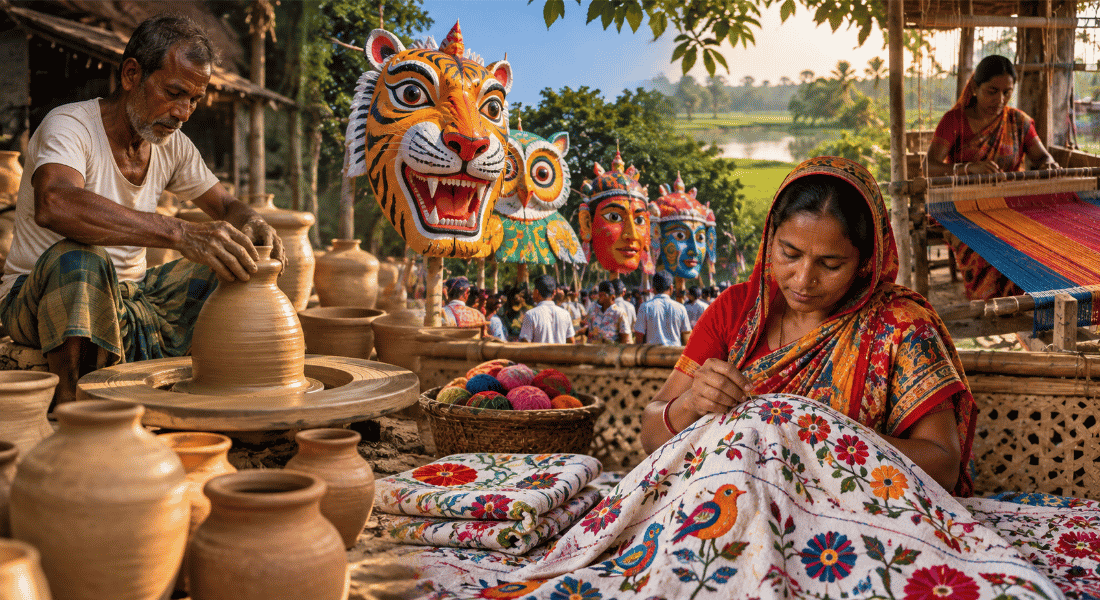
Local crafts and handicrafts
Cultural experiences:
Bonbibi stories and folklore
Local music and songs
Traditional celebrations
Community meals
Bonfire Evenings
Some tour operators offer bonfire experiences. These provide cultural immersion under the stars.
Activities:
Local music and storytelling
Sharing experiences with fellow travelers
Cultural performances
Stargazing
Where it's offered:
Many multi-day tours include bonfire evenings
Otithi Sundarbans Signature Escape features this activity
Some eco-lodges and resorts organize community events
Seasonal Activities
Bird watching (November-March): Winter brings migratory birds from Siberia and Central Asia. The Sundarbans becomes a birdwatcher's paradise.
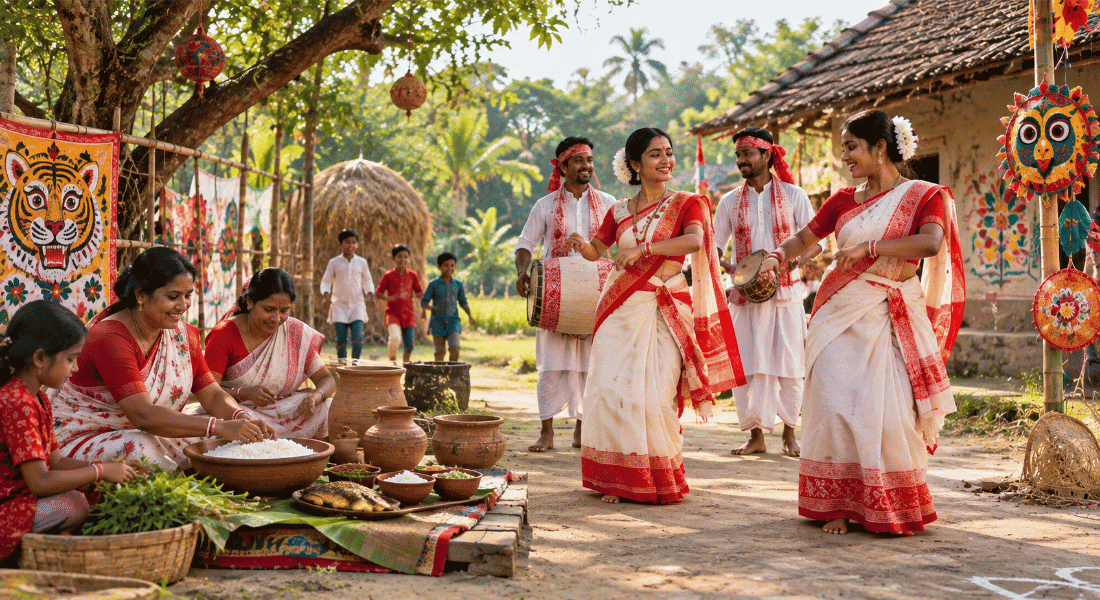
Kite flying (January-February): The Bengali tradition of flying kites takes place during winter festivals. It reflects local culture and community spirit.
Honey making (March-May): Professional honey collectors follow traditional methods. You can observe the collection process and learn about this historic livelihood.
Fishing (varies): Different seasons favor different fishing methods. Local communities practice sustainable fishing passed through generations.
Photography Tours
The Sundarbans offers spectacular photo opportunities.
Subjects:
Landscape and mangrove scenes
Wildlife in natural settings
Local communities and traditions
Sunrise and sunset over waterways
Tips:
Use a telephoto lens for wildlife
Carry protection against humidity and salt spray
Capture the interplay of light and water
Include local people for cultural context
Trekking
Land trails exist in limited areas. Designated paths allow forest exploration.
Trail types:
Observation tower trails
Forest walking paths
Educational nature trails
Village-to-village paths (with local guides)
Important notes:
Always walk with authorized guides
Stay on designated paths
Tiger safety protocols must be followed
Leash or carry children during walks
Conservation and Education
The Sundarbans offers learning opportunities for visitors.
Interpretation centers:
Exhibits on forest ecology
Wildlife displays
Conservation information
Talks and presentations:
Expert guides share knowledge
Conservation staff provide updates
Local community members share stories
What you learn:
Mangrove ecosystem functioning
Climate change impacts
Conservation challenges and solutions
Community dependence on the forest
Community Experiences
Otithi emphasizes community-based tourism experiences. These connect visitors with local communities in meaningful ways.
Authentic interaction:
Homestays in local communities
Shared meals and cultural exchange
Learning traditional skills
Supporting local livelihoods
Specific experiences:
Cooking traditional Sundarbans cuisine
Learning about honey collection
Participating in community activities
Hearing local stories and folklore
The Otithi Sundarbans Packages include community interactions. These experiences differentiate responsible tourism from conventional sightseeing.
Otithi: Your Sundarbans Travel Partner
Otithi offers curated Sundarbans experiences. As part of BRAC, Bangladesh's largest development organization, Otithi focuses on responsible and sustainable tourism. Their packages combine comfort, adventure, and cultural immersion.
Sundarbans Signature Escape (3 Days, 2 Nights)
This signature experience provides complete immersion in the Sundarbans tourist spot.
Duration: 3 days, 2 nights
Group Size: 2-8 people
Difficulty Level: Easy
Key Features:
Guided boat ride through canals
Wildlife safari experience
Karamjal trails and observation points
Crocodile conservation area visit
Riverside village exploration
Van journey through local communities
Local stories, folklore, and traditions
Bonfire evenings with local music and storytelling
Authentic local cuisine at a community house
Seasonal activities (bird-watching, kite flying, honey-making)
Pricing:
Twin sharing: BDT 21,500 per person
Solo Trip: BDT 36,000 per person
What's Included:
Expert local guides and naturalists
All boat safaris and park entry fees
Accommodation for 2 nights
All meals (including authentic local cuisine)
Transfers and transportation
Community interaction experiences
Permits and forest department fees
Book the Sundarbans Signature Escape
Sundarbans Mangrove Retreat (2 Days, 1 Night)
This shorter package offers a peaceful escape into the heart of the Sundarbans.
Duration: 2 days, 1 night
Group Size: 2-8 people
Difficulty Level: Easy
Key Features:
Gliding through mangrove-lined canals
Guided boat ride and wildlife safari
Karamjal trails and observation points
Crocodile conservation areas
Riverside village discovery
Van journey through local communities
Bonfire evenings with local music
Seasonal activities (bird-watching, kite flying, honey-making)
Pricing:
Twin sharing: BDT 12,500 per person
Solo Trip: BDT 19,000 per person
What's Included:
Expert local guides and naturalists
All boat safaris and park entry fees
Accommodation for 1 night
All meals
Transfers and transportation
Community interaction experiences
Permits and forest department fees
Book the Sundarbans Mangrove Retreat
Why Choose Otithi?
Community-focused tourism:
Otithi prioritizes local communities. Your visit directly supports livelihoods. Revenue stays within the region. This model promotes conservation and development simultaneously.
Expert local guides:
All tours include experienced local guides. They know wildlife behavior, forest navigation, and cultural context. Their knowledge enriches every experience.
Authentic experiences:
Otithi offers genuine cultural interactions. You meet real families, eat authentic food, and hear actual stories. This differs from commercialized tourism experiences.
Responsible practices:
Otithi follows sustainable tourism principles. They minimize environmental impact while maximizing visitor experience. Conservation education is integrated into every tour.
Safety and comfort:
Packages balance adventure with comfort. Good accommodation, reliable boats, and experienced staff ensure safety. These factors matter in remote forest environments.
Explore all Otithi Sundarbans packages
Booking Process
Step 1: Choose your preferred package
Step 2: Select accommodation type
Twin sharing (couples or even-numbered groups)
Solo trip (solo travelers or odd-numbered groups)
Step 3: Complete the booking form
Provide personal details
Select preferred dates
Mention special requirements
Step 4: Consultation
Otithi team confirms availability
Detailed itinerary shared
Pre-departure briefing provided
Step 5: Payment and confirmation
Secure payment processing
Confirmation and vouchers issued
Pre-departure information sent
Contact:
Email: otithi.support@brac.net
Phone: +8809610800700
Mobile: +8801332550542
Accommodation Options
The Sundarbans offers diverse accommodation. Choices range from eco-lodges to riverside resorts to community homestays. Your selection affects your overall experience.
Eco-Lodges and Forest Resorts
Eco-lodges blend comfort with sustainability. They minimize environmental impact while providing modern amenities.
Features:
Natural building materials
Energy-efficient designs
Water conservation systems
Waste management practices
Amenities:
Comfortable rooms with essential facilities
Restaurants serving local cuisine
Common areas for relaxation
Nature interpretation centers
Examples:
Karamjal Forest Resort: Located near the Karamjal Wildlife Center. Offers easy access to forest activities.
Sundarbans Eco Resort: Features sustainable design. Close to wildlife viewing areas.
Riverside Resorts and Hotels
Riverside accommodation provides easy water access. You can step from your room to a boat.
Features:
Rivers and waterway views
Boat jetties nearby
Wildlife viewing from the property
Amenities:
Air-conditioned rooms
Private bathrooms
Restaurant and dining areas
Basic recreation facilities
Examples:
Mongla Riverside Hotel: Convenient access to Bangladesh Sundarbans entry points. Good for travelers based in Mongla.
Hotel Sundarbans: Located in Khulna city. Suitable for those wanting city comforts before forest visits.
Community Homestays
Community homestays offer authentic cultural immersion. You stay with local families and experience their daily lives.
Features:
Live with local families
Participate in daily activities
Eat traditional home-cooked meals
Learn local customs directly
What to expect:
Basic accommodation (tropical-style)
Shared bathroom facilities
Authentic food
Warm hospitality
Benefits:
Community income support
Cultural exchange
Unique authentic experience
Off-the-beaten-path perspective
Resorts Inside the Forest
Some resorts operate within the forest area. These offer immersive experiences but limited access.
Features:
Forest surroundings
Wildlife viewing from your room
Close to nature
Amenities:
Comfortable rooms
Restaurant serving local food
Nature trails
Wildlife viewing platforms
Considerations:
Limited facilities
Power and water constraints
Strict environmental regulations
Book well in advance
Sustainability in Accommodation
Choose accommodation following sustainable practices. These properties minimize environmental impact while supporting local communities.
Indicators of sustainable accommodation:
Local employment
Local sourcing of food and materials
Waste management systems
Energy and water conservation
Community engagement programs
Conservation awareness activities
Questions to ask:
Where does your food come from?
How do you manage waste?
Do you employ local people?
What conservation activities do you support?
Travel Tips for Your Sundarbans Visit
Practical tips enhance your Sundarbans experience. Proper preparation ensures safety, comfort, and enjoyment.
What to Pack
Essential items:
Lightweight, breathable clothing
Long-sleeved shirts and long pants (for mosquito protection)
Comfortable walking shoes
Sun protection (hat, sunglasses, sunscreen)
Rain gear (especially during monsoon season)
Insect repellent (DEET-based recommended)
Personal medications and first-aid supplies
Water bottle (refillable)
Camera and extra batteries
Recommended items:
Binoculars for wildlife viewing
Field guide to birds and wildlife
Flashlight or headlamp
Power bank for charging devices
Dry bag for waterproof protection
Notebook and pen
Items to avoid:
Bright or flashy colors (disturb wildlife)
Heavy luggage (limited space on boats)
Unnecessary valuables
Single-use plastics
Safety Considerations
Tiger safety:
Never walk in the forest alone
Always follow guide instructions
Stay in designated areas
No feeding or approaching wildlife
Maintain distance from all animals
Boat safety:
Wear life jackets at all times
Follow boat captain instructions
Avoid standing in moving boats
No leaning over the side while moving
Crocodile awareness:
Stay away from water's edge
No swimming anywhere in the forest
Keep hands and feet inside boats
Health precautions:
Malaria risk exists (take appropriate medication)
Dengue fever transmitted by mosquitoes (use repellents)
Stay hydrated (drink bottled water only)
Carry basic first-aid supplies
Etiquette and Cultural Sensitivity
Respecting wildlife:
Observe from a distance
Do not feed animals
Avoid loud noises and sudden movements
Stay on designated paths
Cultural considerations:
Ask permission before photographing people
Dress modestly in villages
Offer greetings and respect local customs
Learn a few local words (Bengali greetings)
Community interaction:
Support local businesses
Purchase directly from artisans
Follow community guidance
Show appreciation for hospitality
Responsible Tourism Practices
Environmental responsibility:
Carry out what you bring in (no littering)
Avoid single-use plastics
Support sustainable businesses
Minimize your environmental footprint
Wildlife protection:
Never buy wildlife products
Report illegal activities
Follow conservation guidelines
Support conservation through responsible tourism
Community support:
Buy locally made products
Hire local guides
Stay in community accommodations
Engage respectfully with communities
Photography Tips
Wildlife photography:
Use a telephoto lens
Shoot in early morning or late afternoon
Use fast shutter speeds for moving animals
Focus on eyes for wildlife portraits
Be patient and quiet
Landscape photography:
Capture the interplay of water and trees
Use golden hours for best lighting
Include boats for scale
Frame shots with mangrove silhouettes
Consider symmetry and leading lines
Cultural photography:
Seek permission from subjects
Respect privacy and customs
Avoid staged or posed shots
Document daily life honestly
Consider leaving contact details to share photos
Health and Hygiene
Health concerns:
Mosquito-borne diseases (malaria, dengue)
Water-borne diseases (diarrhea, typhoid)
Heat and humidity exposure
Sunburn and heat exhaustion
Preventive measures:
Use insect repellent
Drink bottled or purified water
Avoid raw or undercooked food
Wear sunscreen and hats
Stay hydrated
Carry medications
Recommended vaccinations (consult doctor):
Hepatitis A and B
Typhoid
Tetanus
Japanese encephalitis
Malaria prophylaxis
Connectivity and Communication
Mobile network:
Limited coverage in forest areas
Best near entry points and villages
International roaming available (check with provider)
Internet access:
Available in major towns
Limited in forest areas
Some resorts offer Wi-Fi
Emergency communication:
Forest department emergency numbers
Tour operator contact numbers
Local police station contacts
Embassy or consulate contacts
Important numbers:
Otithi support: +8809610800700
Local police: 999
Forest Department (varies by location)
Budget and Currency
Cost considerations:
Tour packages (as outlined in Otithi section)
Additional expenses (tips, souvenirs, etc.)
Photography permits
Park entry fees
Currency:
Bangladesh: Bangladeshi Taka (BDT)
India: Indian Rupee (INR)
Payment methods:
Cash most widely accepted
Limited credit card acceptance
ATMs available in Khulna and Kolkata
Carry small denominations for local transactions
Responsible Travel in the Sundarbans
The Sundarbans faces significant conservation challenges. As a visitor, your choices affect the forest's future. Responsible travel helps protect this unique ecosystem.
Conservation Challenges
Climate change:
Sea level rise threatens the Sundarbans. An 45-centimeter rise could destroy 75% of the mangrove forest. Saltwater intrusion increases salinity, affecting forest health. Sundari trees show particular sensitivity to salinity changes.
Natural disasters:
Cyclone Sidr (2007) damaged approximately 40% of the forest. Cyclone Aila (2009) devastated the region with massive casualties. These events disrupt ecosystems and endanger wildlife.
Human activities:
Coal-fired power plants near the forest pose threats. The Rampal Power Station, 14 kilometers north of the Sundarbans, raises environmental concerns. Industrial pollution and oil spills also damage the ecosystem.
Climate-induced migration:
Rising sea levels force coastal communities to relocate. About 13% of residents moved between 2000-2010. Climate migration alters human-wildlife interactions and pressures urban areas.
Conservation Efforts
Protected areas:
UNESCO World Heritage Sites protect key areas. Four sanctuaries safeguard critical tiger and wildlife habitats. National parks and wildlife sanctuaries cover 15% of the mangrove area.
Forest management:
The Bangladesh and Indian governments manage forest resources. Park authorities enforce regulations and monitor wildlife populations. Systematic forest management started in 1869.
Scientific research:
Researchers study forest health and wildlife behavior. Studies track tiger populations, monitor forest health, and assess climate change impacts. Research findings guide conservation decisions.
Community engagement:
Local communities play crucial roles in conservation. Programs educate residents and involve them in protection activities. Community-based conservation shows positive results.
Your Contribution Through Responsible Travel
Economic support:
Your visit creates livelihood opportunities. Local guides, boat operators, and accommodation providers benefit. This economic benefit encourages forest protection. Communities with tourism income protect the forest.
Conservation awareness:
You learn about forest importance during your visit. This knowledge spreads when you share your experience. Informed travelers support conservation policies. Word of mouth creates advocacy for protection.
Cultural exchange:
Meeting local communities builds understanding. This empathy supports sustainable development. Mutual respect promotes responsible behavior. Cultural exchange reduces conflict with conservation.
Environmental action:
Responsible visitors minimize their impact. Choosing sustainable operators supports best practices. Reducing waste and following guidelines protects the forest. Your choices demonstrate respect for the ecosystem.
How to Be a Responsible Traveler
Before you go:
Research the destination
Choose responsible operators like Otithi
Understand the local context
Prepare appropriate clothing and gear
During your visit:
Follow guide instructions
Respect wildlife from a distance
Minimize waste and plastic use
Support local businesses
Engage respectfully with communities
Leave no trace
After your visit:
Share your experience responsibly
Support conservation organizations
Stay informed about issues
Advocate for forest protection
Frequently Asked Questions
How many days are enough for Sundarbans tour?
A minimum of 2 days is needed for the Bangladesh side. The Sundarbans Mangrove Retreat covers this duration. For a more complete experience, choose the 3-day Sundarbans Signature Escape.
Which is the best time to visit Sundarbans?
The ideal period is October to March. Weather remains pleasant, humidity is lower, and migratory birds are present. Avoid the monsoon season (June-September) when many areas become inaccessible.
Is Sundarbans safe for tourists?
Yes, with proper precautions. Always travel with registered tour operators like Otithi. Follow guide instructions and safety guidelines. Do not walk alone in forest areas.
Can we see tigers in Sundarbans?
Tiger sightings are possible but not guaranteed. The forest holds about 180 tigers. Peak viewing occurs in winter months. Book safaris with experienced guides who know the best areas.
Which side is better, India or Bangladesh?
Both offer unique experiences. Bangladesh has a larger forest area (60%). The Indian side features Sundarbans National Park. Your choice depends on accessibility and preferred activities. Many travelers consider the Bangladesh side more immersive.
How much does a Sundarbans tour cost?
Prices vary widely. For quality experiences with responsible operators:
2-day tours start at BDT 12,500 (twin sharing)
3-day tours start at BDT 21,500 (twin sharing)
Luxury and custom tours cost more
What should I pack for Sundarbans?
Pack lightweight, breathable clothing with long sleeves. Include sun protection, insect repellent, rain gear, and comfortable walking shoes. Bring binoculars and cameras for wildlife viewing. Check the comprehensive packing list in this guide.
Conclusion
The Sundarbans represents one of Earth's most extraordinary ecosystems. It combines stunning natural beauty, incredible biodiversity, and rich cultural heritage. Visiting this Sundarbans tourist spot offers unforgettable experiences while contributing to conservation.
Responsible tourism supports local communities and forest protection. When you choose to visit, you become part of the solution. Your presence helps safeguard this world heritage site for future generations.
Plan your journey thoughtfully. Choose responsible operators like Otithi who prioritize community benefits and environmental protection. Prepare adequately and follow guidelines for a safe and enriching experience.
The Sundarbans awaits your visit. Its winding canals, majestic tigers, and welcoming communities offer memories that last a lifetime. This is not just travel – it is an opportunity to connect with nature and support conservation.
Additional Resources
Otithi Links
External Resources
Further Reading
Explore local stories and folklore
Research conservation initiatives
Learn about specific wildlife species
Understand climate change impacts
Explore local stories and folklore
Research conservation initiatives
Learn about specific wildlife species
Understand climate change impacts