Blog
30
Jul
Madhupur Pineapple Farms & Rubber Gardens
Madhupur: Discover Local Culture, Pineapple Farms & Rubber Gardens
Beyond the Tourist Trail: Madhupur's Hidden Farms, Forests & Female Power
Madhupur: Where pineapple fields meet rubber gardens & women lead the way. Discover Bangladesh's agricultural heartland with Otithi.
Introduction: Madhupur's Hidden Charm Awaits
Madhupur sits in north-central Bangladesh as a destination where culture, agriculture, and community blend seamlessly. The region lacks global recognition yet offers authentic experiences few travelers find elsewhere. From harvesting madhupur pineapple alongside farmers to walking through sprawling rubber gardens, your visit reveals genuine local life. Discover why madhupur pineapple bangladesh has become the talk among culinary enthusiasts, explore the madhupur rubber garden's ecological value, and meet the strong women building their communities. This guide shows you exactly what to expect and why Madhupur deserves a spot on your travel list.
Quick Facts About Madhupur
Location: Tangail District, Bangladesh
Best Season: October to March
Main Attractions: Pineapple farms, rubber gardens, community tours
Distance from Dhaka: 95 kilometers
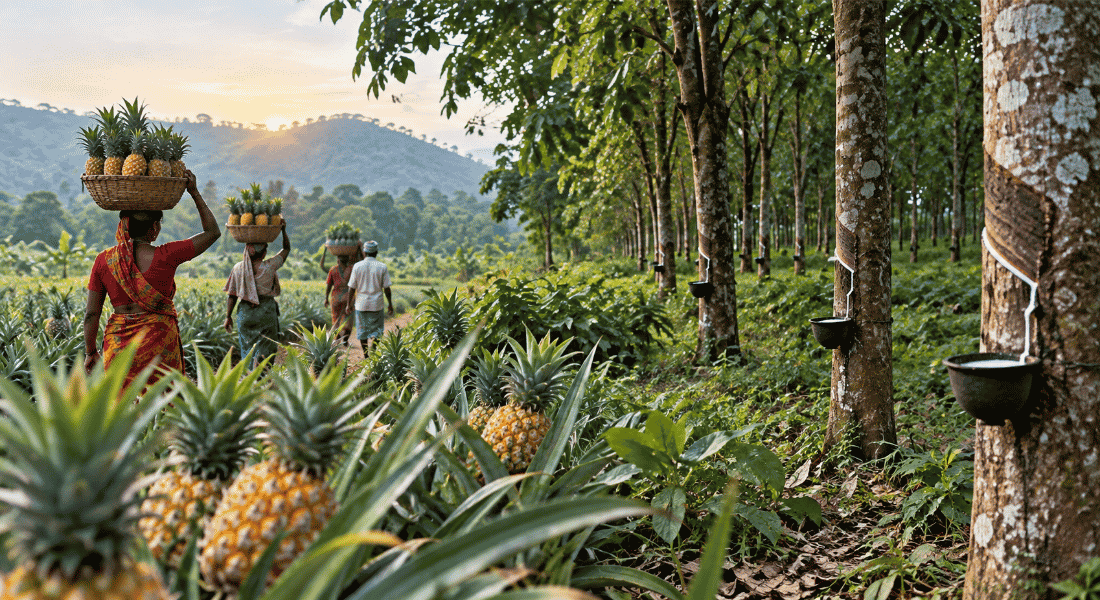
Madhupur Pineapple Experience: Harvesting Fresh Fruit with Local Farmers
The madhupur pineapple experience stands apart from packaged fruit store visits. When you step into working pineapple farms, you engage directly with the farmers who dedicate their lives to growing these golden fruits. The experience transforms how you understand agriculture and food sourcing.
Why Madhupur Pineapple Bangladesh Leads the Market
The soil composition and climate in Madhupur create ideal conditions for pineapple cultivation. The region experiences consistent rainfall and warm temperatures that madhupur pineapple bangladesh varieties require. Unlike mass-produced alternatives, locally grown pineapples reach peak ripeness naturally, developing higher sugar content and more vibrant flavor profiles.
Farmers in the area employ sustainable practices passed down through generations. Crop rotation maintains soil fertility without synthetic fertilizers. Rainwater harvesting systems reduce dependency on external water sources. These methods create superior fruit quality while protecting environmental resources.
The Harvesting Process: Step-by-Step
Participating in harvest season offers hands-on agricultural education. You learn to identify ripe fruit by examining the fruit's golden color, testing firmness, and checking leaf cluster vibrancy. Experienced farmers teach you proper cutting techniques that protect the plant and ensure the fruit remains undamaged.
After harvesting, farmers teach you the traditional method of tasting pineapples at peak ripeness. The flesh becomes sweeter, more tender, and juicier than commercially transported fruit. You taste the difference between farm-fresh and supermarket varieties, understanding the value of local agriculture.
Madhupur Rubber Garden Tour: Nature's Industrial Heritage
The madhupur rubber garden represents a vital agricultural and ecological resource that shaped the region's economy for over a century. The tours provide insight into rubber cultivation, processing, and the environmental significance of these vast plantations.
Understanding the Madhupur Rubber Garden Ecosystem
Rubber trees thrive in Madhupur's tropical climate where temperature, humidity, and rainfall remain consistent throughout the year. The madhupur rubber garden spans thousands of acres, creating a managed forest ecosystem that supports biodiversity while serving economic functions.
Walking through rubber tree rows reveals the careful arrangement that maximizes sunlight exposure for each plant. Trees reach full productivity between 7–10 years after planting, then continue yielding latex for 25–30 years. Sustainable tapping methods ensure trees remain healthy and productive without compromising their lifespan.
The Rubber Tapping Process: From Tree to Raw Material
Guided tours allow you to watch expert tappers work early morning hours when latex flows most readily. The process involves making careful diagonal cuts in the bark without damaging the underlying wood. Latex flows into collection cups, where it's gathered daily. The morning's work requires precision, timing, and deep knowledge of tree biology.
Key steps in the tapping process:
Early morning inspection of tree bark conditions
Making precise diagonal cuts at optimal angles
Positioning collection cups to catch flowing latex
Collecting filled cups in afternoon harvest
Transporting raw latex to processing facilities
Coagulation and sheet formation for export
The Strong Women of Madhupur: Community Stories & Empowerment
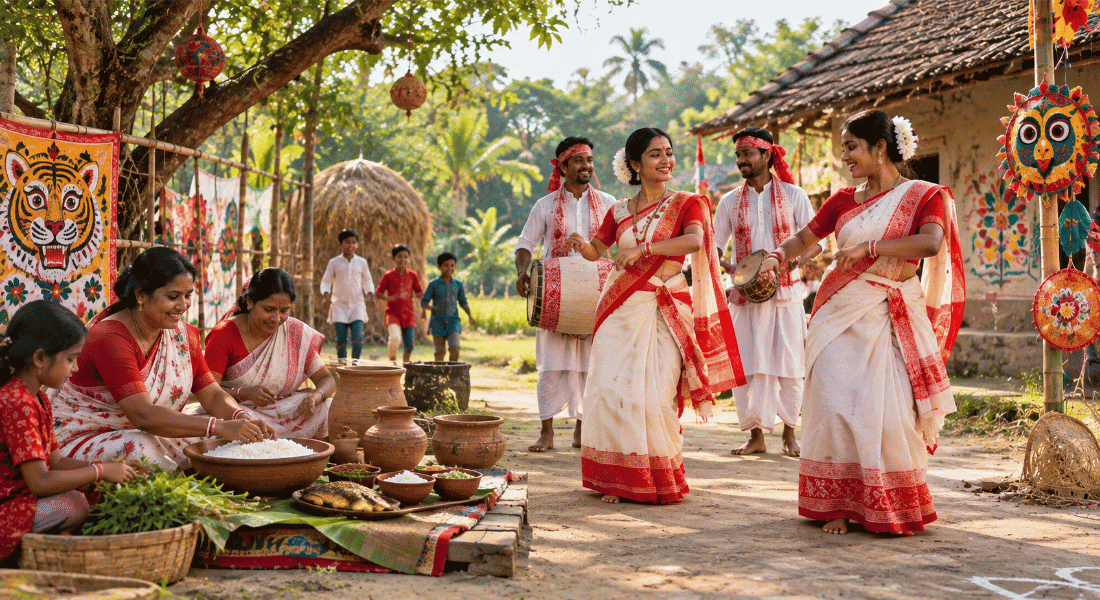
The strong women of Madhupur represent the economic and social backbone of their communities. Their stories reveal resilience, innovation, and determination that drives agricultural productivity and cultural preservation.
Women Farmers Leading Agricultural Innovation
Women operate significant portions of Madhupur's agricultural sector despite historical barriers to land ownership and access to credit. Many manage family farms with advanced techniques learned through cooperative training programs. These farmers experiment with crop rotation, pest management, and sustainable water usage, often achieving higher yields than conventional methods.
Several women have expanded beyond farming into agricultural processing and marketing. Small cooperatives led by women transform raw pineapples into juice, canned products, and dried fruit for regional markets. These value-added operations increase income for entire families while reducing post-harvest waste.
Education and Skill Development Programs
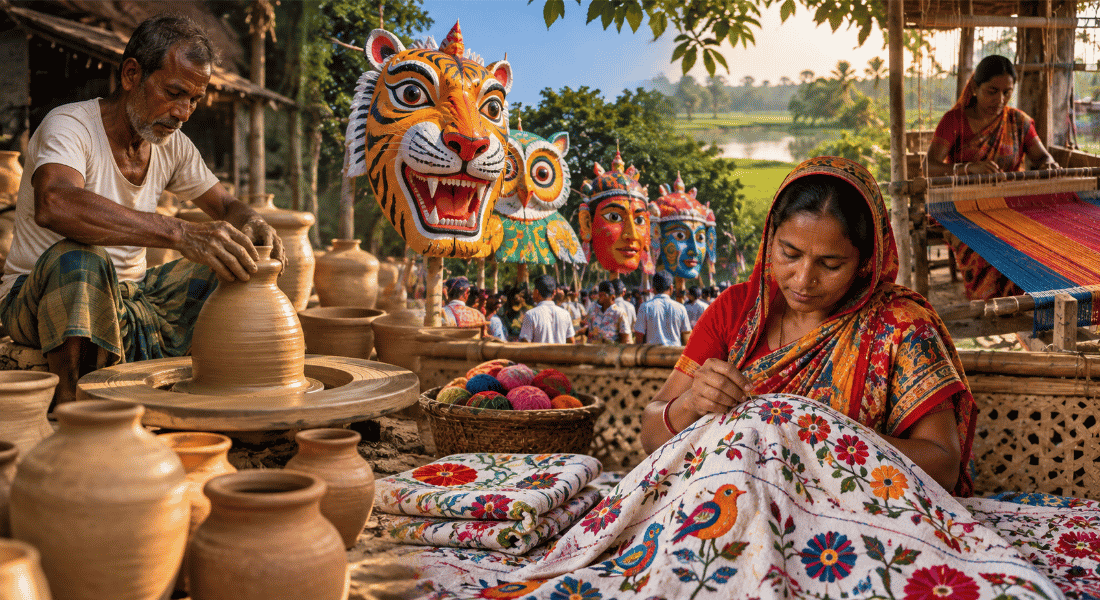
Community initiatives equip young women with marketable skills beyond traditional farm work. Training centers teach business management, technology use, and specialized agricultural techniques. Graduates establish small enterprises including agricultural services, food production, and craft manufacturing.
Cultural Preservation and Community Leadership
Women cultural leaders maintain traditional practices while adapting to modern realities. They organize festivals, teach handicraft techniques, and pass cultural knowledge to younger generations. Many lead community organizations focused on health, education, and social welfare.
Planning Your Madhupur Adventure: Practical Details for Travelers
Visiting Madhupur requires basic planning to maximize your experience. Knowing best seasons, accommodation options, and tour logistics ensures a smooth journey.
Best Time to Visit Madhupur
October to March provides ideal weather for farm tours and outdoor activities. Temperatures range from 15–25 degrees Celsius with minimal rainfall. This season overlaps with pineapple harvest season, allowing you to participate in actual farm work.
Summer months bring intense heat and humidity but offer different perspectives on agricultural operations. Monsoon season (June–September) brings challenges for travel but showcases the region's lush greenery and water management practices.
Accommodation and Tour Operators
Otithi offers comprehensive tour packages for Madhupur exploration. Their organized tours handle logistics, transportation, and guide services for hassle-free experiences.
Recommended Resources
Explore multi-day packages: 2-Days 1-Night Madhupur Tour
Browse all tour packages: Otithi Madhupur Tours
Visit main platform: Otithi
Browse visual galleries: Otithi Madhupur Gallery
For a deeper cultural and nature experience, check out this Madhupur tour package or explore the Ultimate Madhupur Travel Guide 2026.
What to Pack and Prepare
Comfortable field clothing for farm work
Waterproof bags for equipment protection
Camera or smartphone for documentation
Basic medical supplies for minor cuts
Insect repellent for farm environments
Sunscreen for outdoor work
Beyond the Standard Tour: Deeper Cultural Immersion in Madhupur
Standard tours provide foundational knowledge, but extended stays reveal deeper cultural understanding. Staying multiple weeks allows relationships with local families, participation in seasonal work cycles, and observation of community rhythms beyond tourist activities.
Community-Based Tourism Models
Some villages have developed homestay arrangements where visitors live temporarily with farming families. These arrangements involve shared meals, participation in daily work, and cultural exchange. You contribute genuine labor while learning agricultural reality far beyond observation.
Sustainable Tourism in Madhupur: Responsible Visitor Practices
Responsible tourism preserves the region's appeal for future visitors while supporting local communities fairly. Understanding the impact of your presence matters as much as what you experience.
Fair Compensation and Ethical Engagement
Pay local guides and farmers appropriately for their time and expertise. Fair wages ensure tourism benefits flow to those actually delivering experiences. Book through established tour operators who provide verifiable income to community members.
Environmental Responsibility
Avoid using pesticides or chemicals near agricultural areas
Respect water sources and conservation efforts
Minimize plastic use and pack out all waste
Support organic and sustainable farming methods
Experience Madhupur: Where Agriculture, Culture, and Community Connect
Madhupur offers experiences unavailable in typical tourist destinations. The madhupur pineapple bangladesh farms provide hands-on agricultural learning. The madhupur rubber garden showcases industrial heritage and ecological management. Stories of strong women reveal resilience and innovation shaping contemporary rural life.
Your visit supports local economies, preserves cultural knowledge, and creates personal connections transcending typical holidays. Whether you harvest pineapples, walk through rubber gardens, or listen to community stories, you leave with understanding of agricultural reality, environmental stewardship, and human determination.
Plan your Madhupur journey today. Contact tour operators, book accommodations, and prepare for transformation beyond what commercial tourism typically offers. The region awaits visitors ready to engage authentically with agricultural communities, natural resources, and the strong people building their futures in rural Bangladesh.
Relevant Resources for Further Reading
Learn about agricultural sustainability at FAO Bangladesh Agricultural Database
Explore women empowerment initiatives at BRAC (Bangladesh Rural Advancement Committee)
Discover conservation efforts at IUCN Bangladesh
Ready to Explore Madhupur? Book Your Tour with Otithi Today
Discover authentic agricultural experiences, meet inspiring community members, and create lasting memories in rural Bangladesh.
Start Your Madhupur Journey Now