Blog
29
Jul
Mango Orchard Experience in Rajshahi
Mango Orchard Experience in Rajshahi: A Complete Travel Guide
Rajshahi sits on the bank of the Padma River in North Bengal. Every summer, this city turns into the mango capital of Bangladesh. Trees bend under the weight of Fazli, Khirsapat, Langra, and Gopalbhog mangoes. Local farmers open their gates to visitors who want to walk through the rows, pick fruit by hand, and taste mangoes straight from the branch.
A Mango Orchard Experience in Rajshahi gives you more than fruit. You get a look at rural Bangladesh, the daily rhythm of the Padma River, and a farming tradition that runs back generations. This guide walks you through the Rajshahi mango harvesting schedule, the best varieties to try, orchard visits, market trips, and the heritage sites you can pair with your trip.
If you want to skip ahead and book a trip, you can book a mango orchard experience through Otithi Tourism and start planning your dates today.
Why Rajshahi Is Known as the Mango Capital of Bangladesh
Rajshahi sits inside the Barind Tract, a dry upland zone with sandy loam soil. This soil drains fast and holds heat well during the dry months. Mango trees grow strong roots in these conditions, and the fruit ripens with a deep, sweet flavor that buyers across Bangladesh recognize on sight.
Farmers in Rajshahi, Chapai Nawabganj, and Bagha have grown mangoes for more than a hundred years. Whole neighborhoods sit inside mango groves. The University of Rajshahi campus itself borders orchard land, and fruit stalls line the streets near the gates once harvest begins.
A few reasons explain why Rajshahi carries this title across Bangladesh and beyond:
It holds the largest mango-growing belt in the country, stretching across Rajshahi and Chapai Nawabganj.
Farmers here grow more than 70 known mango varieties, far more than any other district.
The growing season runs from mid-May through late August, giving visitors a long window to plan a trip.
The regional economy depends on mango trade, packing, and transport during these months.
Many orchards are family land, passed down across three or four generations of growers.
Rajshahi Mango Calendar 2025: Harvesting Schedule
Local authorities set an official date each year for when each mango variety can legally be harvested and sold. This rule protects buyers from unripe fruit and keeps the market honest. The table below gives you a general Rajshahi mango harvesting schedule based on past seasons, with the understanding that exact dates can shift by a week or two depending on weather.
Mango harvest begins in Rajshahi when the district administration announces the opening date for each variety, usually starting with Gopalbhog in mid-May. If you want fruit straight from the tree, plan your trip around the variety you want most. Khirsapat and Langra lovers should target late May through July. Fazli fans have a wider window since this variety holds its quality longer.
Popular Mango Varieties of Rajshahi
Rajshahi grows far more than one type of mango. Each variety has its own season, shape, and flavor. Here is what makes each one worth tasting.
Fazli Mango
Fazli is the largest mango grown in Rajshahi, often weighing close to a kilogram per fruit. It holds a GI Certified Product status, which means the Bangladesh government recognizes it as unique to this region. Fazli has a firm bite and a long shelf life, which makes it a favorite for shipping across the country and abroad.
Khirsapat Mango
Khirsapat, also known as Himsagar in other regions, is one of the most prized mangoes in Rajshahi. It carries GI Certified Product recognition too. The flesh is fiberless, soft, and rich, which makes it a top pick for eating fresh, straight off the tree.
Langra Mango
Langra keeps its green skin even at full ripeness, which surprises first-time visitors expecting a yellow or red mango. The flavor leans tangy with a sweet finish, and the dense pulp holds up well in chutney and pickle recipes.
Gopalbhog Mango
Gopalbhog opens the Rajshahi mango season. It ripens soft and fragrant, with a short shelf life that means most of the crop sells and gets eaten within days of picking. If you visit in mid-May, this is the variety you'll find first.
Ashwina Mango
Ashwina closes out the season in late summer. The flesh stays firmer than earlier varieties, and the fruit stores longer, which makes it a practical choice if you want to carry mangoes home after your trip.
Amrapali Mango
Amrapali is a hybrid variety grown more on newer commercial farms around Rajshahi. It runs smaller than Fazli or Khirsapat, with a deep red blush on the skin and a sweet, dense flesh.
What Is a Mango Orchard Experience in Rajshahi?
A Mango Orchard Experience puts you inside a working farm during harvest season. A local guide or the orchard owner walks you through rows of trees, points out which fruit is ready, and shows you how grafting and pruning keep the trees productive year after year.
Most orchard visits include a few common parts:
A walking tour through the rows with the farmer or a local guide
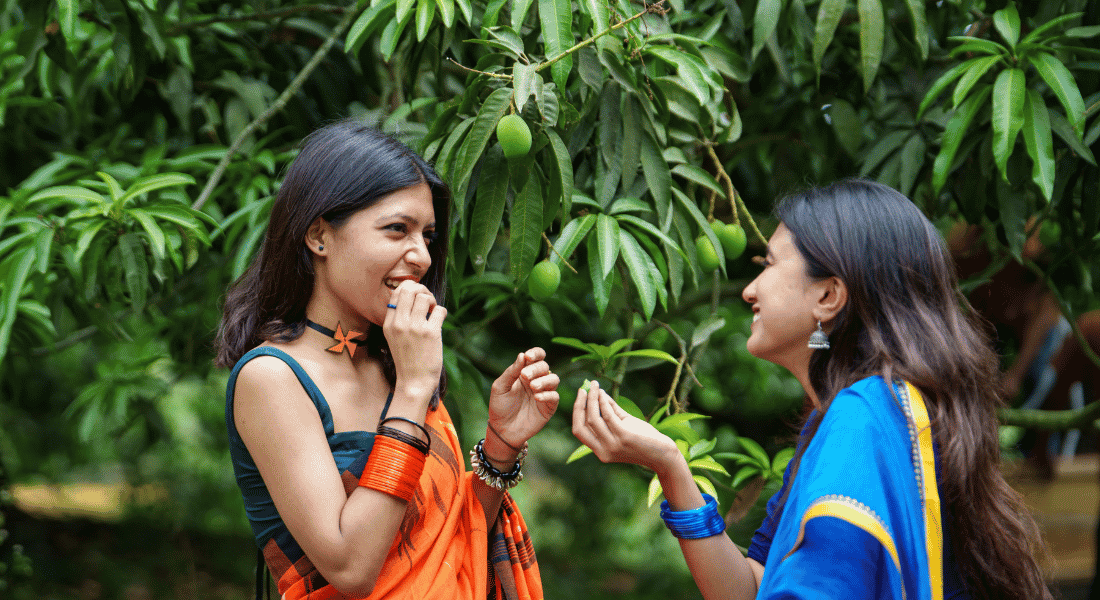
Hands-on or guided mango picking from low branches
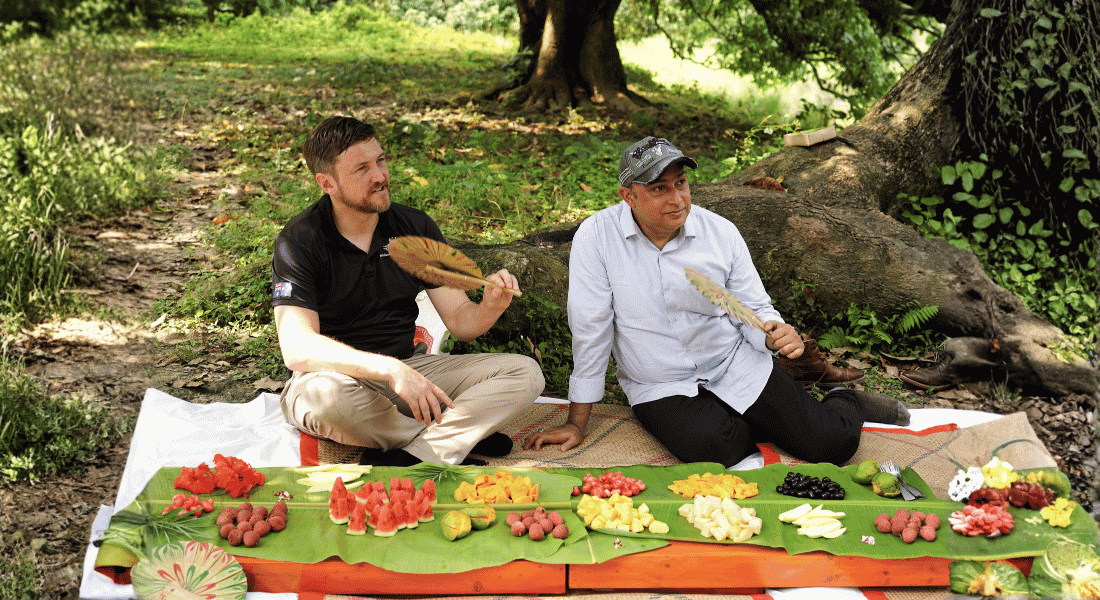
A tasting session with two or more varieties side by side
Time to talk with the farmer about how the orchard runs
A stop to buy mangoes directly at farm prices before you leave
You can join a guided Rajshahi mango orchard tour that covers all of this in a single half-day trip, with transport and a local guide arranged for you.
Mango Orchard Visits and Picking Activities
Walking under a mango canopy in July feels different from any market stall. The air smells sweet near ripe clusters. Farmers test ripeness by sound, smell, and the slight give of the skin under a thumb, a skill you can learn in minutes if you ask.
During fruit formation, you'll see clusters at every stage on the same tree, from small green knots to fruit ready for picking. This gives you a real look at how mango trees grow rather than just the final product on a table.
Orchard Photography Tips
Visit early morning for soft light and fewer flies around the fruit
Get close to a single cluster rather than shooting the whole tree
Photograph farmers mid-task, not posed, for a more honest shot
Stay off raised root beds since they can be fragile and easy to damage
Ask before photographing workers up close, most farmers say yes when asked directly
Rajshahi Mango Market Experience
Rajshahi's mango markets run loud and fast during peak season. Wholesale buyers arrive before sunrise to bid on truckloads, while retail stalls open later for everyday shoppers and tourists. Saheb Bazar and the roadside markets along the highways toward Chapai Nawabganj carry the widest mix of varieties at any given time.
A few tips for the market:
Smell the stem end of the mango, a sweet smell usually means a ripe, sweet fruit inside
Buy directly from farmers when you can, prices drop and freshness goes up
Carry a soft cloth bag, mangoes bruise easily in plastic bags stacked too tight
Ask the seller which variety suits travel best if you plan to carry fruit home
Bargain gently, prices often have small room to move for bulk purchases
Mango Cultivation Traditions in Rajshahi and Chapai Nawabganj
Mango farming in this region runs on knowledge passed from one generation to the next. Fathers teach sons how to graft a young branch onto older root stock, how to read soil before planting, and how to time pruning so a tree keeps producing fruit for decades.
Chapai Nawabganj, just west of Rajshahi City, grows an even larger share of Bangladesh's mango crop and shares the same soil and climate. Many tour routes combine both districts in a single day, since the drive between them takes under two hours.
Local farmers and orchard owners form the backbone of this entire trade. Most orchards stay family-run, with no large corporate ownership behind them. When you buy a mango at a Rajshahi orchard, that money goes straight to the family that planted and tended the tree.
Rajshahi Lichu Orchards: A Bonus Harvest
Lichu, or lychee, ripens just before the main mango rush, usually through May. Several orchards around Rajshahi grow both lichu and mango on neighboring plots, which means an early-season visit can give you two harvests in one trip. Rajshahi lichu carries a sweet, floral flavor that locals rank among the best in the country.
Padma River Life and Regional Identity
Mango orchards and the Padma River sit close together across Rajshahi, and the connection runs deeper than geography. River silt feeds the soil that orchards grow in, and the river itself shapes daily life for farmers and fishing families along its banks.
Padma River Boat Ride
A boat ride on the Padma gives you a slower view of Rajshahi than any road trip can. Local boatmen run short rides near the city and longer trips out toward the char land, the seasonal sandbars that rise from the riverbed during the dry months.
Padma Char Picnics and Kite Festivals
Padma Char land turns into a popular picnic spot once the water level drops. Families spread out on the open sand, and kite festivals draw crowds on weekends through the cooler months. Pairing a char picnic with your mango orchard day gives you both a rural farm experience and a riverside one in the same trip.
Cultural Heritage Alongside the Orchards
A mango trip to Rajshahi doesn't have to stop at the orchard gate. The city carries layers of history and craft that round out a full cultural tourism itinerary.
Varendra Research Museum
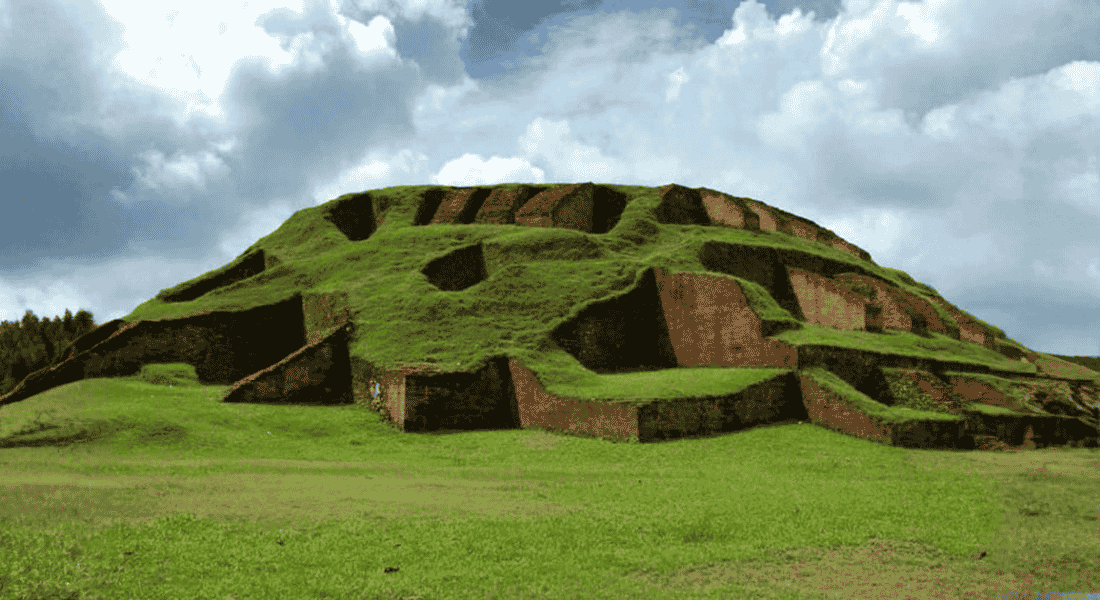
The Varendra Research Museum, run under the University of Rajshahi, holds one of the oldest archaeological collections in Bangladesh. Exhibits cover the Varendra civilization with stone sculpture, terracotta plaques, coins, and manuscripts that date back over a thousand years. An hour here gives you context for the wider Bengal region that surrounds the mango belt.
Rajshahi Silk and Sopura Silk Mill
Rajshahi carries the nickname Silk City for good reason. Rajshahi Silk holds GI Certified Product status, much like Khirsapat mango, recognizing a craft built by local weavers over generations. The Sopura Silk Mill in Boalia runs tours where you can watch raw silk threads turn into finished fabric on traditional looms, and most visitors leave with a length of silk to take home.
2-Day Mango Tourism Itinerary for Rajshahi
Two days gives you enough time to cover orchards, the river, and the city's heritage sites without rushing. Here is a sample plan many visitors follow.
If you'd rather have this entire route arranged for you, Rajshahi tour packages from Otithi Tourism cover transport, guides, and entry to most of these stops.
Family, Couple, and Weekend Trip Options
Rajshahi mango tourism works for almost any group size or travel style.
Families: Orchards offer open space for kids to walk and pick fruit under supervision, and the pace stays relaxed.
Couples: A Padma River boat ride at sunset pairs well with a quiet orchard walk earlier in the day.
Weekend travelers from Dhaka: The trip works well as a two-day weekend run, with overnight stays in Rajshahi City.
Solo travelers: Local guides make it easy to join an orchard group even without a full travel party.
Cost Breakdown for a Rajshahi Mango Orchard Tour
Costs shift by season, group size, and tour operator, so treat the figures below as a general planning range rather than a fixed price.
For exact current pricing, check Rajshahi tour packages before you travel, since seasonal demand can shift rates.
Travel Tips for Visiting Rajshahi During Mango Season
Wear light cotton clothing, the dry-season heat in Rajshahi runs high through June and July.
Bring closed shoes for orchard walks, the ground can be uneven between trees.
Carry water and a hat, most orchard tours run in open sun with little shade between rows.
Book weekend slots ahead of time during July, peak Fazli season draws large crowds.
Travel by train from Dhaka if you want a relaxed ride, the trip runs close to six hours.
Pack mangoes in a ventilated box if you're carrying fruit home on a flight or long bus ride.
Best Time to Visit Rajshahi for Mango Tourism
The full mango season in Rajshahi runs from mid-May through late August. Each month inside that window favors a different variety, so your ideal timing depends on which mango you want most.
Mid-May to early June: Gopalbhog and early Khirsapat, plus the tail end of lichu season
Mid-June to mid-July: Langra and Fazli at their peak, the busiest weeks for orchard visits
Late July to August: Ashwina closes the season, with smaller crowds and steadier prices
July weekends draw the largest number of visitors, since Fazli and Langra both peak at once. If you want a quieter trip with fewer crowds, target a weekday visit in mid-June or the final two weeks of August.
How to Plan Your Complete Rajshahi Mango Tourism Experience
A full Rajshahi trip works best when you treat the mango orchard as one stop in a wider plan rather than the entire trip.
Pick your travel dates around the mango variety you care about most
Pair one orchard visit with one river activity and one heritage site per day
Leave room in your schedule for the local market, since stall hours shift through the day
Confirm transport ahead of peak weekends in late June and July
Start with a look at what's on offer to explore Rajshahi, then build your day-by-day plan from there.
For a wider set of Rajshahi travel experiences beyond mango season, including river and heritage tours, browse the full local listings.
Frequently Asked Questions
What is a Mango Orchard Experience in Rajshahi?
It's a guided visit to a working mango farm where you walk the rows, pick fruit, taste different varieties, and talk with the farmer who grows them.
When does mango harvest begin in Rajshahi?
Harvest typically begins in mid-May with Gopalbhog, the earliest variety, and runs through late August with Ashwina, the last variety of the season.
What is the Rajshahi mango harvesting schedule?
Gopalbhog opens in mid-May, followed by Khirsapat in late May, Langra in early June, Fazli and Amrapali through mid-June, and Ashwina closing the season in mid-July through August.
What is the Rajshahi mango calendar for 2025?
The 2025 calendar follows the same general pattern as past years, with official harvest dates announced by local authorities a few weeks before each variety ripens.
Which mango varieties are most famous in Rajshahi?
Fazli, Khirsapat, Langra, Gopalbhog, Ashwina, and Amrapali are the most widely grown and best known varieties from the region.
What is special about Rajshahi Fazli mango?
Fazli is the largest mango grown in the district, holds GI Certified Product status, and stores longer than most other Rajshahi varieties.
Where can visitors pick mangoes directly from trees?
Most working orchards around Rajshahi City and Chapai Nawabganj allow guided picking during harvest season as part of an orchard tour.
Can tourists visit mango orchards in Rajshahi?
Yes, orchard owners regularly host visitors during the season, either independently or through a guided tour booking.
What activities are included in a Rajshahi mango tour?
A typical tour includes an orchard walk, mango picking, a tasting session, time with the farmer, and a stop at a local market or stall.
Is Rajshahi mango tourism suitable for families?
Yes, orchards offer open, walkable space, and the pace of a tour stays relaxed enough for children and older travelers alike.
How many days are ideal for a mango orchard experience?
A single day covers the orchard and market well, while two days lets you add a Padma River boat ride and a heritage stop.
What is the best time to visit Rajshahi during mango season?
Mid-June through mid-July brings the widest variety and the busiest weeks, while late August offers a quieter visit with smaller crowds.
Can visitors buy mangoes directly from farmers?
Yes, most orchards sell fruit on site at farm prices, often lower than market stalls in the city.
What should I wear for a mango orchard visit?
Light cotton clothing, closed shoes, and a hat work best, since orchard tours run in open sun with uneven ground between trees.
Are mango orchard tours available for couples?
Yes, many couples pair an orchard visit with a Padma River boat ride for a quieter, slower-paced day.
Can I combine a mango orchard tour with heritage sightseeing?
Yes, the Varendra Research Museum and Sopura Silk Mill both sit close enough to Rajshahi City to add to the same trip.
What other attractions can I visit during a Rajshahi mango trip?
Beyond orchards, you can visit the Padma River, Padma Char, the Varendra Research Museum, and the Rajshahi silk mills.
What is the connection between Rajshahi mangoes and the Padma River?
River silt feeds the soil across the orchard belt, and the same farming communities that grow mangoes often live and work along the riverbank.
Are Rajshahi lichu orchards available for visitors?
Yes, several orchards grow lichu alongside mango trees, with lichu season running just ahead of the main mango harvest in May.
How do I plan a complete Rajshahi mango tourism experience?
Pick your dates around the variety you want, then pair one orchard visit with one river activity and one heritage stop per day.
What makes Rajshahi the mango capital of Bangladesh?
Its dry, sandy soil, century-old farming tradition, and the sheer scale of orchard land across the district set it apart from any other region.
Which mango variety has the longest shelf life?
Fazli and Ashwina both store longer than the earlier-season varieties like Gopalbhog and Khirsapat.
Where is the best mango market in Rajshahi?
Saheb Bazar and the roadside stalls along routes toward Chapai Nawabganj carry the widest mix of varieties during peak season.
What photography opportunities are available in mango orchards?
Morning light, close shots of fruit clusters, and candid moments of farmers at work all make for strong orchard photography.
Can visitors join local mango harvesting activities?
Yes, many orchard tours include hands-on picking as part of the visit, guided by the farmer or a local tour staff member.
Plan Your Mango Orchard Experience in Rajshahi
Rajshahi gives you a rare mix in one trip. You get orchards heavy with Fazli and Khirsapat, a river that shapes the whole region's farming, and craft traditions like Rajshahi silk that run just as deep as the mango trade itself.
A Mango Orchard Experience here works whether you have one day or a full weekend. Pick your dates around the variety you want most, pair the orchard with a river or heritage stop, and you'll come away with more than a bag of fruit.
Ready to go? Book a mango orchard experience or browse full
Rajshahi tour packages through Otithi Tourism and start your trip to Bangladesh's mango capital.