Blog
02
Sep
Chapai Nawabganj mango tour
Complete Chapai Mango Tour Guide: Taste Bangladesh's Best Mangoes
Chapai Nawabganj grows more mangoes than any other district in Bangladesh. Orchards stretch for miles. In May and June, the air smells sweet.
Yet most travelers miss it. They buy mangoes in city markets. They never see where the fruit grows or meet the families who harvest it.
A Chapai Nawabganj mango tour changes that. You walk the orchards. You pick fruit. You taste varieties fresh from the tree.
This guide gives you the best experiences, real costs, and planning steps. You finish ready to book your trip.
Why a Chapai Mango Tour Works
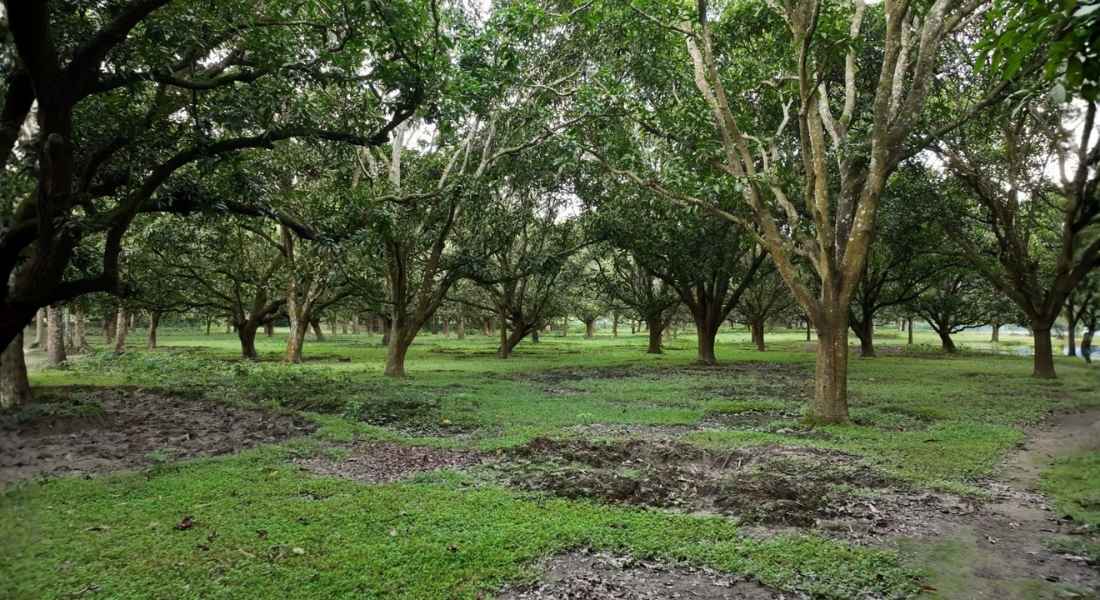
Chapai Nawabganj sits in northwestern Bangladesh. The district grows hundreds of mango varieties.
Three factors make it worth the trip.
The district produces the country's largest mango harvest
Farm families welcome visitors during the season
Costs stay low compared to other fruit tourism destinations
The area also sits near Rajshahi and Naogaon. You can combine mango visits with heritage sites.
For a wider view of the season, read our guide to mango tourism in Bangladesh.
Quick Comparison: Best Mango Tour Experiences
The Best Mango Tour Experiences in Chapai Nawabganj
1. Orchard Walk
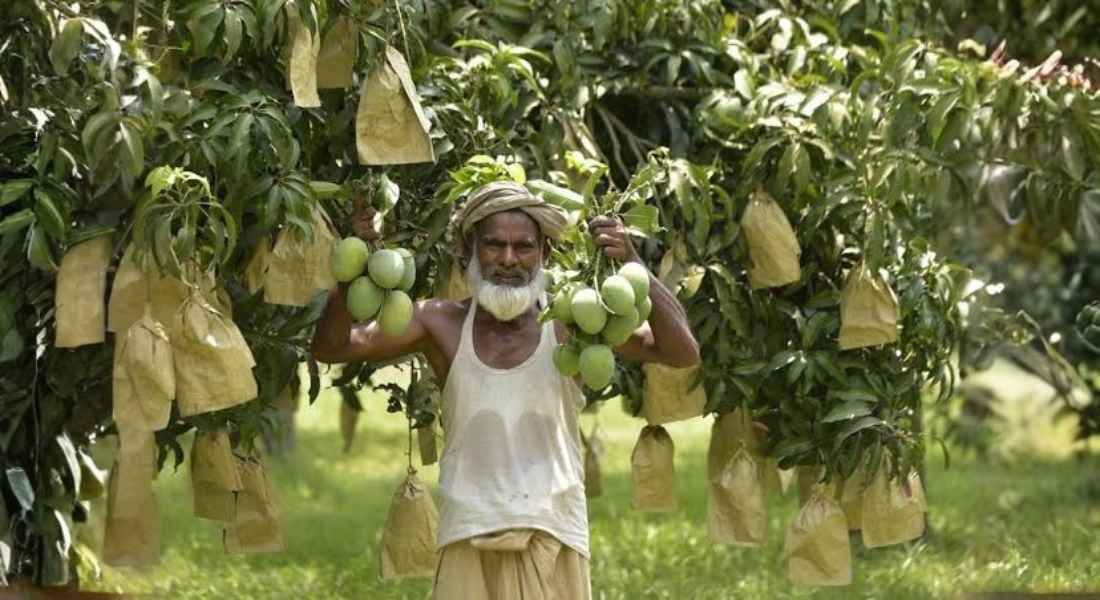
Chapai Nawabganj orchards stretch for miles. You can walk through them with a local guide.
You see how mangoes grow. You learn how farmers manage trees. You understand the work behind every fruit.
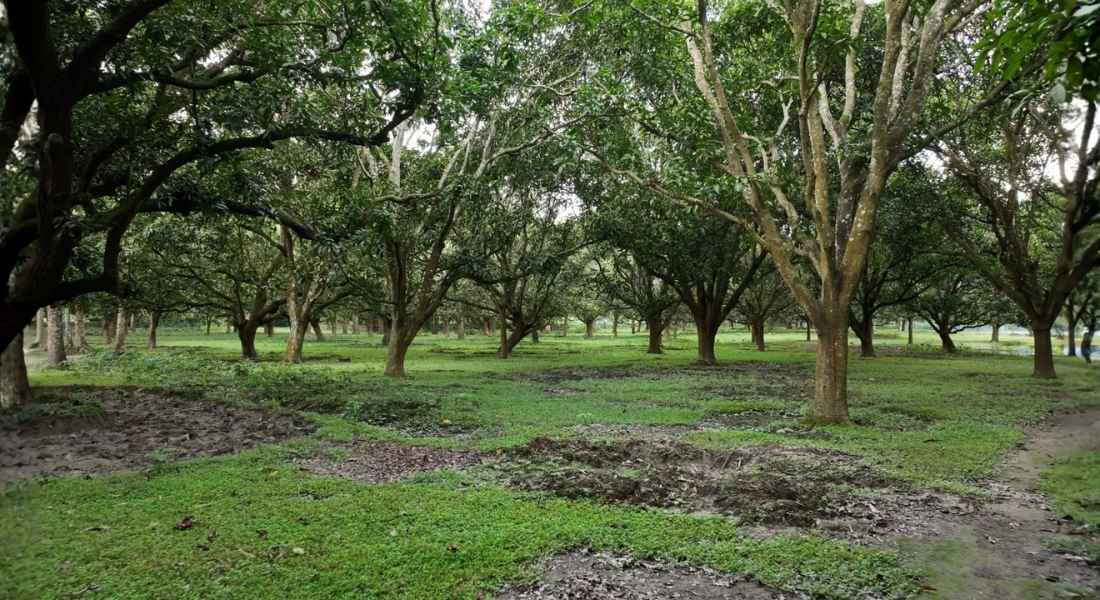
This works as a two-hour visit. It suits all travelers.
Best for: All travelers.
Cost: 300 to 800 BDT per person.
Tip: Visit in the morning. The light is better and heat is lower.
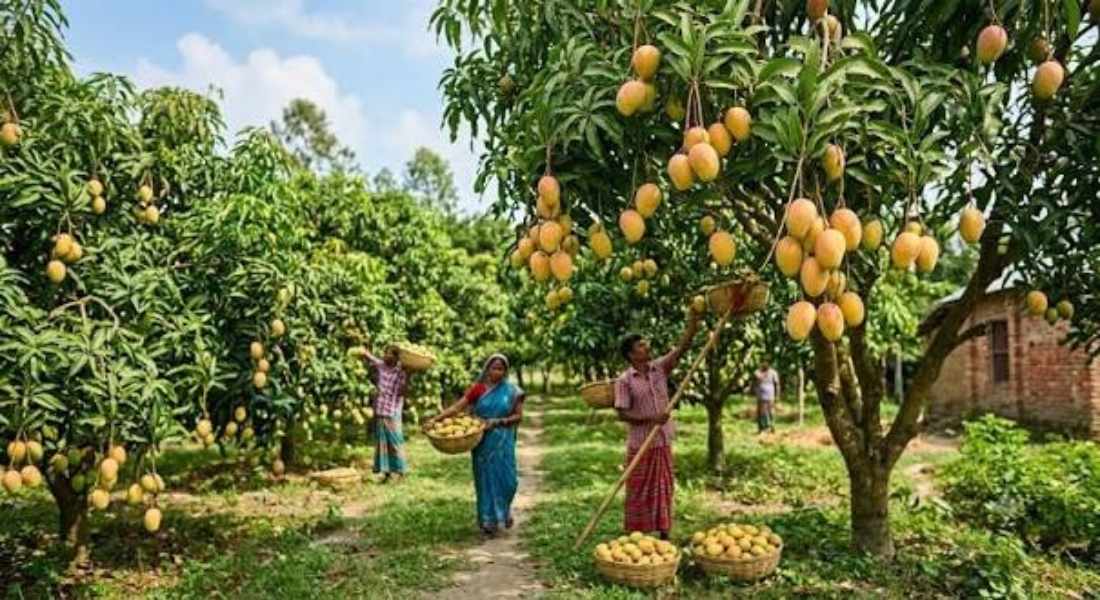
2. Mango Picking
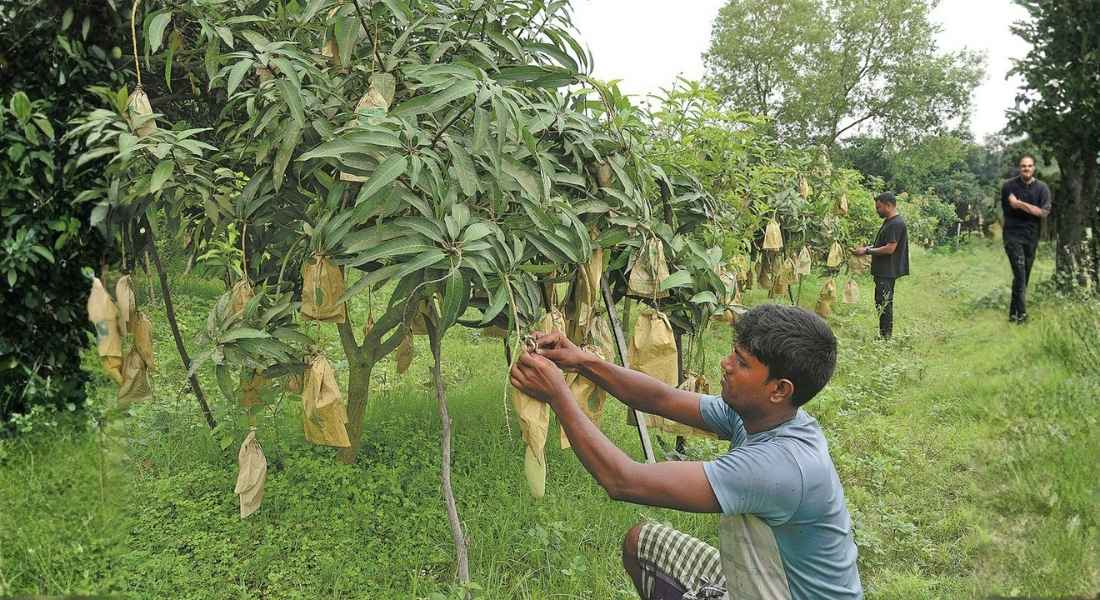
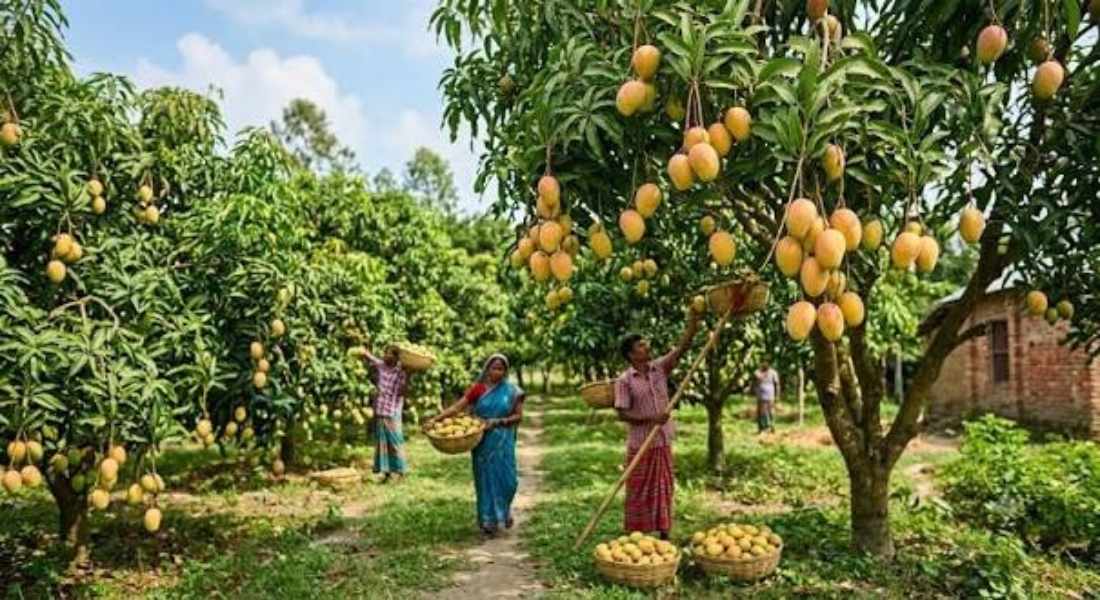
Some farms let visitors pick fruit. You walk the rows. You choose ripe mangoes. You fill a basket.
Families enjoy this most. Children see where fruit comes from.
Best for: Families with children.
Cost: 500 to 1,000 BDT per person, plus fruit price.
Tip: Ask the farmer which varieties are ripe. Each ripens at a different time.
3. Farm Family Lunch
Some farm families offer meals to visitors. You eat what the family eats. You taste local dishes made with fresh ingredients.
This works as a cultural exchange. You learn how farming families live.
Best for: Culture seekers.
Cost: 500 to 1,000 BDT per person.
Tip: Ask about the menu before you book. Tell hosts about allergies.
4. Mango Tasting
Chapai Nawabganj grows hundreds of varieties. A tasting lets you compare them side by side.
You learn the differences between Khirsapat, Langra, Fazli, and Himsagar. You find your favorite.
This works as a one-hour session. It suits food lovers.
Best for: Food lovers.
Cost: 300 to 600 BDT per person.
Tip: Taste in season. Varieties peak at different times.
5. Orchard Photography
Orchards offer strong subjects. Rows of trees, hanging fruit, and working farmers all provide material.
Photographers can spend hours in the orchards. The light changes through the day.
This works as a two-hour visit. It suits photographers.
Best for: Photographers.
Cost: Free, with guide fees.
Tip: Ask before photographing people. Respect their work.
6. Village Walk
Chapai Nawabganj villages show rural life. Most people work in farming or small trade.
You can walk through villages with a local guide. You can meet families. You can see how they live and work.
This works as a half-day trip. It suits slow travelers.
Best for: Slow travelers and culture seekers.
Cost: Free, with guide fees.
Tip: Ask before photographing people.
Mango Varieties to Try
Bangladesh grows hundreds of mango varieties. These are the ones you will find most often in Chapai Nawabganj.
Ask farmers to explain the differences. Most are happy to share.
How to Plan Your Mango Tour
Pick the Right Time
Mango season runs from May to July. The peak shifts by variety.
Early May: Early varieties ripen
Mid-May to early June: Peak season for most varieties
Late June: Late varieties ripen
July: Season ends
Read our guide to the mango season in Chapai Nawabganj for timing details.
Book a Farm Visit
Some farms welcome drop-in visitors. Others need notice. Call ahead.
Tour operators can arrange visits. See our Chapai Nawabganj mango tour page.
Choose Your Base
Chapai Nawabganj town works as a base. It sits near most orchards.
For Rajshahi, stay in the city and drive out. See our Rajshahi tourist places guide.
Plan Your Transport
The drive from Dhaka takes six to seven hours. The drive from Rajshahi takes two hours.
Once there, hire a car with driver for orchard visits.
Bring Cash
Farm families take cash. ATMs are rare outside the town center.
Ask Before You Pick
Ask before entering an orchard. Ask before picking fruit. Some farms sell by weight. Others run tours.
Seasonal Guide for Mango Tours
Early May: Early varieties ripen. Crowds are small. Prices are high.
Mid-May to early June: Peak season. All varieties are available. Book ahead.
Late June: Late varieties ripen. Crowds thin out. Prices drop.
July: Season ends in most regions.
For general travel timing, read our guide to winter travel in Bangladesh.
Cost Breakdown for a Mango Tour
Costs vary by group size and quantity purchased.
Tips for Your Mango Tour
Carry cash. Farm families take no cards.
Bring a cooler or box. Mangoes bruise easily.
Wear light clothing. May is hot.
Start early. Orchards are cooler in the morning.
Ask about shipping. Some farms send fruit to Dhaka.
Taste before you buy. Each variety differs.
Buy directly from farmers. More money stays local.
For weekend options, see our list of weekend trips from Dhaka. For one-day options, read our day trips from Dhaka guide.
Mango Tours for Different Travelers
Families: Orchard walks and picking work best. Children enjoy the hands-on experience. See our family tours in Bangladesh guide.
Couples: Quiet orchard stays and farm lunches offer privacy. Check our couple tours guide.
Student groups: Farm visits offer learning about agriculture and trade. See our student tours in Bangladesh page.
Solo travelers: Group tours reduce cost. Check group tours in Bangladesh.
Start Planning Your Mango Tour
Chapai Nawabganj offers something rare. You can stand in an orchard and taste fruit picked that morning. You can meet the families who grow it.
Pick one base. Check the season. Book a farm visit. Travel early.
The orchards offer the best experience. The villages offer the deepest culture. The tasting sessions offer the best flavor.
The best Chapai Nawabganj mango tour happens when you stop buying fruit in shops and start tasting it where it grows.
Frequently Asked Questions
When is mango season in Chapai Nawabganj?
May to July. Peak season falls in mid-May to mid-June.
Can tourists visit mango orchards?
Yes. Many farms welcome visitors. Call ahead for smaller farms.
What is the best mango variety?
Khirsapat and Himsagar are favorites. Langra and Fazli also rank high.
How much do mangoes cost at farms?
Prices vary by variety and season. Expect 60 to 150 BDT per kilogram.
Can I combine a mango tour with heritage sites?
Yes. Chapai Nawabganj holds Mughal mosques and river views. See our Chapai Nawabganj heritage tour guide.