Blog
05
Oct
Student adventure trips Bangladesh
Best Adventure Trips for Students in Bangladesh: A Complete Guide
Students learn best when they move. A trail teaches more than a slide. A river crossing builds more trust than a lecture.
The problem is planning. Teachers face tight budgets. Parents worry about safety. Destinations must challenge students without putting them at risk.
Student adventure trips in Bangladesh solve this. The country offers forests, rivers, hills, and wetlands within short distances.
This guide gives you the best destinations, real costs, and safety steps.
Why Student Adventure Trips in Bangladesh Work
Bangladesh packs wild landscapes into small distances. You can reach a rainforest, a mangrove forest, and a river wetland within a day of Dhaka.
Adventure trips cost less here than most countries. Homestays, local guides, and shared transport keep budgets low.
The benefits go beyond cost.
Students face real challenges in safe settings
They learn teamwork under pressure
They build confidence through shared effort
They return with stories that stick
For a wider view, read our guide to student trips in Bangladesh.
Quick Comparison: Best Adventure Trips for Students
The Best Adventure Trips for Students
1. Birishiri: River and Hill Adventure
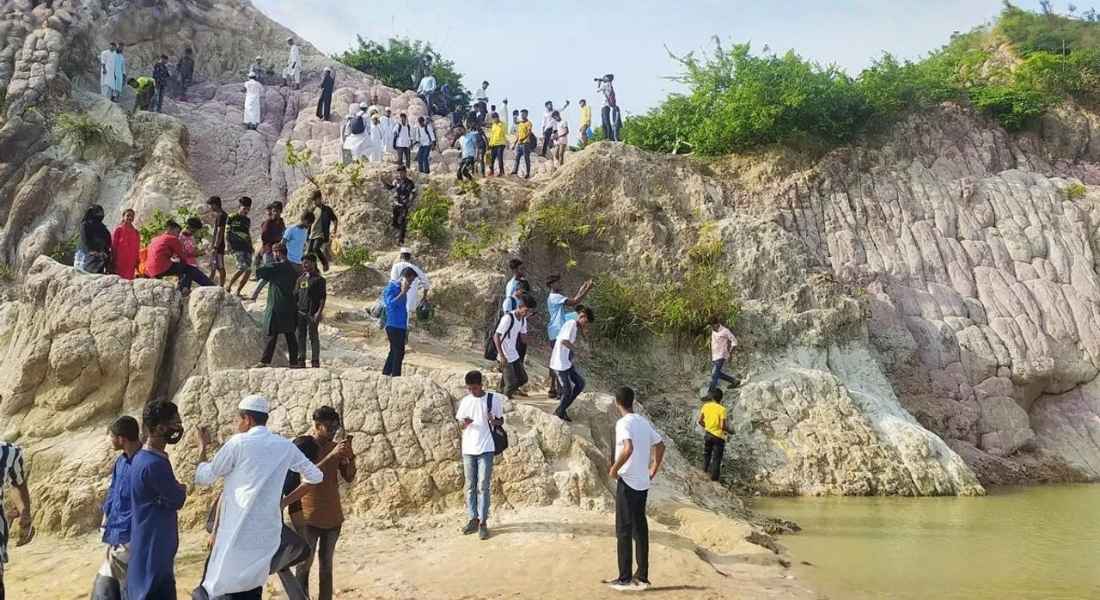 Birishiri sits on the Someshwari River in Netrokona. The drive takes four and a half hours.
The river runs clear over white stone. Hills rise on both sides. Students can wade, swim in safe spots, and hike the riverbank.
The area is home to the Garo community. Homestays let students stay with families and learn local culture.
This is one of the strongest examples of Birishiri eco tourism in the country. Book through a Birishiri homestay for local guides.
Our student tour Birishiri page covers planning details.
Adventure focus: River wading, hill hiking, cultural exchange.
Best for: Grades 9 to 12 and university groups.
2. Madhupur: Forest Trail Adventure
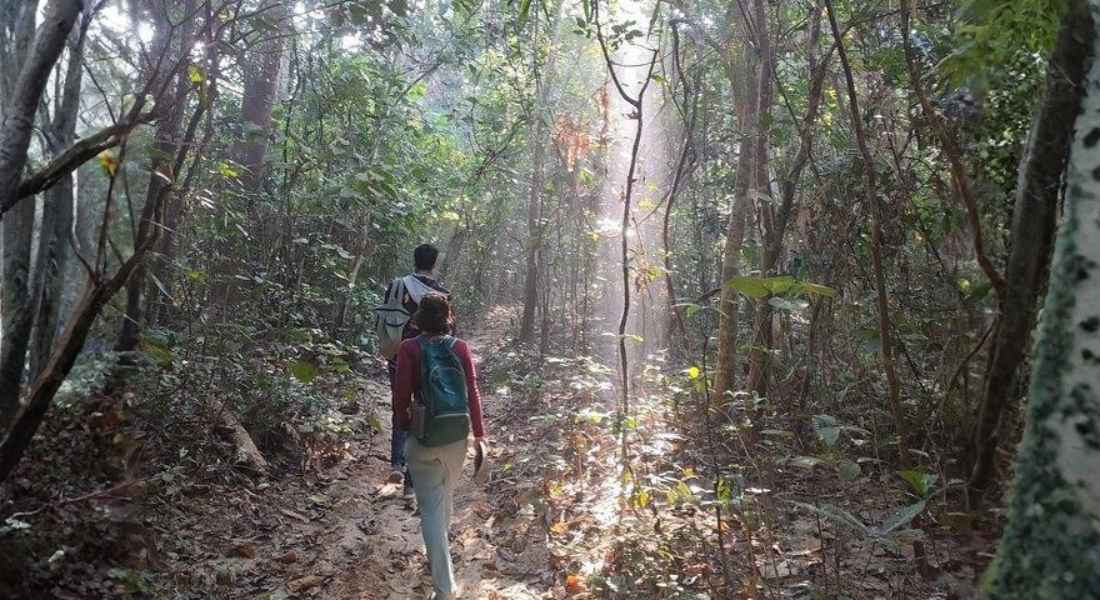
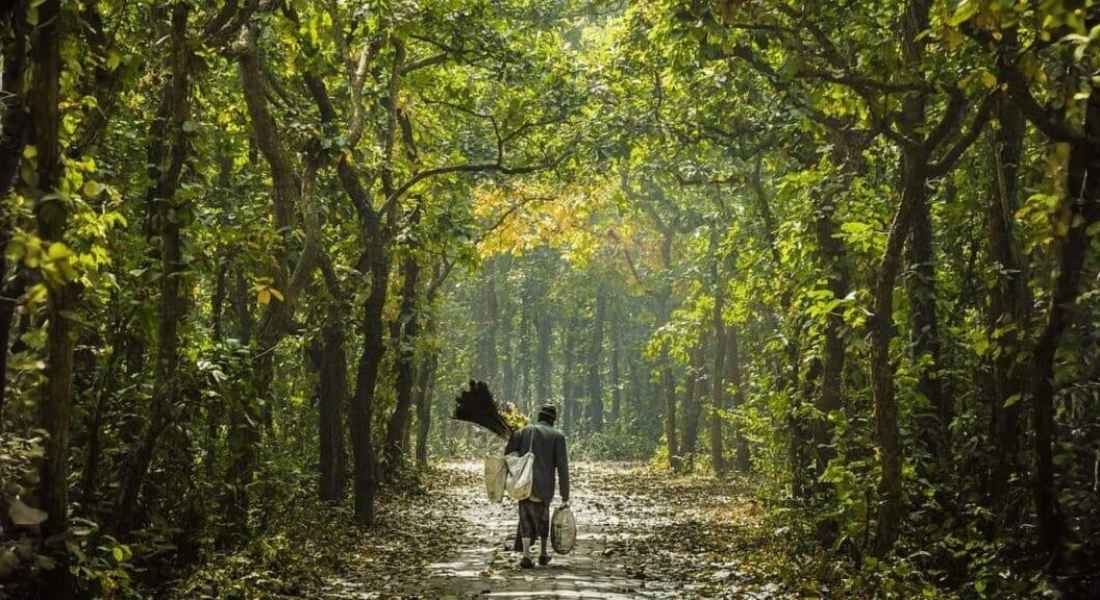 Madhupur Forest is one of the oldest sal forests in South Asia. The Mandi people live in and around it.
Students hike forest trails. They learn ecology on the move. They meet Mandi families and hear about land rights.
The forest is quiet and safe for guided groups. Trails are clear. Local guides know the routes.
Check the Tangail to Madhupur distance before you plan. See our list of Madhupur tourist spots for the forest and Mandi villages.
Adventure focus: Forest hiking, ecology, indigenous culture.
Best for: Grades 8 to 12 and university groups.
3. Sreemangal: Rainforest and Tea Garden Adventure
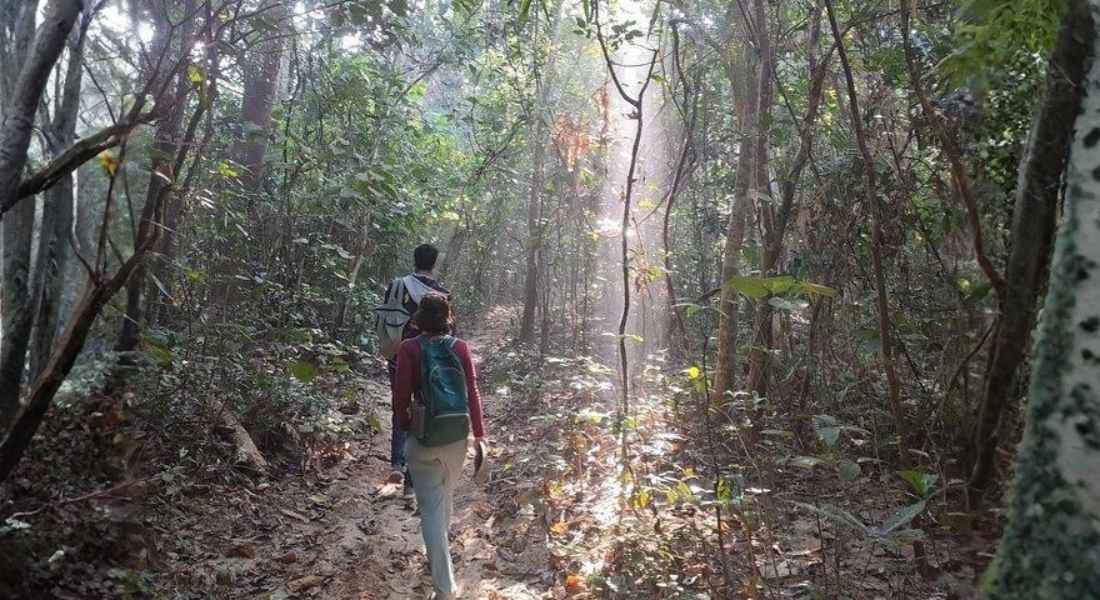 Sreemangal produces most of Bangladesh's tea. The town sits near Lawachara National Park.
Students hike rainforest trails. They spot gibbons, hornbills, and langurs. They walk tea gardens and learn how tea moves from leaf to cup.
Lawachara is safe for guided groups. Trails are marked. Guides know where wildlife appears.
Our Sreemangal itinerary covers two full days. See the Sreemangal tourist attractions guide for details.
Adventure focus: Rainforest hiking, wildlife spotting, agriculture.
Best for: Grades 8 to 12 and university groups.
4. Sundarbans: Boat and Wildlife Adventure
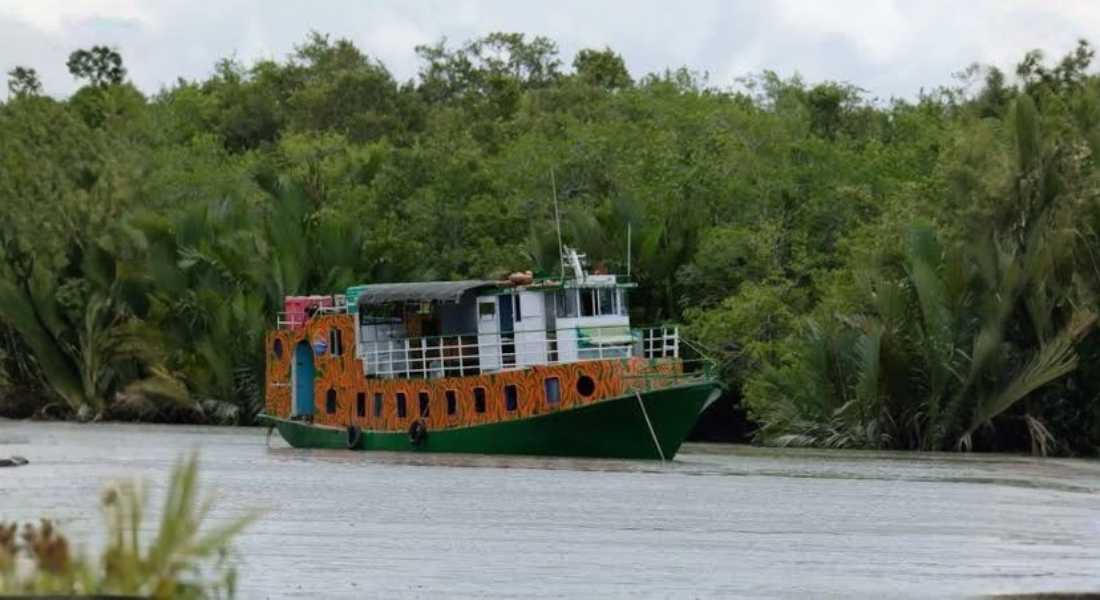 The Sundarbans is the world's largest mangrove forest. UNESCO lists it as a World Heritage Site.
Students travel by boat. They sleep on vessels that anchor at night. They spot deer, monkeys, and birds.
The forest demands respect. Groups stay on boats after dark. Guides carry permits and follow forest department rules.
Read our Sundarban travel package guide. For timing, see the best time to visit Sundarbans page.
Adventure focus: Boat travel, wildlife, mangrove ecology.
Best for: Grades 10 to 12 and university groups.
5. Barishal: River Navigation Adventure
Barishal sits in the middle of Bangladesh's river network. Boats serve as buses here.
Students travel through channels lined with coconut palms and rice fields. They stop at villages. They learn how river life works.
The trip builds teamwork. Groups must plan routes, manage time, and work with boatmen.
Our Barishal river tour guide shows the best routes. For a longer stay, see the full Barishal tour package.
Adventure focus: River travel, village life, navigation.
Best for: Grades 9 to 12 and university groups.
6. Chattogram: Hills and Coast Adventure
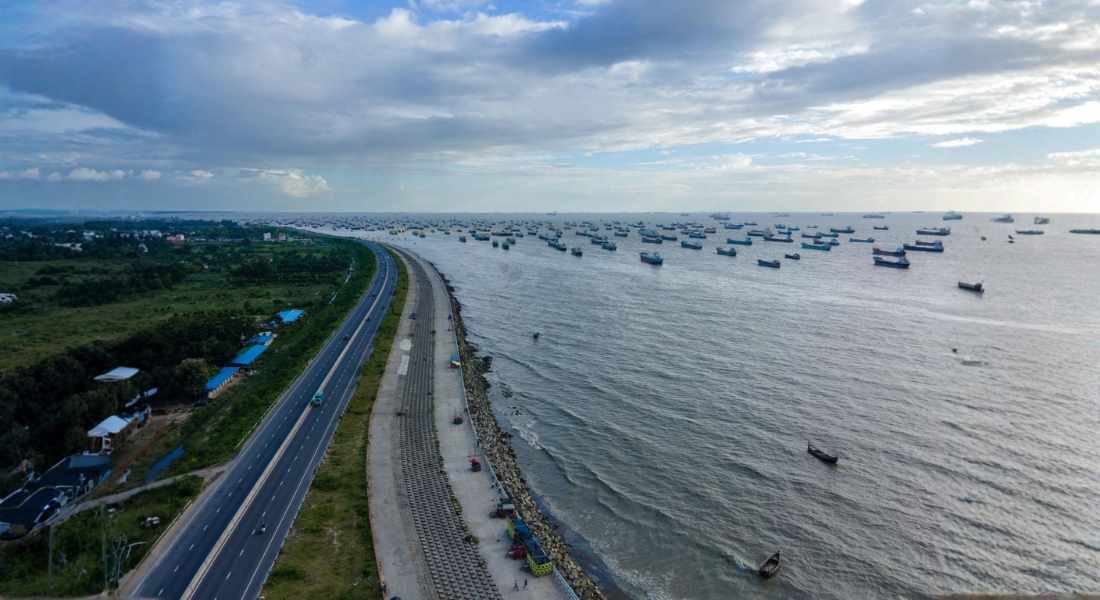 Chattogram is a longer trip. Five hours by road or a short flight.
The region holds hills, beaches, and forest trails. Students can hike, swim, and explore coastal villages.
This works as a three-day trip. It suits groups that want variety.
See our Chattogram tour guide and the things to do in Chattogram list.
Adventure focus: Hill hiking, coastal exploration, cultural sites.
Best for: Grades 10 to 12 and university groups.
How to Plan a Student Adventure Trip
Set a Clear Budget
Costs vary by distance and activity. Set the budget before you book. Parents need clear numbers.
Pick One Destination
A two-day trip allows one region. Three days allows two. Do not try to cover the country.
Check Safety First
Adventure trips carry risk. Manage it with planning.
Choose licensed operators
Confirm guide experience
Check water safety for boat and river trips
Carry a first aid kit
Share the itinerary with parents
Match Activity to Age
Younger students need gentle challenges. Older students can handle longer hikes and boat trips.
Grades 6 to 8: short walks, easy river trips
Grades 9 to 10: forest hikes, boat routes
Grades 11 to 12: longer treks, multi-day trips
Assign Chaperones
One adult per 10 students works. For adventure trips, use one adult per 6 students.
Prepare Students
Brief students before the trip. Teach them local customs. Tell them what to expect. Build fitness if the trip includes long hikes.
Plan Educational Activities
Do not let the trip become only thrill-seeking. Assign tasks. Students can keep field journals, sketch wildlife, or interview locals.
Seasonal Guide for Student Adventure Trips
Winter (November to February): Best weather. All destinations work. Book early.
Spring (March to April): Hot but manageable. Start early. Pahela Baishakh falls in April.
Monsoon (June to September): Rivers fill. Road travel slows. Read our monsoon travel guide.
Autumn (October): Clear skies return. Durga Puja fills the calendar. See our events in Dhaka guide.
Cost Breakdown for Student Adventure Trips
Costs vary by group size and destination.
Tips for Student Adventure Group Travel
Book one vehicle per group. Split the cost evenly.
Set a clear wake-up time. Early starts avoid traffic and heat.
Assign one teacher to handle cash.
Carry small notes. Change is scarce outside cities.
Plan one shared meal per day. Food builds the group.
Keep the itinerary flexible. Students find unexpected lessons.
Carry a first aid kit and emergency contacts.
For university groups, see our university tours in Bangladesh guide. For general student trips, read the student tours in Bangladesh page.
Adventure Trips for Schools and Colleges
Schools and colleges need reliable partners. We work with institutions on routes, transport, guides, and safety. See the group tours in Bangladesh page for options.
Popular school adventure routes:
Birishiri river and hill trip
Madhupur forest hike
Sreemangal rainforest and tea garden trip
Sundarbans boat expedition
Barishal river navigation trip
For campus activities between trips, read the campus activities in Bangladesh guide.
Start With One Trip
You do not need a complex itinerary. Pick one destination. Book one vehicle. Gather your students.
Birishiri offers the best mix of river and culture. Madhupur offers easy forest trails. Sreemangal offers rainforest and wildlife.
Book early. Travel light. Move together.
The best adventure trips for students in Bangladesh happen when students stop reading about the country and start moving through it.
Frequently Asked Questions
What is the best group size for student adventure trips?
15 to 30 works best. You save on transport without losing control.
Are adventure trips safe for students?
Yes, with planning. Use licensed operators. Keep chaperone ratios tight. Check water safety.
How far ahead should schools book?
Two weeks in winter. One week in other seasons.
What should students bring?
Sturdy shoes, a hat, a water bottle, a raincoat, a notebook, and cash for snacks.
Can younger students join adventure trips?
Yes, for gentle options. Keep travel time under two hours and avoid water activities.