Blog
24
Sep
University tours Bangladesh
Best University Tour Destinations in Bangladesh: A Complete Guide
University students learn best outside the classroom. A heritage site teaches more than a slide. A village visit builds more understanding than a lecture.
The problem is planning. Departments face tight budgets. Teachers manage logistics. Students need trips that educate and engage.
University tours Bangladesh solve this. The country offers archaeology, ecology, culture, and history within short distances.
This guide gives you the best destinations, real costs, and planning steps. You finish ready to propose a trip your department will approve.
Why University Tours in Bangladesh Work
Bangladesh packs learning opportunities into small distances. You can reach an ancient monastery, a rainforest, and a river wetland within a day of Dhaka.
Costs stay low. Homestays, local guides, and shared transport fit departmental budgets.
The benefits go beyond cost.
Students see history and ecology firsthand
They meet communities outside their own
They practice fieldwork and observation
They return with research material and stories
For a wider view of student travel, read our guide to student tours in Bangladesh.
Quick Comparison: Best University Tour Destinations
The Best University Tour Destinations in Bangladesh
1. Old Dhaka: History and Architecture
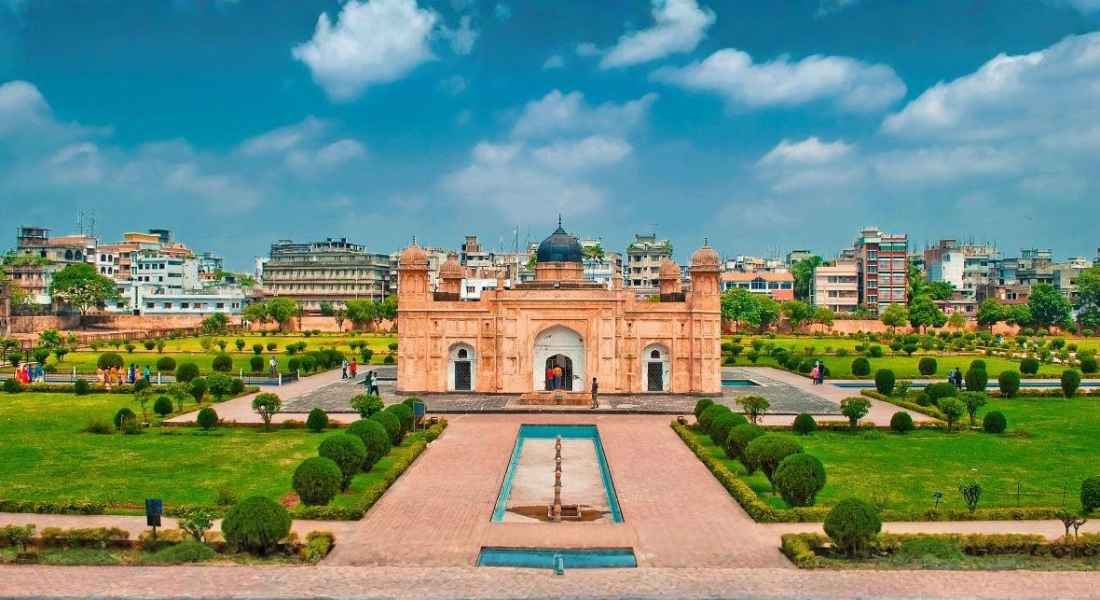
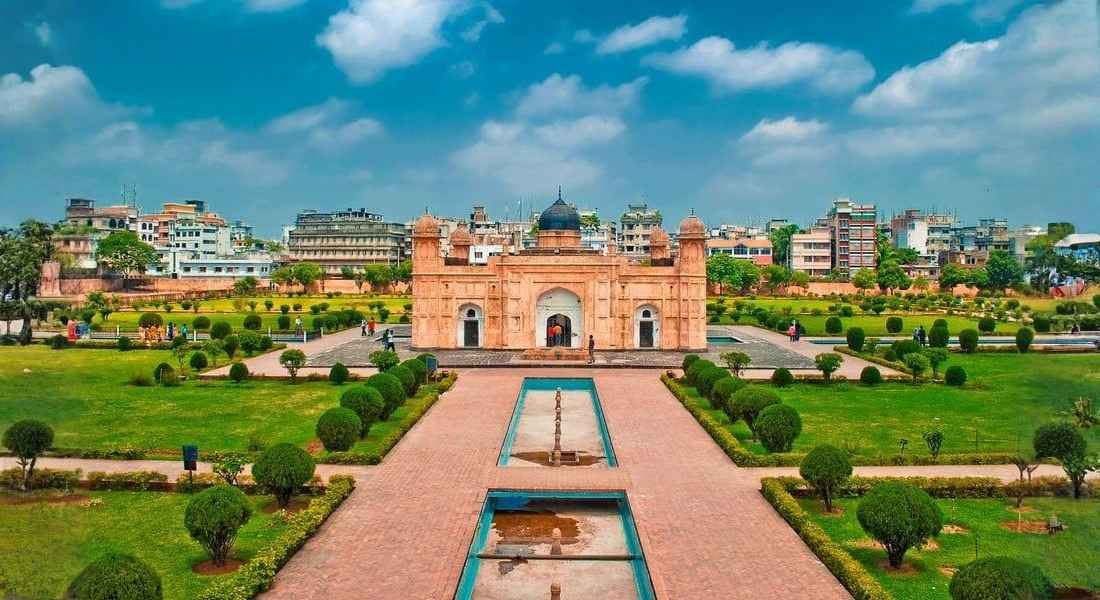
Old Dhaka packs four centuries into a few square kilometers. Mughal forts stand beside merchant houses. Temples sit near mosques.
History and architecture students find this area rich. The streets show layers of Mughal, colonial, and modern building. You can study urban form, religious architecture, and trade history in one day.
Take the Old Dhaka heritage trail early morning. See the best heritage sites in Old Dhaka list. For a guided route, read the Old Dhaka walking tour guide.
Learning focus: Mughal history, colonial architecture, urban development.
Best for: History, architecture, and sociology departments.
Cost: 800 to 1,500 BDT per student.
Tip: Assign students to document specific buildings. Build a shared archive after the trip.
2. Dhamrai: Craft and Religious History
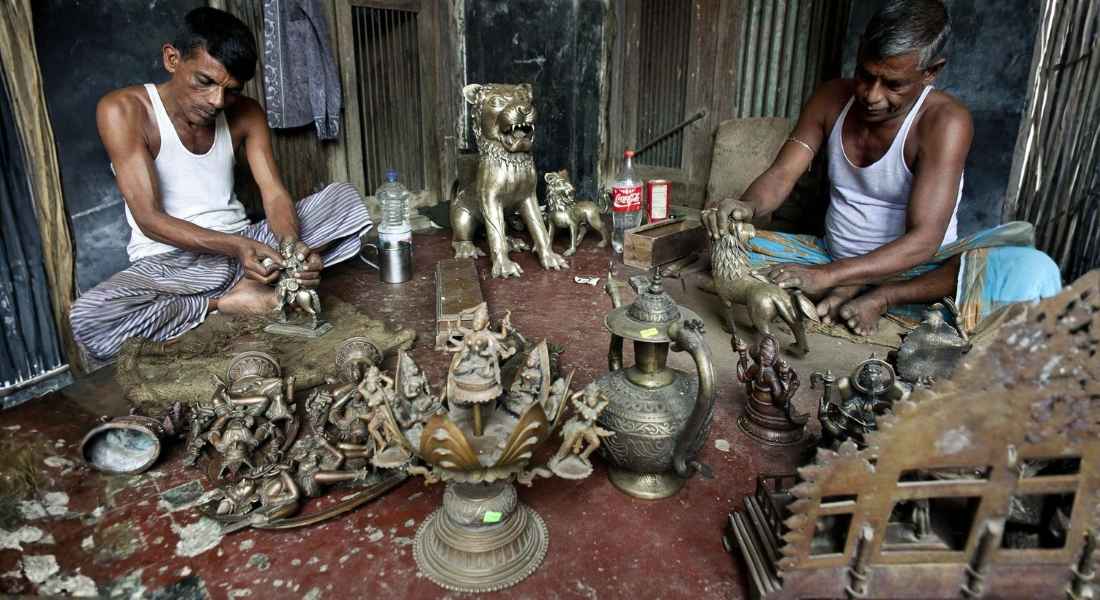
Dhamrai sits northwest of Dhaka. The drive takes two hours.
Artisans here cast brass statues using lost-wax techniques passed down for generations. The town also holds old temples and a Buddhist monastery.
Students can study craft economics, religious practice, and artisan livelihoods in one visit.
See our Dhamrai day trip guide. For the craft workshops, read the Dhamrai heritage tour page.
Learning focus: Craft traditions, religious history, small-scale economics.
Best for: Anthropology, economics, and fine arts departments.
Cost: 1,000 to 2,000 BDT per student.
Tip: Arrange a talk with an artisan before the visit. Students ask better questions with context.
3. Naogaon: Archaeology and Ancient History
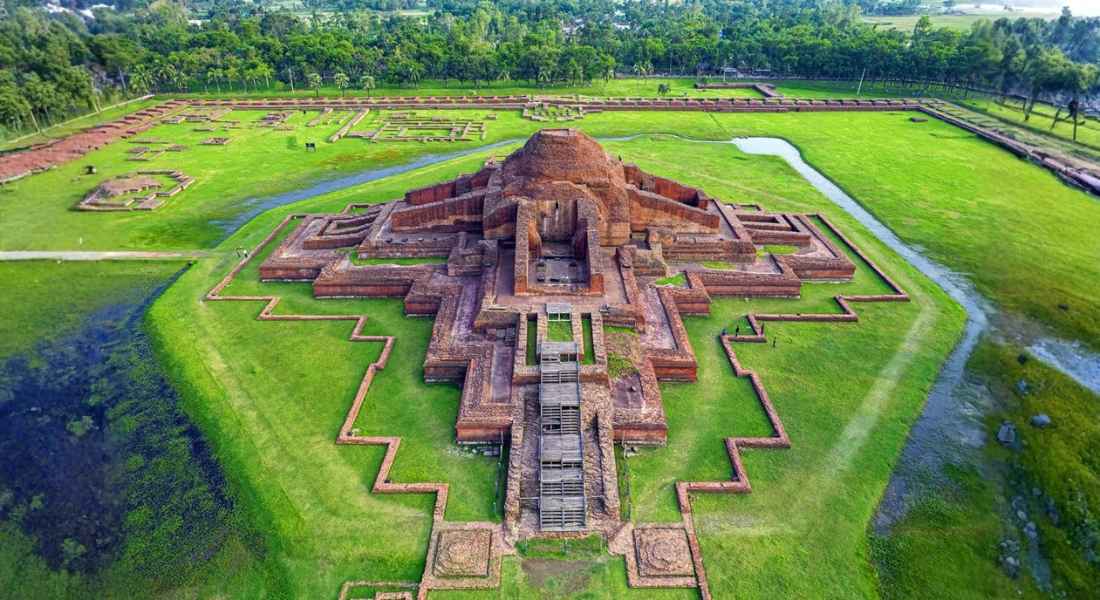
Naogaon holds Paharpur, the largest Buddhist monastery south of the Himalayas. UNESCO listed it as a World Heritage Site in 1985.
King Dharmapala built it in the late 8th century. It covers 70 acres and once housed over 100 monks. Students can examine terracotta plaques that show scenes from daily life over a thousand years ago.
Read our Naogaon archaeological sites guide. For the full route, see the Naogaon heritage tour page.
Learning focus: Buddhist history, archaeology, heritage conservation.
Best for: History, archaeology, and heritage studies departments.
Cost: 3,500 to 6,000 BDT per student.
Tip: Pair the visit with a talk from a local archaeologist or site guide.
4. Sreemangal: Ecology and Agriculture
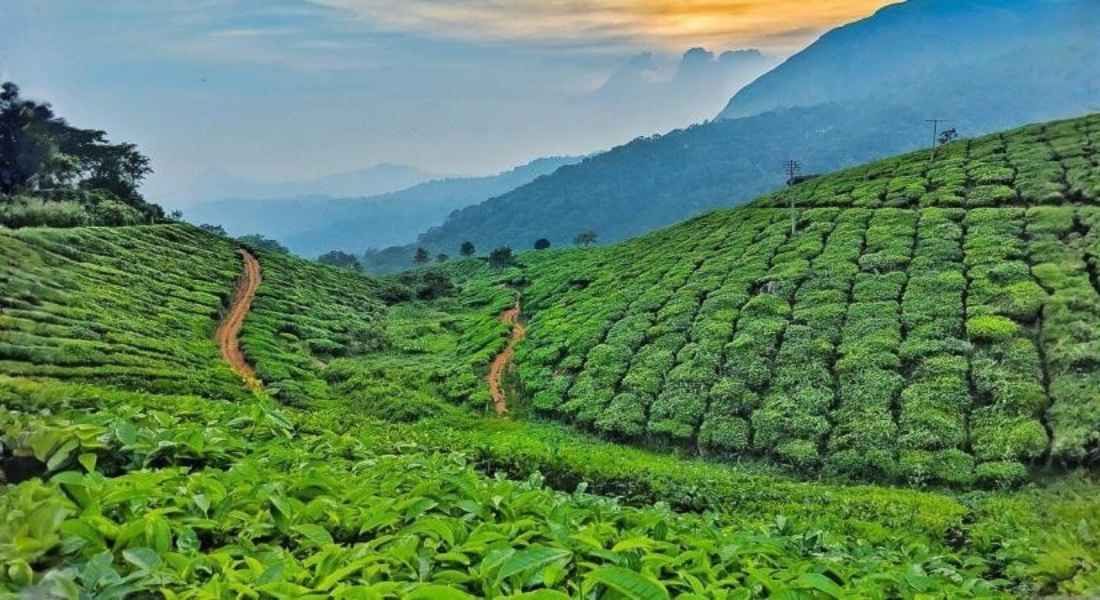
Sreemangal produces most of Bangladesh's tea. The town sits near Lawachara National Park.
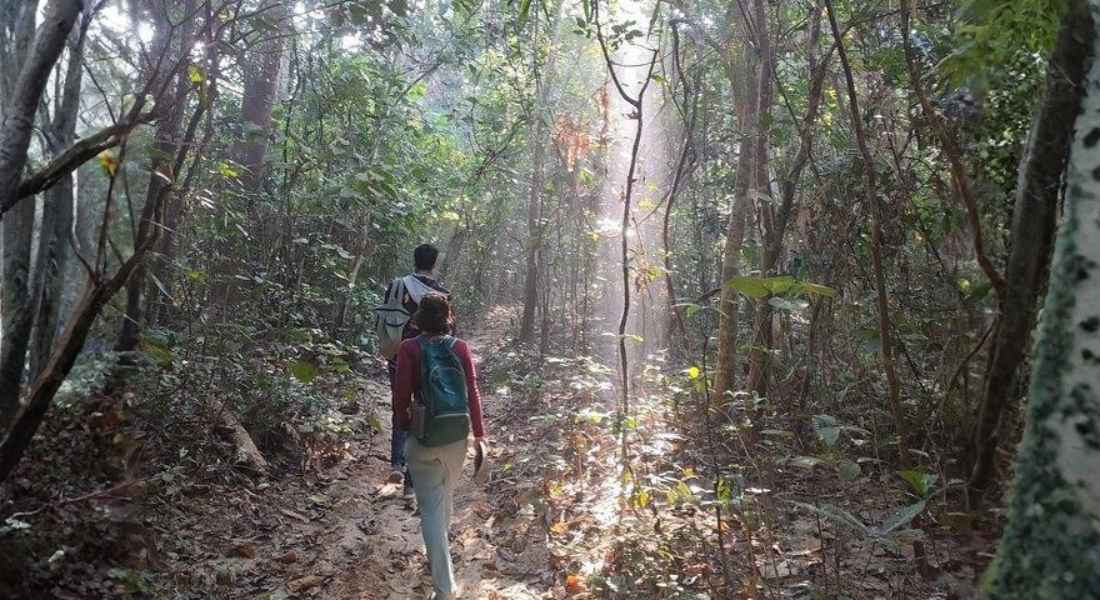
Biology and agriculture students find this area rich. The rainforest protects the endangered hoolock gibbon. The tea estates show plantation agriculture at scale.
Our Sreemangal itinerary covers two full days. See the Sreemangal tourist attractions guide. Check the best time to visit Sreemangal page.
Learning focus: Forest ecology, wildlife, plantation agriculture.
Best for: Biology, environmental science, and agriculture departments.
Cost: 3,000 to 5,000 BDT per student.
Tip: Plan a morning forest walk. Wildlife is most active before 9 AM.
5. Birishiri: Anthropology and Culture
Birishiri sits on the Someshwari River in Netrokona. The Garo community lives here.
The Garo follow a matrilineal system. Land passes from mother to daughter. Their music, dance, and food differ from the Bengali mainstream.
Anthropology and sociology students find this area valuable. Homestays let students stay with families and observe daily life.
See our Birishiri tour guide. Book through a Birishiri homestay for local hosts.
Our student tour Birishiri page covers planning details.
Learning focus: Indigenous culture, kinship systems, community life.
Best for: Anthropology, sociology, and gender studies departments.
Cost: 2,500 to 4,500 BDT per student.
Tip: Brief students on cultural respect before arrival.
6. Sundarbans: Conservation and Ecology
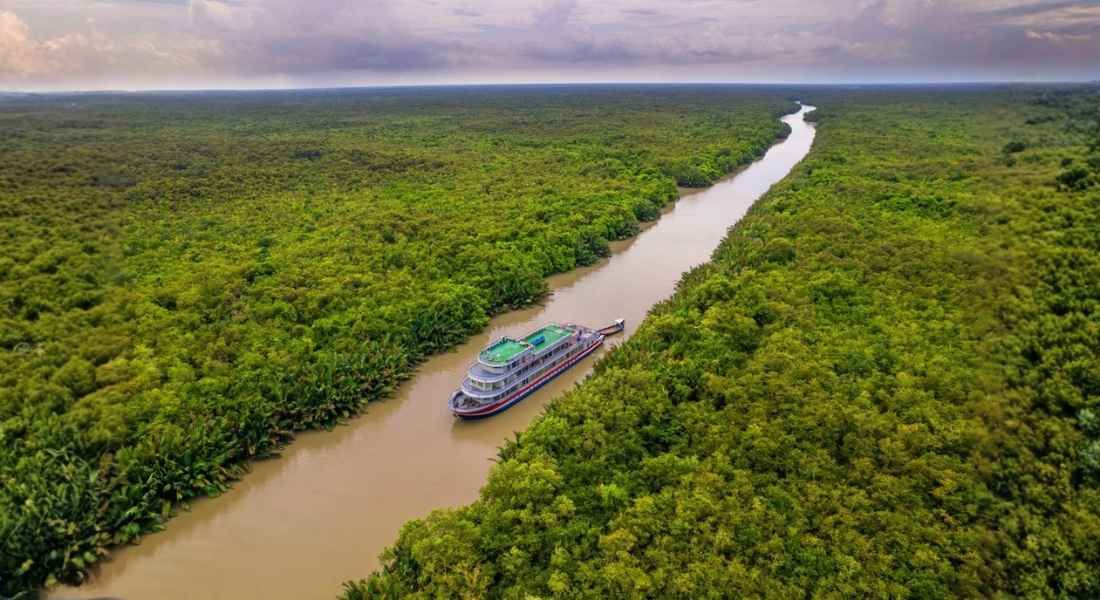
The Sundarbans is the world's largest mangrove forest. UNESCO lists it as a World Heritage Site.
Environmental science students find this area essential. The forest shows coastal protection, biodiversity, and climate adaptation in one place. You can spot deer, monkeys, and birds on boat trips.
This works as a three-day trip. It suits departments that want fieldwork.
Read our Sundarban travel package guide. Check the best time to visit Sundarbans page and Sundarbans travel cost guide.
Learning focus: Mangrove ecology, conservation, climate adaptation.
Best for: Environmental science, geography, and biology departments.
Cost: 6,000 to 10,000 BDT per student.
Tip: Book a licensed operator. Permits are required.
How to Plan a University Tour
Set a Clear Learning Goal
Ask what the trip should teach. Options include fieldwork, cultural observation, or historical study.
Different goals need different destinations. A history trip needs heritage sites. An ecology trip needs forests and wetlands.
Match Destination to Department
Choose sites that fit the curriculum. Do not pick a destination because it is popular.
Set a Clear Budget
Costs vary by distance and activity. Set the budget before you book. Students need clear numbers.
Book Transport Early
Buses book out in peak season. Reserve two weeks ahead for winter trips.
Assign Faculty Chaperones
One faculty member per 15 students works. For fieldwork trips, use one per 10 students.
Prepare Students
Brief students before the trip. Teach them local customs. Assign reading and tasks in advance.
Plan Assessment
Do not let the trip become only sightseeing. Assign reports, journals, or presentations. Students learn more when they know they will be assessed.
Seasonal Guide for University Tours
Winter (November to February): Best weather. All destinations work. Book early.
Spring (March to April): Hot but manageable. Start early. Pahela Baishakh falls in April.
Monsoon (June to September): Rivers fill. Road travel slows. Read our monsoon travel guide.
Autumn (October): Clear skies return. Durga Puja fills the calendar. See our events in Dhaka guide.
Cost Breakdown for University Tours
Costs vary by group size and destination.
Tips for University Group Travel
Book one vehicle per group. Split the cost evenly.
Set a clear wake-up time. Early starts avoid traffic and heat.
Assign one faculty member to handle cash.
Carry small notes. Change is scarce outside cities.
Plan one shared meal per day. Food builds the group.
Keep the itinerary flexible. Students find unexpected lessons.
Carry a first aid kit.
For adventure-focused trips, see our student adventure trips guide. For general student options, read the student trips in Bangladesh page.
University Tours for Different Departments
History and archaeology: Naogaon and Old Dhaka offer the strongest sites. See the North Bengal itinerary for a wider route.
Environmental science: Sreemangal and the Sundarbans offer fieldwork. Read our eco tourism guide for context.
Anthropology and sociology: Birishiri offers cultural immersion. See the community tourism guide for context.
Business and economics: Dhamrai and Old Dhaka show craft economies and trade history.
Start With One Trip
You do not need a complex itinerary. Pick one destination. Book one vehicle. Gather your students.
Old Dhaka offers the easiest start. Naogaon offers the strongest archaeology. Birishiri offers the deepest cultural exchange.
Book early. Prepare students. Move together.
The best university tours in Bangladesh happen when students stop reading about the country and start studying it firsthand.
Frequently Asked Questions
What is the best group size for university tours?
20 to 40 works best. You save on transport without losing control.
Are university tours safe in Bangladesh?
Yes, with planning. Use licensed operators. Keep chaperone ratios tight.
How far ahead should departments book?
Two weeks in winter. One week in other seasons.
What should students bring?
Comfortable shoes, a hat, a water bottle, a notebook, and cash for snacks.
Can first-year students join?
Yes. Choose short trips and simple logistics for younger groups.