Blog
01
Oct
Monsoon travel Bangladesh
Best Places to Visit in Bangladesh During Monsoon: A Complete Guide
Monsoon transforms Bangladesh. Rivers swell. Wetlands fill. The landscape turns deep green.
Yet most travelers avoid this season. They fear rain and flooded roads. They miss the country at its most dramatic.
Monsoon travel Bangladesh solves this. The season runs from June to September.
This guide gives you the best destinations, real costs, and safety steps. You finish ready to plan a trip others overlook.
Why Monsoon Travel in Bangladesh Works
Monsoon is not a reason to stay home. It is a reason to choose the right places.
Three factors make this season worth planning.
Rivers and wetlands reach full volume
Crowds disappear from major sites
Photographers get soft light and green landscapes
Rain falls in bursts, not all day. Mornings often stay clear. You can plan around the weather.
The season also brings boat travel to its peak. Routes that dry up in winter become navigable. You see parts of the country that stay hidden most of the year.
For a wider view of travel timing, read our guide to winter travel in Bangladesh.
Quick Comparison: Best Monsoon Destinations
The Best Places to Visit in Bangladesh During Monsoon
1. Ratargul: The Swamp Forest
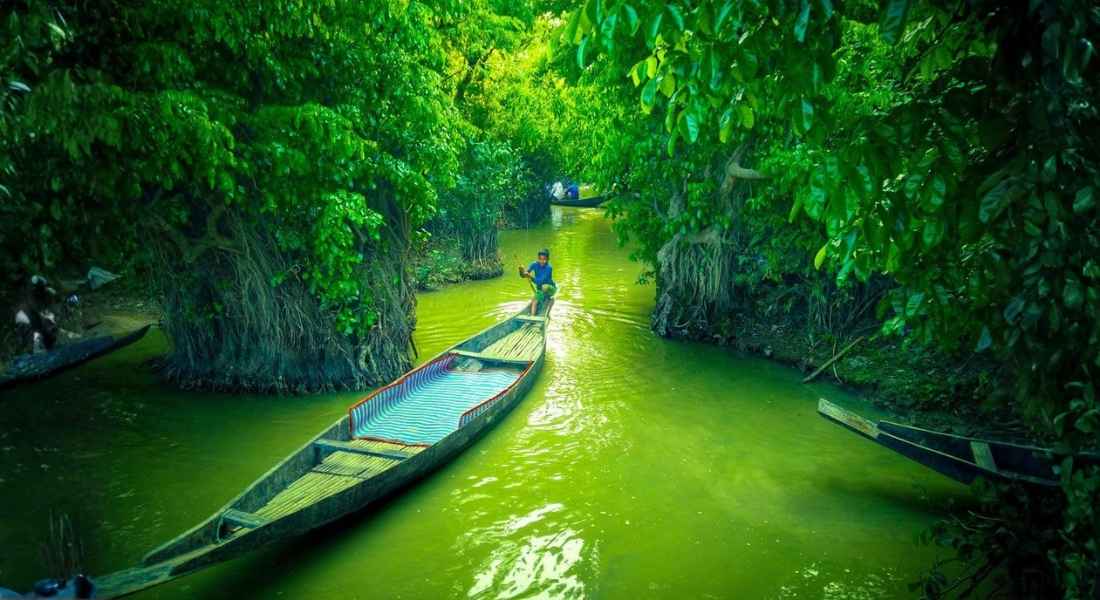 Ratargul is one of the few freshwater swamp forests in the world. It sits near Sylhet city.
Monsoon is the only time to see it properly. Trees stand in waist-deep water. You row through them by boat.
The forest is small. It gets crowded on holidays. Go early morning on a weekday.
Read our guide to the Sylhet tour itinerary for routes. Check the top tourist places in Sylhet list. See the best time to visit Sylhet page.
Best for: Photographers and boat travelers.
Cost: 2,500 to 5,000 BDT per day.
Tip: Wear quick-dry clothing. You will get wet.
2. Tanguar Haor: The Inland Sea
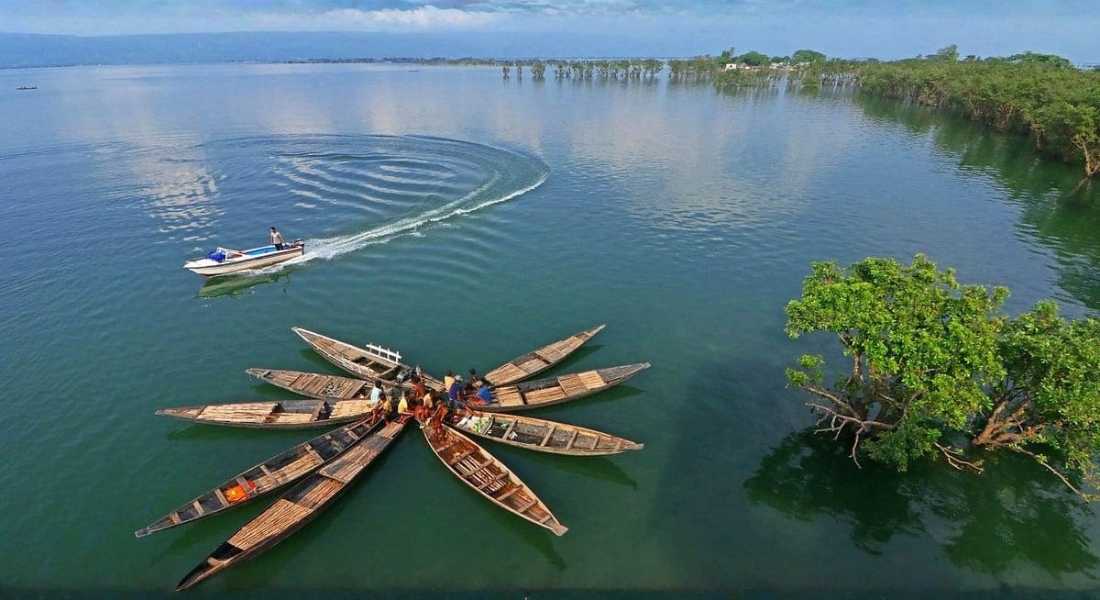
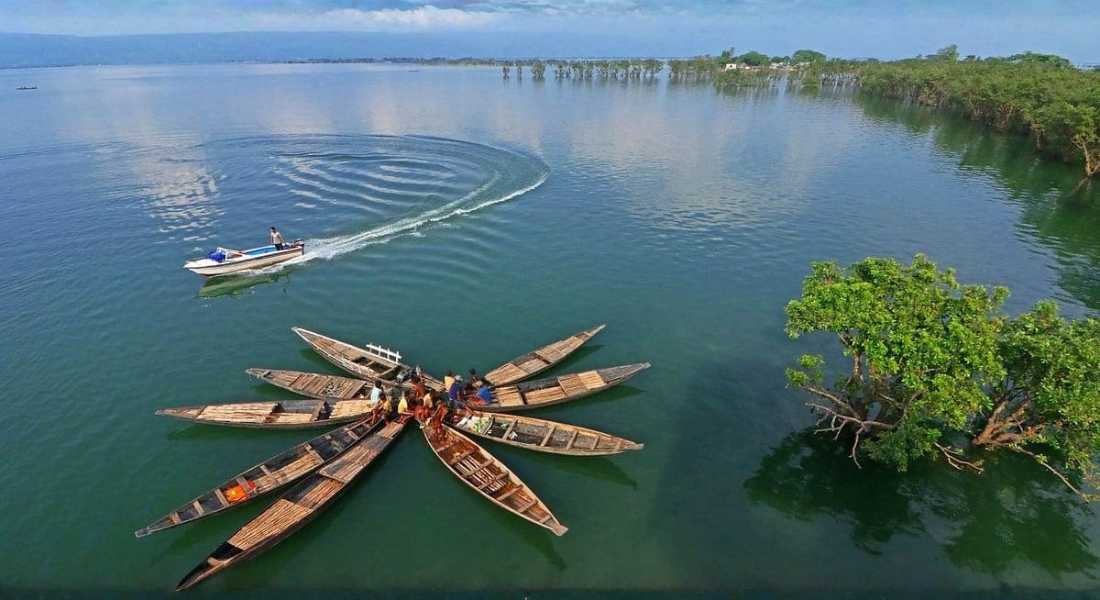 Tanguar Haor is a vast wetland in Sunamganj. It floods each monsoon and becomes an inland sea.
Villages become islands. Local boats carry you between them. The area is a Ramsar site and hosts migratory birds in winter.
Monsoon brings the flooded landscape. Winter brings the birds. Choose based on what you want to see.
See our guide to Barishal river tour for similar boat experiences. For the wider region, read our Sylhet tour package page.
Best for: Slow travel and wetland scenery.
Cost: 3,000 to 6,000 BDT per day.
Tip: Book a local boatman. They know the safe channels.
3. Barishal: River Navigation Season
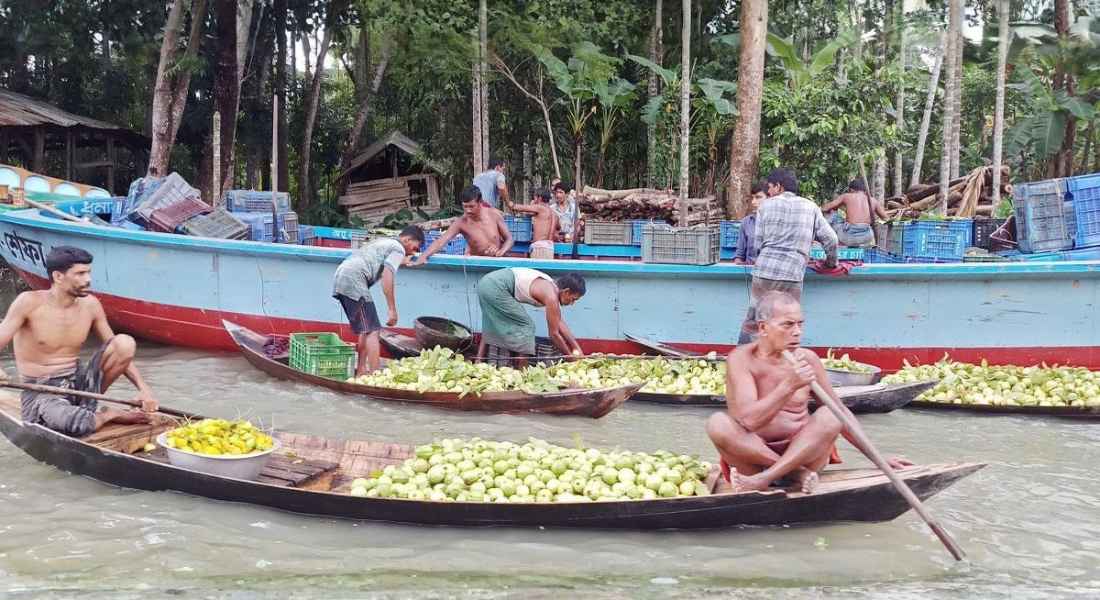 Barishal sits in the middle of Bangladesh's river network. Boats serve as buses here.
Monsoon fills the channels. You can travel for hours through routes that dry up in winter. Villages sit on the water. Life moves by boat.
This is the best season for river travel. Hire a small boat with a local boatman. Stop at villages. Buy fruit from a floating market.
Our Barishal river tour guide shows the best routes. For a longer stay, see the full Barishal tour package.
Best for: Slow travel and river life.
Cost: 2,500 to 5,000 BDT per day.
Tip: Carry a raincoat. Showers come fast and pass quickly.
4. Sreemangal: Tea Gardens in Rain
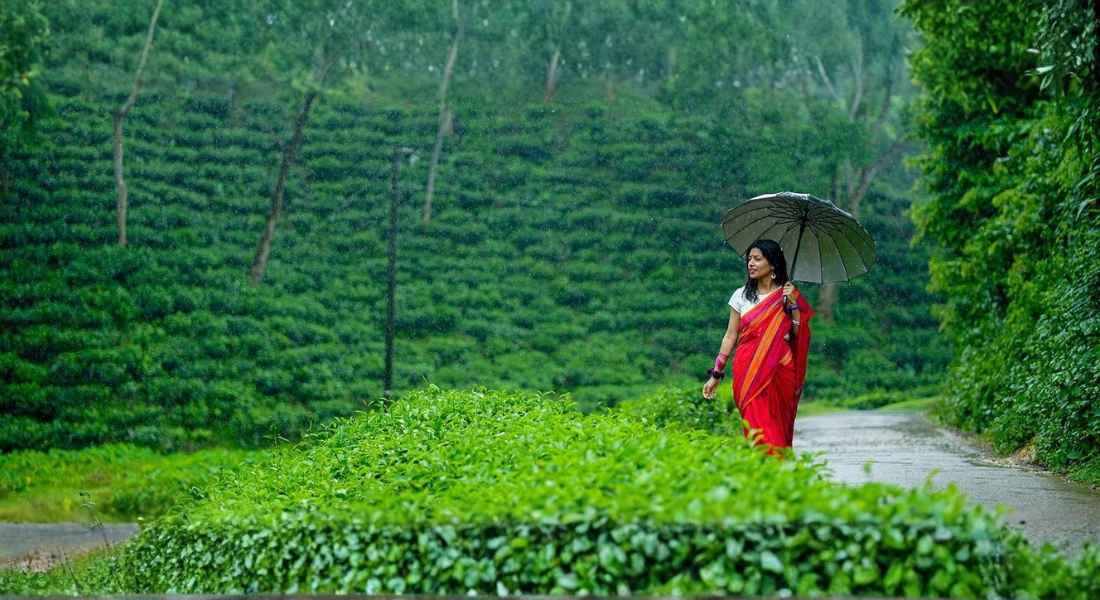 Sreemangal produces most of Bangladesh's tea. The town sits near Lawachara National Park.
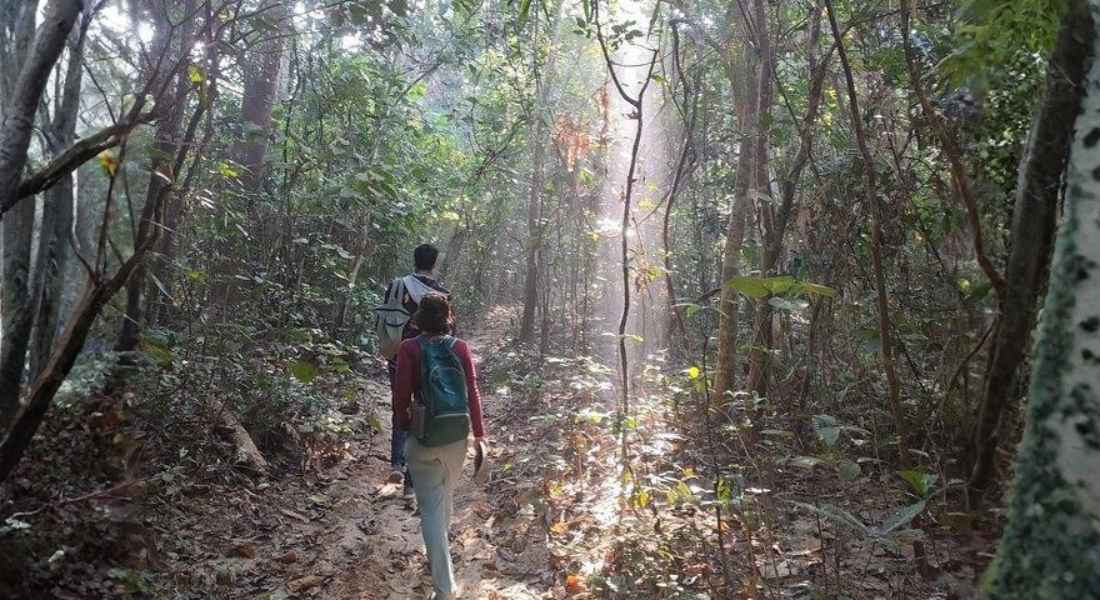
Monsoon turns the gardens deep green. Rain falls in bursts. Trails stay muddy but passable.
Wildlife spotting drops in heavy rain. But the landscape makes up for it. Photographers get soft light and rich color.
Our Sreemangal itinerary covers two full days. See the Sreemangal tourist attractions guide.
Best for: Photographers and tea lovers.
Cost: 2,500 to 5,000 BDT per day.
Tip: Bring waterproof boots. Trails turn to mud.
5. Sundarbans: Mangrove Boat Season
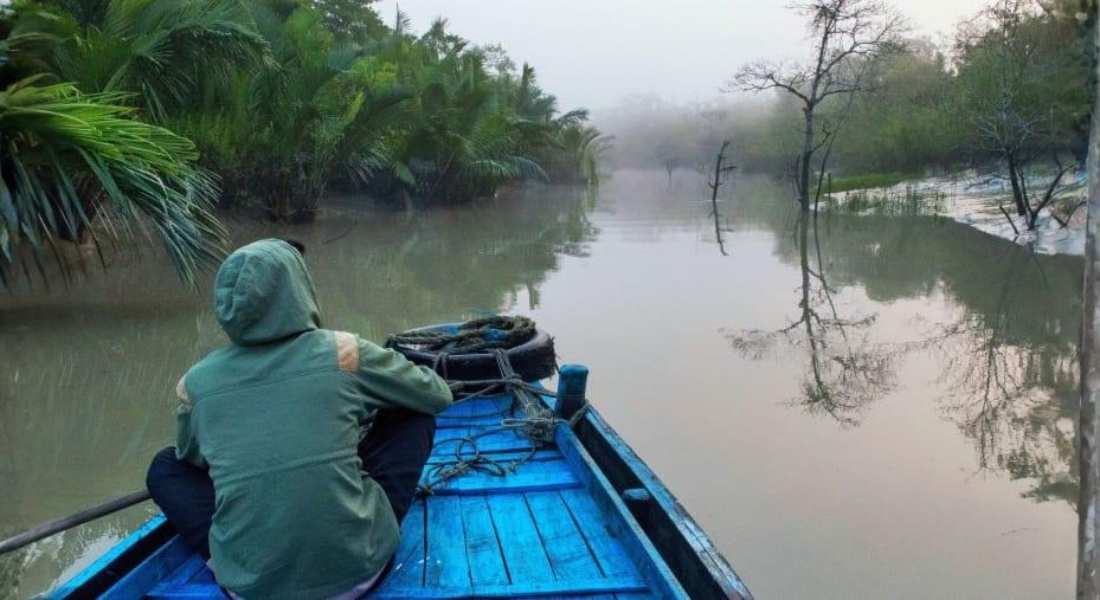 The Sundarbans is the world's largest mangrove forest. UNESCO lists it as a World Heritage Site.
Monsoon brings heavy rain and choppy water. Some areas close to visitors. But boat trips continue on safe routes.
The forest feels different in rain. Mist hangs over the trees. Wildlife stays hidden. You travel for the atmosphere, not the sightings.
Read our Sundarban travel package guide. Check the best time to visit Sundarbans page for seasonal details.
Best for: Travelers who want solitude.
Cost: 3,000 to 6,000 BDT per day.
Tip: Check weather forecasts. Avoid travel during storms.
6. Birishiri: River and Hills
Birishiri sits on the Someshwari River in Netrokona. The Garo community lives here.
Monsoon fills the river. The water runs fast over white stone. Hills turn green.
Homestays stay open through the season. You can walk riverbanks and visit Garo villages. Rain limits some activities but adds atmosphere.
See our Birishiri tour guide. Book a Birishiri homestay for local hosts.
Best for: Culture seekers and photographers.
Cost: 2,000 to 4,000 BDT per day.
Tip: Check river levels before planning water activities.
Monsoon vs Winter: Which Season Fits You
Choose monsoon for rivers and solitude. Choose winter for wildlife and comfort.
How to Plan Your Monsoon Trip
Check the Forecast
Weather changes fast. Check forecasts before you travel. Avoid storm days.
Pick the Right Destination
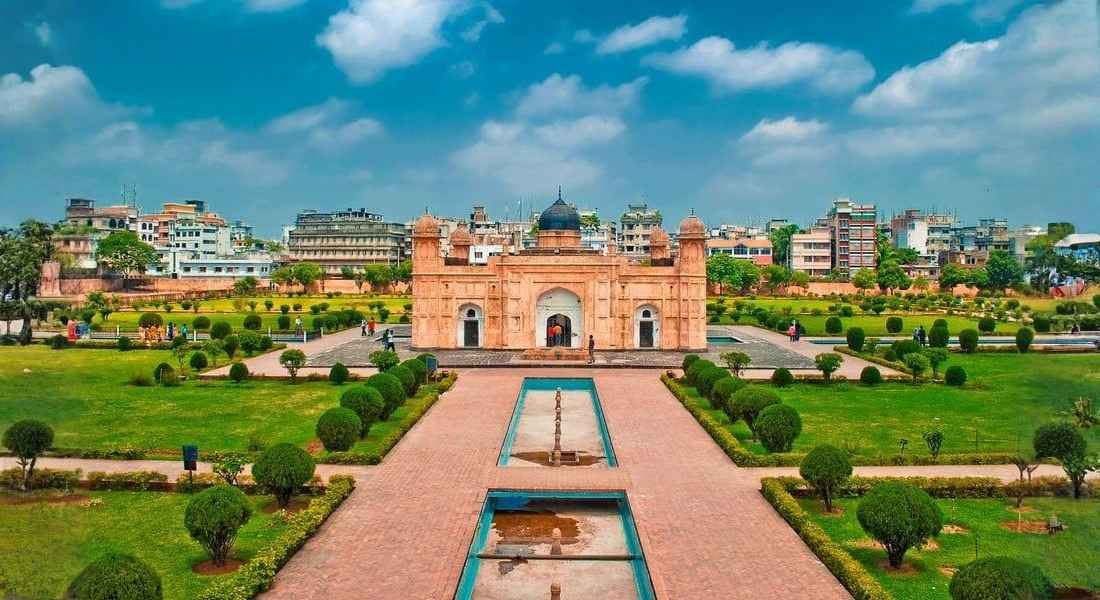
River and wetland areas work best. Hill and forest areas get muddy. Heritage sites stay accessible.
Book Flexible Accommodation
Rain can delay travel. Book places that allow date changes.
Pack for Rain
You will get wet. Pack accordingly.
Quick-dry clothing
Waterproof sandals or boots
Raincoat or umbrella
Dry bag for electronics
Extra socks
Plan Around Mornings
Rain often falls in afternoon. Start early. Finish activities by midday.
Hire Local Guides
Local guides know the safe routes. They read the weather. They avoid flooded roads.
Carry Cash
ATMs are rare outside cities. Rain can knock out power. Carry enough cash for your trip.
Seasonal Guide for Monsoon Travel
June: Season begins. Rivers rise. Rain is moderate.
July: Peak rainfall. Rivers reach full volume. Some roads flood.
August: Continued rain. Wetlands stay full. Travel slows.
September: Rain eases. Rivers stay high. Skies begin to clear.
Read our guide to winter travel in Bangladesh for the opposite season.
Cost Breakdown for Monsoon Travel
Costs vary by destination and group size.
Tips for Monsoon Travel in Bangladesh
Carry cash. Power outages affect ATMs.
Pack electronics in dry bags.
Wear quick-dry clothing.
Start early. Rain often comes in afternoon.
Book flexible accommodation.
Avoid travel during storms.
Hire local guides who know safe routes.
Carry a first aid kit.
For weekend options near the capital, see our list of weekend trips from Dhaka. For one-day options, read our day trips from Dhaka guide.
Monsoon Travel for Groups and Families
Monsoon works for families who plan well. Choose short trips and indoor options. See our family tours in Bangladesh guide.
Couples can plan quiet stays in tea gardens and river towns. Read our couple tours guide.
Student groups should avoid peak monsoon. See our student tours in Bangladesh page.
Corporate groups can combine indoor retreats with short boat trips. See our corporate tours in Bangladesh guide.
Start Planning Your Monsoon Trip
Monsoon offers something rare. You can travel through flooded landscapes and quiet rivers. You can see the country at full volume.
Pick one destination. Check the forecast. Pack for rain. Travel slow.
Ratargul offers swamp forest boats. Barishal offers river navigation. Tanguar Haor offers inland sea views.
The best places to visit in Bangladesh during monsoon are waiting. Plan your trip before the season ends.
Frequently Asked Questions
When is monsoon in Bangladesh?
June to September. July and August bring the heaviest rain.
Is monsoon a good time to visit Bangladesh?
Yes, for river and wetland travel. Avoid it if you want wildlife or easy road travel.
What should I pack for monsoon travel?
Quick-dry clothing, waterproof footwear, a raincoat, dry bags, and extra socks.
Can I visit the Sundarbans in monsoon?
Yes, on safe routes. Some areas close. Check forecasts and book with a licensed operator.
Are roads safe during monsoon?
Mostly yes, but some flood. Travel in daylight and hire local drivers.