Blog
15
Oct
Full moon festival Bangladesh
Full Moon Festival Bangladesh: Your Guide to Purnima Celebrations
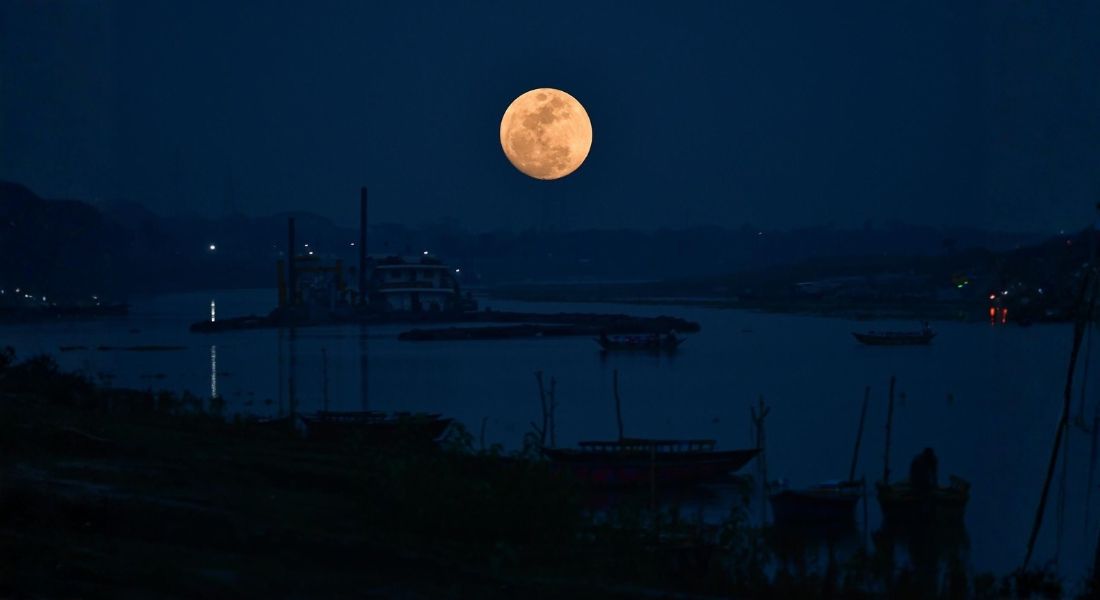
The full moon festival Bangladesh celebrates lunar cycles with rituals, fairs, and community gatherings. Many travelers miss these events because dates shift each year.
You need a clear calendar and local knowledge to plan around them. This guide solves that problem.
You will learn which full moon events matter most, where they happen, and how to build a trip around them.
What Is the Full Moon Festival Bangladesh?
The full moon festival Bangladesh refers to celebrations tied to Purnima. Purnima means full moon day in Bengali.
Different communities observe it in different ways. Hindus perform religious rituals. Buddhists mark spiritual occasions. Folk traditions add fairs and music.
The dates follow the lunar calendar. Each month has one Purnima. Some months carry bigger celebrations than others.
You will find full moon events across the country. The most notable happen at Buddhist sites, Hindu temples, and folk festival grounds.
Why the Full Moon Matters in Bangladesh
The moon shapes rural life here. Farmers plant and harvest by lunar phases. Fishermen time their trips to tides. Religious communities mark holy days by the moon.
This connection makes Purnima more than a date. It anchors community life.
Three reasons the full moon matters:
Religious observance draws devotees to temples and monasteries
Folk fairs open on Purnima nights
Cultural programs feature music, dance, and storytelling
Foreign visitors rarely plan around these dates. That leaves the events uncrowded and authentic.
Major Full Moon Events Bangladesh Travelers Should Know
Several full moon events Bangladesh hosts each year draw visitors. Each offers a different experience.
Buddha Purnima marks the Buddha's birth, enlightenment, and death. It is the biggest Buddhist festival in Bangladesh. Monasteries in Dhaka, Chattogram, and the Chittagong Hill Tracts hold prayers and processions.
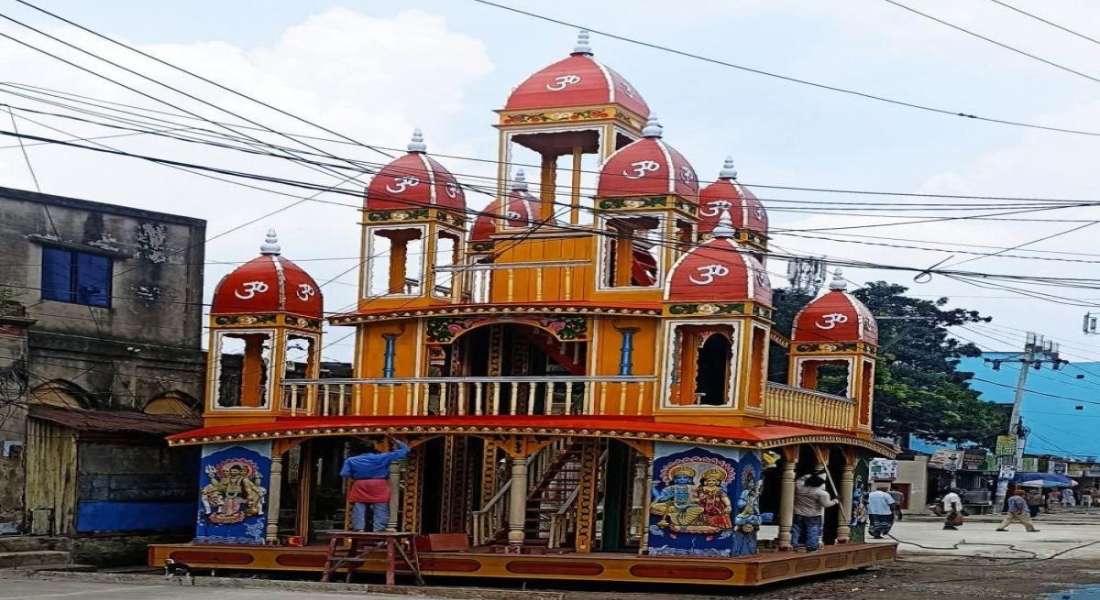
Rash Mela brings chariot processions to rural towns. The Rash Mela celebration draws crowds for fairs and devotional music.
Falgun Purnima overlaps with the Bonbibi festival in the Sundarbans. Forest communities honor their guardian goddess on this night.
Buddha Purnima: The Biggest Full Moon Celebration
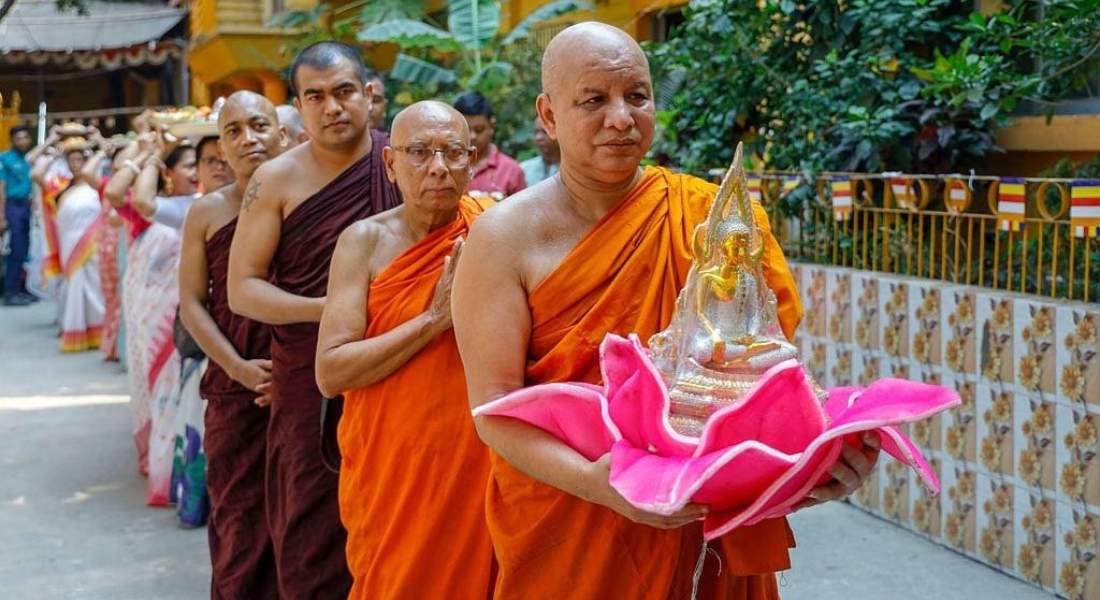 Buddha Purnima is the most widely observed full moon festival Bangladesh hosts. It falls on the full moon of the Bengali month of Baishakh.
What you will see:
Morning prayers at monasteries
Processions carrying Buddha statues
Alms giving to monks
Cultural programs in the evening
Lights and decorations at temples
Where to go:
Dhaka's Dharmarajika Monastery hosts large gatherings. Chattogram's Buddhist temples draw devotees from across the region. The Chittagong Hill Tracts offer the most traditional experience.
Bandarban and Rangamati hold celebrations that blend Buddhist and indigenous traditions. These areas reward travelers who want deeper cultural immersion.
Explore the Chattogram cultural tour options if you want to combine Buddha Purnima with regional travel.
Rash Mela: Folk Celebration Under the Full Moon
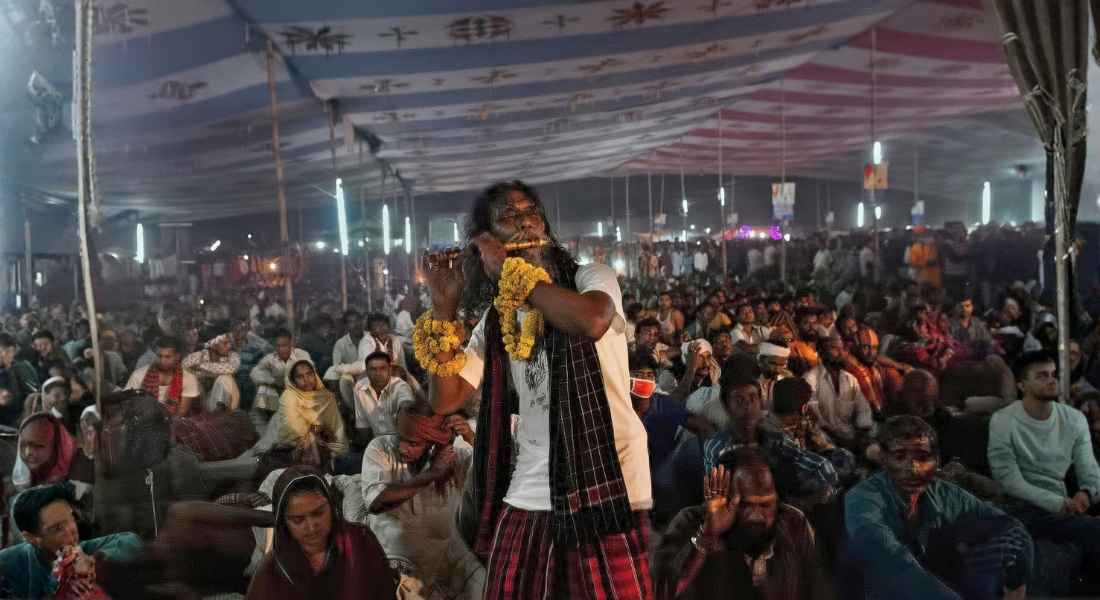 Rash Mela happens on Kartik Purnima. It celebrates the moon and the harvest season.
The festival takes different forms across Bangladesh. In some towns, it features chariot processions. In others, it centers on fairs and folk performances.
What makes Rash Mela special:
Temporary fairs with local crafts and food
Folk music and theater performances
Chariot processions carrying deities
Community feasts
The Rash Mela festival brings rural communities together. You will not find this atmosphere in Dhaka.
Villages in Tangail, Mymensingh, and Sylhet host notable celebrations. These areas offer easy access from the capital.
Full Moon Celebrations at Buddhist Sites
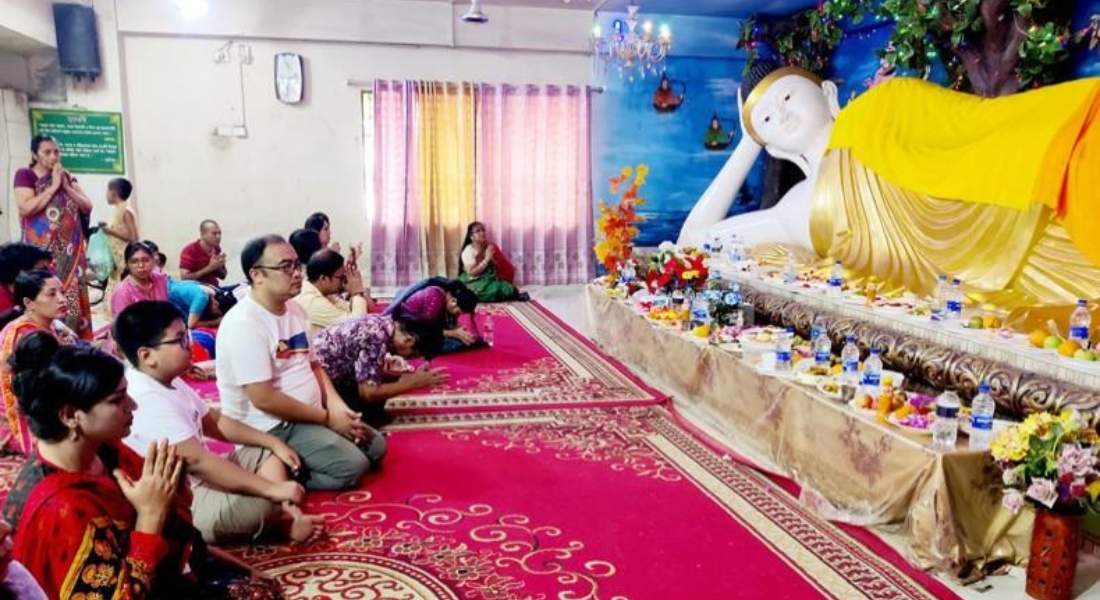 Buddhist communities observe several Purnima days each year. Each carries spiritual meaning.
Maghi Purnima honors the Buddha's first sermon. Monks lead prayers. Devotees offer food and robes.
Vesak falls on Buddha Purnima. It marks the three key events of the Buddha's life.
Ashari Purnima commemorates the Buddha's first teaching. It falls in July.
Monasteries in the Chittagong Hill Tracts hold these observances with traditional rituals. You can witness them if you visit respectfully.
The Birishiri tour offers access to indigenous communities in the region. Their Buddhist traditions blend with local customs.
Folk Traditions and the Full Moon
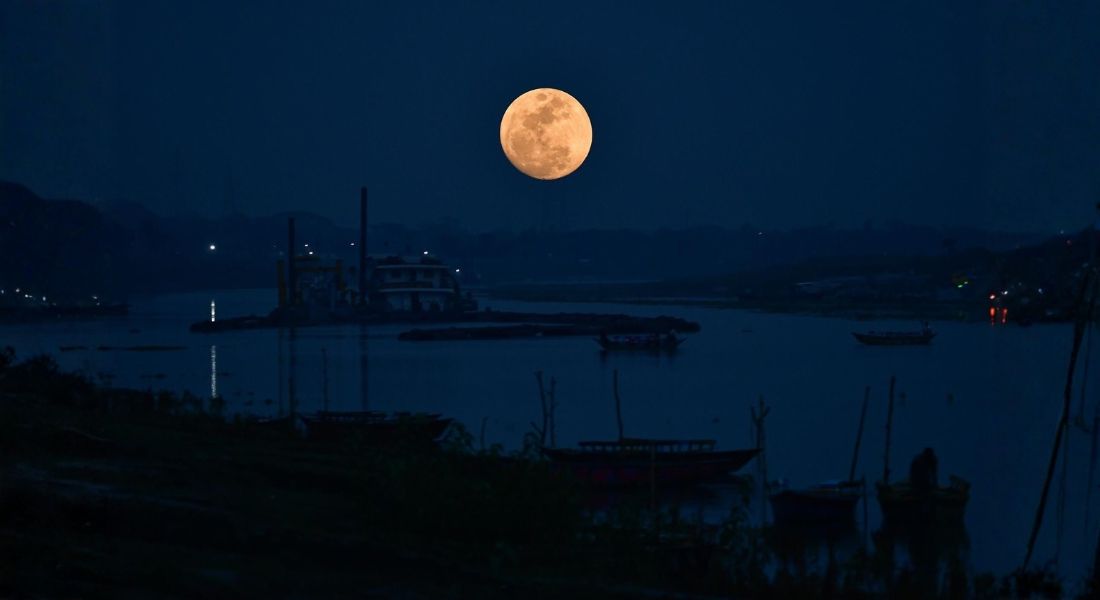 The full moon shapes folk culture beyond religion. Rural communities hold fairs and gatherings on Purnima nights.
Common folk practices:
Night markets opening at dusk
Baul singers performing under the moon
Storytelling sessions for children
Community dances in village squares
These events rarely appear in tourist guides. You learn about them through local contacts or by visiting during festival season.
The Lalon festival honors the mystic poet and often features full moon performances. It draws Baul singers from across the region.
Planning Your Trip Around Full Moon Events
The lunar calendar shifts each year. Planning requires flexibility.
Step 1: Check the calendar
Bengali Purnima dates vary by year. Consult a Bengali calendar or local religious authorities for accurate dates.
Step 2: Choose your event
Buddha Purnima suits travelers interested in Buddhist culture. Rash Mela suits those wanting folk traditions. Bonbibi suits nature and forest lovers.
Step 3: Book transport early
Full moon events draw domestic visitors. Buses and trains fill up. Book tickets at least two weeks ahead.
Step 4: Arrange accommodation
Hotels near major temples and monasteries fill quickly. Smaller towns have limited options. Consider staying in nearby cities and traveling in.
Sample Itinerary: Buddha Purnima in Chattogram
This three-day itinerary covers the main Buddha Purnima celebrations.
Day 1: Arrive in Chattogram
Travel from Dhaka by bus or train. Check into your hotel. Visit the local Buddhist temple in the evening.
Day 2: Full moon day
Start early. Attend morning prayers at a monastery. Observe the procession. Join the evening cultural program.
Day 3: Explore the region
Visit nearby heritage sites. The Chattogram heritage tour covers the area's history. Return to Dhaka in the evening.
Extend your trip with a Chattogram tour package that includes multiple destinations.
What to Bring and How to Behave
Full moon festivals are religious events. Preparation and respect matter.
What to bring:
Modest clothing that covers shoulders and knees
Shoes you can remove easily
Cash for offerings and donations
A flashlight for evening events
mosquito repellent
How to behave:
Remove shoes before entering temples
Do not turn your back to Buddha statues
Ask before taking photos
Accept blessed food with your right hand
Keep voices low during prayers
Locals welcome respectful visitors. They notice when you make an effort.
Beyond the Full Moon: Other Cultural Experiences
The full moon festival Bangladesh connects to broader cultural traditions. Exploring related events deepens your understanding.
The Nobanno festival celebrates the rice harvest. It brings rural communities together in winter.
The Nouka Baich boat races happen on rivers across the country. They often coincide with lunar festivals.
The Durga Puja tour offers another window into Hindu traditions. It happens in autumn.
Exploring these events builds a fuller picture of Bangladeshi culture. Each festival connects to the lunar calendar in its own way.
Practical Tips for Full Moon Travel
Traveling during full moon festivals requires some planning. These tips help.
Weather matters:
Full moon events happen year-round. Check the monsoon travel guide if your event falls in rainy months. Winter offers the most comfortable conditions.
Transport:
Buses and trains are the main options. Book ahead during festival season. Ride-sharing works in cities but not rural areas.
Money:
Bring cash. ATMs are scarce in small towns. Mobile banking works but requires a local account.
Language:
English is limited outside Dhaka and Chattogram. Learn basic Bengali phrases or arrange a local guide.
Safety:
Full moon events draw crowds. Keep valuables secure. Stay aware of your surroundings. Follow local advice about safe areas.
Full Moon Festival Bangladesh: Final Thoughts
The full moon festival Bangladesh offers something rare. It connects you to traditions that follow nature's rhythms.
Buddha Purnima draws you into Buddhist communities. Rash Mela shows you rural folk culture. Bonbibi connects you to the Sundarbans.
Each event rewards travelers who plan ahead and show respect.
Check the lunar calendar. Choose your event. Book early.
The full moon rises over Bangladesh many times each year. Will you be there to see it?