Blog
05
Aug
Munshiganj heritage tour
Munshiganj Heritage Tour: Historical Places to Visit in Munshiganj
Introduction
A Munshiganj heritage tour offers a chance to explore Bangladesh’s history beyond the busy streets of Dhaka. From ancient archaeological remains to historic mosques, traditional settlements, and sites connected to the region’s cultural past, Munshiganj has plenty to interest curious travelers. Yet, planning a meaningful visit can be difficult when information about historical places, transport, and itineraries is scattered across different sources. This guide covers the historical places to visit in Munshiganj, practical travel tips, and a suggested itinerary to help you plan your trip.
Munshiganj Heritage Tour :
A Munshiganj heritage tour focuses on the district’s historical landmarks, archaeological sites, religious architecture, and local traditions. Located in central Bangladesh, Munshiganj has strong connections to the history of the Vikrampur region, an important historical area associated with learning, political life, and cultural development.
The district also offers a look at how rivers, settlements, religious institutions, and trade have influenced local life over time.
Unlike a trip focused only on sightseeing, a heritage tour encourages you to understand why a place matters. You can look at architectural details, learn about historical figures, observe traditional neighborhoods, and speak with local people when appropriate.
If you are planning a short outing from the capital, start with this Munshiganj day trip from Dhaka guide. It can help you connect destination research with practical trip planning.
Why Visit Munshiganj for a Heritage Tour?
Munshiganj suits travelers who want to explore history without planning a long journey across Bangladesh.
Here are several reasons to consider it:
Historical connections: Explore places associated with Vikrampur and the district’s long past.
Religious architecture: Visit historic mosques and other religious landmarks where access is permitted.
Archaeological interest: Learn about the region’s historical settlements and archaeological discoveries.
River-based geography: Understand how rivers have shaped settlement, transport, and local livelihoods.
Local culture: Experience the district beyond its most photographed landmarks.
Short-trip potential: Plan a day trip or extend your visit if you want more time at each location.
A successful visit depends on research and realistic scheduling. Not every historical site has detailed visitor facilities, interpretive displays, or convenient transport connections. Check the locations you want to visit before leaving Dhaka.
Historical Background of Munshiganj and Vikrampur
To understand the district’s heritage, it helps to learn about Vikrampur, the historic region associated with much of present-day Munshiganj.
Vikrampur appears in accounts of Bengal’s political, religious, and intellectual history. Over different periods, the region developed through changing dynasties, settlement patterns, religious traditions, and connections with wider parts of Bengal.
Its historical significance is also linked to educational and religious traditions. The area is associated with Atish Dipankar Srijnan, a Buddhist scholar and teacher whose life connected Bengal with wider Buddhist intellectual networks in Asia.
Munshiganj’s heritage is not limited to one dynasty or religious tradition. Its history reflects many centuries of change. Archaeological remains, historic buildings, religious sites, and local traditions each offer different evidence of that past.
Understanding the Vikrampur Region
Vikrampur is a historical region rather than a name that maps perfectly onto modern administrative boundaries. When you visit places associated with Vikrampur, remember that historical territories often changed over time.
You may encounter references to ancient settlements, religious institutions, and archaeological discoveries. Treat each site as part of a wider historical picture instead of assuming that one monument explains the entire region.
For travelers, this context makes a heritage tour more meaningful. Before visiting a site, ask three questions:
What historical period does the site represent?
What evidence connects it to that period?
How does it relate to the wider history of Bengal?
These questions can help you distinguish documented history from local stories or popular claims.
Historical Places to Visit in Munshiganj
The best places for your Munshiganj heritage tour depend on your interests, available time, and current access conditions. Some locations are better suited to travelers interested in archaeology, while others appeal to visitors exploring religious architecture or local history.
Use the following sections to build your itinerary. Confirm the exact location, visiting arrangements, and current condition of each site before departure.
1. Idrakpur Fort
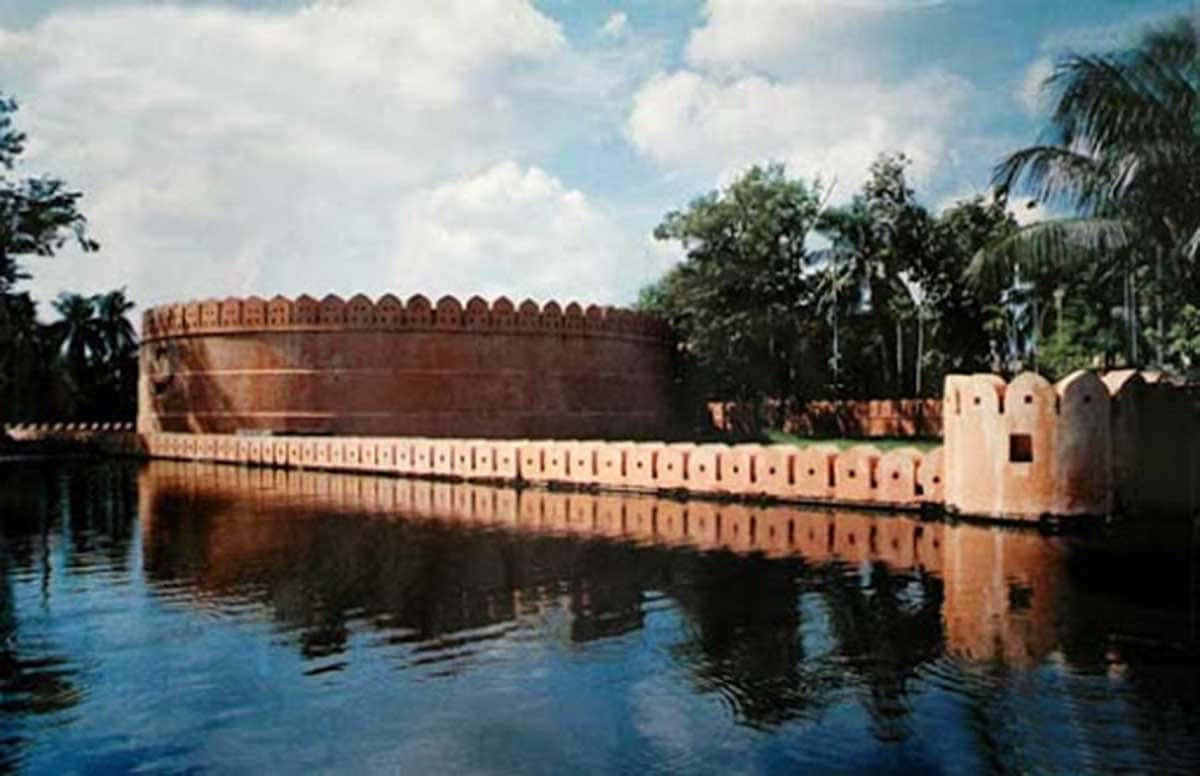
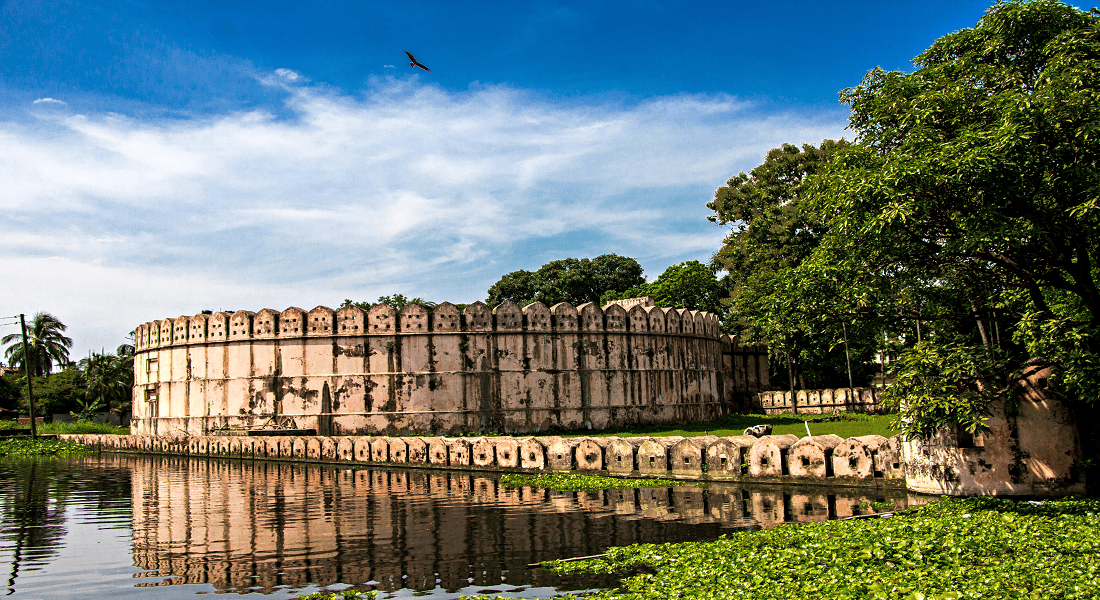
Idrakpur Fort is one of Munshiganj’s best-known historical landmarks. Located in the district town, the fort dates to the Mughal period and is associated with the military and river-defense system of Bengal.
Its historical importance comes from the strategic role of waterways in the region. Rivers served as transport routes and supported trade, but they also shaped military planning. Fortifications helped authorities monitor and defend important routes.
When you visit Idrakpur Fort, pay attention to the structure’s layout and its position within the surrounding urban area. Consider how the geography of riverine Bengal influenced the construction of defensive buildings.
What to Look For at Idrakpur Fort
The fort’s overall layout and remaining architectural features.
Its connection to Mughal-era military history.
The relationship between the fort and the surrounding settlement.
The role of waterways in historical defense and transport.
Do not assume that every visible feature has remained unchanged since the fort’s construction. Historical buildings can experience repairs, alterations, and deterioration over time.
Allow enough time to explore the site respectfully, read available information, and take photographs where permitted.
2. The Vikrampur Archaeological Area
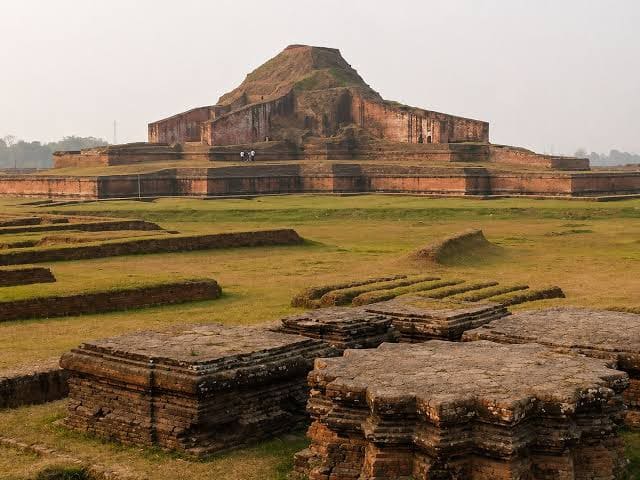
The Vikrampur region is central to understanding Munshiganj’s historical identity. Archaeological discoveries in the area have drawn attention to earlier settlement patterns and the region’s religious and cultural history.
Rather than treating Vikrampur as one single attraction, consider it a broader historical landscape. Different locations may reveal different aspects of its past, including settlement remains, artifacts, and evidence of religious or educational activity.
If you have a particular interest in archaeology, research the locations associated with documented excavations before traveling. Confirm whether a site is open to visitors and whether any interpretation facilities are available.
Why the Vikrampur Archaeological Area Matters
Archaeology helps researchers understand how people lived, worked, worshipped, and organized their communities. Buildings and written records tell only part of a story. Excavated objects, construction remains, and settlement patterns can add further evidence.
For visitors, the main lesson is that historical significance does not always come with a large monument or a developed tourist facility. Some important places require background reading to appreciate their value.
3. Sonarang Twin Temples
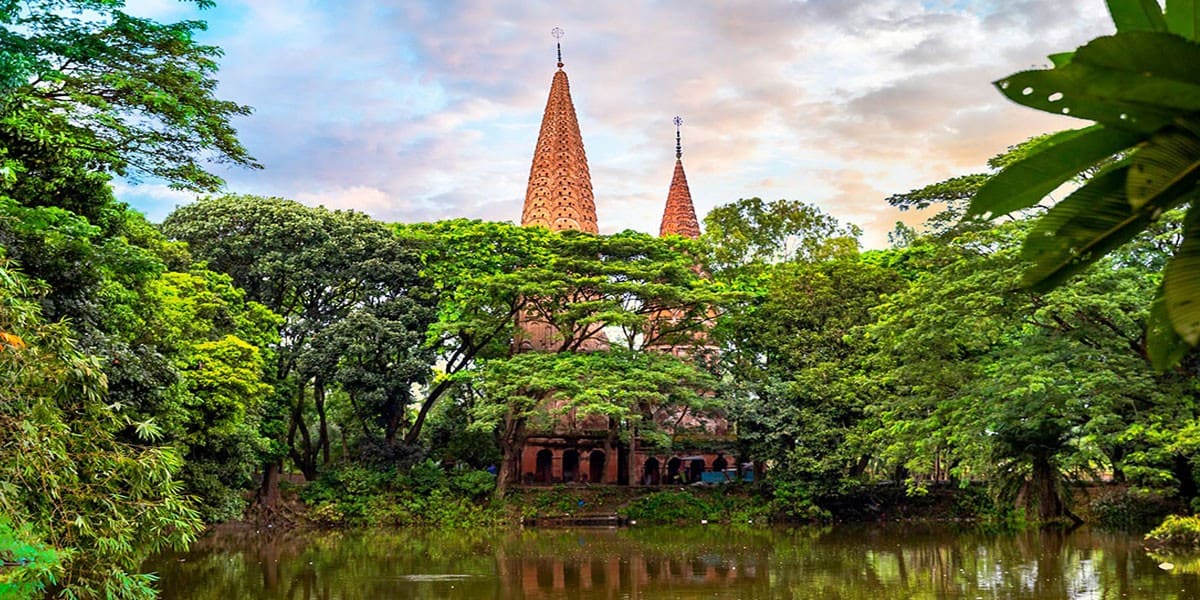
The Sonarang area is known for historic temple architecture and is associated with the Sonarang Twin Temples. These temples are of interest to travelers exploring the religious architecture of the region.
Historic temples can reveal details about building traditions, decorative features, local patronage, and the religious life of earlier communities. Their surroundings may also reflect how settlements developed around places of worship.
During your visit, observe the temples from appropriate public access areas. Avoid touching fragile surfaces, climbing on structures, or entering restricted spaces.
How to Explore the Temples Respectfully
Check whether visitors can enter the site.
Follow local instructions and any photography restrictions.
Avoid disturbing worshippers or nearby residents.
Do not remove objects, fragments, or other materials from the site.
Give yourself time to observe the architecture rather than rushing through.
If you want to compare Munshiganj’s religious heritage with another destination near Dhaka, consider this Dhamrai heritage tour guide. It provides a related starting point for exploring historic places in the wider region.
4. Historic Mosques and Religious Landmarks
Munshiganj’s religious heritage includes historic mosques and other places of worship that reflect different periods of settlement and community life.
Before adding a specific mosque to your itinerary, verify its name, location, historical background, and visitor arrangements. Online lists sometimes repeat incomplete information or confuse sites with similar names.
When you visit a mosque or another active religious landmark, dress appropriately and follow local customs. Some places may restrict photography or access during prayer times.
Religious landmarks are best understood through both their physical features and their continuing role in community life. A building may have historical value while still serving the needs of local worshippers.
5. Atish Dipankar’s Historical Connection to Vikrampur
Atish Dipankar Srijnan, also known as Dipankara Shrijnana, was a Buddhist scholar traditionally associated with Vikrampur. He became an important teacher in the Buddhist world and later traveled to Tibet, where he contributed to Buddhist scholarship and teaching.
His connection to the region gives Munshiganj a place in a wider history that extends beyond Bangladesh. It also offers a useful starting point for learning about historical education, religious exchange, and travel across Asia.
If you want to explore this aspect of the district, research the locations and memorials specifically associated with Atish Dipankar before visiting. Confirm what is currently accessible and distinguish verified historical information from later commemorative traditions.
6. Traditional Settlements and Rural Heritage
A Munshiganj heritage tour does not need to focus exclusively on major monuments. Traditional settlements can also help you understand how people have adapted to the district’s geography and changing economy.
As you travel between historical locations, observe the relationship between homes, markets, waterways, roads, and agricultural land. These features help explain everyday life in the district.
You may notice local building practices, traditional businesses, community gathering places, and patterns of river-based movement. These observations do not replace formal historical research, but they can add context to your visit.
Always respect residents’ privacy. Ask before photographing people or private property, and avoid treating homes or workplaces as public attractions.
7. Local Markets and Everyday Cultural Heritage
Local markets offer another way to experience Munshiganj’s living culture. They connect residents with food, household goods, agricultural products, transport, and other daily needs.
A market visit can fit naturally into a heritage itinerary, especially if you want to understand the district beyond its monuments.
To make the experience worthwhile:
Visit during suitable daytime hours.
Ask before photographing vendors or customers.
Purchase goods directly from local sellers if you find something you need.
Keep walkways clear and follow local instructions.
Avoid making assumptions about a community based on a brief visit.
Remember that a market is first a place for local trade, not a tourist attraction. Visit with consideration for the people who use it every day.
Best Time to Plan a Munshiganj Heritage Tour
You can visit Munshiganj throughout the year, but weather conditions affect travel comfort, road conditions, and the time you can spend outdoors.
The best time for your trip depends on whether you prefer cooler weather, green rural scenery, or a quieter travel experience.
Winter: November to February
Winter is a practical choice for exploring historical sites because daytime temperatures are generally more comfortable than during the hotter months.
Consider winter if you want to:
Walk around outdoor monuments.
Explore several locations in one day.
Take photographs without spending long periods in direct heat.
Combine sightseeing with a local market visit.
Weekends and public holidays can attract more visitors. Start early if you want to avoid traffic leaving Dhaka.
Summer: March to May
Summer can bring high temperatures and humidity. Plan outdoor visits for the morning and carry drinking water.
A summer itinerary should include fewer stops, more breaks, and time to rest between locations.
Monsoon: June to October
Monsoon weather can bring heavy rain, wet roads, and changing conditions around rivers and low-lying areas. The landscape may look greener, but outdoor sightseeing can become less predictable.
Check the weather forecast before departure. Keep your itinerary flexible and avoid visiting areas where local authorities advise against travel.
These are general seasonal patterns, not a guarantee of daily conditions. Check the forecast for your travel date.
How to Travel from Dhaka to Munshiganj
Munshiganj is close enough to Dhaka for a day trip, although your actual journey time will depend on your starting point, traffic, route, and destination within the district.
You can travel by public transport, hire a private vehicle, or arrange transport for a group.
1. Public Transport
Public transport can suit solo travelers and people who want to manage their travel expenses. Depending on your destination, you may need to combine a bus or other local transport with an auto-rickshaw or another local vehicle.
Before leaving, confirm:
The correct departure point in Dhaka.
The service that reaches your intended destination.
The expected fare and payment method.
The return transport options.
Whether local transport is available between your selected heritage sites.
Do not assume that a single public transport service will connect every attraction on your itinerary.
2. Private Car or Microbus
A private vehicle can make it easier to visit several locations in one day. It also gives you more control over departure times and stops.
This option may work well for families, older travelers, photographers, and small groups.
Agree on the pickup point, return time, waiting arrangements, and total cost before the trip. If you hire a driver, share your planned destinations in advance so the driver can estimate the route.
3. Group Travel
Traveling with friends, colleagues, or family members can make transport planning easier because everyone can agree on a shared itinerary.
For organized outings, explore group tours in Bangladesh to understand how group travel can fit into your wider travel plans.
Suggested Travel Planning Checklist
Confirm your main destinations.
Check the route from Dhaka.
Decide between public and private transport.
Estimate the cost of transport and meals.
Check site access before departure.
Save important locations on your phone.
Share the itinerary with your travel companions.
Keep a return journey plan.
One-Day Munshiganj Heritage Tour Itinerary
A one-day itinerary works best when you choose a small number of locations and arrange them in a practical order. Trying to visit every historical site in the district may leave you with little time to appreciate any of them.
Use this sample schedule as a starting point. Confirm travel times, site access, and opening arrangements before setting off.
The times are illustrative rather than confirmed schedules. Adjust them according to the distances between your chosen sites and the time needed at each stop.
How to Make This Itinerary Work
Choose one main historical landmark and two nearby places that you can verify before departure. Keep the market visit optional.
If your first destination takes longer than expected, remove a later stop rather than rushing through the remaining locations.
For a broader list of destinations, see the best places to visit in Munshiganj. Compare the locations with your available time before finalizing your route.
Two-Day Munshiganj Heritage Tour Plan
If you want a slower trip, consider extending your visit. Two days give you more time to explore the district’s historical background, visit rural areas, and speak with local people where appropriate.
This is a suggested structure, not a confirmed package or fixed route.
Day 1: Major Historical Landmarks
Focus on the district’s best-known heritage locations.
Start with Idrakpur Fort.
Visit a verified historic religious or archaeological site.
Take a lunch break.
Explore another nearby landmark if access and transport permit.
Spend time learning about the Vikrampur region.
Stay overnight only after confirming suitable accommodation.
Day 2: Local Culture and Further Exploration
Use the second day to explore places that you could not comfortably fit into the first day.
Visit a verified historical site outside the main town.
Explore a local market.
Learn about local food and everyday livelihoods.
Take photographs where permitted.
Return to Dhaka with enough time for road delays.
Before choosing a two-day plan, confirm accommodation, transport between locations, and the availability of facilities. A longer trip is worthwhile only if the destinations and arrangements justify the extra time.
How Much Does a Munshiganj Heritage Tour Cost?
Your total cost depends on the transport you choose, group size, meals, accommodation, and any paid activities.
Rather than relying on an unverified fixed package price, estimate each expense separately.
A Simple Budget Formula
Calculate your estimated budget using this formula:
Total trip cost = transport + local travel + meals + entry fees + guide fees + accommodation + personal expenses
For example, a traveler using public transport may have a different budget from a family hiring a private vehicle. A group can share some transport expenses, but the total will still depend on the number of passengers and the vehicle arrangement.
To estimate the cost accurately:
Confirm transport fares or obtain a vehicle quotation.
Identify any paid attractions.
Set a meal budget.
Check accommodation rates if staying overnight.
Add a reasonable allowance for unexpected travel expenses.
Contact the relevant site or local tourism provider for current prices rather than assuming that old online figures remain accurate.
What to Eat During Your Munshiganj Heritage Tour
Food can add another dimension to your visit. You can plan meal breaks around local restaurants, markets, and food businesses rather than spending the entire day moving between monuments.
Ask local residents for recommendations, but check hygiene, prices, and opening hours before choosing a place.
Tips for Eating During the Trip
Carry drinking water.
Choose food that suits your dietary needs.
Ask about ingredients if you have food allergies.
Check prices before ordering unfamiliar dishes.
Allow enough time for lunch instead of eating while rushing between stops.
Carry some cash for small purchases where digital payments may not be available.
You do not need to plan an elaborate food itinerary. A relaxed meal break can help you enjoy the remainder of your visit.
Photography Tips for Munshiganj Heritage Sites
Historical sites offer opportunities for architectural, documentary, and travel photography. Good photographs can also help you remember the details you learned during your visit.
Photograph Architecture and Details
Instead of taking only wide shots, capture different aspects of a building:
The overall structure.
Doorways, arches, and visible decorative elements.
The relationship between the monument and its surroundings.
Signs or information boards that visitors may photograph.
Details that help explain the building’s design.
Avoid climbing structures or entering restricted areas to get a better angle.
Respect Local Communities
A heritage tour often brings you close to homes, religious spaces, and working markets. Ask permission before taking close-up photographs of people.
Follow site rules and respect privacy. Do not use a drone unless you have confirmed that flying it is permitted in the relevant location.
Keep Historical Captions Accurate
If you share photographs online, use verified information about the site. Avoid assigning a date, dynasty, or historical purpose to a structure unless a reliable source supports the claim.
This approach makes your photographs more useful to other travelers who may be researching the same destination.
How to Explore Munshiganj's Heritage Responsibly
Heritage tourism can help people appreciate historical places, but visitors also have a responsibility to protect them.
Some landmarks remain part of everyday community life. Others may contain fragile structures or archaeological material that requires careful preservation.
Follow these practices during your trip:
Do not write on walls or historic surfaces.
Avoid touching or removing archaeological objects.
Follow instructions from site managers and local authorities.
Keep rubbish with you until you find an appropriate bin.
Ask permission before photographing residents.
Respect worshippers and religious customs.
Purchase local products when you find something useful.
Avoid making loud noise in places where people worship or work.
Responsible travel does not require special equipment or complicated planning. It starts with treating historical places and local communities with care.
Common Mistakes to Avoid When Planning a Munshiganj Heritage Tour
Even a short trip can become frustrating when travelers overlook practical details.
1. Trying to Visit Too Many Places
A long list of attractions may look attractive during planning, but travel between sites takes time.
Choose a few destinations that fit your route. Leave optional locations for another visit.
2. Assuming Every Site Is Open
A historical landmark may have restricted access, ongoing conservation work, or no regular visitor facilities.
Check access arrangements before departure. If you cannot confirm a location, keep an alternative nearby.
3. Ignoring Local Transport
Some historical sites may not sit close to major roads or public transport stops.
Research the final part of each journey. A short distance on a map can still require additional travel arrangements.
4. Leaving Dhaka Too Late
Traffic can reduce the time available for sightseeing.
Start early when possible, especially if you intend to visit several locations.
5. Relying on Unverified Historical Information
Travel websites and social media posts may repeat dates or stories without explaining their sources.
Compare historical claims with reliable heritage references, official information, or credible research. If a detail remains uncertain, avoid presenting it as established fact.
6. Forgetting the Return Journey
Some travelers plan the outward trip in detail but leave the return journey until the end of the day.
Check transport availability and allow enough time to reach your departure point. This matters particularly if you depend on public transport.
Is a Munshiganj Heritage Tour Suitable for Families and Students?
Yes, a heritage-focused trip can suit families, students, and small groups when the itinerary matches their needs.
The key is to set realistic expectations and choose accessible locations.
For Families
Keep walking distances manageable.
Carry drinking water and essential supplies.
Plan regular breaks.
Confirm access arrangements before visiting.
Avoid overloading the day with too many stops.
For Students
A heritage tour can support learning about history, architecture, archaeology, geography, and local communities.
Before the trip, ask students to research one location each. During the visit, they can record observations and compare them with their research afterward.
For more ideas, explore student trips in Bangladesh.
For Corporate and Community Groups
Group visits can help participants learn about regional history while spending time outside their usual work environment.
Plan transport, meal breaks, group size, and site access in advance. For broader group planning, see corporate cultural experiences in Bangladesh.
Frequently Asked Questions About Munshiganj Heritage Tours
1. What is Munshiganj famous for historically?
Munshiganj is closely associated with the historic Vikrampur region. Its heritage includes Idrakpur Fort, religious landmarks, archaeological discoveries, and historical connections with figures such as Atish Dipankar Srijnan.
2. Can I visit Munshiganj from Dhaka in one day?
Yes. A day trip is possible if you select a manageable number of locations and account for traffic. Your exact itinerary will depend on transport, destination access, and how long you spend at each site.
Read this Munshiganj day trip planning guide before finalizing your schedule.
3. Which historical place should I visit first?
Idrakpur Fort is a useful starting point for travelers interested in Mughal-era military history. You can then add other verified heritage locations according to their distance and accessibility.
4. Is Munshiganj suitable for a history-focused trip?
Yes. The district offers opportunities to explore historical architecture, the Vikrampur region, archaeology, religious heritage, and the relationship between settlements and waterways.
The experience becomes more meaningful when you research the places before visiting.
5. What is the best season for a Munshiganj heritage tour?
November to February is often a practical choice for outdoor sightseeing because conditions are generally cooler. You can travel in other seasons too, but check the weather and adjust your plans.
6. Do I need a guide?
A guide is not always necessary for a short trip. You can research the sites in advance and use available information during your visit.
A knowledgeable local guide may be useful if you want deeper historical context or need help coordinating several locations. Confirm the guide's experience, services, and fees before booking.
7. How much money should I carry?
Your budget depends on transport, meals, group size, and any entry fees. Estimate the main expenses before leaving and carry enough cash for small purchases or local transport where digital payment may not be available.
8. Can I visit Munshiganj with children?
Yes. Choose accessible locations, plan rest breaks, and keep the itinerary short enough for children to enjoy. Check the condition of paths and visitor facilities before departure.
9. Are all historical sites open every day?
You should not assume that every site follows the same schedule. Confirm current access arrangements with the relevant authority or local contact before traveling.
10. How can I make my visit more meaningful?
Research each location, read its historical background, observe its architecture, and respect the local community. A smaller number of well-understood places can provide a better experience than rushing through a long list of attractions.
Plan Your Munshiganj Heritage Tour
A Munshiganj heritage tour gives you a way to explore the history of Vikrampur, visit landmarks such as Idrakpur Fort, learn about regional architecture, and observe the communities that continue to shape the district.
Start by choosing your main historical interests. Confirm site access, plan your transport, and select a realistic number of stops. If you have only one day, prioritize locations that fit your route. If you have more time, include additional heritage sites and opportunities to learn about local life.
For more destination ideas and practical travel information, explore the Munshiganj heritage tour guide and the wider collection of weekend trips from Dhaka.
Your trip does not need an overloaded schedule to be worthwhile. Research the places you plan to visit, travel respectfully, and give yourself enough time to understand the history behind each landmark.