Blog
22
Oct
Nobanno festival Bangladesh
Nobanno Festival Bangladesh: Your Complete Guide to the Bengali Harvest Celebration
Introduction
Nobanno festival Bangladesh celebrates the harvest. New rice arrives. Families gather. Traditions come alive. But most people do not know what it means. They do not know when it happens. This guide fixes that. You will learn what Nobanno is, how it is celebrated, and where to experience it. Read on and discover this beloved Bengali tradition.
What Is the Nobanno Festival Bangladesh
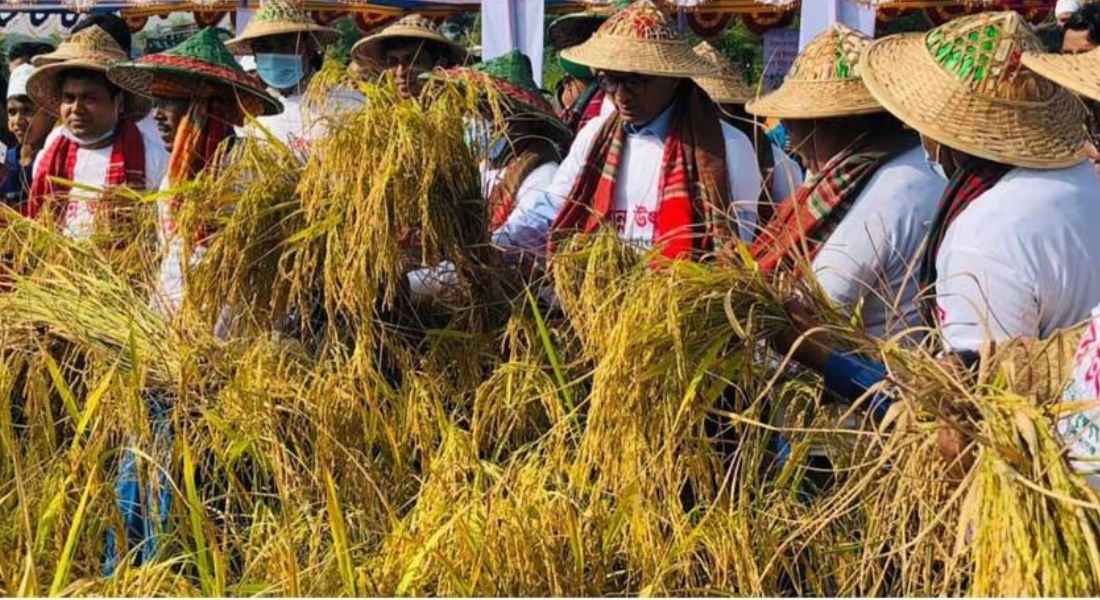
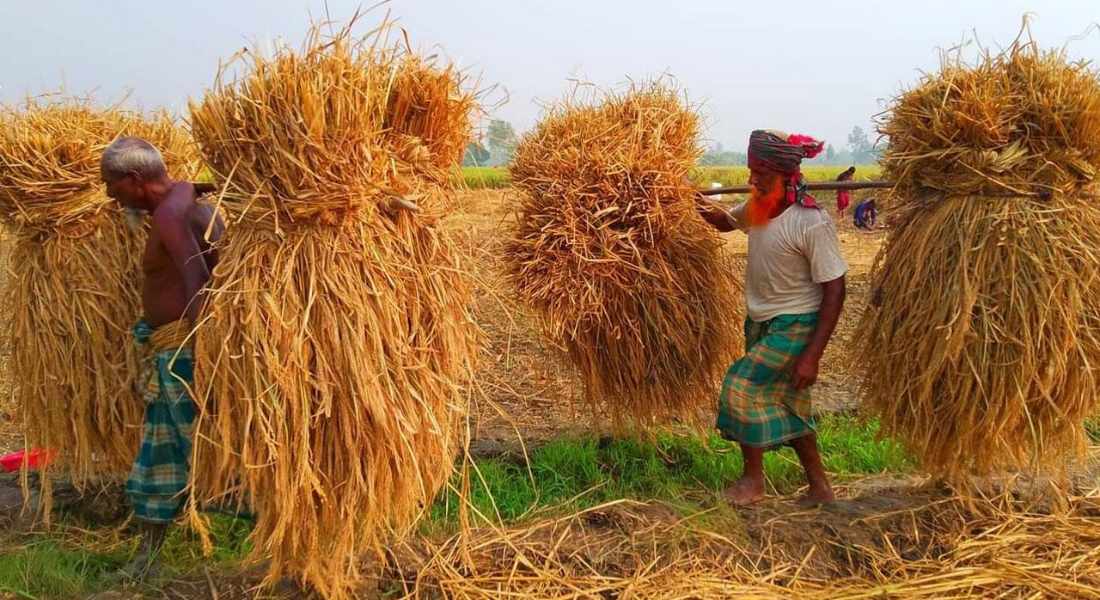 The Nobanno festival Bangladesh welcomes the new harvest. The word Nobanno means new rice. Farmers bring home the first grain. Families celebrate with food, music, and gratitude.
The festival includes:
Cooking new rice
Preparing traditional dishes
Sharing meals with neighbors
Folk music and dance
Community gatherings
Why does it matter?
Nobanno connects people to the land. It honors farmers. It celebrates abundance. It keeps rural traditions alive.
Learn more in this Nobanno festival Bangladesh guide.
Why the Nobanno Festival Matters
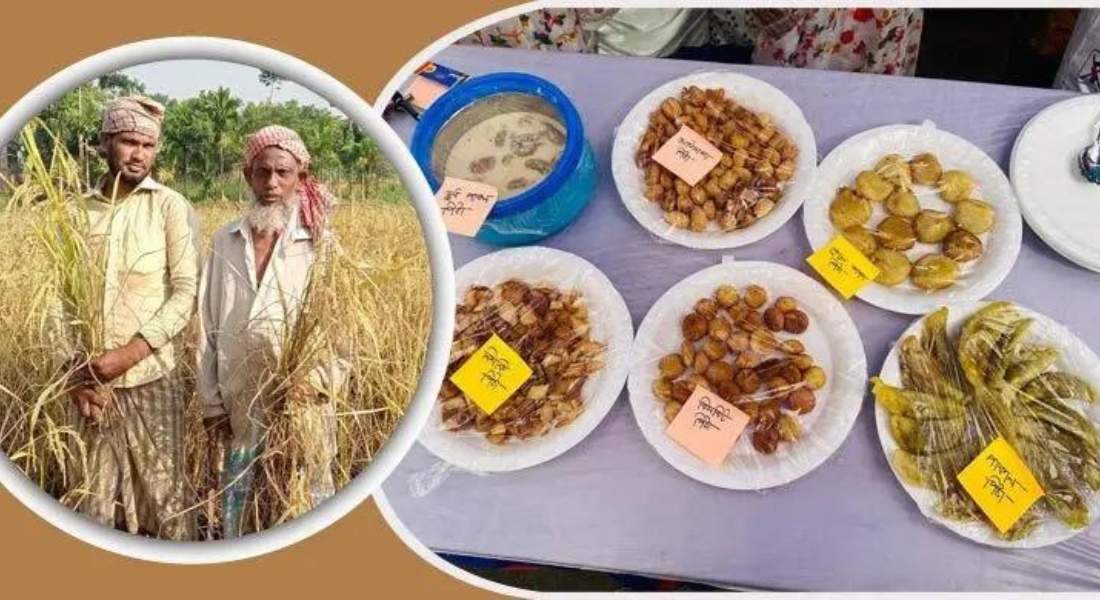 Most festivals focus on religion or history. Nobanno focuses on food and gratitude. It thanks the earth. It honors those who grow our food.
The festival gives you:
Connection to rural life
Understanding of Bengali culture
Appreciation for farmers
Community experience
Memories of shared meals
Who should attend?
Cultural travelers
Food lovers
Families
Anthropology students
Anyone curious about Bengali traditions
What Is Nobanno Festival: Origins and Meaning
Know the tradition before you go.
The Meaning
Nobanno means new food. It marks the rice harvest. In rural Bengal, rice is life. The new harvest brings joy. Families celebrate together.
The Timing
Nobanno happens in the Bengali month of Agrahayan. This falls in November or December. The exact date varies by region.
The Origins
The tradition dates back centuries. Rural communities celebrated the harvest. They gave thanks. They shared food. They strengthened bonds.
The Significance
Nobanno is not just about food. It is about community. It is about gratitude. It is about connection to the land.
Learn more in this Nobanno celebration Bangladesh guide.
Nabanna Festival: Key Elements
The festival includes several practices.
The New Rice
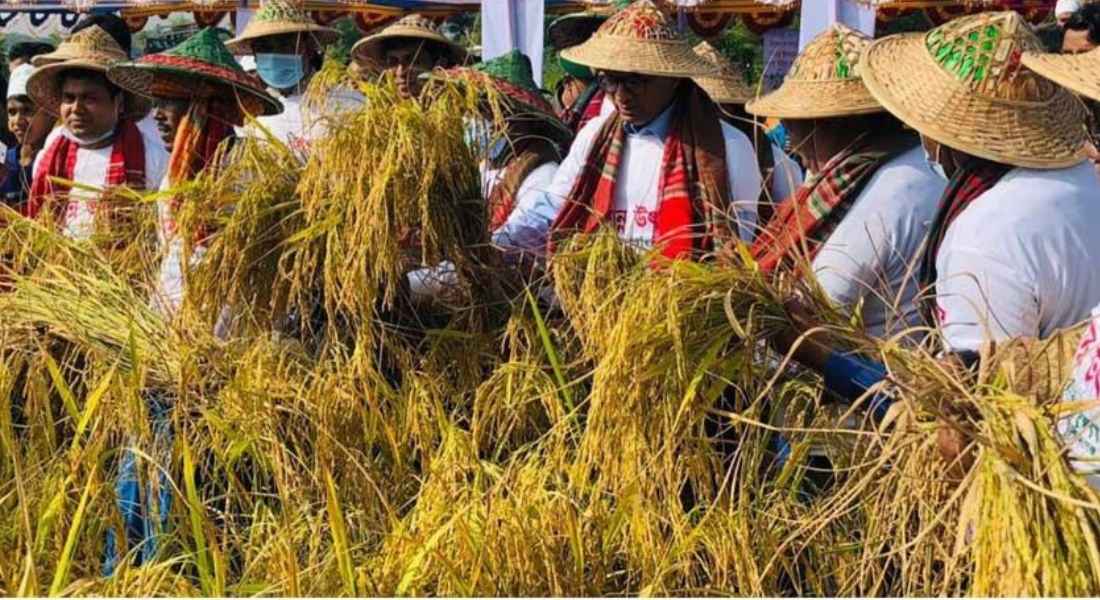 Families cook the first rice of the season. They offer it to ancestors. They share it with neighbors. The act symbolizes gratitude.
Traditional Dishes
Nobanno features special foods:
Pitha (rice cakes)
Payesh (rice pudding)
Chira (flattened rice)
Muri (puffed rice)
Gur (jaggery)
Folk Music
Songs celebrate the harvest. Performers sing of the land. They thank the earth. They share joy.
Community Feasts
Families gather. Neighbors join. Everyone shares food. The feast builds bonds.
Learn more in this Nobanno celebration Bangladesh guide.
Bengali Harvest Festival: Where It Happens
Nobanno happens across Bangladesh. Rural areas celebrate most.
Rural Villages
The heart of Nobanno.
What you will see:
Farmers bringing home rice
Families cooking together
Community feasts
Folk performances
Best for: Authentic experiences
Dhaka
Urban celebrations happen too.
What you will see:
Cultural programs
Food festivals
Folk performances
Best for: Easy access
Universities
Student groups celebrate.
What you will see:
Cultural events
Traditional food
Music and dance
Best for: Young crowds
Cultural Centers
Organized celebrations.
What you will see:
Performances
Food stalls
Community gatherings
Best for: Structured events
Explore more events in this events in Dhaka guide.
Nobanno Celebration: What Happens
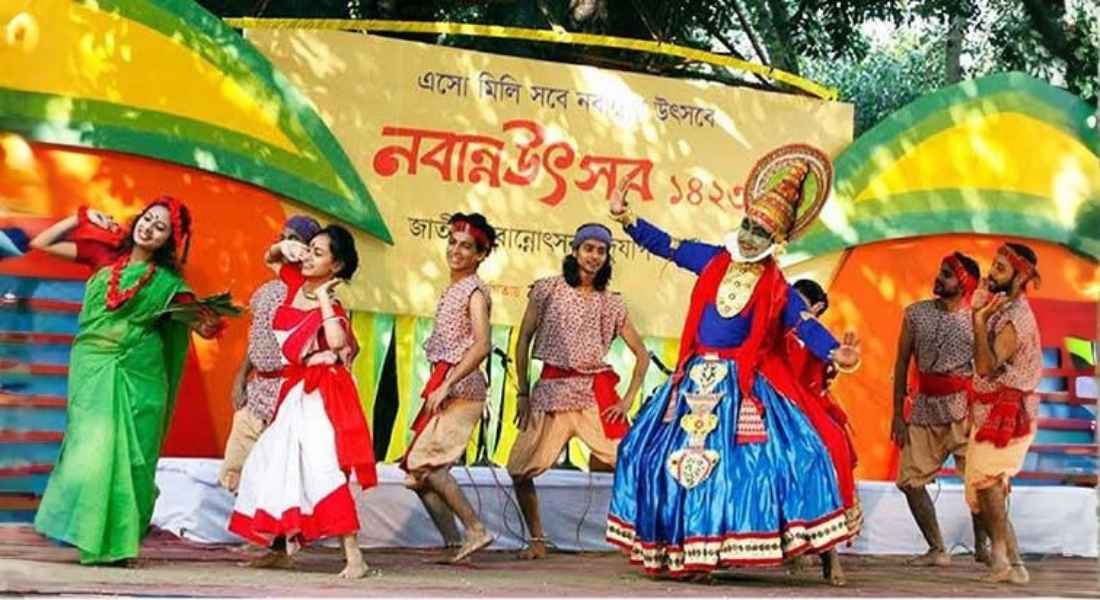 The festival follows a pattern.
Before the Festival
Harvest begins
Families prepare
Food items collected
During the Festival
Morning
Farmers bring home rice
Families cook together
Offerings to ancestors
Afternoon
Community feasts
Folk music
Dancing
Evening
Continued celebrations
Storytelling
Shared meals
After the Festival
Communities disperse
Traditions continue
Gratitude remains
Sample Itinerary: Nobanno Experience
Use this to plan your visit.
Day 1: Arrival
Travel to a rural area
Check into homestay
Evening: Meet host family
Day 2: Festival Day
Morning: Join harvest activities
Afternoon: Cooking and feasts
Evening: Folk performances
Day 3: Departure
Morning: Village walk
Return to Dhaka
Best for: Cultural immersion
Explore options in this community tourism Bangladesh guide.
Budget Planning
Costs vary by location.
Total trip budget: 1,500 to 4,800 BDT
Essential Tips
What should you know?
Dress modestly
Ask before photographing
Join if invited
Try traditional foods
Respect local customs
What should you avoid?
Disrespecting traditions
Littering
Refusing offered food
Loud behavior
Ignoring local guidance
Frequently Asked Questions
What is Nobanno festival?
A Bengali harvest festival celebrating the new rice crop.
When is it celebrated?
In the Bengali month of Agrahayan. This falls in November or December.
Where is it celebrated?
Across Bangladesh. Rural areas celebrate most.
What foods are traditional?
Pitha, payesh, chira, muri, and gur.
Can you attend?
Yes. Rural celebrations welcome visitors. Be respectful.
Is it family-friendly?
Yes. Nobanno is a family celebration.
What should you bring?
Modest clothing, respectful attitude, camera, patience.
How do you find celebrations?
Ask local guides. Check community calendars. Visit rural areas.
Final Thoughts
Nobanno festival Bangladesh offers something warm. Connection to the land. Gratitude for food. Community celebration.
It honors farmers. It brings families together. It keeps traditions alive.
This guide gives you the framework. Use it. Plan your visit. Experience the tradition.
Then go. Eat. Share. Give thanks.
Learn more in this Nobanno festival Bangladesh guide. Explore the Nobanno celebration Bangladesh for more details. Check other events in Dhaka for cultural activities. Experience the Lalon Festival Bangladesh for music. Join the Bonbibi festival Bangladesh for living traditions.