Blog
04
Oct
Nobanno celebration Bangladesh
What Is Nobanno Celebration: A Complete Guide to Bangladesh's Harvest Festival
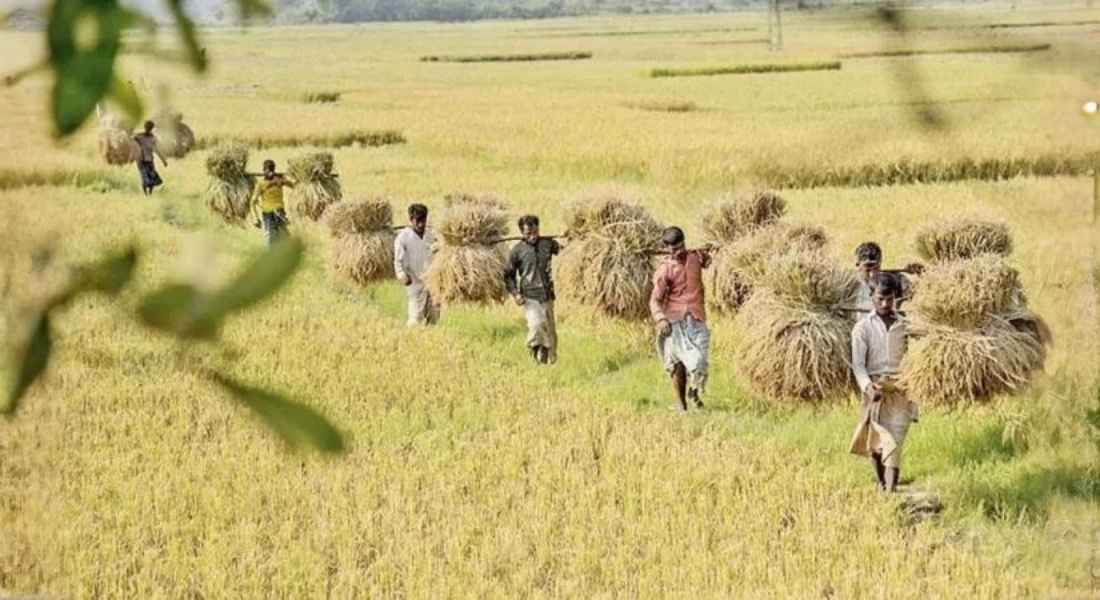
Nobanno marks the rice harvest. It brings villages together. It fills homes with cakes, songs, and color.
Yet most visitors miss it. They do not know when it falls. They do not know where to go.
Nobanno celebration Bangladesh offers a rare look at rural life. This guide gives you the history, the customs, and the best places to join.
You finish ready to plan your trip around it.
What Is Nobanno Celebration
Nobanno means "new rice" in Bangla. The word comes from "no" (new) and "anno" (food or grain).
Farmers celebrate when the first rice of the season reaches the home. The festival thanks the land and the work that feeds the country.
Unlike many festivals, Nobanno has no fixed date on the national calendar. The timing depends on when rice ripens in each region. Most celebrations fall in November.
UNESCO added Nobanno to its Intangible Cultural Heritage list in 2016. The listing recognized the festival's role in protecting rural knowledge and community bonds.
For a wider view of cultural travel, read our guide to cultural tourism in Bangladesh if available, or see our Bangladesh cultural experiences page.
Why Nobanno Matters
Nobanno is not just a party. It carries deep meaning.
It honors farmers and their work
It strengthens community ties
It passes traditional knowledge to younger generations
It connects people to the land
In cities, Nobanno has changed. Urban families celebrate with food fairs and cultural programs. But the heart of the festival stays in villages.
If you want to see the real thing, leave the city.
When Is Nobanno Celebrated
The date shifts by region and crop cycle. Most celebrations fall between mid-November and early December.
Check with local sources before you plan. Dates change each year.
For general travel timing, read our guide to winter travel in Bangladesh.
How People Celebrate Nobanno
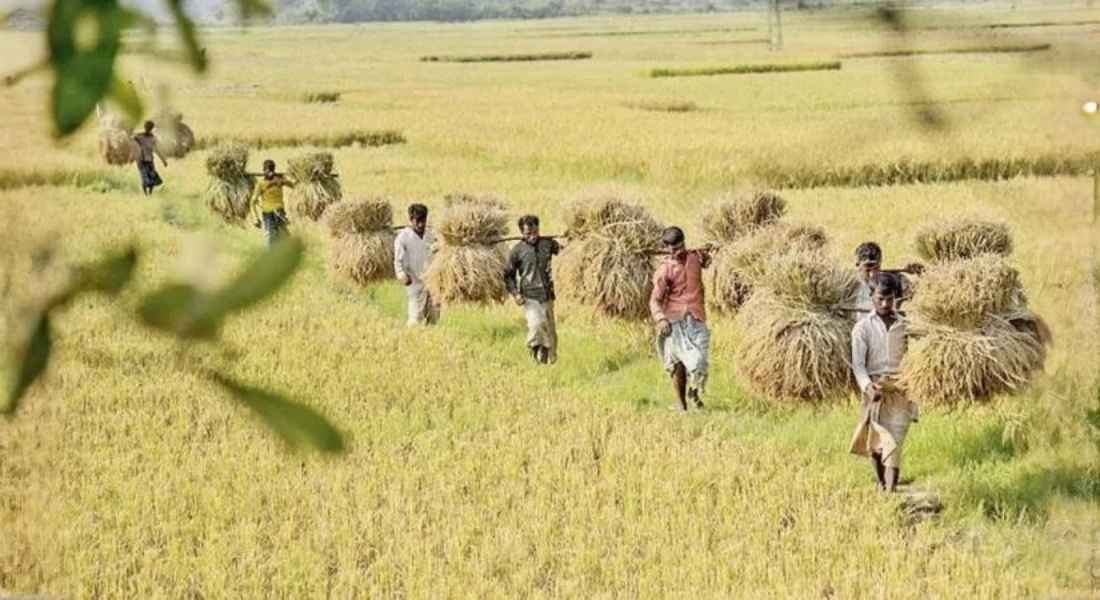 Customs vary by region. Several traditions appear across the country.
Cooking New Rice
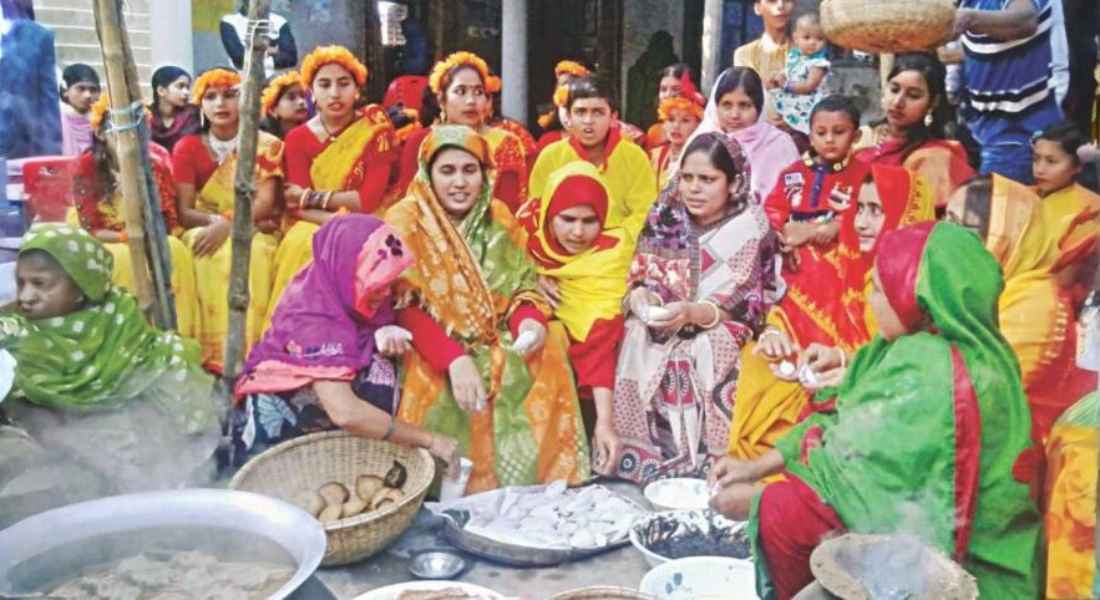
Families cook the first harvest. They offer it to guests. They share it with neighbors.
The meal includes pitha (rice cakes), payesh (rice pudding), and fish or meat curries.
Decorating the Home
Families clean and decorate their homes. Some draw alpona (floor art) with rice paste. Others hang garlands.
Music and Dance
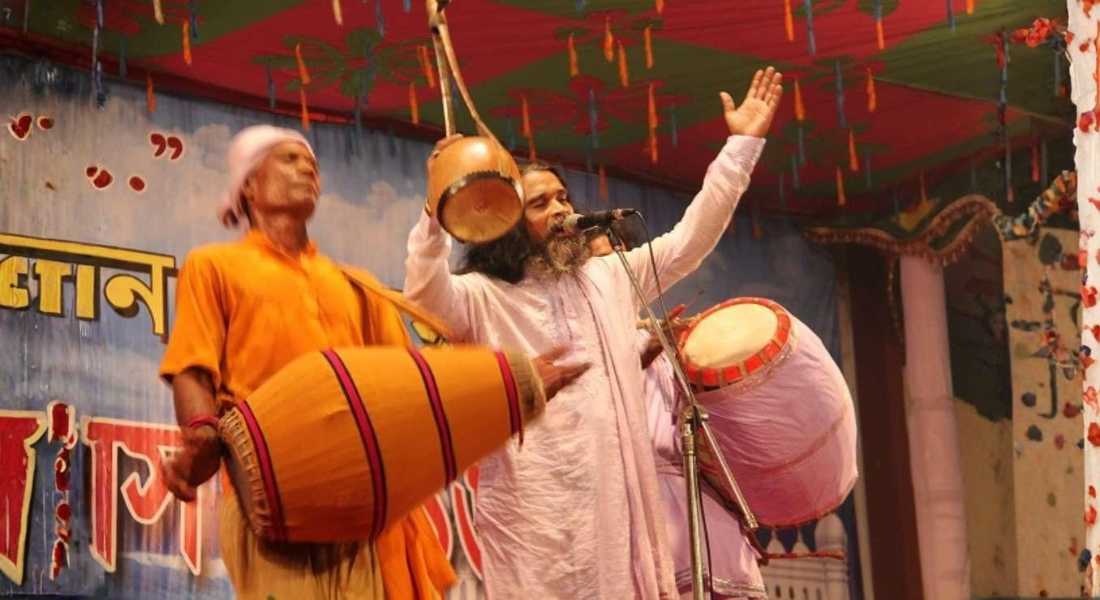 Villages hold folk music programs. Baul singers perform. Women dance in groups. Children join in.
Fairs and Markets
Local fairs sell sweets, toys, and household goods. These fairs draw people from nearby villages.
Boat Races
In river regions, boat races mark the season. Rowers compete on swollen rivers.
See our guide to Nouka Baich in Bangladesh for details on boat racing traditions.
The Best Places to Experience Nobanno in Bangladesh
1. Barishal: River Harvest Celebrations
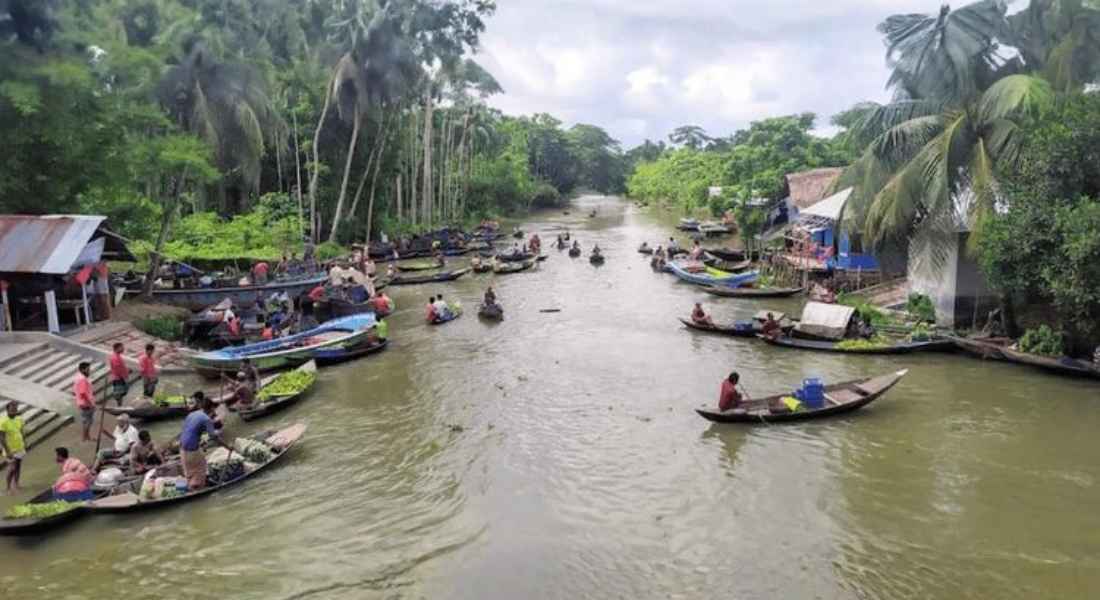 Barishal sits in the middle of Bangladesh's river network. The region grows large amounts of rice.
Nobanno here includes boat races, folk music, and community feasts. Families invite guests to share the first harvest.
Our Barishal river tour guide shows how to travel the backwaters. For a longer stay, see the full Barishal tour package.
Best for: River life and community celebrations.
2. Sylhet: Tea Garden and Village Festivals
Sylhet mixes tea culture with rice farming. Nobanno celebrations here include village fairs and folk music.
The region's tea gardens host their own harvest events. You can see how tea and rice seasons overlap.
See our Sylhet tour itinerary guide. For travel options, read the top tourist places in Sylhet page.
Best for: Mixed culture and nature.
3. Rajshahi: Mango Region Harvest
Rajshahi is known for mangoes, but rice also matters. Nobanno here includes village fairs and family gatherings.
The region offers quieter celebrations than Dhaka. You can join a family meal and see how the festival works in smaller communities.
See our Rajshahi tourist places guide. For travel, read the Dhaka to Rajshahi travel page.
Best for: Quiet village celebrations.
4. Birishiri: Garo Harvest Traditions
Birishiri sits on the Someshwari River in Netrokona. The Garo community lives here.
Garo families celebrate their own harvest festival. It includes music, dance, and rice-based food. Homestays let you stay with families and join the celebration.
See our Birishiri tour guide. Book through a Birishiri homestay for local hosts.
Best for: Indigenous culture.
5. Munshiganj: Close to Dhaka
Munshiganj sits across the river from Dhaka. The drive takes 90 minutes.
The town holds village celebrations within easy reach of the capital. You can join a family meal and return the same day.
Plan with our Munshiganj heritage tour guide. For a day option, see the Munshiganj day trip page.
Best for: Short trips from Dhaka.
Nobanno vs Other Bangladeshi Festivals
 Nobanno differs from other major festivals. It focuses on food and farming, not religion.
For Durga Puja timing, read our Durga Puja tour guide.
How to Plan a Nobanno Trip
Pick the Right Region
Choose one region. Do not try to cover the country.
Barishal suits river life. Birishiri suits indigenous culture. Munshiganj suits short trips.
Check the Date
Dates shift by year and region. Contact local hosts or tour operators before you book.
Book a Homestay
Homestays put you inside the celebration. You share meals. You meet families. You see the festival from within.
Read our guide to local experiences in Bangladesh for options.
Learn Local Customs
Nobanno is a family event. Ask before joining. Accept food when offered. Dress modestly.
Bring a Gift
A small gift shows respect. Sweets or fruit work well. Do not bring alcohol.
Plan for Slow Travel
Villages move at their own pace. Leave time for unplanned meals and conversations.
Cost Breakdown for a Nobanno Trip
Costs vary by region and comfort level.
Tips for Your Nobanno Trip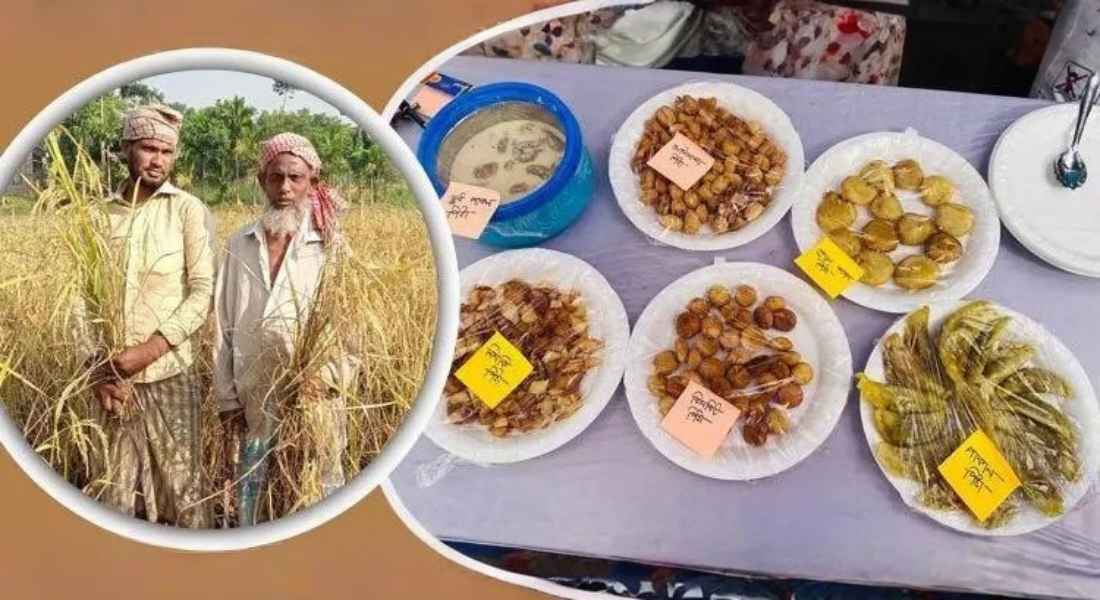
Carry cash. Village markets take no cards.
Wear modest clothing.
Ask before photographing people.
Accept food when offered.
Learn a few Bangla phrases.
Plan for slow internet and limited ATMs.
Avoid scheduling too much. The festival runs on its own time.
For weekend options near the capital, see our list of weekend trips from Dhaka.
Nobanno for Groups and Families
Nobanno works well for families. Children see village life up close. See our family tours in Bangladesh guide.
Couples can plan quiet stays in village homestays. Read our couple tours guide.
Student groups can learn about farming and rural traditions. See our student tours in Bangladesh page.
Corporate groups can combine Nobanno visits with cultural activities. See our corporate cultural experiences page.
Start Planning Your Trip
Nobanno offers something rare. You can sit with a family and share the first rice of the season. You can hear folk songs in a village courtyard.
Pick one region. Check the date. Book a homestay. Travel slow.
Barishal offers river celebrations. Birishiri offers indigenous traditions. Munshiganj offers easy access.
The best Nobanno celebration in Bangladesh happens when you stop watching and start sharing the meal.
Frequently Asked Questions
When is Nobanno celebrated?
November, depending on the region and rice cycle. Dates shift each year.
Is Nobanno a religious festival?
No. It is a harvest festival tied to farming and community life.
Can tourists join Nobanno celebrations?
Yes, with respect. Ask before joining. Accept food when offered.
What should I wear?
Modest clothing. Cover shoulders and knees.
Where is the best place to experience Nobanno?
Barishal for river life. Birishiri for indigenous culture. Munshiganj for easy access from Dhaka.