Blog
27
Aug
Bangladesh cultural experiences
Best Cultural Experiences for International Visitors in Bangladesh
Bangladesh holds four centuries of Mughal history, living indigenous cultures, and festivals that fill entire towns. Few countries offer this depth within such short distances.
Yet most international visitors see only hotels and traffic. They leave without meeting a family, sharing a meal, or joining a celebration.
Bangladesh cultural experiences solve this. This guide gives you the best options, real costs, and planning steps.
You finish ready to travel beyond the standard route.
Why Cultural Experiences in Bangladesh Matter
Bangladesh receives fewer tourists than almost any country in Asia. That is your advantage.
You can sit in a village courtyard and drink tea with a family. You can watch a potter shape clay by hand. You can join a harvest festival with no other foreigners present.
These moments are not staged. They are daily life. Your visit supports the people who keep these traditions alive.
The country also sits at the crossroads of three great religions. Hinduism, Buddhism, and Islam shaped its architecture, music, and daily rhythms.
For a wider view of cultural travel, read our guide to cultural tourism in Bangladesh.
Quick Comparison: Best Cultural Experiences
The Best Cultural Experiences in Bangladesh
1. Old Dhaka Heritage Walk
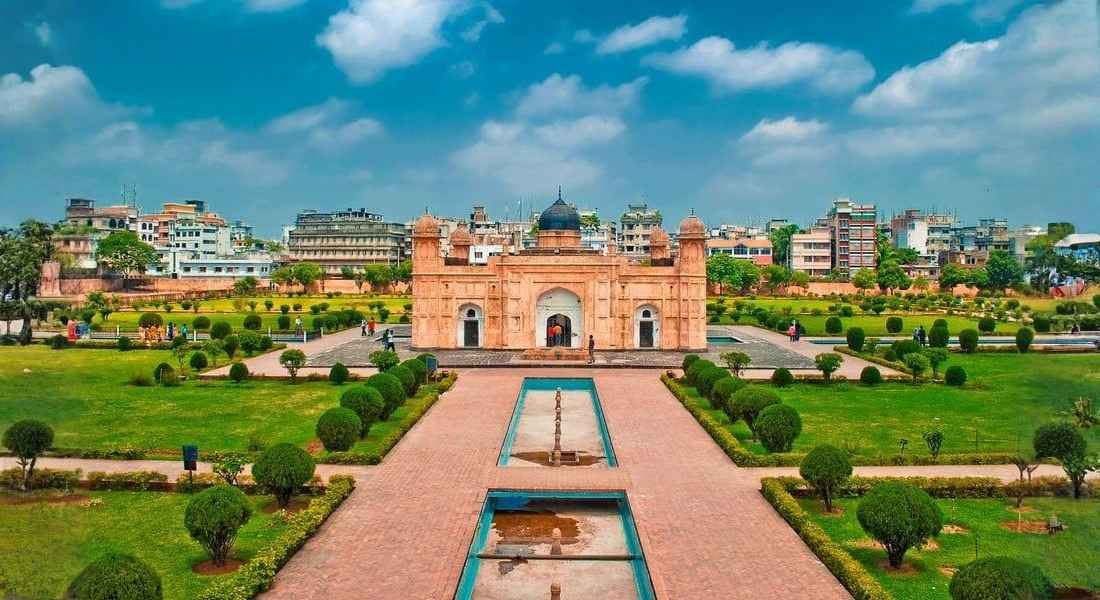
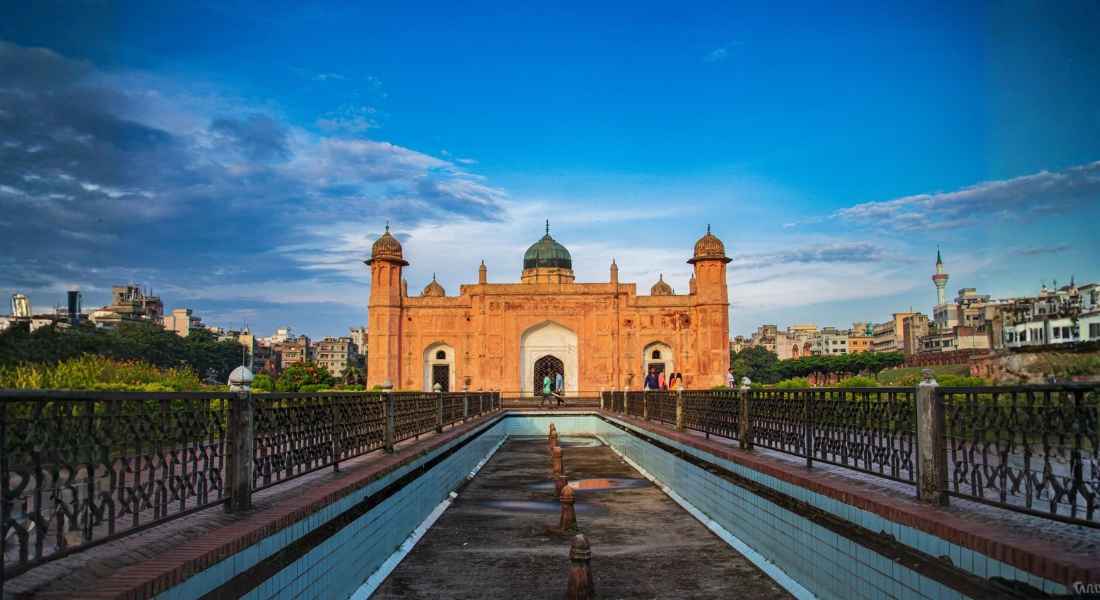
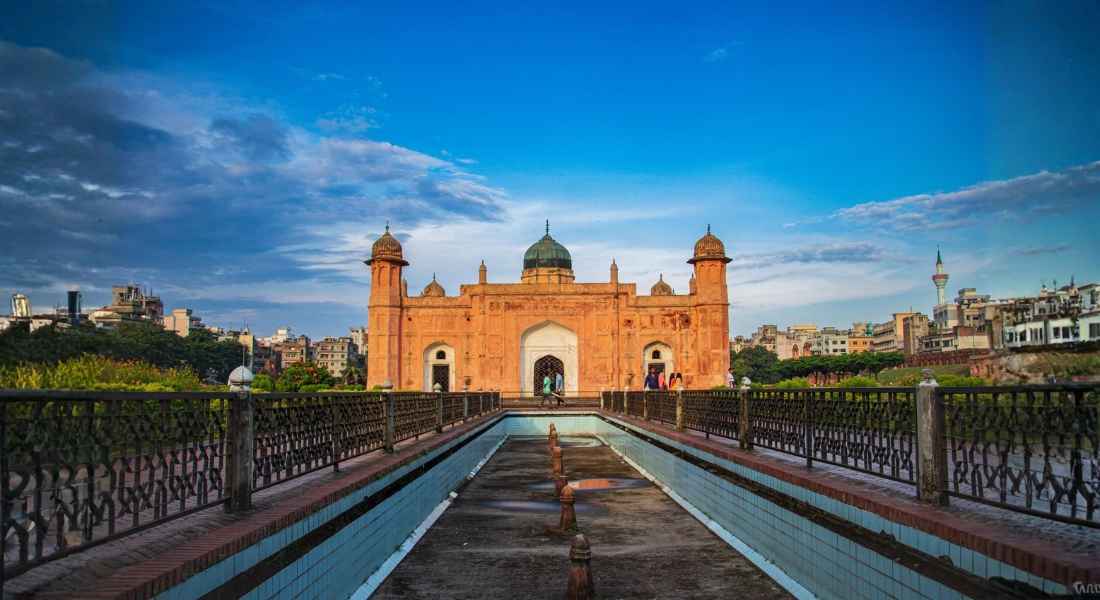 Old Dhaka packs four centuries into a few square kilometers. Mughal forts stand beside merchant houses. Temples sit near mosques.
International visitors find this area unlike anywhere else. The streets smell of biryani and betel leaf. Cycle rickshaws weave through narrow lanes. Families have lived in the same houses for generations.
Take the Old Dhaka heritage trail early morning. See the best heritage sites in Old Dhaka list. For a guided route, read the Old Dhaka walking tour guide.
Best for: First-time visitors.
Cost: 1,500 to 3,000 BDT per person.
Tip: Start at 8 AM. Streets are quiet and food is fresh.
2. Garo Homestay in Birishiri
Birishiri sits on the Someshwari River in Netrokona. The Garo community lives here.
The Garo follow a matrilineal system. Land passes from mother to daughter. Their music, dance, and food differ from the Bengali mainstream.
International visitors rarely reach this area. A homestay puts you inside the culture. You sleep in a family home. You eat their cooking. You hear their stories.
See our Birishiri tour guide. Book through a Birishiri homestay to ensure your money reaches local families.
Best for: Culture seekers and slow travelers.
Cost: 3,000 to 6,000 BDT per person.
Tip: Learn a few Garo words. It opens doors.
3. Craft Workshop in Dhamrai
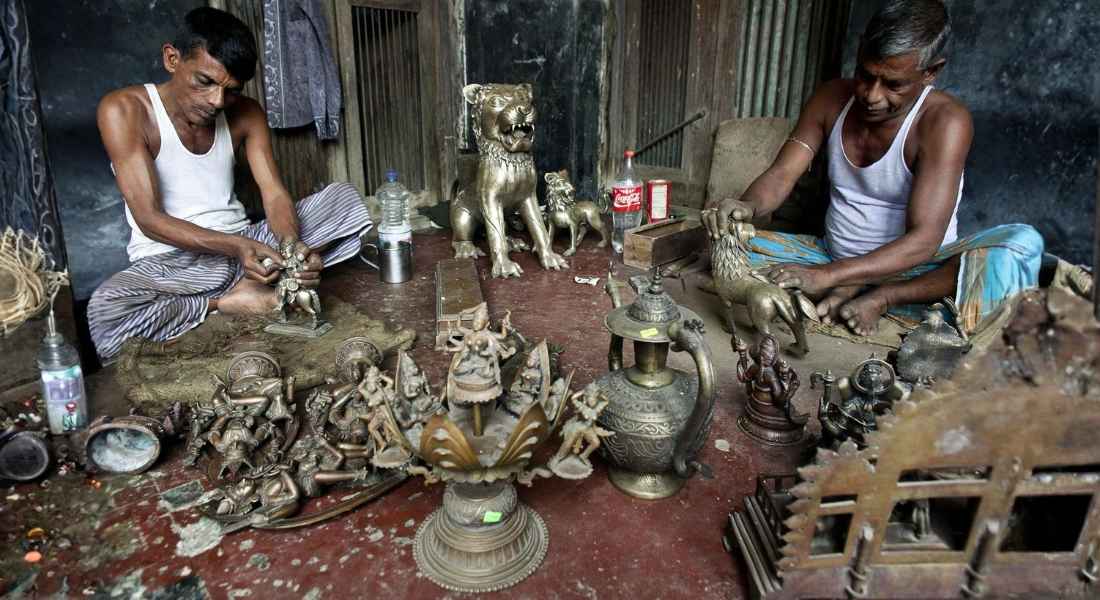 Dhamrai sits northwest of Dhaka. The drive takes two hours.
Artisans here cast brass statues using lost-wax techniques passed down for generations. You can watch the full process. You can try simple craft tasks.
The town also holds old temples and a Buddhist monastery. The mix gives you religion, craft, and daily life in one visit.
See our Dhamrai day trip guide. For the craft workshops, read the Dhamrai heritage tour page.
Best for: Craft lovers and photographers.
Cost: 2,000 to 4,000 BDT per person.
Tip: Buy directly from artisans. Your purchase pays a family.
4. Tea Garden Visit in Sreemangal
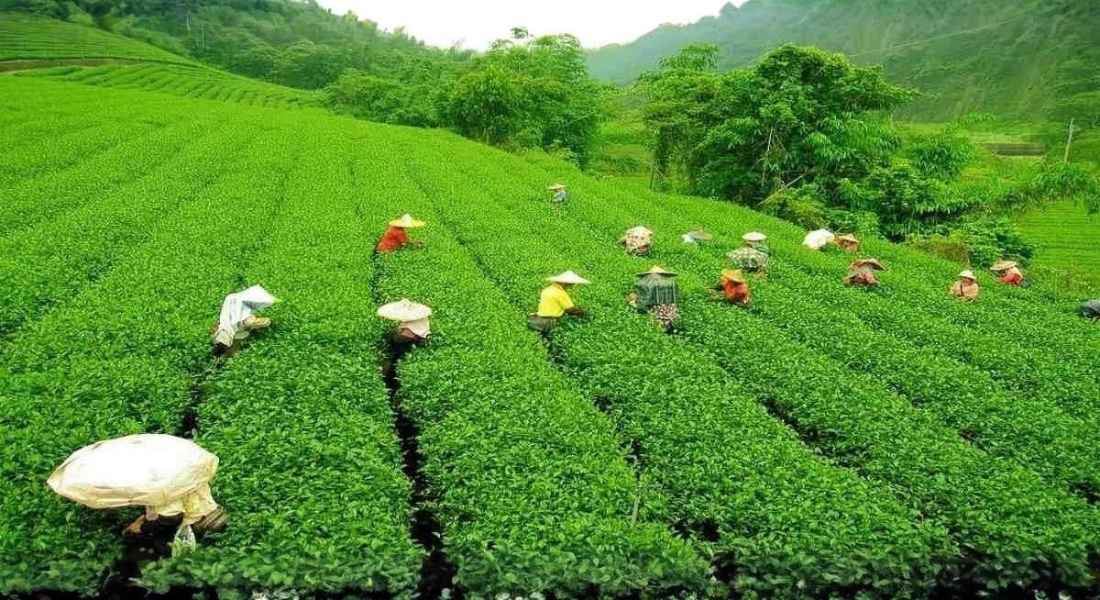 Sreemangal produces most of Bangladesh's tea. The gardens employ thousands of workers.
Many live on the estates their families have worked for generations. Their daily life differs from city Bangladesh. You can walk through the rows. You can watch plucking. You can sit with workers during their break.
Our Sreemangal itinerary covers two full days. See the Sreemangal tourist attractions guide. Check the best time to visit Sreemangal page.
Best for: Nature lovers and photographers.
Cost: 2,500 to 5,000 BDT per person.
Tip: Visit in the morning. Workers start early and finish before heat peaks.
5. Buddhist Monastery at Paharpur
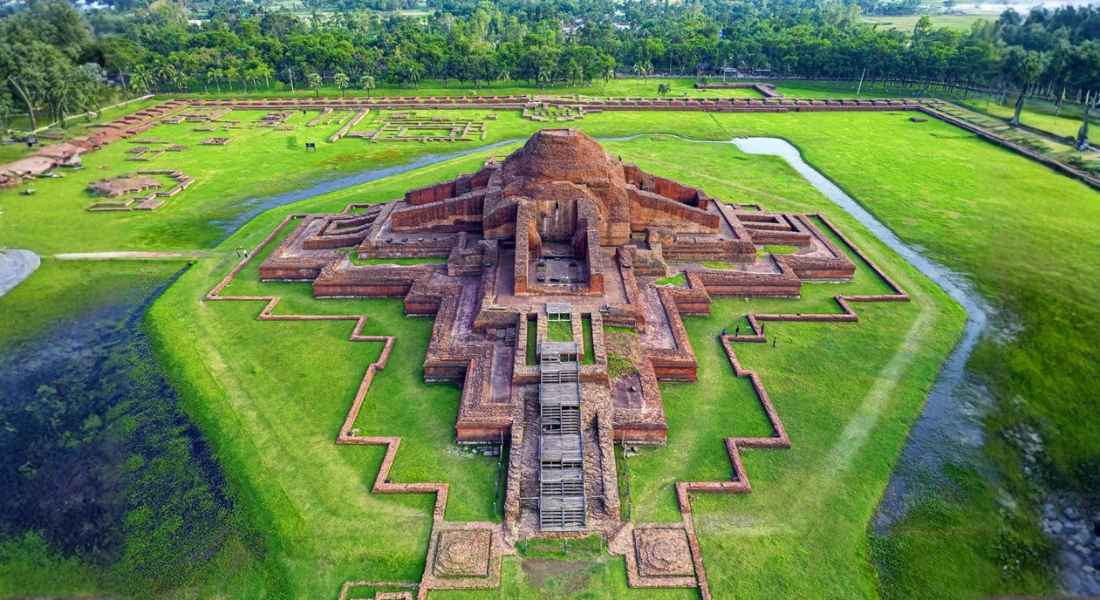 Paharpur holds the largest Buddhist monastery south of the Himalayas. UNESCO listed it as a World Heritage Site in 1985.
King Dharmapala built it in the late 8th century. It covers 70 acres and once housed over 100 monks.
International visitors find this site quieter than most World Heritage Sites. You can walk the courtyard. You can examine terracotta plaques that show scenes from daily life over a thousand years ago.
Read our Naogaon archaeological sites guide. For the full route, see the Naogaon heritage tour page.
Best for: History lovers.
Cost: 3,500 to 6,000 BDT per person.
Tip: Bring water. The site has little shade.
6. River Village Trip in Barishal
Barishal sits in the middle of Bangladesh's river network. Boats serve as buses here.
You can travel for hours through channels lined with coconut palms and rice fields. Stop at villages. Buy fruit from a floating market.
International visitors rarely see this side of the country. River life moves at its own pace. You learn how families live with water.
Our Barishal river tour guide shows the best routes. For a longer stay, see the full Barishal tour package.
Best for: Slow travelers and photographers.
Cost: 3,000 to 6,000 BDT per person.
Tip: Travel in monsoon for full rivers. Travel in winter for comfort.
Cultural Festivals to Plan Around
Festivals pull back the curtain on how people live. Plan your trip around one.
Read our guide to Nobanno celebration for harvest festival details. See the Durga Puja tour guide for timing.
For a full calendar, see our guide to events in Dhaka.
How to Plan Your Cultural Trip
Pick the Right Season
Winter (November to February) is the best time. Weather stays cool and dry. Festivals are active.
Monsoon (June to September) suits river trips. Read our monsoon travel guide before planning.
Choose Your Base
You do not need to cross the country. Pick one region and go deep.
Dhaka works for Old Dhaka and Dhamrai. Sreemangal works for tea and forest. Birishiri works for indigenous culture.
Book Local Guides
Local guides know the area. They speak the language. They explain customs you might miss.
For Birishiri, book through a Birishiri homestay for local guides.
Learn Basic Customs
Bangladesh is a Muslim-majority country. Dress modestly. Remove shoes before entering mosques and temples. Ask before photographing people.
Carry Cash
ATMs are rare outside cities. Carry enough cash for your trip.
Seasonal Guide for Cultural Travel
Winter (November to February): Best weather. All destinations work. Book early.
Spring (March to April): Hot but manageable. Start early. Pahela Baishakh falls in April.
Monsoon (June to September): Rivers fill. Road travel slows. Read our monsoon travel guide.
Autumn (October): Clear skies return. Durga Puja fills the calendar.
Cost Breakdown for Cultural Travel
Costs vary by destination and comfort level.
Tips for International Visitors
Learn five Bangla phrases. A greeting opens doors.
Ask before taking photos of people.
Accept tea when offered. Refusing closes doors.
Dress modestly in villages and religious sites.
Carry small notes. Change is scarce outside cities.
Eat what your host serves. It shows respect.
Book through licensed operators.
For weekend ideas, see our list of weekend trips from Dhaka. For one-day options, read our day trips from Dhaka guide.
Cultural Experiences for Different Travelers
Families: Old Dhaka and Dhamrai work best. Short drives and easy walks suit children. See our family tours in Bangladesh guide.
Couples: Birishiri and Sreemangal offer quiet stays. Check our couple tours guide.
Student groups: Birishiri and Naogaon offer learning and culture. See our student tours in Bangladesh page.
Solo travelers: Group tours reduce cost. Check group tours in Bangladesh.
Start With One Experience
You do not need a long itinerary. Pick one place. Book one homestay.
Old Dhaka offers the easiest start. Birishiri offers the deepest cultural exchange. Naogaon offers the strongest history lesson.
Go in the right season. Travel slow. Ask questions.
The best Bangladesh cultural experiences happen when you stop watching and start joining in.
Frequently Asked Questions
Is Bangladesh safe for international visitors?
Yes, with standard care. Use licensed operators. Check travel advisories before you go.
Do I need to speak Bangla?
No. English works in cities. In villages, a few phrases and a translator app go far.
What should I wear?
Modest clothing. Cover shoulders and knees. Comfortable shoes for walking.
When is the best time to visit?
November to February for weather and festivals.
How much does a cultural trip cost?
Expect 1,500 to 3,600 BDT per day for a budget trip. Mid-range trips cost 3,800 to 8,500 BDT for two days.