Blog
11
Oct
Authentic Bangladesh travel
How to Experience Authentic Bangladesh: A Traveler's Guide
Bangladesh receives fewer tourists than almost any country in Asia. That is your advantage.
The problem is most visitors see only hotels, traffic, and staged stops. They leave without meeting a single family or eating a meal cooked in a village kitchen.
Authentic Bangladesh travel fixes that. This guide shows you where to go, who to meet, and how to travel so your money reaches local people.
What Authentic Bangladesh Travel Really Means
Authentic travel is not about roughing it.
It is about choosing real over rehearsed. You eat what families eat. You walk where people live. You buy from makers, not middlemen.
Three signs of an authentic trip:
Local people lead the experience
Money stays in the community
You leave with stories, not just photos
The opposite is easy to spot. A bus pulls up. A guide recites a script. You take photos and leave. Nobody in the village remembers you.
Ask yourself before any tour: who benefits from this? If the answer is unclear, keep looking.
Start With Local Experiences in Bangladesh
Stay in a Homestay
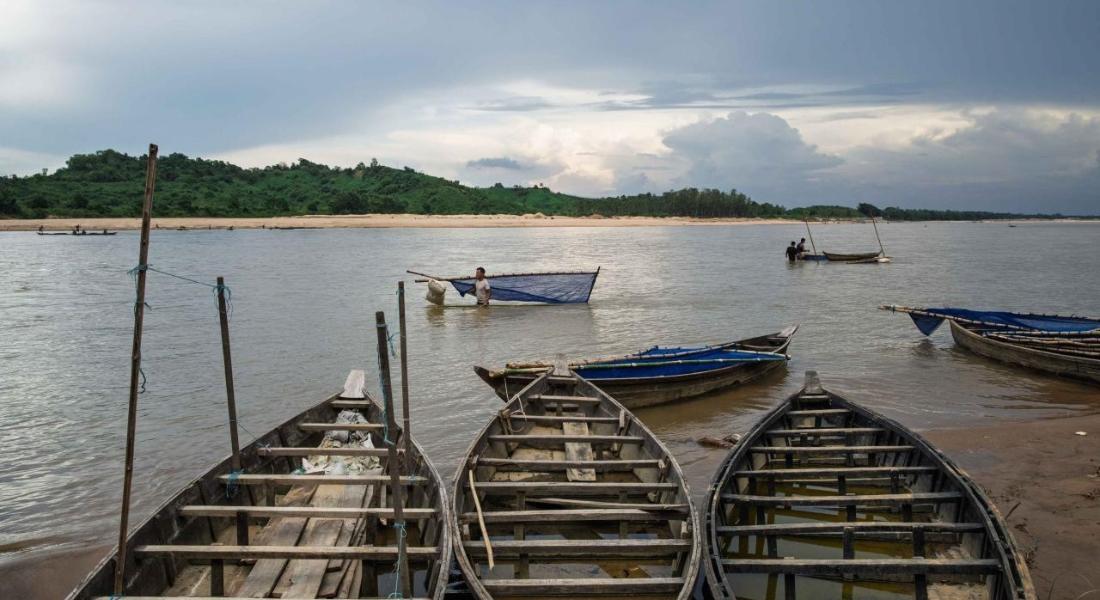 Homestays put you inside daily life. You wake to cooking smells. You share tea with hosts. You learn the names of their children.
Birishiri is the best starting point. The Garo community hosts visitors in family homes near the Someshwari River. You eat local food and hear stories passed down through generations. See Birishiri homestay options for booking details.
Sreemangal and the Sundarbans also offer family-run stays. Check local experiences in Bangladesh for a wider list.
Eat Where Families Eat
Skip hotel restaurants for one meal a day.
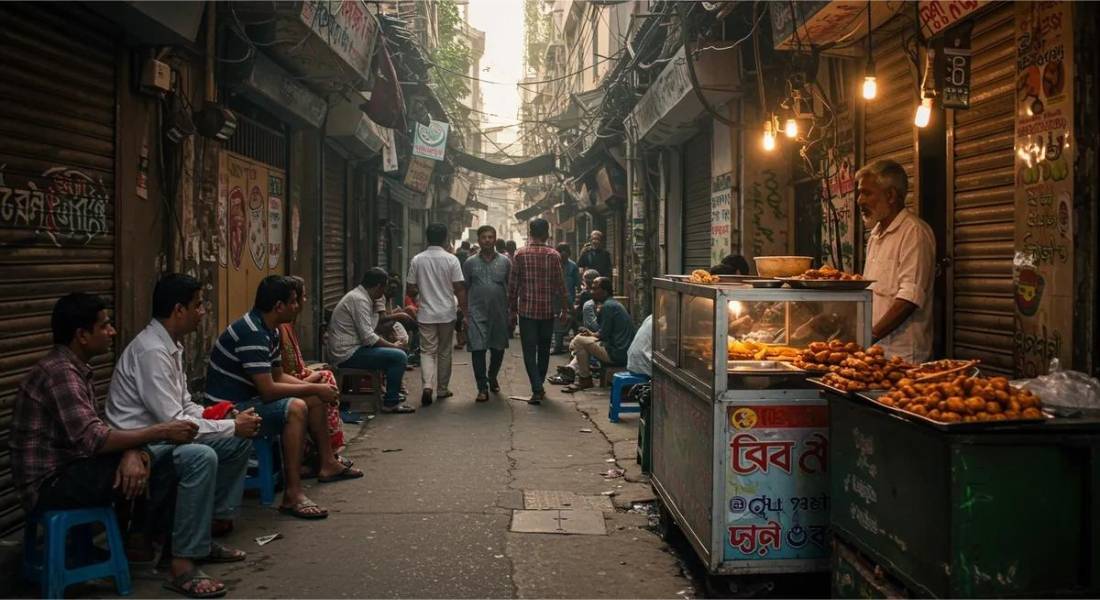
In Old Dhaka, find biryani shops that have run for generations. In Sylhet, try pitha from a roadside stall. In villages, accept the invitation when a host offers food.
Food is the fastest way into a culture. A shared plate does more than any museum.
Ride Local Transport
A rickshaw ride through narrow lanes shows you life at street level. A launch on the Buriganga River puts you beside traders, students, and families.
For longer routes, trains work well. Buy a ticket, sit by the window, and watch the country pass.
Follow the Culture, Not the Checklist
Visit During a Festival
Festivals pull back the curtain on how people live.
Nobanno celebrates the rice harvest with cakes, songs, and village gatherings. Read our guide to Nobanno celebration for dates and locations.
Pahela Baishakh fills Dhaka with music and color in mid-April.
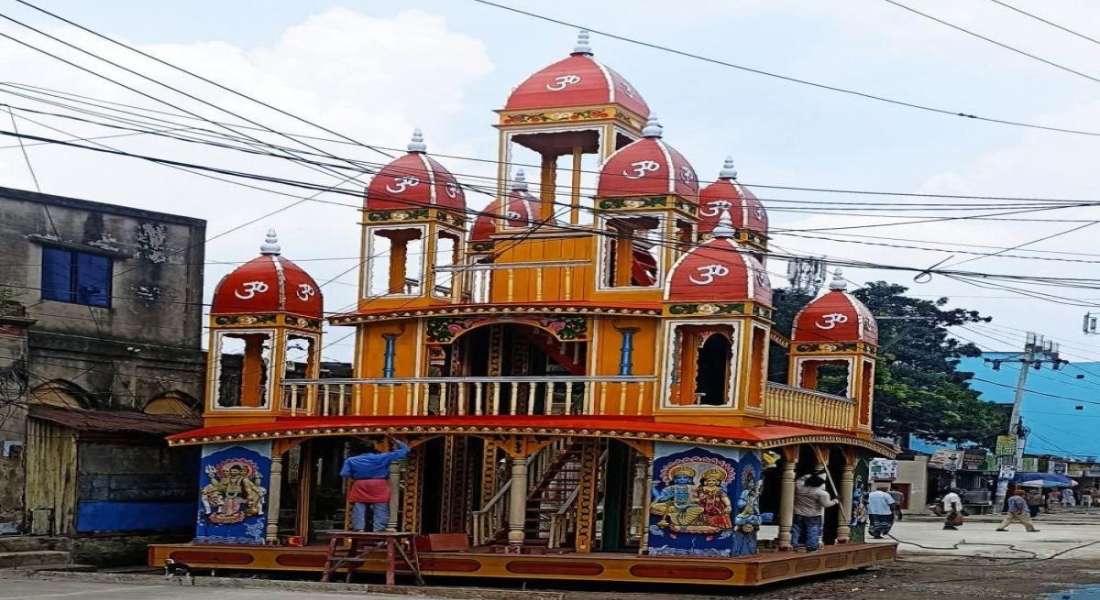
Durga Puja brings elaborate temporary temples to old neighborhoods each October. See our guide to Durga Puja experiences for the best places to watch.
Plan your trip around one festival. You will see more in three days than in a month of normal travel.
Walk Old Dhaka Slowly
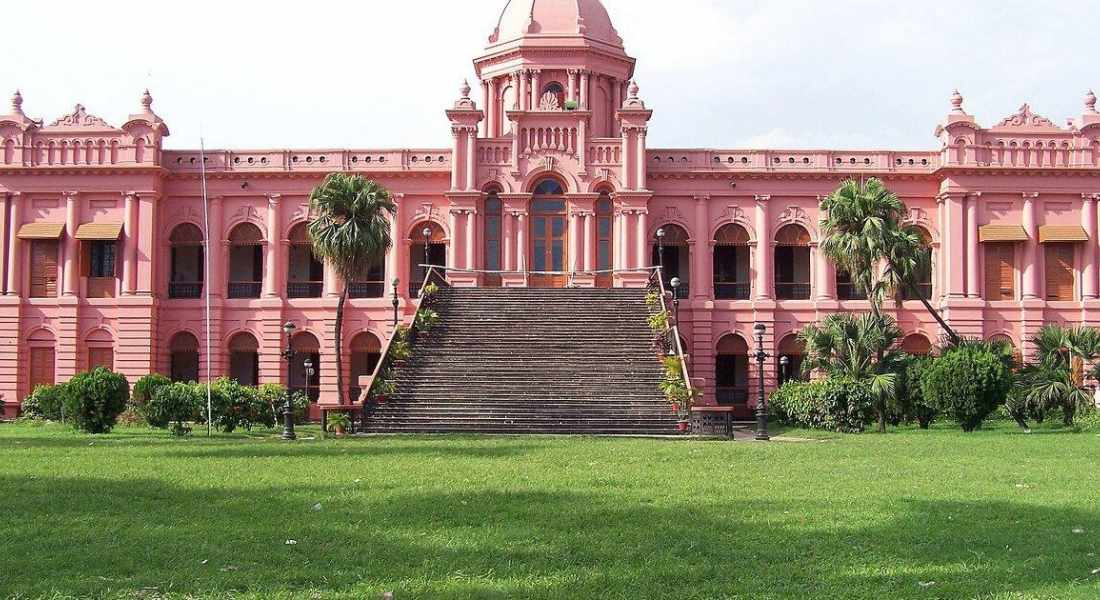
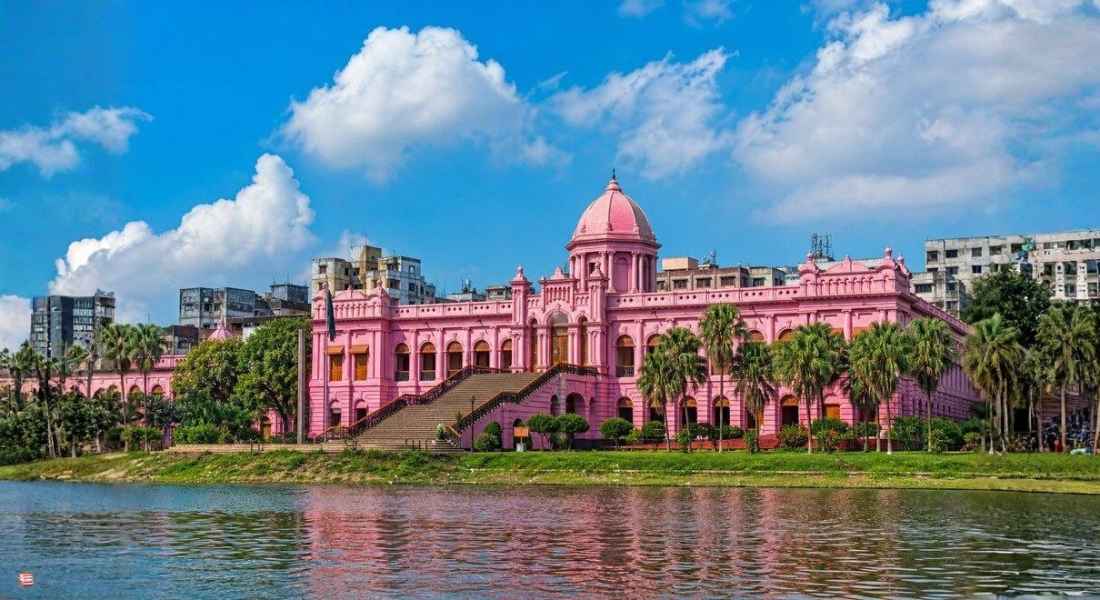
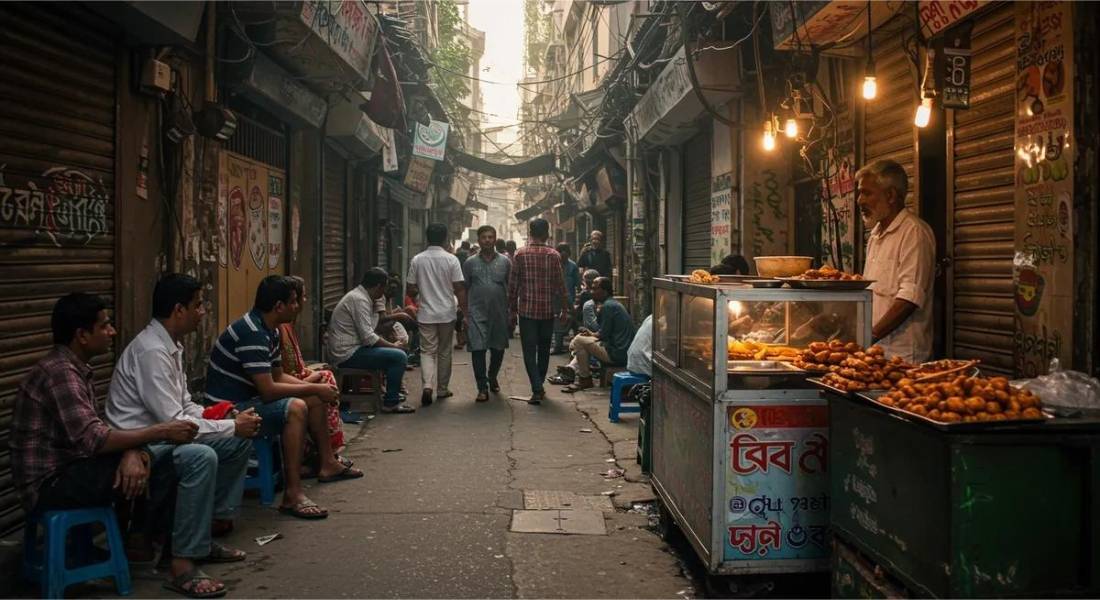 Old Dhaka holds four centuries of history in a few square kilometers. Mughal forts, merchant houses, and temples sit beside each other.
Do not rush it. Start early. Walk without a fixed route. Stop for tea. Talk to shopkeepers.
Our Old Dhaka walking tour covers the main stops. Use it as a frame, not a script.
Meet Makers
Pottery villages near Naogaon. Weavers in Tangail. Tea workers in Sreemangal.
Buy directly from these artisans. Ask how they work. Watch the process.
Your purchase pays a family, not a distributor. The object you carry home holds a memory, not just a price tag.
Where to Go for Real Encounters
For river journeys, our Barishal river tour guide shows how to travel the backwaters with local boatmen.
For forest and village life, check Madhupur tourist spots before you go.
Plan Around Seasons and Local Rhythms
Timing changes everything.
Winter (November to February): Cool, dry, easy travel. Festivals are active. Villages host weddings and harvest events.
Mango season (May to June): Chapai Nawabganj turns into a working orchard. You can pick fruit with farmers. Read our mango tour guide for details.
Monsoon (June to September): Rivers swell. Boat travel peaks. Read our monsoon travel guide before planning.
Travel in the season locals live by, not the one brochures sell.
Travel Tips That Build Real Connections
Learn five words of Bangla. Even a greeting changes how people treat you.
Ask before taking photos. A nod and a gesture works.
Accept tea when offered. Refusing closes doors.
Dress modestly in villages and religious sites.
Carry small cash. Many family businesses take no cards.
Spend two nights in one place instead of one night in five.
Slow travel beats fast travel every time.
For weekend options near the capital, see our list of weekend trips from Dhaka.
Group and Family Travel the Authentic Way
Authenticity works for groups too.
Student groups can join village projects and learn from local hosts. See our student trips in Bangladesh guide.
Families can book family tours in Bangladesh that include homestays and farm visits.
Corporate teams can combine work with community time. Check our corporate cultural experiences page.
The rule stays the same. Local people lead. Your group follows.
Authentic Travel Is a Choice
Bangladesh will not hand you authenticity on a plate.
You have to ask for it. You have to slow down. You have to say no to the packaged version and yes to the unplanned meal, the unplanned conversation, the unplanned detour.
That is where the real country lives.
Start with one region. Go deep. Meet people. Eat their food. Buy from their hands.
Then come home and tell the story. That story does more for Bangladesh than any advertisement.
Frequently Asked Questions
Is authentic travel in Bangladesh safe?
Yes, with normal care. Village homestays and local guides are welcoming and secure. Check travel advisories before you go.
Do I need to speak Bangla?
No. English works in cities. In villages, a few phrases and a translator app go far.
What should I avoid?
Avoid tours that bus you through villages without stopping. Avoid orphanage visits. Avoid buying crafts from middlemen instead of makers.
How much does a homestay cost?
Rates vary. Expect 1,500 to 3,500 BDT per night with meals included.
When is the best time to visit?
November to February for easy travel. May to June for mango season. June to September for river life.
Begin Your Trip
Pick one place from this guide. Book a homestay. Learn three Bangla phrases.
Authentic travel experiences start small. One meal. One conversation. One night in a family home.
That is how you experience the real Bangladesh. Not from a bus window, but from a kitchen table.