Blog
13
Sep
Birishiri tour
Complete Birishiri Travel Guide: A Hidden Gem in Netrokona
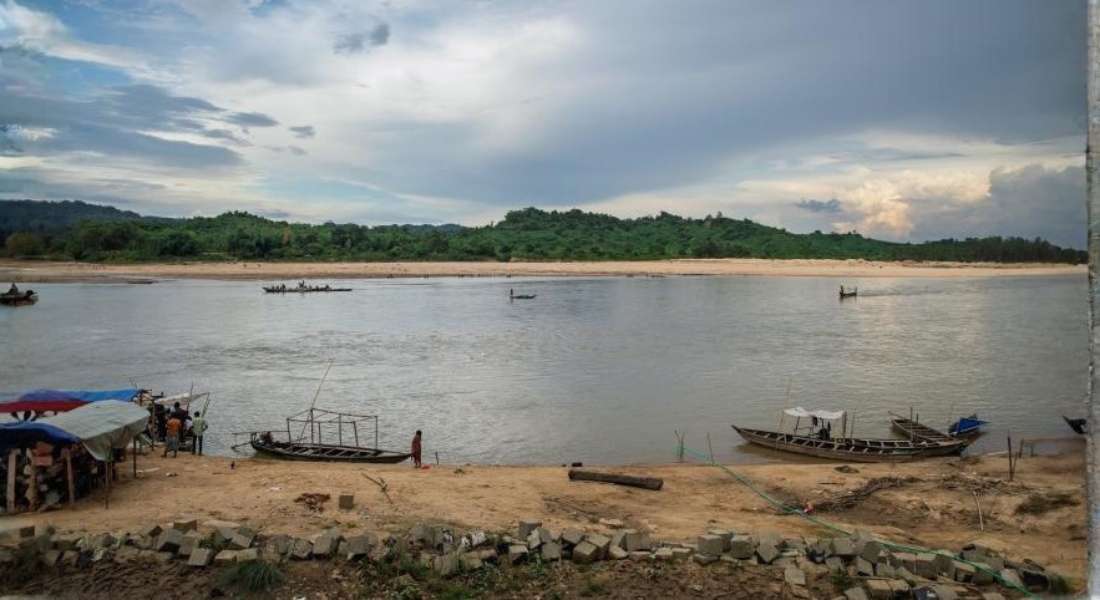
Birishiri sits on the Someshwari River in Netrokona. The water runs clear over white stone. Hills rise on both sides. Few travelers know it exists.
Most visitors pass through Netrokona. They head north to the hills. They miss a place where indigenous culture and river scenery meet.
This Birishiri tour guide covers everything. You learn how to get there, where to stay, and what to see.
This guide gives you the best options, real costs, and planning steps. You finish ready to book your trip.
Why a Birishiri Tour Works
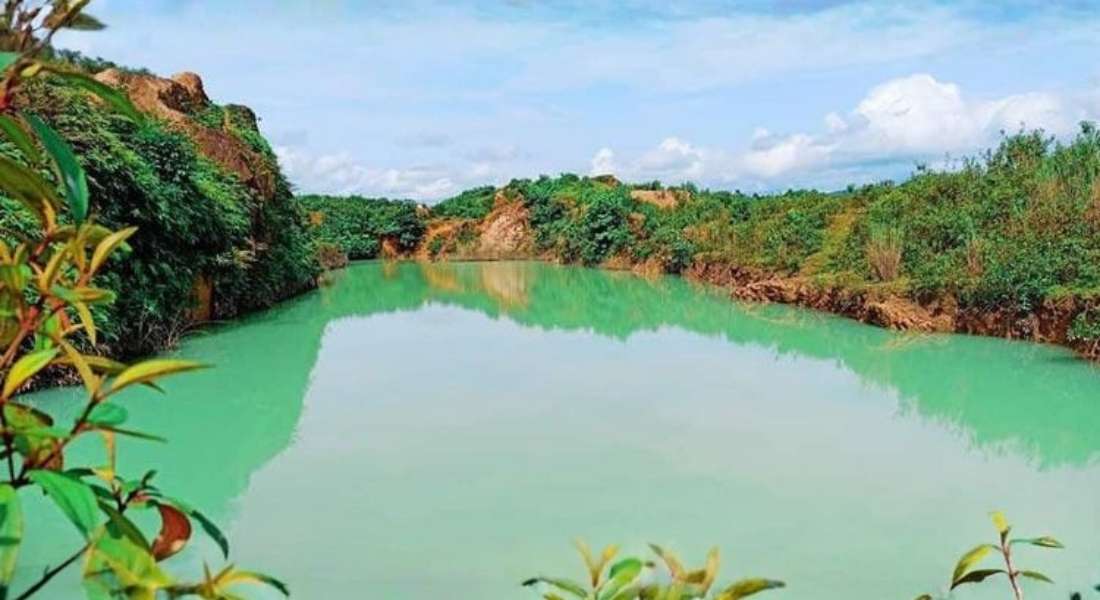
Birishiri is not a resort town. It is a quiet corner of Bangladesh with a culture all its own.
Three factors make it worth the trip.
The Someshwari River runs clear over white stone
The Garo community lives here with a distinct culture
Homestays offer real contact with local families
The area also sits near the Meghalaya border. Hills frame the river on both sides. The landscape feels different from the rest of Bangladesh.
For a wider view of the region, read our guide to Birishiri eco tourism.
Quick Comparison: Birishiri Travel Options
How to Get to Birishiri
From Dhaka by Road
The drive from Dhaka takes four and a half hours. The route runs through Mymensingh and Netrokona.
You can hire a car with driver. Costs run 4,000 to 6,000 BDT for the round trip.
You can also take a bus to Netrokona, then hire a local vehicle. The bus trip takes five hours.
From Mymensingh
Mymensingh sits two hours from Birishiri. You can combine both in one trip.
See our guide to Mymensingh tour for planning details.
The Best Things to Do in Birishiri
1. Walk the Someshwari Riverbank
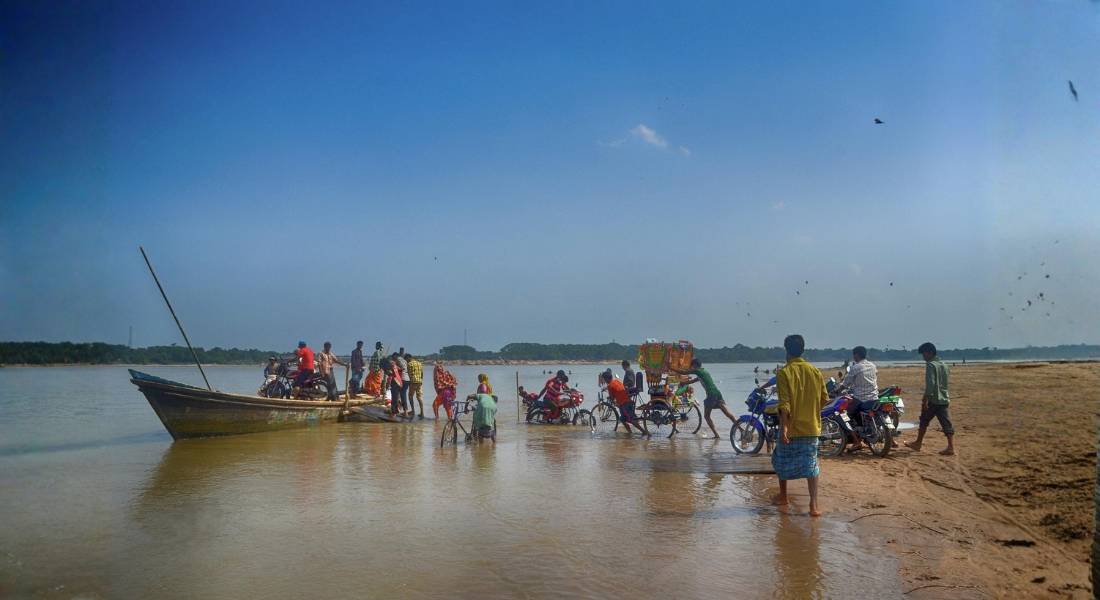
The Someshwari River is the heart of Birishiri. The water runs clear over white stone. Hills rise on both banks.
You can walk the riverbank at sunrise. You can wade in shallow water. You can sit on the stones and watch the light change.
This is free and open all day. It makes an easy first stop.
Best for: All travelers.
Cost: Free.
Tip: Go at sunrise. The light on the water is best then.
2. Stay With a Garo Family
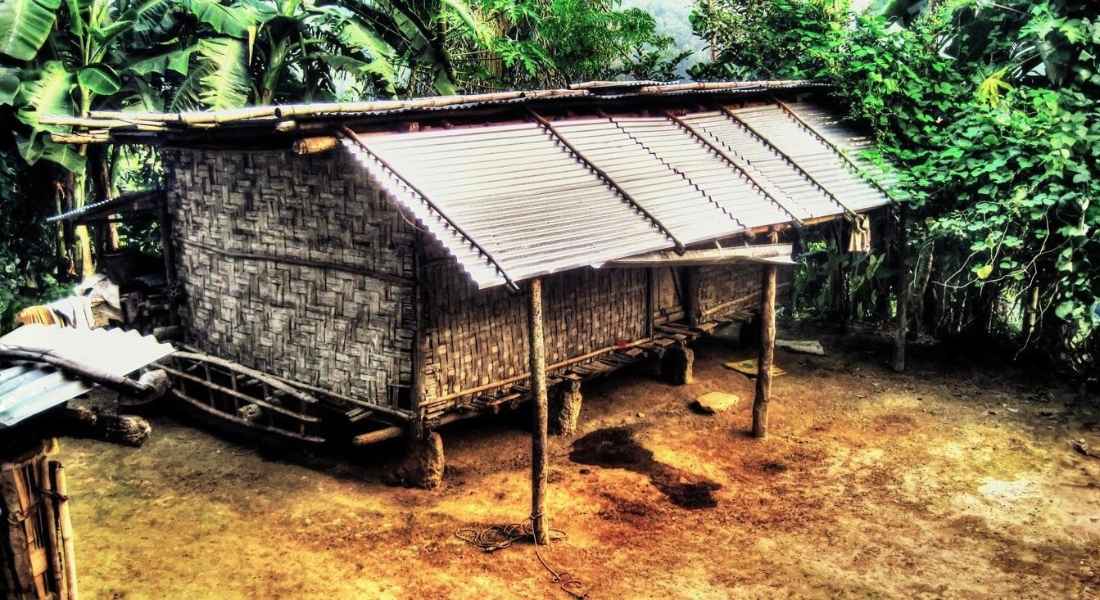
The Garo community lives in and around Birishiri. Their culture differs from the Bengali mainstream.
The Garo follow a matrilineal system. Land passes from mother to daughter. Their music, dance, and food have their own character.
A homestay puts you inside the culture. You sleep in a family home. You eat their cooking. You hear their stories.
Book through a Birishiri homestay to ensure your money reaches local families.
Best for: Culture seekers and slow travelers.
Cost: 1,500 to 3,500 BDT per night with meals.
Tip: Learn a few Garo words. It opens doors.
3. Visit Garo Villages
Garo villages sit along the river and in the hills. You can walk to nearby villages with a local guide.
You can see traditional houses. You can watch weaving and cooking. You can meet families who have lived here for generations.
Best for: Culture seekers and photographers.
Cost: Free, with guide fees.
Tip: Ask before photographing people.
4. Hike the Hills
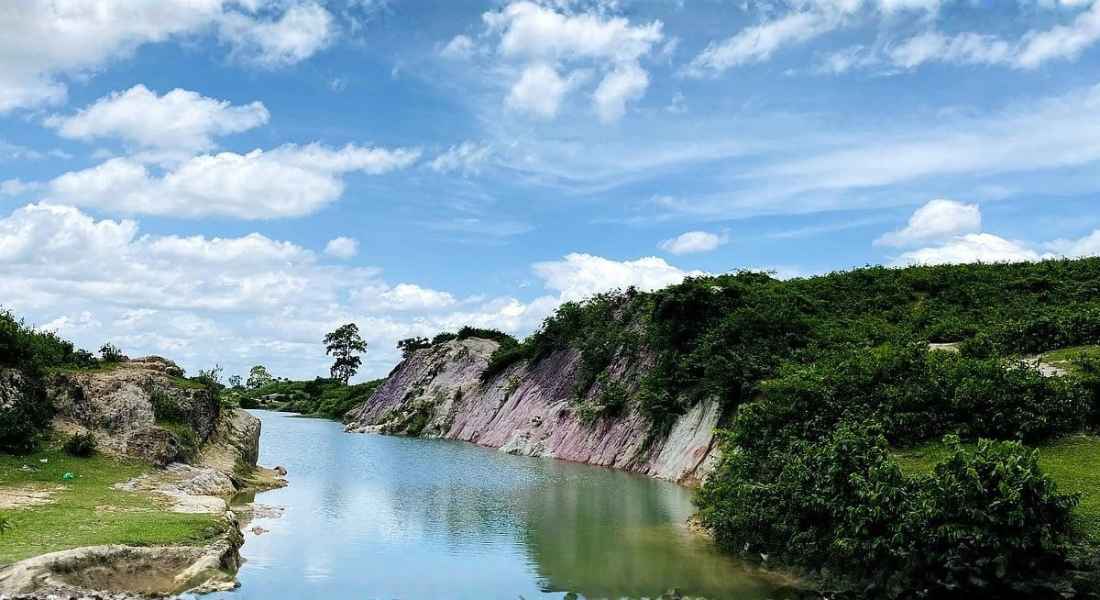
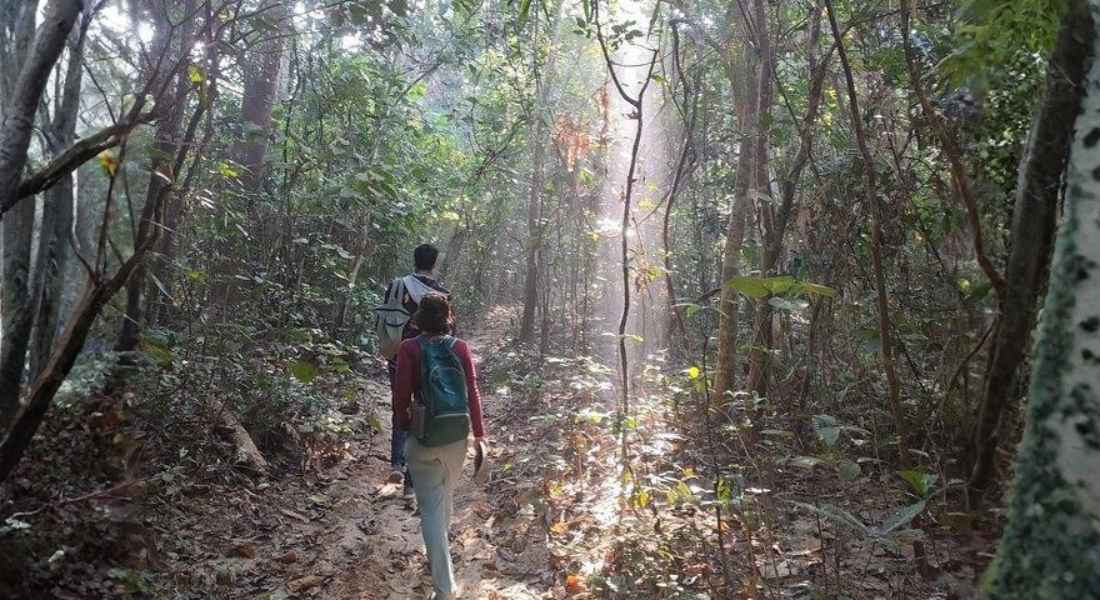
Hills rise on both sides of the river. You can hike the trails with a local guide.
The trails suit most fitness levels. Some routes take two hours. Others take a full day.
You can see views of the river valley. You can visit hill villages along the way.
Best for: Nature lovers and hikers.
Cost: 500 to 1,500 BDT for a guide.
Tip: Go in winter. Trails are dry and views are clear.
5. Cross the Suspension Bridge
A suspension bridge crosses the Someshwari River. It connects Birishiri to nearby villages.
You can walk the bridge for river views. You can watch boats pass below. You can see the hills on both sides.
This works as a short stop. It pairs well with a river walk.
Best for: Families and photographers.
Cost: Free.
Tip: Go in the morning. The light is better.
Where to Stay in Birishiri
Homestays offer the best cultural contact. Guesthouses offer more privacy.
Seasonal Guide for Birishiri
Winter (November to February): Best weather. Trails are dry and views are clear. Book early.
Spring (March to April): Hot but manageable. Start early. Hills stay green.
Monsoon (June to September): Rivers fill. The landscape turns green. Rain limits hiking. Read our monsoon travel guide.
Autumn (October): Clear skies return. Durga Puja fills the calendar. See our events in Dhaka guide.
Cost Breakdown for a Birishiri Tour
Costs vary by group size and comfort level.
Tips for Your Birishiri Tour
Carry cash. ATMs are rare in Birishiri.
Book homestays a week ahead in winter.
Wear modest clothing. Respect local customs.
Ask before photographing people.
Bring a light raincoat in monsoon.
Carry a first aid kit. Medical facilities are limited.
Learn a few Bangla and Garo phrases.
For weekend options, see our list of weekend trips from Dhaka. For one-day options, read our day trips from Dhaka guide.
Birishiri Tours for Different Travelers
Families: River walks and the suspension bridge work best. Short trips suit children. See our family tours in Bangladesh guide.
Couples: Riverside cottages and quiet riverbanks offer privacy. Check our couple tours guide.
Student groups: Homestays and village visits offer learning. See our student tour Birishiri page.
Solo travelers: Group tours reduce cost. Check group tours in Bangladesh.
Start Planning Your Birishiri Tour
Birishiri offers something rare. You can walk a clear river and meet a culture that follows its own rules. You can sleep in a family home and wake to hill views.
Pick one base. Check the season. Book a homestay. Travel slow.
The riverbank offers the easiest start. Garo villages offer the deepest culture. The hills offer the best views.
The best Birishiri tour happens when you stop rushing and start listening.
Frequently Asked Questions
How do I get to Birishiri from Dhaka?
By road. The drive takes four and a half hours through Mymensingh and Netrokona.
What is the best time to visit Birishiri?
November to February. Weather is cool and dry.
What is Birishiri known for?
The Someshwari River, the Garo community, and hill views.
Can I stay with a Garo family?
Yes. Book a homestay through a local operator. Confirm privacy and meals before you pay.
How much does a Birishiri tour cost?
Expect 2,000 to 4,100 BDT per person for a day trip. Two-day trips cost 4,000 to 8,700 BDT. Three-day trips cost 6,000 to 13,300 BDT.