Blog
14
Sep
Chattogram heritage tour
Best Heritage Sites in Chattogram: A Complete Guide
Chattogram is Bangladesh's main port. Ships have arrived here for centuries. Traders, soldiers, and migrants left their mark on the city.
That history survives in buildings, cemeteries, and temples. You can walk through it today.
Most travelers pass through. They head for Cox's Bazar. They miss the heritage that shaped the region.
Chattogram heritage tour solves this. The city offers colonial sites, religious monuments, and war history within a short drive.
This guide gives you the best sites, real costs, and planning steps. You finish ready to book your trip.
Why a Chattogram Heritage Tour Works
Chattogram grew as a port under British rule. That history left buildings you can still walk through.
Three factors make it worth the trip.
The region holds colonial, religious, and war heritage in one area
Transport links are strong, with road, rail, and air options
Costs stay low compared to other heritage destinations
The city also sits near hill communities and beaches. You can combine heritage with nature in one trip.
For a wider view of the region, read our guide to Chattogram tour.
Quick Comparison: Best Heritage Sites in Chattogram
The Best Heritage Sites in Chattogram
1. Commonwealth War Cemetery
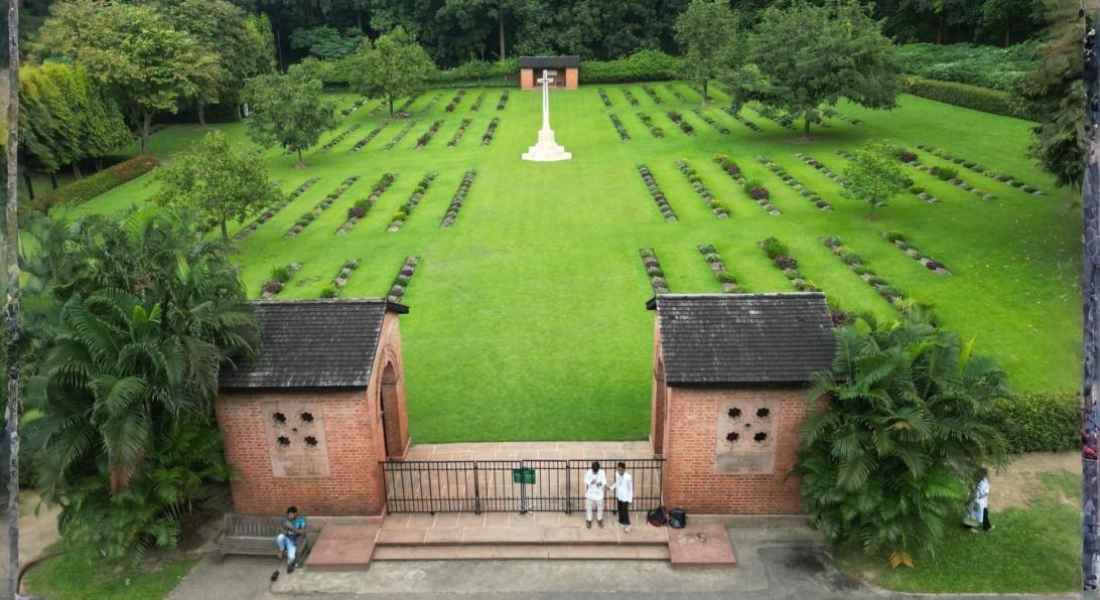
The Commonwealth War Cemetery holds the graves of soldiers who died in World War II. Most were from the British and Indian armies.
The grounds are quiet and well kept. Rows of headstones sit under trees. You can walk the site and read the names.
This works as a one-hour stop. It suits history lovers.
Best for: History lovers and families.
Cost: Free.
Tip: Dress modestly. The site is a memorial.
2. Chandranath Temple
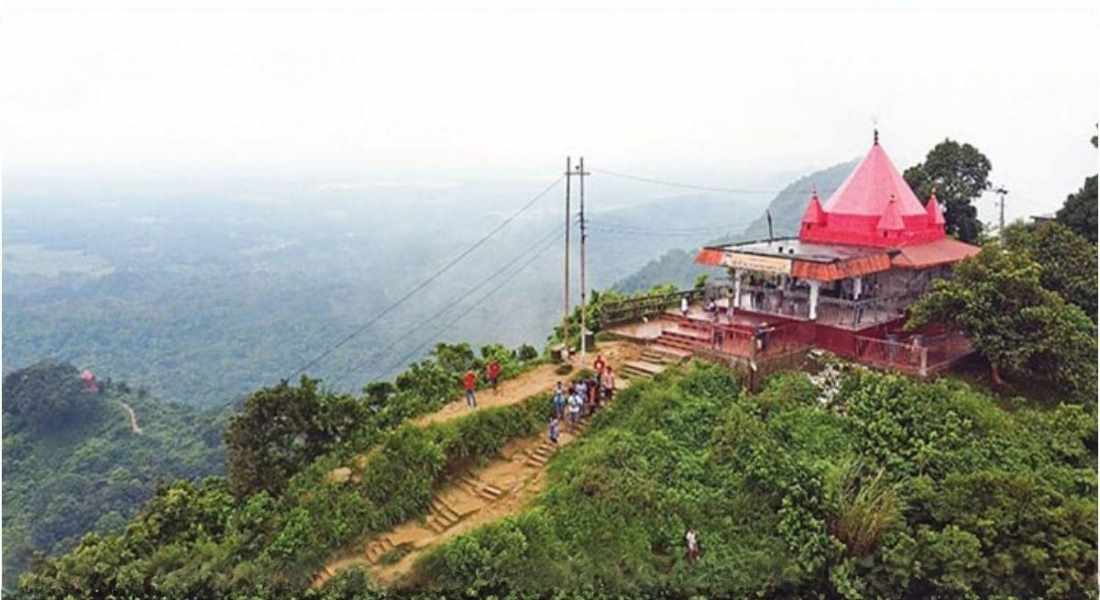
Chandranath Temple sits on a hill near Sitakunda. The drive from the city takes about an hour.
The temple is one of the oldest Hindu sites in the region. It draws pilgrims during Shivratri and other festivals.
You can visit outside prayer times. Dress modestly. Remove shoes before entering.
Best for: Religious history lovers.
Cost: Free.
Tip: Visit during a festival for the full experience.
3. Port Area Colonial Buildings
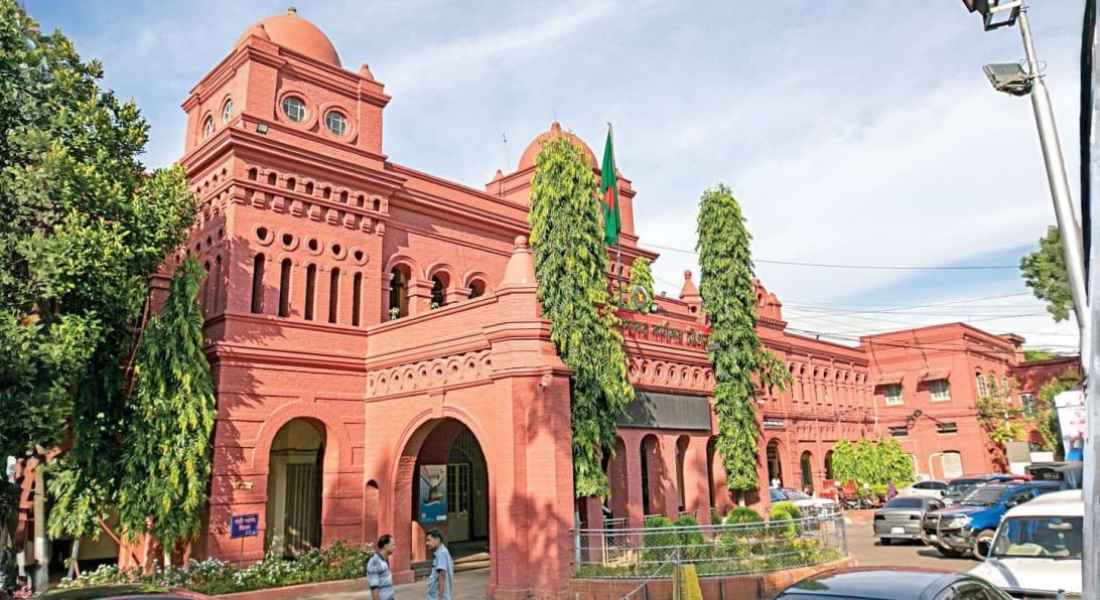
Chattogram's port area holds colonial-era buildings. Old warehouses, trading houses, and offices line the streets.
The architecture shows British influence. Thick walls, arched windows, and high ceilings mark the buildings.
You can walk the area with a local guide. They explain how trade shaped the city.
Best for: Architecture lovers and photographers.
Cost: Free.
Tip: Go early morning. The port is busiest then.
4. Batali Hill
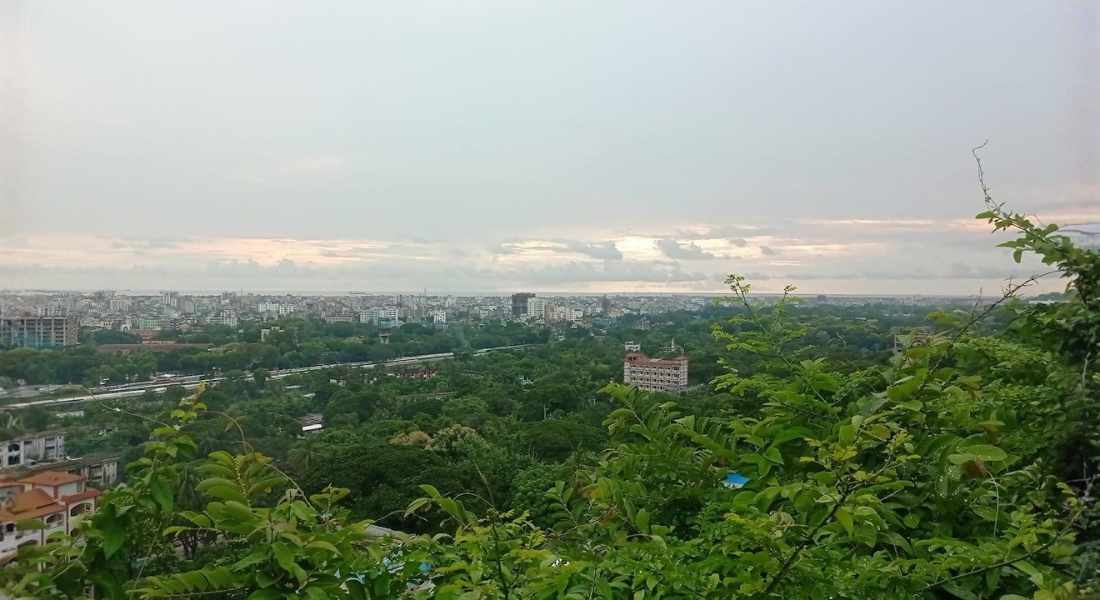
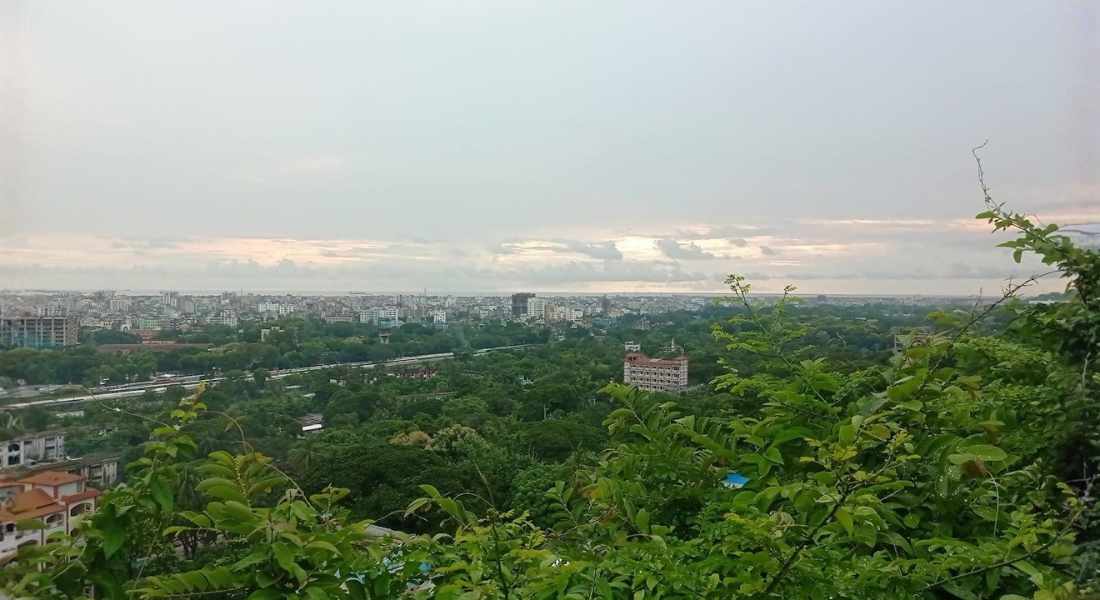
Batali Hill is the highest point in Chattogram city. It rises 280 feet above sea level.
You can climb to the top for city views. The port, the river, and the hills all spread out below.
This works as a one-hour stop. It pairs well with nearby sites.
Best for: Photographers and city explorers.
Cost: Free.
Tip: Go in the morning. Haze builds by afternoon.
5. Sitakunda Buddhist Sites
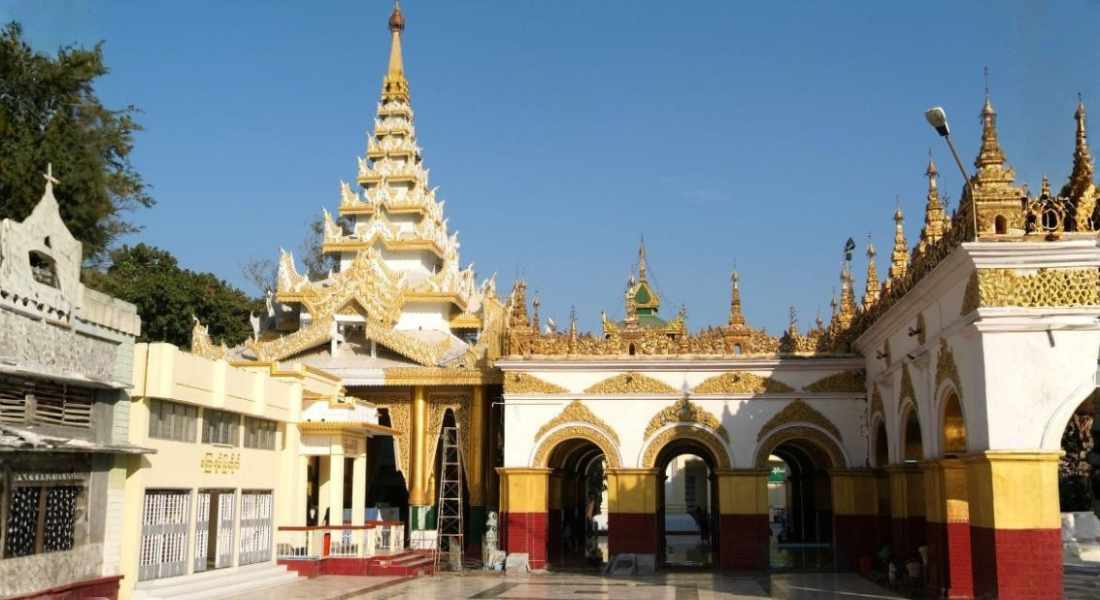
Sitakunda holds several Buddhist sites. The area sits north of Chattogram city.
You can visit temples and monasteries. The sites show the region's Buddhist history. Monks still live and worship there.
This works as a half-day trip. It suits culture seekers.
Best for: Culture seekers and religious history lovers.
Cost: 500 to 1,500 BDT per person.
Tip: Dress modestly. Ask before entering prayer halls.
6. Chittagong Court Building
The Chittagong Court Building is a colonial-era structure. It sits in the city center.
The building shows British architectural style. It still serves as a working court.
This works as a short stop. You can view the exterior and grounds.
Best for: Architecture lovers.
Cost: Free.
Tip: Visit on a weekday. The area is quieter then.
How to Plan a Chattogram Heritage Tour
Pick the Right Season
Winter (November to February) is the best time. Weather stays cool and dry.
Monsoon (June to September) brings rain. It suits indoor sites and museums. Read our monsoon travel guide before planning.
Choose Your Base
Chattogram city works as a base. It sits near most heritage sites.
For Sitakunda, stay in the city and drive out.
Plan Your Transport
Chattogram is well connected. You can travel by bus, train, or air.
Bus: The trip from Dhaka takes five to six hours.
Train: Comfortable and scenic. Book early.
Air: The fastest option. Flights take under an hour.
Hire Local Guides
Local guides know the area. They explain the history behind each site. They find details tourists miss.
Respect Local Customs
Chattogram is a conservative city. Dress modestly. Ask before photographing people. Remove shoes before entering religious sites.
For a wider heritage route, read our guide to Chattogram cultural tour.
Seasonal Guide for Chattogram Heritage Tours
Winter (November to February): Best weather. All sites work. Book early.
Spring (March to April): Hot but manageable. Start early. Pahela Baishakh falls in April.
Monsoon (June to September): Rain limits outdoor visits. Choose indoor sites.
Autumn (October): Clear skies return. Durga Puja fills the calendar. See our events in Dhaka guide.
Cost Breakdown for a Chattogram Heritage Tour
Costs vary by group size and comfort level.
Tips for Your Chattogram Heritage Tour
Carry cash. ATMs are limited outside the city center.
Wear comfortable shoes. You will walk a lot.
Visit sites in the morning. Light is better and crowds are smaller.
Wear modest clothing at religious sites.
Ask before photographing people.
Check opening hours for museums and public buildings.
Book transport early. Trains and flights fill fast.
For weekend options, see our list of weekend trips from Dhaka. For one-day options, read our day trips from Dhaka guide.
Chattogram Heritage Tours for Different Travelers
Families: The war cemetery and Batali Hill work best. Short walks suit children. See our family tours in Bangladesh guide.
Couples: Port walks and quiet cafes offer privacy. Check our couple tours guide.
Student groups: The war cemetery and Sitakunda offer learning. See our student tours in Bangladesh page.
Solo travelers: Group tours reduce cost. Check group tours in Bangladesh.
Start Planning Your Chattogram Heritage Tour
Chattogram offers something rare. You can walk a war cemetery in the morning and a colonial port in the afternoon. You can visit a Hindu temple and a Buddhist monastery in one day.
Pick one base. Check the season. Book a guide. Travel slow.
The war cemetery offers the easiest start. The port area offers the best architecture. Sitakunda offers the deepest religious history.
The best heritage sites in Chattogram are waiting. Plan your trip before the season fills up.
Frequently Asked Questions
How do I get to Chattogram from Dhaka?
By bus, train, or air. The bus takes five to six hours. Flights take under an hour.
What is the best time for a Chattogram heritage tour?
November to February. Weather is cool and dry.
What is the Commonwealth War Cemetery known for?
It holds the graves of soldiers who died in World War II.
Can I visit Sitakunda from Chattogram city?
Yes. The drive takes about an hour. Hire a car with driver.
How much does a Chattogram heritage tour cost?
Expect 1,700 to 4,100 BDT per person for a day trip. Two-day trips cost 4,900 to 10,100 BDT. Three-day trips cost 8,100 to 17,900 BDT.