Blog
10
Jun
Complete Rajshahi Tour Guide by Otithi
Otithi is one of the most authentic travel experiences in Bangladesh, combining Rajshahi's famous mango orchards, traditional silk heritage, historical landmarks, cultural attractions, and curated tour packages from Dhaka. Visitors enjoy the best rajshahi tourist place destinations, including Varendra Research Museum, Puthia Rajbari, Bagha Mosque, Padma River banks, and Rajshahi Silk factories while experiencing the unique beauty of Bangladesh's cleanest city.
Key Takeaways
Rajshahi is famous for mangoes, silk, and heritage architecture.
Otithi offers curated cultural and eco-tourism experiences.
Puthia Rajbari is among the most visited rajshahi tourist attractions.
Rajshahi Silk remains one of Bangladesh's iconic heritage industries.
Mango orchard tours peak from May to July.
Dhaka to Rajshahi travel is available by train, bus, flight, and private car.
Rajshahi travel cost remains affordable compared to other destinations.
The city combines history, nature, food, and cultural tourism.
Rajshahi sightseeing places suit families, couples, students, and photographers.
A 2-3 day itinerary covers most major attractions.
Rajshahi is famous for mangoes, silk, and heritage architecture.
Otithi offers curated cultural and eco-tourism experiences.
Puthia Rajbari is among the most visited rajshahi tourist attractions.
Rajshahi Silk remains one of Bangladesh's iconic heritage industries.
Mango orchard tours peak from May to July.
Dhaka to Rajshahi travel is available by train, bus, flight, and private car.
Rajshahi travel cost remains affordable compared to other destinations.
The city combines history, nature, food, and cultural tourism.
Rajshahi sightseeing places suit families, couples, students, and photographers.
A 2-3 day itinerary covers most major attractions.
Introduction
Rajshahi is known as the Silk City and Mango Capital of Bangladesh. Located beside the Padma River, the city combines heritage, history, culture, education, and agriculture. For travelers searching for the best rajshahi tourist place, Otithi delivers a complete experience that includes mango orchard visits, silk heritage tours, historical architecture, local cuisine, and comfortable travel arrangements from Dhaka.
Whether you are looking for a tourist place in Rajshahi, planning a weekend getaway, or researching the best places to visit in Rajshahi, this guide provides everything needed for a successful trip.
Rajshahi tour with Otithi
Rajshahi tour with Otithi is a curated tourism experience that showcases the best of Rajshahi's culture, heritage, agriculture, and hospitality.
Otithi connects visitors with authentic local experiences rather than standard sightseeing.
Benefits
Access to famous mango orchards
Guided heritage tours
Local cultural experiences
Silk industry exploration
Traditional food tasting
Hassle-free transportation
Access to famous mango orchards
Guided heritage tours
Local cultural experiences
Silk industry exploration
Traditional food tasting
Hassle-free transportation
Key Features
Customized itineraries
Local guides
Heritage-focused experiences
Photography opportunities
Family-friendly packages
Customized itineraries
Local guides
Heritage-focused experiences
Photography opportunities
Family-friendly packages
Examples of Experiences
Mango harvesting tours
Rajshahi Silk factory visits
Puthia Temple Complex exploration
Padma River sunset viewing
Local village tourism
Mango harvesting tours
Rajshahi Silk factory visits
Puthia Temple Complex exploration
Padma River sunset viewing
Local village tourism
Expert Insight
Tourism experts identify experiential tourism as one of the fastest-growing travel segments. Otithi aligns with this trend by combining cultural immersion, local storytelling, and sustainable tourism practices.
Best Rajshahi Tourist Places You Must Visit
Rajshahi offers some of Bangladesh's most significant cultural, historical, and natural attractions. For a complete overview, read this guide to Rajshahi tourist places & attractions.
1. Varendra Research Museum
The oldest museum in Bangladesh preserves archaeological artifacts from ancient Bengal.
Highlights:
Pala and Sena dynasty relics
Ancient sculptures
Historical manuscripts
Rare archaeological collections
2. Puthia Rajbari Complex
The most famous rajshahi tourist spot features magnificent temples and palaces.
Key Attractions:
Govinda Temple
Shiva Temple
Raj Palace
Historic ponds
3. Bagha Mosque
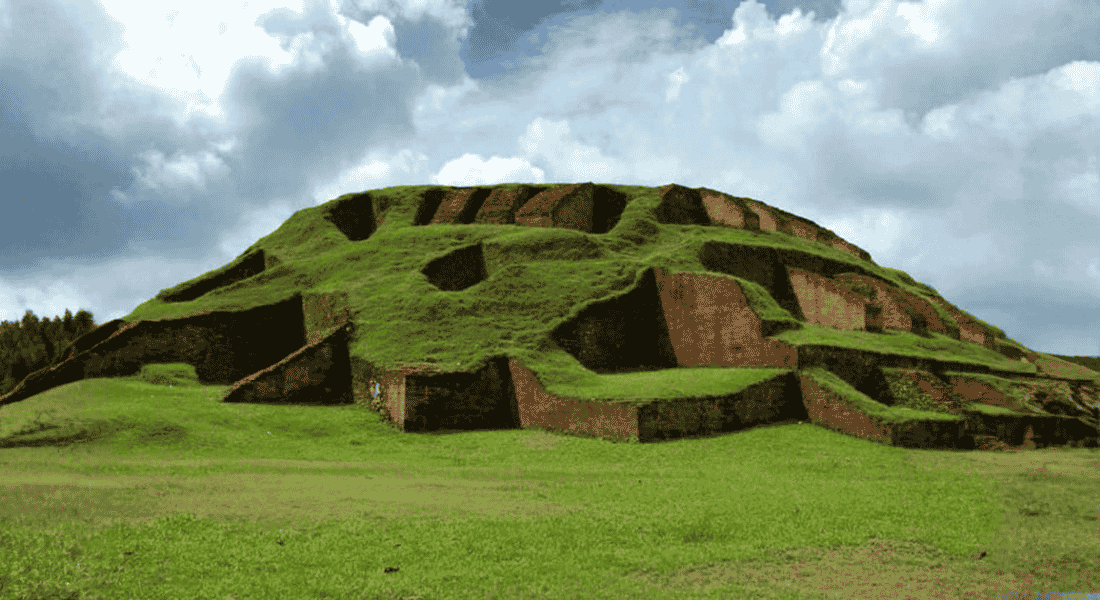
Built in 1523, Bagha Mosque represents Bengal Sultanate architecture.
Features:
Terracotta decorations
Historic Islamic heritage
Photography opportunities
4. Padma River Bank
One of the most scenic rajshahi beautiful place destinations.
Activities:
Sunset photography
Evening walks
Local food experiences
Riverside recreation
5. Rajshahi University Campus
The largest university campus in Bangladesh is also a major tourist attraction.
Attractions:
Paris Road
Green landscapes
Historic buildings
Botanical scenery
6. Rajshahi Silk Factory
An essential stop for understanding why Rajshahi is famous for silk. Learn more about the Rajshahi Silk Heritage Tour.
Visitors can observe:
Silk weaving
Production processes
Traditional craftsmanship
7. T-Bandh
A popular recreational location near the Padma River.
Ideal For:
Family outings
Picnics
Sunset viewing
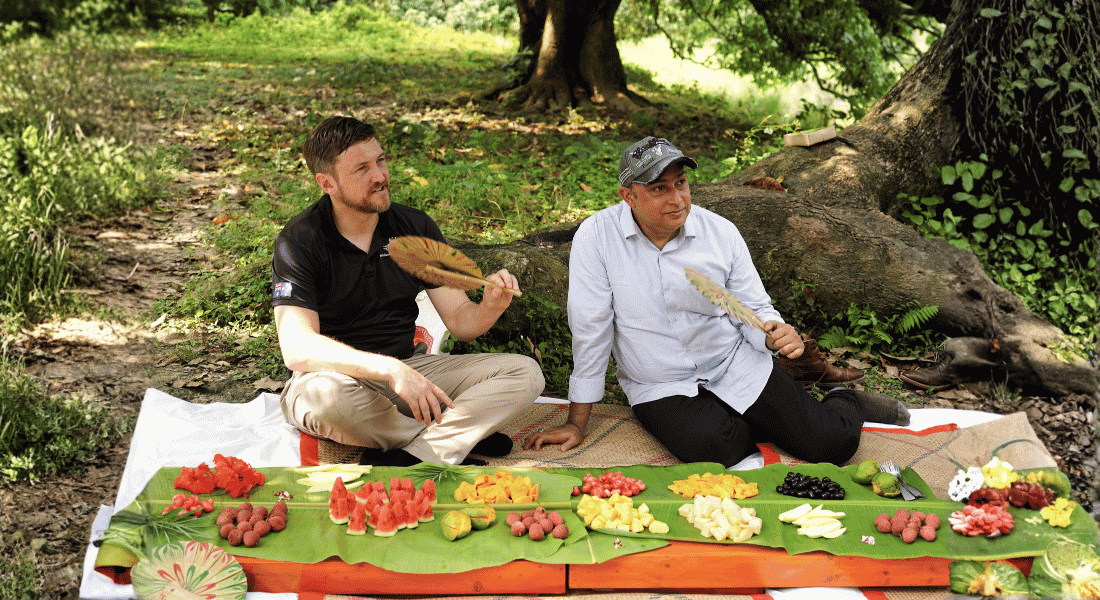
Mango Orchard Experience: Why Rajshahi Is Famous for Mango
Rajshahi produces some of the finest mango varieties in South Asia.
When people ask, "What is Rajshahi famous for?" the answer begins with mangoes.
Popular varieties include:
Langra
Fazli
Amrapali
Khirsapat (Himsagar)
Ashwina
Gopalbhog
Best Time to Visit Mango Orchards
Mango Tourism Activities
Orchard walks
Mango picking
Farmer interaction
Photography tours
Mango tasting sessions
Orchard walks
Mango picking
Farmer interaction
Photography tours
Mango tasting sessions
Otithi provides direct access to orchard experiences that typical tourists rarely experience. Book the Rajshahi Mango Orchard Experience for a hands-on agricultural tour.
Rajshahi Silk Heritage: Bangladesh's Silk Capital
Rajshahi Silk represents one of Bangladesh's most valuable cultural and economic traditions.
For decades, Rajshahi has served as the country's silk production center.
Why Rajshahi Silk Is Important
Historical export product
Traditional craftsmanship
Employment generation
Cultural identity
Historical export product
Traditional craftsmanship
Employment generation
Cultural identity
Products Available
Silk sarees
Silk scarves
Silk fabrics
Handcrafted garments
Silk sarees
Silk scarves
Silk fabrics
Handcrafted garments
Best Places to Buy Silk
Rajshahi Silk Showrooms
Local handicraft markets
Cooperative production centers
Rajshahi Silk Showrooms
Local handicraft markets
Cooperative production centers
Heritage Significance
The silk industry contributes significantly to Rajshahi's identity and attracts both domestic and international visitors.
How to Travel from Dhaka to Rajshahi
Traveling from Dhaka to Rajshahi is convenient through multiple transportation options.
Option 1: Train
Popular Trains:
Silk City Express
Padma Express
Dhumketu Express
Bonolota Express
Duration:
4.5 to 6 hours
Option 2: Bus
Operators:
Hanif Enterprise
Green Line
National Travels
Shyamoli
Duration:
5 to 7 hours
Option 3: Flight
Route:
Dhaka to Rajshahi Airport
Duration:Approximately 45 minutes
Option 4: Private Vehicle
Suitable for:
Family tours
Group travel
Corporate trips
Rajshahi Tour Package from Dhaka: Step-by-Step Planning Guide
A structured itinerary ensures travelers experience the best Rajshahi tourist places efficiently.
Day 1
Depart from Dhaka
Check into hotel
Visit Padma River
Explore Rajshahi city
Enjoy local cuisine
Depart from Dhaka
Check into hotel
Visit Padma River
Explore Rajshahi city
Enjoy local cuisine
Day 2
Visit Puthia Rajbari
Explore Bagha Mosque
Tour silk factories
Cultural photography session
Visit Puthia Rajbari
Explore Bagha Mosque
Tour silk factories
Cultural photography session
Day 3
Mango orchard experience
Local market visit
Return to Dhaka
Mango orchard experience
Local market visit
Return to Dhaka
Best Practices
Travel during mango season.
Book trains in advance.
Carry cash for local purchases.
Hire knowledgeable local guides.
Visit heritage sites during daylight.
Travel during mango season.
Book trains in advance.
Carry cash for local purchases.
Hire knowledgeable local guides.
Visit heritage sites during daylight.
Rajshahi Travel Cost Breakdown
Rajshahi remains one of Bangladesh's most budget-friendly cultural destinations.
Common Travel Mistakes and Expert Recommendations
Avoiding common planning mistakes significantly improves the Rajshahi travel experience.
Common Mistakes
Visiting outside mango season
Skipping Puthia Rajbari
Ignoring local silk markets
Not booking transport early
Missing sunset at Padma River
Visiting outside mango season
Skipping Puthia Rajbari
Ignoring local silk markets
Not booking transport early
Missing sunset at Padma River
Expert Recommendations
Visit from May to July.
Stay at least two nights.
Include cultural attractions and nature.
Purchase authentic Rajshahi Silk.
Explore local food culture.
Visit from May to July.
Stay at least two nights.
Include cultural attractions and nature.
Purchase authentic Rajshahi Silk.
Explore local food culture.
Comparison Table: Top Rajshahi Tourist Attractions
Rajshahi Tourism Statistics and Trends
Rajshahi tourism continues to grow due to heritage, agriculture, and domestic travel demand.
Key Facts
Rajshahi is known as Bangladesh's Mango Capital.
Puthia hosts one of the country's largest temple complexes.
Rajshahi Silk remains a nationally recognized heritage product.
Domestic tourism growth increases demand for Rajshahi tour packages.
Cultural tourism drives significant visitor numbers annually.
Rajshahi is known as Bangladesh's Mango Capital.
Puthia hosts one of the country's largest temple complexes.
Rajshahi Silk remains a nationally recognized heritage product.
Domestic tourism growth increases demand for Rajshahi tour packages.
Cultural tourism drives significant visitor numbers annually.
Travel Trends
Heritage tourism
Agro-tourism
Experiential travel
Sustainable tourism
Local culture immersion
Heritage tourism
Agro-tourism
Experiential travel
Sustainable tourism
Local culture immersion
Expert Insights and Case Studies
Cultural tourism creates stronger visitor engagement than traditional sightseeing alone.
Tourism Development Experts
Researchers in sustainable tourism emphasize:
Local participation improves visitor satisfaction.
Cultural authenticity increases destination value.
Agricultural tourism generates economic benefits for rural communities.
Case Study: Mango Tourism
Rajshahi's mango-based tourism model demonstrates how agricultural products can become tourism assets through orchard tours, tasting experiences, and seasonal events.
Case Study: Silk Heritage Tourism
The integration of silk manufacturing visits with heritage tours creates a diversified tourism experience that supports local artisans and preserves cultural traditions.
Frequently Asked Questions
What is the most famous rajshahi tourist place?
Puthia Rajbari is the most famous rajshahi tourist place. The complex includes historic temples, palaces, and architectural landmarks that attract visitors from across Bangladesh. It represents the region's rich cultural heritage and remains a centerpiece of Rajshahi tourism.
What is Rajshahi famous for?
Rajshahi is famous for mangoes, silk production, heritage architecture, educational institutions, and the Padma River. These attractions collectively define the city's identity and tourism appeal.
Which is the best time to visit Rajshahi?
The best time to visit Rajshahi is from November to February for pleasant weather and from May to July for mango tourism experiences. Both periods offer excellent travel conditions.
How much does a Rajshahi tour cost?
A typical Rajshahi tour costs between 3,000 and 12,000 depending on transportation, accommodation, and activities. Premium experiences cost more.
How many days are enough for Rajshahi?
Two to three days are sufficient to explore major Rajshahi tourist attractions, including Puthia Rajbari, Bagha Mosque, Varendra Museum, silk centers, and mango orchards.
Is Rajshahi safe for tourists?
Rajshahi is widely recognized as one of Bangladesh's cleanest and safest cities. The city offers a comfortable environment for families, solo travelers, and international visitors.
What are the best places to visit in Rajshahi city?
The best places to visit in Rajshahi city include Padma River Bank, Varendra Research Museum, Rajshahi University Campus, and local silk markets.
What can tourists buy in Rajshahi?
Tourists commonly purchase silk sarees, silk fabrics, mango products, handicrafts, local snacks, and traditional souvenirs.
Why should tourists visit mango orchards?
Mango orchards provide a unique agricultural tourism experience. Visitors enjoy fruit picking, farm visits, photography, and tasting some of Bangladesh's best mango varieties.
How can I travel from Dhaka to Rajshahi?
Travelers can reach Rajshahi by train, bus, flight, or private vehicle. Trains remain one of the most popular options because they are affordable and comfortable.
Is Rajshahi good for family travel?
Yes. Rajshahi offers heritage attractions, parks, riverside recreation, educational museums, and cultural experiences suitable for all age groups.
What are the top rajshahi tourist spots for photography?
Puthia Rajbari, Padma River sunset points, mango orchards, Bagha Mosque, and Rajshahi University Campus are among the best photography locations.
Why is Rajshahi called the Silk City?
Rajshahi earned the title Silk City because of its long history of silk production, weaving traditions, and silk-based industries.
Are guided tours available in Rajshahi?
Yes. Several travel operators and local guides provide heritage tours, mango orchard experiences, cultural excursions, and customized packages.
What makes Otithi unique?
Otithi combines mango tourism, silk heritage, cultural immersion, local hospitality, and heritage exploration into a single curated travel experience.
Conclusion
Otithi delivers the most complete way to explore every major rajshahi tourist place, from world-famous mango orchards and Rajshahi Silk heritage to historic landmarks such as Puthia Rajbari, Bagha Mosque, and Varendra Research Museum. Travelers seeking authentic cultural experiences, affordable travel, and meaningful local connections will find Rajshahi among the best destinations in Bangladesh. For the ultimate experience, plan your Rajshahi tour package from Dhaka during mango season and combine heritage tourism with orchard visits and silk exploration.