Blog
08
Jun
Rajshahi Silk Heritage Tour
Rajshahi Silk Heritage Tour: Complete Guide to Bangladesh's Silk City
Otithi Rajshahi Silk Heritage Tour combines the finest silk shopping with cultural exploration in Bangladesh's historic Silk City. Walk through handloom silk factories where weavers craft traditional fabrics. Visit UNESCO World Heritage temples, mosques, and archaeological sites. Discover why Rajshahi has produced fine silk for centuries. This guide shows you where to buy original Rajshahi silk, what to expect at factories, heritage attractions to visit, and how to plan your trip.
What is the Rajshahi Silk Heritage Tour?
A Rajshahi Silk Heritage Tour is a journey that blends three experiences. First, you shop for authentic silk products directly from weavers and established shops like Sopura Silk. Second, you visit working silk factories to see how artisans create traditional textiles. Third, you explore historical sites that shaped Rajshahi's identity as a cultural and commercial center. This tour works best over 3-4 days. You can spend time shopping without rushing. Factory visits take 1-2 hours each. Heritage sites require dedicated attention to appreciate their architecture and history. Combining all three elements gives you a complete understanding of why Rajshahi is called Bangladesh's Silk City.
Who Should Take This Tour?
Silk enthusiasts wanting to buy original fabrics directly from source History and culture travelers interested in Bengal's heritage Artisan and textile craft followers People wanting to combine shopping with meaningful travel Those seeking alternatives to standard tourist circuits
Why is Rajshahi Known as the Silk City of Bangladesh?
Rajshahi earned the title Silk City through centuries of continuous production. The region's climate and access to water made it ideal for sericulture (silk cultivation). Mulberry trees thrived along the Padma River. Weavers in Rajshahi developed distinctive silk fabrics recognizable across Bengal and beyond.
Historical Foundations
Rajshahi's silk history connects to Bengal's ancient trade routes. Under Hindu kingdoms and Buddhist dynasties, Bengal exported fine textiles to China and Central Asia. The region maintained textile production through Islamic sultanate periods and the British Raj. Colonial administrators recognized Rajshahi silk's quality and organized production for export markets.
Climate and Geography Advantages
Padma River provides consistent water supply for mulberry cultivation- Warm, humid climate ideal for silkworm breeding- Fertile soil supports large-scale mulberry orchards- Position on ancient trade routes facilitated commerce
History of the Rajshahi Silk Industry
The Rajshahi silk industry evolved across multiple historical periods. Each era left its mark on production methods, design aesthetics, and market reach.
Ancient and Medieval Periods
Archaeological evidence from sites like Somapura Mahavihara shows textile production in ancient Bengal. Hindu rulers under various dynasties supported textile production. Muslim sultanates, particularly under rulers in Gaud and nearby regions, maintained and expanded silk workshops. Zamindar systems during medieval times organized production and controlled markets.
Colonial Period Expansion
The British Raj transformed Rajshahi silk production. Colonial administrators invested in infrastructure. They introduced systematic sericulture practices. British companies established control over production and export. Rajshahi silk reached European markets for the first time at scale. The period from 1850-1947 saw both growth and pressure to meet British export demands.
Post-Independence Development
After 1971, Bangladesh developed its own silk industry policies. Government established silk development boards. Traditional weavers adapted to changing markets. Small factories and cooperatives replaced colonial-era large mills. Today, Rajshahi silk production balances traditional craftsmanship with modern market demands. Sopura Silk and other modern operations preserve heritage techniques while reaching contemporary consumers.
Sopura Silk and Rajshahi Silk Factories
Sopura Silk represents the modern face of Rajshahi silk production. The facility combines traditional weaving knowledge with contemporary business practices. Visiting a silk factory provides insights into how weavers transform raw silk into finished fabric.
Location and Hours
Location and Hours- Location: Central Rajshahi, easily accessible from hotels and attractions- Operating Hours: Typically 10 AM to 6 PM daily- Off Days: Usually closed on specific weekdays (confirm before visiting)- Factory Tours: Available by appointment, free to visit
What You'll See at Silk Factories
A typical silk factory visit covers the production process from raw silk to finished saree. Understanding these steps helps you appreciate the craft and justify the pricing.
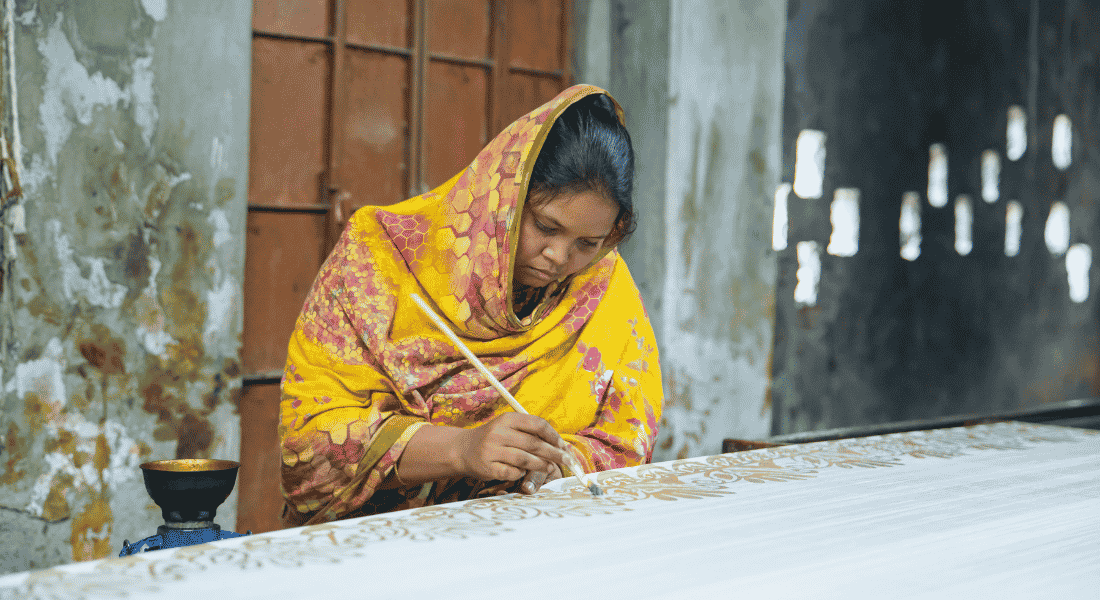
Raw Silk Reception: See bundles of raw silk arriving from sericulture centers2. Silk Processing: Watch how raw silk is cleaned, twisted, and prepared for weaving3. Dyeing Section: Observe traditional dyeing methods that create signature colors4. Handloom Weavers: See craftspeople at traditional looms creating fabric patterns5. Quality Control: Learn how defects are identified and corrected6. Finishing: Watch how completed sarees are pressed, folded, and packaged
Where to Buy Original Rajshahi Silk Sarees
Buying authentic Rajshahi silk requires knowing where to shop and what to look for. You have several options depending on your preferences and budget.
Direct from Factories
Direct from FactoriesBuying directly from silk factories offers advantages. You see production firsthand. Prices are lower than retail shops because there's no middleman markup. Factory owners can explain weaving techniques and material quality. Sopura Silk and smaller family-run operations welcome visitors. Expect to spend 2-3 hours for a complete factory visit plus shopping.
Established Silk Shops
Rajshahi's main bazaars and shopping areas have established silk retailers. These shops have been operating for decades. They maintain consistent quality standards. Staff can help you choose patterns and fabrics. Prices are higher than factories but reasonable compared to international retailers. Shop owners often have connections to multiple weavers and factories.
Online Shopping Options
Several established retailers sell Rajshahi silk online. E-commerce platforms offer convenience and wider selection. You can browse designs from home. Delivery takes 3-7 days across Bangladesh. International shipping available but shipping costs are high. Online purchases come with return guarantees from reputable sellers. Photo and video quality varies, so check multiple sources before buying.
Rajshahi Silk Saree Prices in Bangladesh
Understanding Rajshahi silk pricing helps you budget and spot genuine products. Prices vary based on silk quality, weaving pattern complexity, and where you buy.
Price Range Overview
Factors Affecting Price
Factors Affecting Price- Silk Quality: Pure silk costs more than silk blends- Weaving Complexity: Hand-woven designs take more time- Dyeing Method: Traditional natural dyes cost more than synthetic dyes- Purchase Location: Factories offer lowest prices, retail shops charge more- Custom Orders: Bespoke designs are more expensive than ready-made
Top Heritage Attractions in Rajshahi
Rajshahi's heritage sites reveal Bengal's artistic and spiritual traditions. These attractions connect to the region's cultural identity alongside its silk heritage.
Puthia Temple Complex
Puthia Temple ComplexLocated 35 km from Rajshahi city, Puthia Temple Complex showcases terracotta Hindu temples from the 18th-19th centuries. The main Govinda Temple features intricate carvings telling religious stories. The craftsmanship rivals any temple in Bengal. Entry fee is minimal. You need 2-3 hours to properly explore the compound. For more details, check out this guide to Rajshahi tourist places & attractions.
Varendra Research Museum
Varendra Research MuseumBangladesh's oldest museum outside Dhaka, Varendra Research Museum holds 5,000+ artifacts. You see terracotta pieces, stone sculptures, and ancient coins. Collections span Buddhist, Hindu, and Islamic periods. The museum building itself demonstrates Bengali architecture. Located in Rajshahi city center, it's easy to visit.
Heritage Day Trip: Somapura Mahavihara
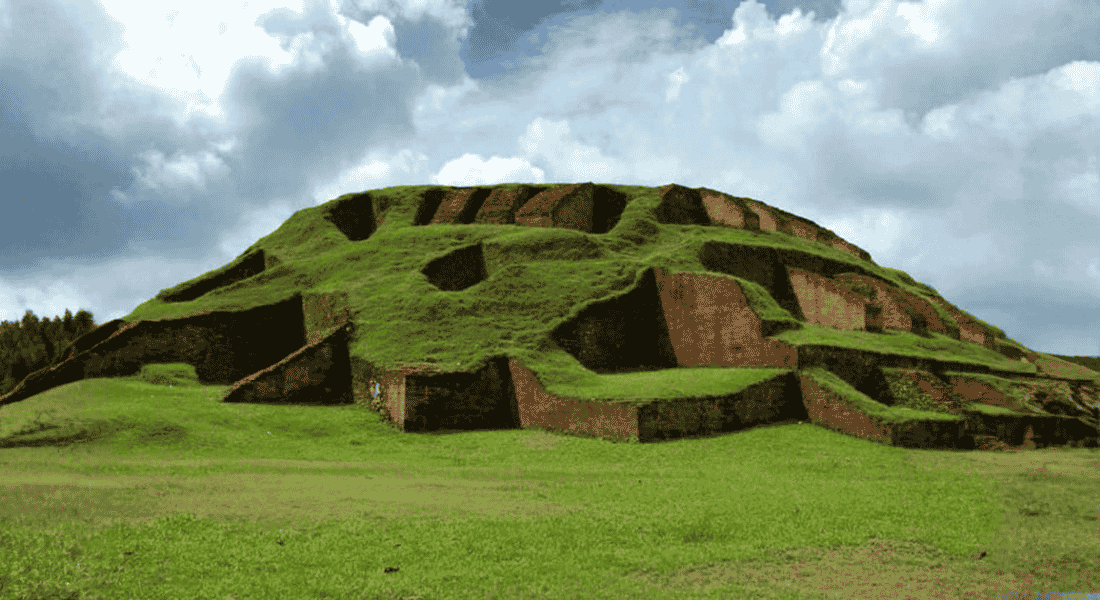
Heritage Day Trip: Somapura MahaviharaA UNESCO World Heritage Site 60 km from Rajshahi, Somapura Mahavihara is an 8th-century Buddhist monastery. The massive brick structure shows engineering excellence from ancient Bengal. Terracotta plaques depict Buddhist teachings. This is one of Bangladesh's most important archaeological sites. A day trip from Rajshahi is feasible.
Bagha Mosque
Bagha MosqueThis 16th-century mosque 25 km from Rajshahi represents Islamic architecture adapted to Bengal. Terracotta decorations show Muslim-Hindu artistic synthesis. The small, intimate design contrasts with grand sultanate mosques. The mosque remains active for prayers. Visit outside prayer times.
Chhota Sona Mosque
Chhota Sona MosqueThe Golden Mosque features delicate stone work and intricate designs. Located within Rajshahi city, it is easy to include in your itinerary. The name refers to the golden appearance of the decorative work.
Kusumba Mosque
Kusumba MosqueThis ancient mosque showcases medieval Islamic architecture. Archaeological studies suggest it dates to the sultanate period. The design reflects Bengal's distinctive approach to mosque construction. Located in rural Rajshahi, visiting requires local guides familiar with the site.
4-Day Rajshahi Silk Heritage Tour Itinerary
This itinerary balances silk shopping and factory visits with cultural sightseeing. Adjust timing based on your interests and energy levels.
Day 1: Arrival and City Orientation
Day 1: Arrival and City OrientationMorning: Arrive in Rajshahi. Check into your hotel. Rest and refresh. Afternoon: Visit Varendra Research Museum. Spend 1.5-2 hours exploring artifact collections. This introduces you to Rajshahi's historical depth. Evening: Walk through Padma Garden along the river. Watch sunset and experience the city's recreational atmosphere.
Day 2: Silk Factory and Shopping
Day 2: Silk Factory and ShoppingMorning: Visit Sopura Silk factory. Arrange a tour in advance. Spend 2-3 hours seeing weaving, dyeing, and finishing processes. Afternoon: Browse and buy at Sopura Silk showroom or other established silk shops. Try different fabrics. Ask about natural dyes versus synthetic options.
Day 3: Heritage Sites
Morning: Travel to Puthia Temple Complex (35 km, 1-hour drive). Hire a local guide. Spend 2-3 hours exploring temples and terracotta details. Lunch: Eat at a small restaurant in Puthia town. Afternoon: Visit nearby Puthia Rajbari (palace). This royal residence shows colonial-era architecture and noble traditions. Return to Rajshahi by evening.
Day 4: Extended Heritage or Final Shopping
Option A: Day trip to Somapura Mahavihara (60 km, 1.5-hour drive). Spend 3-4 hours at the UNESCO World Heritage Site. Return in the evening. Option B: Visit additional mosques (Bagha Mosque, Chhota Sona Mosque). Spend remaining time shopping for final items. Enjoy leisure time at Padma Garden before departure.
Frequently Asked Questions About Rajshahi Silk Heritage Tour
What makes Rajshahi silk different from other silk fabrics?
Rajshahi silk has distinct characteristics. The region produces pure mulberry silk. Weavers use traditional handloom techniques passed through generations. Natural dyeing creates unique colors not found in mass-produced silk. The weaving patterns reflect Bengal's artistic heritage. Rajshahi silk has a soft, lustrous finish recognizable to experts. The fabric drapes smoothly making it ideal for sarees and formal wear.
How can I verify an original Rajshahi silk saree?
Check for natural shine that appears different in different light angles- Feel the weight: authentic silk has substance, not light or thin- Examine weaving pattern closely: hand weaving shows slight irregularities- Look for loose threads: handlooms produce slight irregularities- Buy from established shops with track records
What is the average Rajshahi silk saree price?
Prices range from 4,000 BDT for simple designs to 30,000+ BDT for premium hand-woven pieces. Average prices for standard quality sarees fall between 8,000-15,000 BDT. Factory prices are
30−40%
30−40% lower than retail. Designer or special order sarees command higher prices.
Can I visit silk weaving workshops in Rajshahi?
Yes. Sopura Silk welcomes visitors to observe weaving. Other factories operate on an appointment basis. Your hotel can arrange connections. Family-run workshops are smaller and more intimate. You can interact directly with weavers. Tours are free though purchasing something is appreciated.
What is the best time to visit Rajshahi for a silk and heritage tour?
October to March offers ideal conditions. Weather is cool and dry. Humidity is manageable for walking and sightseeing. Factories operate normally. Book accommodation 2-3 months ahead for peak season. Shoulder seasons (September-October, March-April) offer fewer crowds and still pleasant weather.
What are the best Rajshahi silk products to buy?
Traditional sarees: Most popular choice for women Silk panjabi: Traditional long shirt for men, formal wear Three-piece suits: Saree blouse, dupatta, and underskirt combinations Silk fabric by the meter: For custom tailoring at home Scarves and dupattas: Versatile accessory worn multiple ways Cushion covers: Home decoration using silk fabric
How many days are ideal for a Rajshahi heritage tour?
Three days is minimum to see major sights and do some shopping. Four days allows unhurried exploration of factories, bazaars, and heritage sites. Five days lets you take a day trip to Somapura Mahavihara. Longer stays provide time to visit multiple silk factories and interact with weavers.
How does Rajshahi silk connect with the heritage of Bengal?
Rajshahi's silk heritage spans centuries of Bengal's history. Hindu kingdoms supported textile production as part of cultural patronage. Buddhist monasteries like Somapura Mahavihara maintained weavers as part of monastic communities. Islamic sultanates organized silk production in Gaud and other centers. During the British Raj, Rajshahi became a major silk export center.
Conclusion: Experience the Rajshahi Silk Heritage Tour
The Rajshahi Silk Heritage Tour offers something rare: a chance to connect with traditional craftsmanship while exploring cultural heritage. You don't just buy silk. You understand how weavers create it. You learn why Rajshahi earned its Silk City reputation. You explore archaeological sites and temples that shaped Bengal's identity.
Rajshahi rewards travelers who slow down. Spend time at Puthia Temple Complex examining terracotta details. Visit silk workshops and ask weavers about their techniques. Dine on local food. Watch sunset from Padma River banks. Buy silk directly from makers rather than middlemen.
Plan your Rajshahi Silk Heritage Tour for October through March when weather is pleasant. Book 3-4 days to balance shopping, factory visits, and sightseeing. Engage local guides who share deeper knowledge. Ask hotel staff for connections to family-run workshops. Bargain at bazaars but respect shopkeepers' expertise and time. Your Rajshahi silk purchases become more meaningful when you've walked through factories, seen artisans work, and understood the heritage behind these fabrics. A well-planned Rajshahi Silk Heritage Tour combines commerce with culture, shopping with learning, and fashion with history. Start planning today.