Blog
12
Jun
Sylhet Tourist Attractions
Sylhet Tourist Attractions & Must-Visit Places (2026)
Sylhet hides a swamp forest, a stone quarry, and a green river canyon inside one small corner of Bangladesh. You won't find this mix anywhere else in the country. If you're searching for Sylhet tourist attractions and wondering where to start, this guide gives you a clear answer. You'll get the top places to visit, real distances, real costs, and a day-by-day plan you can copy.
MUST-KNOW FACT: Sylhet sits in northeast Bangladesh, bordering Meghalaya in India. Hills, rivers, and tea gardens cover most of the district, which is why so many natural attractions sit close together.
What are the top tourist attractions in Sylhet?
The top tourist attractions in Sylhet are Ratargul Swamp Forest, Jaflong, Bisnakandi, Lalakhal, Sada Pathor, and the shrine of Hazrat Shah Jalal. Each one sits within two hours of Sylhet city. Together they cover swamp forest, river canyon, stone quarry, and spiritual heritage in a single short trip.
Why is Sylhet famous for tourism?
Sylhet is famous for tourism because it mixes natural beauty with spiritual heritage in one district. You get the only freshwater swamp forest in Bangladesh, rolling tea gardens, a border river valley, and the resting place of Hazrat Shah Jalal, one of the most respected Sufi saints in Bangladesh's history.
Top 10 Tourist Places in Sylhet (With Travel Experiences)
You don't need ten separate trips to see Sylhet properly. Most visitors cover these ten places across two or three days, since several sit on the same road.
Ratargul Swamp Forest — The only freshwater swamp forest in Bangladesh, reached by boat through flooded trees.
Jaflong — A river border town with stone collection, hill views, and the Khasia community.
Bisnakandi — A stone quarry where Khasi hill layers meet a crystal river, best seen by boat.
Lalakhal — A canal known for water that shifts between blue and green, framed by tea garden hills.
Sada Pathor (Bholaganj) — A white stone landscape along the India border, good for wading and photos.
Hazrat Shah Jalal Mazar Sharif — The shrine of Sylhet's most revered Sufi saint, inside the city itself.
Hazrat Shah Paran Mazar Sharif — A second shrine a short ride from the city, tied to Shah Jalal's mission.
Keane Bridge — A 1936 iron bridge over the Surma River, still one of the city's main landmarks.
Madhabkunda Waterfall — One of the tallest waterfalls in Bangladesh, a half-day trip from Sylhet city.
Sylhet Tea Gardens — Rolling tea estates around the city, with a short drive toward Srimangal for more.
Each of these gets its own detailed section below, so you know exactly what to expect before you go.
Top Attractions Table
PRO TIP: Group your visits by direction. Ratargul, Jaflong, Bisnakandi, and Lalakhal all sit along the same general route toward Tamabil. You can cover four places in one long day if you start early.
Ratargul Swamp Forest Complete Guide
Ratargul is the only freshwater swamp forest in Bangladesh. Locals call it the Amazon of Bangladesh. The forest sits in Gowainghat Upazila, around 26 kilometers from Sylhet city, beside the Gowain River.
During the monsoon, water rises and floods the base of every tree. You hire a small wooden boat or a kayak, and you glide between trunks that look like they're standing in a lake. The forest canopy reaches close to 15 meters in places, and herons, kingfishers, and egrets move through the branches above you.
Outside the monsoon months, the water drops low enough to expose tree roots, and the experience changes completely. You still get a boat ride, but the dense, flooded feeling fades. If you want the full swamp forest effect, plan your visit between June and September.
You can reach Ratargul two ways from Sylhet city. The shorter route runs through Khadim Tea Garden toward Shringi Bridge, where boats wait to take you in. The second route runs through Jaflong and Gowainghat town, which takes longer but lets you combine the trip with other stops.
What you'll do at Ratargul:
Hire a local boat or kayak at the entry point
Glide through narrow water lanes between flooded trees
Climb the watchtower for a full view of the canopy
Watch for monkeys, water monitors, and birds along the banks
LOCAL INSIGHT: Boatmen at Ratargul usually charge by the boat, not by the person, so a group splits the cost easily. Agree on the price and the route before you step into the boat.
Jaflong & Bisnakandi Adventure
Jaflong and Bisnakandi sit close enough to visit on the same day, and most tour plans pair them together.
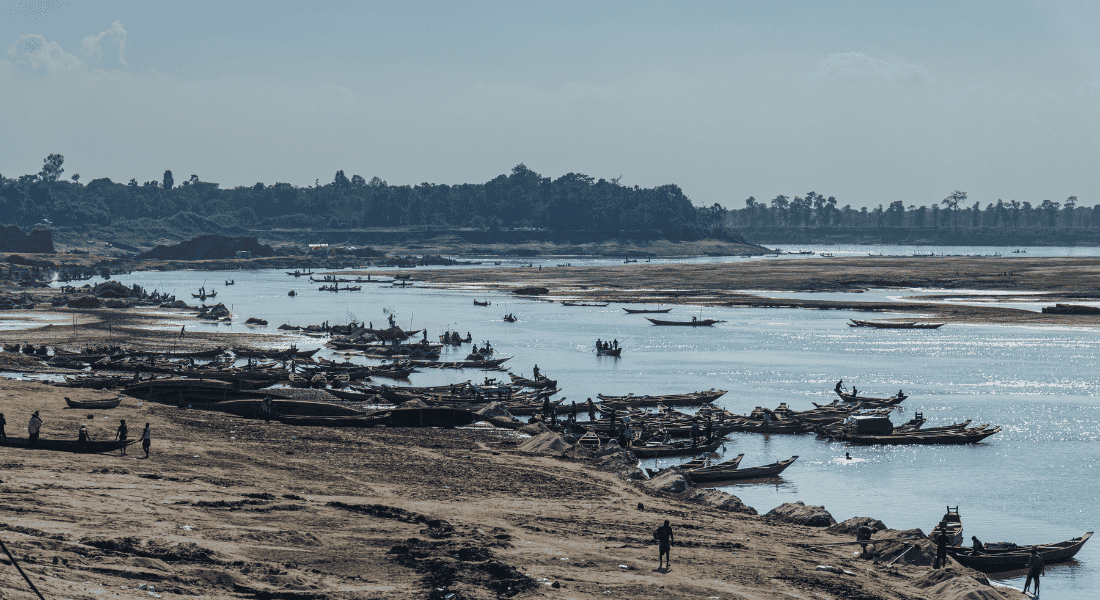
Jaflong sits at the base of the Khasia-Jainta Hills, right on the border with India's Meghalaya state. The Piyain River runs through the area, carrying stones down from the hills that local workers collect by hand. You can hire a boat to ride along the river, watch the stone collection process, and get a close view of the hills across the border. Winter brings clearer water, while monsoon season brings stronger waterfalls from the hillside.
Bisnakandi, sometimes spelled Bichanakandi, lies in the Rustompur Union of the same upazila. Several layers of Khasi hills meet at one point here, and a river stream carrying boulders cuts through the landscape. A boat ride through this stretch shows you stacked hills, scattered rocks, and a river so clear you can see the stone bed underneath.
Both spots peak during the monsoon months, roughly June through September, when the rain fills the rivers and the hills disappear into low cloud.
Travel Time Table
EXPERT TIP: Boats at Jaflong and Bisnakandi often require a guide who knows the safe channels. Stick to the route the boatman suggests, since some stretches sit close to the international border.
Lalakhal Crystal River Boat Experience
Lalakhal sits in Jaintapur Upazila, fed by the Sari-Goyain River that flows down from Meghalaya. The water here shifts color depending on the season and the angle of the sun, moving between deep blue and bright green.
A boat ride is the whole point of a Lalakhal visit. You board near Sarighat, and the boat carries you along a canal lined with tea garden hills on one side and forest on the other. The ride runs calm most of the year, which makes it a good choice for couples, families, and anyone who wants a slower pace than Jaflong or Bisnakandi offer.
Tea estates sit right along parts of the route, so you get green hills, clear water, and plantation rows in the same frame. Many photographers rank Lalakhal among the most beautiful place in Sylhet for this reason alone.
What makes a Lalakhal trip work well:
Go early morning for calmer water and softer light
Bring a change of clothes if you plan to wade in shallow spots
Combine it with Jaflong or Bisnakandi, since all three sit along the same general direction
PRO TIP: A full moon night at Lalakhal draws local visitors who come just for the moonlight on the water. If your schedule allows it, check the lunar calendar before you book your trip.
Sada Pathor White Stone Landscape
Sada Pathor sits in Companiganj Upazila, close to the Bholaganj area near the India border. The name translates to white stone, and that's exactly what you'll find here. Years of stone mining have left a wide stretch of pale rock along the riverbed, with clear water running over and around it.
You can walk into the shallow water, sit on the smooth stones, or simply take in the view of the hills rising just across the border. The site doubles as the largest stone quarry in the district, so you'll likely see workers collecting stone by hand along the riverbank, a sight that gives you a real look at the local economy behind the scenery.
Some travelers extend the trip on foot from Bholaganj through smaller stops like Utma Sora and Turong Sora before reaching Bisnakandi, turning a single destination into a half-day walking route through the hills.
MUST-KNOW FACT: The rocks underwater at Sada Pathor get slippery fast. Wear shoes with grip, and watch your footing if you walk out toward deeper water.
Shahjalal Mazar, Shah Paran Mazar & Spiritual Sylhet
Sylhet carries the nickname spiritual capital of Bangladesh, and this section explains why.
Hazrat Shah Jalal Mazar Sharif sits inside Sylhet city itself. Shah Jalal arrived in the region in the early 14th century and is remembered as the Sufi saint who spread Islam across this part of Bengal. His shrine draws visitors from across the country every day, not only during religious occasions. You'll find a calm courtyard, a mosque, and a steady stream of pilgrims offering prayers.
Hazrat Shah Paran Mazar Sharif sits a short ride from the city center. Shah Paran is remembered as a close companion in Shah Jalal's mission, and his shrine carries its own steady flow of visitors. Many travelers visit both shrines on the same day, since the distance between them is short.
Shahi Eidgah rounds out the spiritual landmarks worth knowing about. Built during the Mughal period, this large open ground hosts some of the biggest Eid prayer gatherings in the country and stands as one of the largest Eidgahs in Bangladesh.
If you plan a visit to any of these shrines, dress modestly and keep your voice low inside the courtyards. These are active places of worship, not simply photo stops.
LOCAL INSIGHT: Locals often visit Shah Jalal Mazar early in the morning or just after sunset, when the courtyard sits quieter and the heat has eased off.
Dreamland Park, Eco Park & Sylhet Parks
Not every day in Sylhet has to involve a boat or a hike. The city and its outskirts hold a handful of parks built for a simpler kind of family outing.
Dreamland Park sits on the outskirts of Sylhet city and runs as an amusement park with rides, open lawns, and food stalls. Families with younger children often choose this stop over a longer trip to the border areas, especially on a tight schedule.
Eco Park locations around Sylhet division offer a quieter version of the same idea, built around walking trails, small lakes, and shaded seating rather than rides. Madhabkunda Eco Park, near the waterfall in Moulvibazar, is the best known example, combining a forest walk with the waterfall visit itself.
A short Sylhet park list worth keeping in mind:
Dreamland Park, for rides and a full family day out
Madhabkunda Eco Park, paired with the waterfall trek
Khadimnagar National Park, a quieter forest stop near the city
Local city parks along the Surma River, good for an evening walk
PRO TIP: If your group has young kids and older relatives traveling together, Dreamland Park or a city-side park gives everyone an easy day between two longer countryside trips.
Hidden Gems of Sylhet
Beyond the famous names, Sylhet holds smaller spots that rarely make the front page of a travel brochure. Locals visit these often, and a few are worth adding if you have extra time.
Companiganj — The upazila that holds Sada Pathor and Bholaganj, worth a stop on its own for the stone quarry views and the road through the hills.
Golapganj — A quieter upazila known for rural scenery and the Dholai River area, a good stop if you want fewer crowds.
Rangpani — A river spot near the Companiganj and Bisnakandi route, popular with local visitors who stop here on the way to the bigger quarry sites.
Utma Chora — A small waterfall and stream stop along the walking route between Bholaganj and Bisnakandi, often paired with Turong Sora.
Mejortila — One of Sylhet city's elevated localities, known among residents for green views over the surrounding hills.
Shapla Bill — A wetland near the airport road where water lilies bloom across the surface, a favorite quick stop for photography.
22 Tila — A hilly stretch within the city limits, named for its many small hills, popular for a short walk away from city traffic.
King Bridge — A quiet bridge spot on the outskirts of the city, used by locals for evening photos and a calmer river view than Keane Bridge offers.
Subhanighat — A riverside neighborhood along the Surma, where small boats line up and city life meets the river directly.
None of these require a full day on their own. Most work best as a short detour added to a bigger trip toward Jaflong, Bisnakandi, or Sada Pathor.
Tea Garden Experiences in Sylhet & Srimangal Connection
Tea covers more of Sylhet's hillsides than almost anything else. Around the city itself, gardens like Lakkatura, Malnichhara, and Tarapur sit close enough for a short visit, where you can walk between rows and watch workers plucking leaves by hand during the picking season.
For a deeper tea experience, most visitors extend the trip toward Srimangal, in neighboring Moulvibazar district. Srimangal carries the title tea capital of Bangladesh, with plantations stretching across the hills in every direction. A short stop at a tea estate here, paired with a visit to a local tea research center, gives you a much closer look at how the leaves move from the bush to the cup.
What a tea garden visit usually includes:
A walk between rows of tea bushes on a working estate
A look at the tea plucking process during the harvest season
Photos across the green carpet hills, especially strong in early morning light
A stop at a roadside tea stall for a fresh cup grown just up the hill
If your schedule allows a longer trip, pairing Sylhet's nearby gardens with a half-day in Srimangal rounds out the full tea garden experience that the region is known for.
Transportation Guide in Sylhet
Getting around Sylhet mixes shared local transport with private hire, depending on how far you're going and how many people are in your group.
Transport Table
Inside Sylhet city, CNG auto-rickshaws cover most short trips. For day trips to Jaflong, Bisnakandi, Lalakhal, or Sada Pathor, a reserved CNG or a private car works best, since these spots sit outside the reach of regular bus routes.
How to travel around Sylhet?
Travel around Sylhet city by CNG auto-rickshaw for short trips, and reserve a private car or microbus for day trips to outer attractions like Jaflong or Bisnakandi. Boats are required once you reach river and swamp destinations, and most boatmen wait right at the entry point of each site.
LOCAL INSIGHT: Ambarkhana is the main hub in Sylhet city for hiring CNGs toward Ratargul, Jaflong, and the border attractions. Drivers here know the routes well and usually quote a fair price after some back and forth.
2-Day and 3-Day Sylhet Itinerary
Best places to visit in Sylhet in 2 days
Day 1 morning: Ratargul Swamp Forest, boat ride through the flooded forest
Day 1 afternoon: Jaflong, river views and stone collection
Day 1 evening: Return to Sylhet city, dinner near Zindabazar
Day 2 morning: Bisnakandi or Lalakhal, boat ride through the hills
Day 2 afternoon: Hazrat Shah Jalal Mazar Sharif and Keane Bridge
Day 2 evening: Sunset walk along the Surma River
3-Day Plan
If you have a third day, add Sada Pathor in the morning, followed by a slower afternoon at a tea garden close to the city, then leave the third evening open for Shah Paran Mazar and a relaxed dinner in town. This pace keeps your mornings active and your evenings light, which works better than packing every site into two rushed days.
Cost Breakdown for a Sylhet Trip
Cost Table
Costs shift with season, group size, and how well you bargain. Weekends and the monsoon peak season usually push boat prices higher.
Travel Tips for Visiting Sylhet
Visit between June and September if you want Ratargul, Jaflong, and Bisnakandi at their most dramatic.
Carry cash. Many boatmen, CNG drivers, and small stalls outside the city don't accept cards.
Wear shoes with good grip for stone landscapes like Sada Pathor and river crossings at Bisnakandi.
Start countryside trips early in the morning to avoid both heat and afternoon rain delays.
Always agree on a boat or CNG price before you start the ride, not after.
Pack a light rain jacket during monsoon months, since weather changes fast in the hills.
Keep your phone and camera in a waterproof bag during any boat ride.
Mistakes to Avoid
Don't skip the rainy season entirely. Many of Sylhet's biggest attractions look their best with water at full flow.
Don't try to cover Jaflong, Bisnakandi, Lalakhal, and Sada Pathor in a single rushed day. Pick two and enjoy them properly.
Don't ignore local guidance near the border areas around Jaflong and Bisnakandi.
Don't forget to check boat availability before traveling out, since low water season can limit access at some sites.
Don't dress inappropriately at Shah Jalal Mazar or Shah Paran Mazar. These remain active religious sites.
Frequently Asked Questions
What are the top tourist attractions in Sylhet?
The top attractions include Ratargul Swamp Forest, Jaflong, Bisnakandi, Lalakhal, Sada Pathor, and the shrine of Hazrat Shah Jalal. Each one sits within a two to three hour drive of Sylhet city, which means you can combine several into one trip. Ratargul offers a swamp forest boat ride, while Jaflong and Bisnakandi bring river and hill scenery near the India border. Shah Jalal Mazar adds a spiritual stop right inside the city, making Sylhet one of the few districts in Bangladesh where nature and heritage sit so close together.
What is the best time to visit Sylhet for sightseeing?
The monsoon months, from June through September, bring Sylhet's rivers and waterfalls to their fullest, which makes spots like Ratargul, Jaflong, and Bisnakandi look their most dramatic. Winter, from November through February, offers drier roads and clearer skies, better suited for stone landscapes like Sada Pathor and for shrine visits in the city. If you want flooded forests and strong waterfalls, go in monsoon. If you prefer easier travel and calmer water, go in winter.
Which is the most beautiful place in Sylhet?
Many travelers name Lalakhal as the most beautiful place in Sylhet, thanks to its shifting blue-green water framed by tea garden hills. Others give that title to Bisnakandi, where layered Khasi hills meet a crystal-clear river. Ratargul earns its own following for the flooded forest effect during monsoon. Beauty here depends on what you're drawn to: river color at Lalakhal, hill layers at Bisnakandi, or forest stillness at Ratargul.
How many days do I need to see Sylhet properly?
Two days cover the core attractions well: a swamp forest or river site each morning, paired with a city or heritage stop each afternoon. Three days let you add Sada Pathor, a tea garden visit, and a second shrine without rushing. Travelers chasing Madhabkunda Waterfall or a deeper Srimangal tea trip often extend to four or five days, since those sit further from Sylhet city.
Is Jaflong or Bisnakandi better for a day trip?
Jaflong offers a wider river view, hill scenery, and a look at the Khasia community, while Bisnakandi gives a more layered hill backdrop with a quieter quarry setting. Many travelers visit both in one long day, since they sit along a similar direction from Sylhet city. If you can only pick one, choose Jaflong for variety and Bisnakandi for a calmer, more photogenic river ride.
What is Sada Pathor known for?
Sada Pathor, also written as Shada Pathor, sits in Companiganj Upazila near Bholaganj and is known for its white stone riverbed and clear shallow water. It also doubles as one of the largest stone quarries in the district, so you'll see local workers collecting stone by hand along the bank. Visitors come here to wade in the water, sit on the smooth white rocks, and take in the view of the hills across the nearby India border.
Can I visit Shahjalal Mazar and Shah Paran Mazar on the same day?
Yes, both shrines sit close enough to visit on the same day without trouble. Hazrat Shah Jalal Mazar Sharif sits inside Sylhet city, while Hazrat Shah Paran Mazar Sharif sits a short ride away. Many pilgrims and travelers combine both visits into one morning, since the distance between them is short and both remain active places of worship that welcome visitors throughout the day.
Are Dreamland Park and Eco Park good for families?
Yes, both work well for families, especially with younger children or older relatives who may not want a long boat ride or hike. Dreamland Park offers amusement rides and open lawns close to the city, while Eco Park areas, including Madhabkunda Eco Park, offer a quieter walk through forest trails near a waterfall. These spots work best as an easier day placed between two longer countryside trips.
What are some hidden or offbeat places in Sylhet?
Beyond the well-known spots, Sylhet holds smaller places like Rangpani, Utma Chora, Shapla Bill, 22 Tila, Mejortila, King Bridge, and Subhanighat. Rangpani and Utma Chora sit along the walking route near Bholaganj and Bisnakandi. Shapla Bill draws photographers when its water lilies bloom. 22 Tila and Mejortila give a quieter, hillier side of the city, while Subhanighat shows everyday river life along the Surma.
How do I get from Sylhet city to Jaflong, Bisnakandi, and Lalakhal?
The easiest way is to reserve a CNG auto-rickshaw or a private car from a hub like Ambarkhana in Sylhet city. Jaflong sits around 60 kilometers away, Bisnakandi around 30 to 40 kilometers, and Lalakhal around 35 to 40 kilometers, with travel times between one and three hours depending on traffic and road conditions. Many drivers offer a combined day rate that covers two or three of these stops in one trip.
Is Sylhet connected to the Srimangal tea region?
Yes, Sylhet sits within reach of Srimangal, which lies in the neighboring Moulvibazar district and carries the title tea capital of Bangladesh. Many travelers pair a short visit to tea gardens near Sylhet city with a longer day trip toward Srimangal for a deeper look at tea estates, plucking activity, and the wider plantation country that the region is known for.
What should I pack for a Sylhet trip?
Pack light cotton clothing, a rain jacket for monsoon months, and shoes with good grip for wet stone surfaces at places like Sada Pathor and Bisnakandi. Bring cash, since many boatmen and small vendors outside the city don't accept cards. A waterproof bag for your phone or camera helps during boat rides, and modest clothing works best for shrine visits at Shah Jalal Mazar and Shah Paran Mazar.
Plan Your Sylhet Trip Today
Sylhet packs swamp forest, river canyon, stone quarry, and centuries of spiritual heritage into one corner of Bangladesh. Few places let you move from a flooded forest boat ride to a Sufi shrine courtyard in the same afternoon. That mix is exactly what makes Sylhet tourist attractions worth the trip, whether you have two days or five.
Start with the places that match what you want most. Chase river color at Lalakhal, hill drama at Bisnakandi, or quiet reflection at Shah Jalal Mazar. Build your route around the season, keep your group's pace in mind, and you'll come back with more than photos.
Ready to book your trip? Check full Sylhet tour packages for ready-made routes, or look at the Sylhet swamp and heritage tour if Ratargul and the city's shrines top your list. Traveling as a couple? The Lalakhal couple retreat is built around that exact river experience. You can browse every option through Otithi Tourism and start planning your dates now.
Sources
Bangladesh Tourism Board, under the Ministry of Civil Aviation and Tourism, for official destination information across Sylhet Division.
Beautiful Bangladesh, the government tourism portal, for verified details on Ratargul Swamp Forest and Madhabkunda Waterfall.
Sylhet District administration's official records on local upazilas, including Gowainghat, Jaintapur, and Companiganj.
Note on cultural heritage: no site in Sylhet currently holds UNESCO World Heritage status. Historians and researchers do consider the wider Sylhet region one of the more archaeologically significant parts of South Asia, given its long settlement history tied to the Surma and Barak river valleys.