Blog
12
Jun
Rajshahi Tourist Places & Attractions: Complete Travel Guide
Rajshahi Tourist Places & Attractions: Complete Travel Guide
Rajshahi sits in northwest Bangladesh, home to centuries-old temples, archaeological treasures, and natural beauty along the Padma River. Whether you seek spiritual sites, museum collections, or riverside gardens, Rajshahi offers experiences that connect you to Bengal's cultural past. This guide covers 15+ must-visit tourist places, entry fees, practical tips, and insider knowledge you need to plan your trip.
What Makes Rajshahi a Top Tourist Destination?
Rajshahi holds special status in Bangladesh tourism for three reasons:
Historical Depth
The region houses some of the oldest cities and archaeological sites in Bengal. Temples and mosques dating back centuries still stand. Museums preserve artifacts that tell Bangladesh's story.
Cultural Gateway
Rajshahi bridges Hindu and Muslim heritage. You'll find ancient temples beside historic mosques, showcasing Bengal's syncretic past.
Natural Setting
The Padma River creates a stunning backdrop. Lush mango orchards, peaceful gardens, and natural wetlands surround the city.
Local experts consider Rajshahi the heart of Bangladesh's cultural tourism. Fewer international visitors arrive here compared to Cox's Bazar, meaning you experience authentic local life.
Best Tourist Places in Rajshahi
1. Puthia Temple Complex
What You'll Find
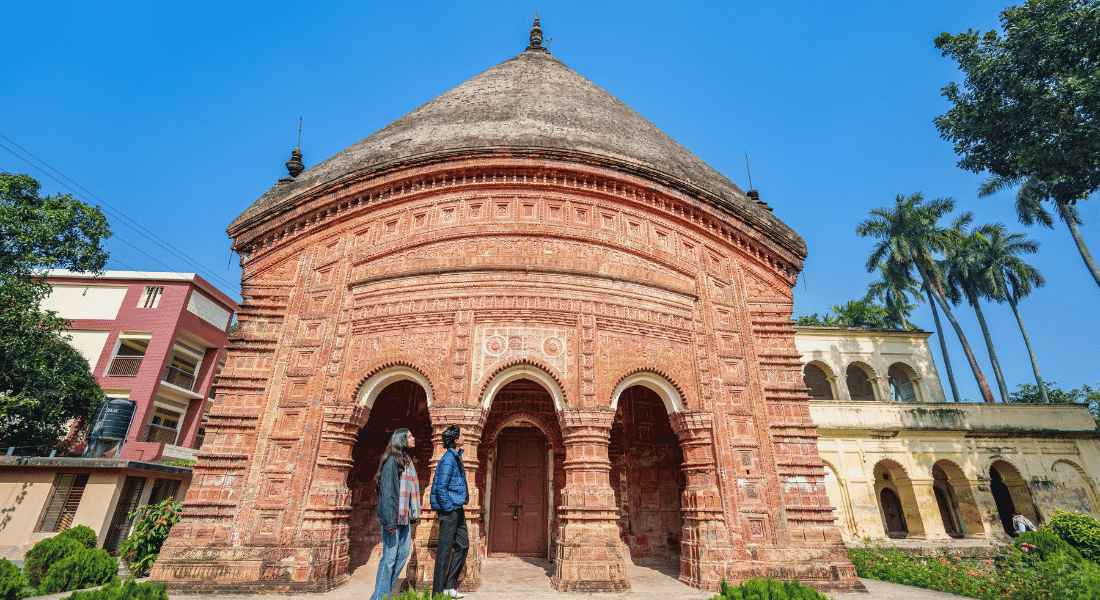
The Puthia Temple Complex in Puthia upazila ranks among Rajshahi's most photographed sites. Terracotta temples with intricate carvings cover the compound. The main Govinda Temple showcases Hindu artistry at its finest.
Key Details
Location: Puthia, about 35 km south of Rajshahi city
Built: 18th-19th centuries
Main Structures: Govinda Temple, Krishna Temple, Shiv Temple
Entry Fee: 50-100 BDT (less than $1 USD)
Time Needed: 2-3 hours
What Makes It Special
The terracotta work tells stories through detailed scenes. Walk the compound and spot narrative panels showing religious tales. The temples blend Hindu architectural traditions with Bengal's unique style.
Photography enthusiasts spend entire afternoons here. The red clay structures glow during golden hour. Local guides offer context about construction techniques and symbolic meanings.
Pro Tip
Visit early morning to avoid crowds. Hire a local guide for 300-500 BDT to understand the temple narratives. Bring water and sun protection.
2. Varendra Research Museum
What You'll Find
Varendra Research Museum houses Bangladesh's oldest museum collection outside Dhaka. Terracotta pieces, stone sculptures, and ancient coins fill the galleries. You see artifacts from Hindu, Muslim, and Buddhist periods under one roof.
Key Details
Location: Shaheb Bazar, Rajshahi city
Established: 1910
Collections: 5,000+ artifacts
Entry Fee: 20 BDT
Hours: 9 AM – 5 PM (closed Monday)
What Makes It Special
This museum tells archaeology's story chronologically. Start from prehistoric Bengal, move through ancient Hindu kingdoms, then medieval Islamic periods. The Buddhist section displays stunning stupa fragments and monastery artifacts.
Local Insight
Museum staff speak Bengali and limited English. Bring a guidebook or hire a guide outside. Photography is allowed in most galleries.
3. Padma Garden (Padma Park)
What You'll Find
Padma Garden stretches along the Padma River's banks. Walkways, seating areas, and landscaped sections create space for locals and tourists. The river view makes it Rajshahi's most visited recreational site.
Key Details
Location: Laxmipur, along Padma River
Entry Fee: Free or minimal
Best Time: October-March
Facilities: Walking paths, benches, washrooms, small food stalls
What Makes It Special
This is where Rajshahi city breathes. Families come here during weekends. Couples sit by the riverside. Joggers use the early morning hours. The garden connects you to daily Rajshahi life.
Local Insight
Evening visits are most popular. Bring snacks and settle in to watch sunset over the river. Photography of the river and distant banks rewards patience.
4. Bagha Mosque
What You'll Find
Bagha Mosque represents Islamic architecture's evolution in Bengal. Built in the 16th century by local nobles, it survived centuries of change. Terracotta and stone work reflect Muslim-Hindu artistic synthesis.
Key Details
Location: Bagha, about 25 km from Rajshahi
Built: 16th century
Architectural Style: Medieval Islamic-Bengali blend
Entry Fee: Free
Pro Tip
Respect prayer times. Visit outside prayer hours. Remove shoes at entrance. Women should dress conservatively.
More Key Attractions
Planning Your Rajshahi Visit
When to Go
October to March
This is peak tourist season. Weather stays cool and dry. Humidity drops compared to other months. Temples, parks, and gardens are most comfortable.
April to June
Heat intensifies. Early morning visits work best. Evening activity increases. Fewer tourists mean shorter lines.
July to September
Monsoon arrives. Roads flood occasionally. Some sites close during peak rains. Greenery peaks though, making photography dramatic.
Getting Around
Auto Rickshaws
Local three-wheelers cost 20-50 BDT per trip within city. Negotiate beforehand. They work well for short distances.
Hired Vehicles
Car rentals with drivers cost 1,500-2,500 BDT daily. Worth it for visiting multiple sites. Drivers know shortcuts and best routes.
Public Buses
Local buses connect Rajshahi to other districts. Comfortable for longer journeys. Cheaper than private vehicles.
Accommodation Options
Budget Hotels: Basic rooms run 500-1,000 BDT. Clean and acceptable for short stays.
Mid-Range Hotels: 1,500-3,000 BDT range offers comfort and amenities. Most tourists choose this category.
Guesthouses: Local family-run operations provide authentic experiences at budget prices.
Cost Breakdown for a Day Trip
Pro Tips for Visiting Rajshahi
Hire Local Guides
Local guides cost 300-500 BDT for 2-3 hours. They explain architectural details, historical context, and cultural meanings that enhance experiences. Most hotels can arrange guides.
Use Early Mornings
Visit major temples and parks before 10 AM. Crowds remain small. Light is best for photography. Weather stays cooler.
Respect Religious Sites
Remove shoes at temples and mosques. Dress conservatively. Women should cover shoulders and knees. Photography may be restricted in prayer areas.
Learn Basic Bengali Phrases
Nomoshkar (hello), Dhonnobad (thank you), and Kitne (how much) help interactions. Locals appreciate effort to speak their language.
Bring Sun Protection
Hats, sunscreen, and sunglasses are essential year-round. The Padma region gets intense sun. Dehydration happens quickly without attention.
Keep Small Cash
Many sites don't accept cards. ATMs cluster near city center. Rural sites require cash only. Carry small denomination notes for vendors.
Frequently Asked Questions
How many days should I spend in Rajshahi?
Two to three days provide adequate time for main attractions. Day one covers Puthia temples and Rajbari. Day two includes Padma Garden, Varendra Museum, and Shah Makhdum Mazar. Day three allows day trips to Paharpur or other sites. Shorter visitors can prioritize top three attractions in one full day.
What is the best time to visit Rajshahi?
October through March offers ideal conditions. Temperatures stay cool (15-25°C), humidity drops, and rainfall is minimal. This peak season sees pleasant weather for outdoor activities. April through June brings intense heat unsuitable for prolonged walking. July through September brings monsoon rains, occasional flooding, and high humidity.
Is Rajshahi safe for solo travelers?
Rajshahi is generally safe for travelers of all types. Violent crime against tourists is extremely rare. Solo female travelers should use standard precautions: avoid late-night walks alone, dress modestly, stay aware of surroundings. Local hospitality toward visitors is exceptional. Solo male travelers face virtually no concerns.
How do I reach Rajshahi from Dhaka?
Buses run regularly from Dhaka (5-6 hours, 300-600 BDT). Train service connects the cities overnight (10-12 hours, 150-400 BDT). Flights are available but costly. Most tourists use buses. Book tickets a day ahead during peak season.
What language do people speak in Rajshahi?
Bengali is the primary language. Many vendors and young people understand basic English. Older locals may speak only Bengali. Hire guides who speak English for site explanations. Online translation apps work for written communication.
Can I visit Rajshahi's religious sites if I'm not Muslim or Hindu?
Yes. Temples and mosques welcome visitors. Show respect for religious protocols: remove shoes, dress conservatively, avoid prayer areas during services. Many sites have hours outside prayer times specifically for visitors. Your genuine interest in understanding Bengali religious architecture is welcomed.
Local Insights: What Rajshahi Residents Say
Rashed Ahmed, Local Historian
"Visitors often skip Rajshahi for bigger cities, but we hold treasures they miss. The Puthia temples show artistic heights our ancestors achieved. When you examine the terracotta carvings closely, you understand Bengal's creative traditions."
Nasrin Begum, Hotel Owner
"Guests who stay longer discover Rajshahi's heart. First-time visitors rush through main attractions. Those spending 3-4 days interact with our community, taste authentic food, and leave changed. Slow travel suits our city."
Karim Khan, Tourist Guide
"Each site tells multiple stories. At Puthia, I explain not just temple architecture but how communities built their spirituality. Understanding context transforms visits from sightseeing into genuine learning."
Plan visits with expert help through Rajshahi mango orchard tours during harvest season. Discover cultural depth with Rajshahi's signature cultural tours. For extended stays, multi-day packages with accommodation offer convenience.
Seasonal festivals connect you to local celebrations through Utshob festival experiences. Personalized handpicked Rajshahi experiences match your specific interests. Browse complete Rajshahi packages for comprehensive planning.
For broader regional exploration, discover North Bengal's rivers and offbeat destinations. Compare Rajshahi with other North Bengal archaeological sites like Mahasthangarh and Paharpur. Explore 20 best tourist places across North Bengal.
Get oriented with North Bengal and Bangladesh district maps. Find must-visit North Bengal tourist spots. Plan family trips with expert tips and best places. Understand Bangladesh's cultural tourism and heritage traditions.
References
UNESCO World Heritage Sites in Bangladesh - Official listing of protected sites including Somapura Mahavihara and Mahasthangarh
Bangladesh Tourism Board - Government tourism authority with travel guidance
Rajshahi Division Administrative Information - Official district government resources
Conclusion
Rajshahi tourist places offer what few other Bangladesh destinations provide: authentic heritage, manageable tourist crowds, and direct connection to Bengal's creative traditions. Spend your time exploring terracotta temples built centuries ago, examining archaeological treasures in museums, or sitting by the Padma River's peaceful banks.
The temples at Puthia reveal architectural knowledge passed through generations. The Varendra Research Museum documents how multiple civilizations shaped this land. The mosques and mazars demonstrate Islamic Bengal's artistic achievements. Parks and gardens provide spaces where daily Rajshahi life unfolds naturally.
Start planning your Rajshahi trip now. Choose your dates around October-March weather. Book accommodations and guides through hotels or travel agencies. Pack appropriately for temple visits and outdoor walking. Arrive with genuine curiosity about Bengal's cultural heritage.
Rajshahi rewards patient travelers. Spend time. Ask questions. Eat local food. Accept small talk with shop owners. You'll leave understanding why residents deeply value their region's historical richness and cultural significance.