Blog
13
Jun
North Bengal Bangladesh: Districts, Map & Complete Travel Guide
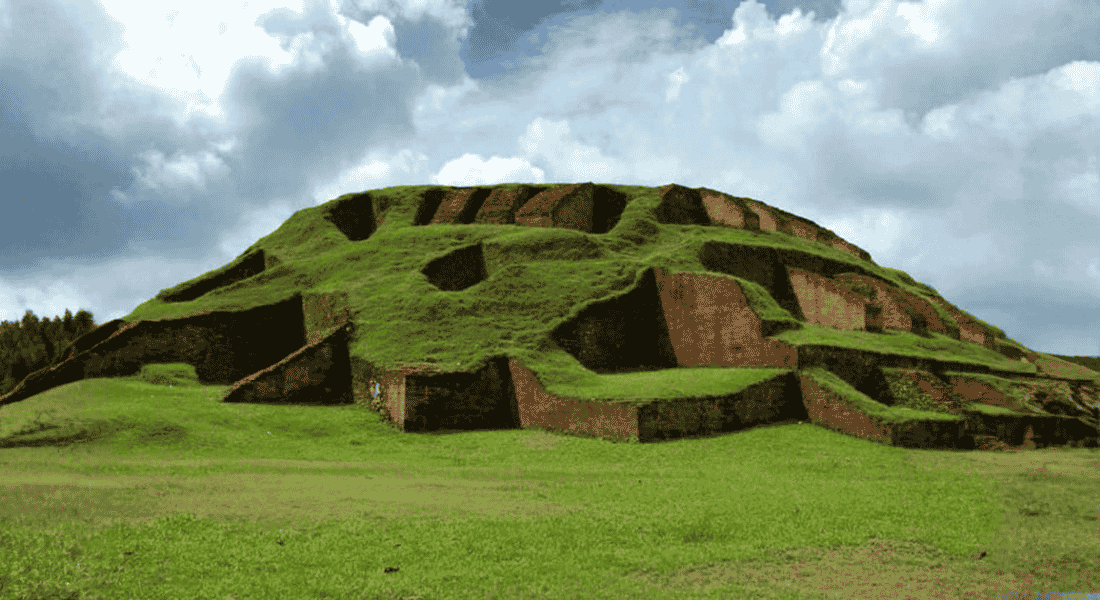
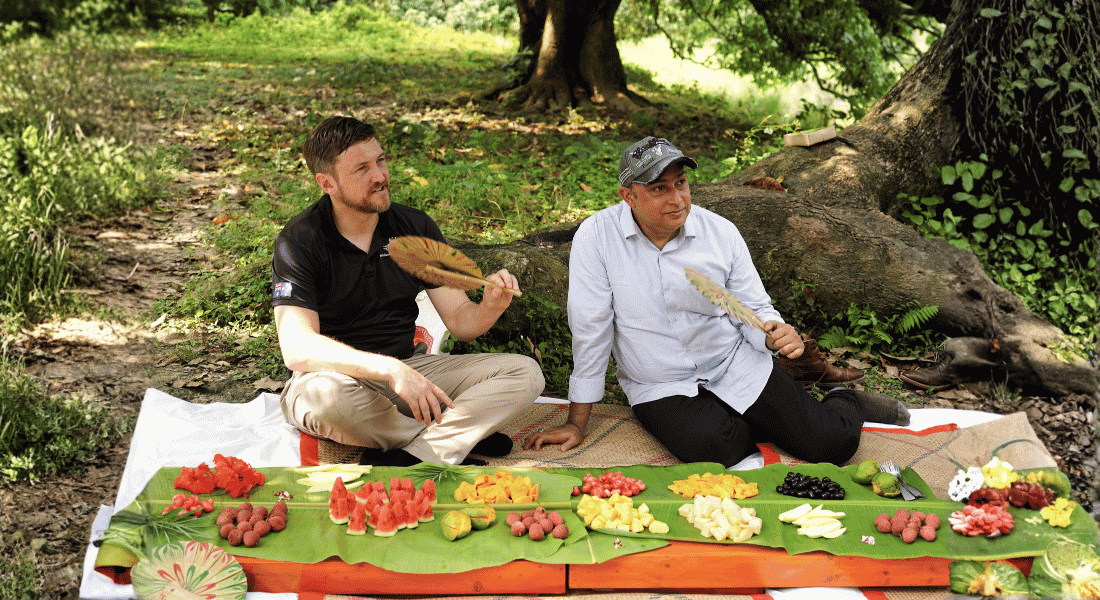
This region bursts with green landscapes, ancient history, and authentic culture waiting for your discovery. Most travelers miss this treasure, exploring only major cities while North Bengal offers untouched villages, vibrant markets, and warm hospitality. Read this guide to unlock everything you need to explore districts of North Bengal and plan your perfect journey through this rewarding destination. Key Takeaway: North Bengal Bangladesh is an 8-district region with 8.2 million people, featuring diverse landscapes from plains to river systems. Each district has unique attractions making it an ideal destination for both adventure seekers and culture enthusiasts. North Bengal Bangladesh refers to the northwestern region of Bangladesh. This area sits between the Brahmaputra River and Indian territory. The region stretches across thousands of square kilometers with distinct geography and culture. Eight districts make up this territory, each offering different experiences for travelers. The area has historically served as a trade route between South Asia and Southeast Asia. Ancient kingdoms ruled these lands. Modern North Bengal maintains its cultural heritage while developing rapidly. You will find a blend of tradition and progress throughout the region. Tourism is growing here. Infrastructure improves yearly. Local communities welcome visitors with genuine warmth. The cost of travel in North Bengal remains affordable compared to other South Asian destinations. Where is North Bengal? It occupies the northwestern portion of Bangladesh. The region borders India to the north and west. The Brahmaputra River forms the eastern boundary of some districts. Major cities like Rajshahi and Bogra serve as regional hubs. The distance from Dhaka to Rajshahi is approximately 280 kilometers. Travel time ranges from 5 to 7 hours by road depending on traffic conditions. Regular bus services connect the capital to North Bengal cities. Train services also operate on these routes, offering scenic journeys. The north Bengal plains extend across much of the region. These plains are fertile agricultural areas. River valleys cut through the landscape creating scenic views. The terrain makes travel accessible for all visitor types. For a detailed geographical overview, explore North Bengal districts and map travel guide. North Bengal contains eight districts. Each district represents a unique destination with distinct characteristics. The districts of North Bengal include Rajshahi, Bogra, Sirajganj, Natore, Chapainawabganj, Gaibandha, and Rangpur. Together these areas cover approximately 35,000 square kilometers. Rajshahi is the largest city in North Bengal Bangladesh. This district serves as the administrative and economic center of the region. The city sits on the Padma River offering scenic waterfront views. Rajshahi is famous for its mango orchards producing the finest mangoes in South Asia. Key Attractions: Varendra Museum showcasing ancient artifacts Bagha Mosque built in the 15th century Padma River boat trips for sunset viewing Local mango markets during harvest season For more Rajshahi attractions, check out best North Bengal tourist spots you must visit. Bogra district in North Bengal is a center for archaeological discoveries. The city has historical significance dating back thousands of years. Naogaon District borders Bogra making this area rich in cultural heritage. You will find pottery making traditions passed down through generations. Key Attractions: Mahasthangarh: Ancient Buddhist monastery ruins Bogra pottery workshops with traditional kilns Nawabganj fruit gardens and nurseries Hardinge Bridge offering architectural views Sirajganj district sits along the Brahmaputra River. North Bengal Sirajganj is known for its jute mills and textile industries. The district has transformed into a modern industrial zone while keeping rural charm. Brickmaking is another major activity in surrounding areas. Key Attractions: Brahmaputra River ghats for water activities Textile workshops open for visitors Local handcraft markets Jahaj Island featuring river islands exploration Natore has royal palaces and estates from the colonial era. This North Bengal Natore district served as a kingdom headquarters. You will find grand architectural structures reflecting former prosperity. Agriculture drives the economy with wheat and rice cultivation. Key Attractions: Natore Rajbari: Historic palace complex Niamati Mosque: 15th-century architecture Chalan Beel wetland sanctuary Local markets with traditional goods Chapainawabganj borders India and serves as a trade gateway. This North Bengal district is a hub for cross-border commerce. Mango production is extensive here. The town bustles with markets and merchant activity. Key Attractions: Mango orchards throughout the district Border markets with Indian goods Shibganj Upazila with agricultural communities Seasonal mango festivals Gaibandha is located in the northern part of North Bengal. The Brahmaputra River flows through this district creating fertile plains. North Bengal Gaibandha experiences flooding during monsoon seasons. Agriculture and fishing are main livelihoods here. Key Attractions: Brahmaputra embankments for walking and views Fishing villages with traditional boats Local rice paddies and agricultural fields Traditional markets and street food Rangpur is the northernmost district in North Bengal Bangladesh. This region has cool climate and distinct seasons. North Bengal Rangpur produces vegetables and fruits. The district is known for hospitality and warm people. Key Attractions: Tajhat Rajbari: Historic mansion with museum Rangpur Durbar Lake for recreation Vegetable gardens and flower cultivation Winter season activities from November to February Understanding the North Bengal map helps you plan better travels. The region stretches across diverse terrain. The north Bengal plains dominate the landscape. Rivers cut through the territory creating transportation routes and irrigation systems. The Brahmaputra River is the major waterway. This river flows from north to south through multiple districts. The Padma River forms the southern boundary. Smaller rivers branch off creating a complex water network. Geographic highlights of the North Bengal region: The north Bengal plains extend across much of the region. These fertile plains have supported agriculture for thousands of years. Farmers grow rice, wheat, jute, and vegetables. Seasonal flooding nourishes the soil but occasionally creates challenges. Accessing detailed maps is essential for travel planning. Visit local tourism offices for current North Bengal maps. Digital maps provide real-time information. GPS devices work well in most areas though coverage varies in remote locations. Seasonal factors determine the best travel times for North Bengal. Winter months from November to February offer perfect weather. Temperatures range from 10 to 25 degrees Celsius. Days are clear with minimal rainfall. Summer months from March to May are hot and humid. Temperatures exceed 35 degrees Celsius. Travel during these months requires heavy hydration. Fewer tourists visit during summer making prices lower. Monsoon season June to September brings heavy rainfall Flooding occurs in low-lying areas requiring route adjustments October weather improves with cooling temperatures Getting to North Bengal from Dhaka involves multiple transport options. The distance from capital to Rajshahi city is approximately 280 kilometers. Travel choices depend on your budget and comfort preferences. Transportation options available: Bus travel: 5–7 hours with frequent departures from Dhaka Train: Scenic routes taking 6–8 hours from Dhaka Railway Station Air: Direct flights from Hazrat Shahjalal Airport to regional airports Car rental: Self-drive with hired drivers available for comfort Budget travelers prefer buses for affordability. Local buses offer authentic experiences but limited comfort. Intercity coaches provide air conditioning and better facilities. Night buses save accommodation costs though sleep quality varies. Trains offer scenic views of the countryside. Reserved seats ensure comfort. Dining cars serve meals during journey. Booking in advance secures better seats. North Bengal Bangladesh offers diverse attractions for various interests. Historical sites attract culture enthusiasts. Nature lovers find river scenery and agricultural landscapes rewarding. Adventure seekers enjoy boating and village exploration. Religious sites include ancient mosques and temples. Bagha Mosque in Rajshahi dates back 500 years. Architectural details showcase Islamic art. Pilgrims visit throughout the year. Mahasthangarh near Bogra reveals Buddhist monastery ruins. Archaeological excavations continue revealing ancient artifacts. Museums display pottery and sculptures. Guides explain historical context enriching your visit. Mango gardens surprise visitors with agricultural beauty. Picking season offers farm experiences. Local farmers share cultivation knowledge. Fresh mangoes and juice taste incomparable to store-bought versions. For a complete list, explore Top 20 Best Tourist Places in North Bengal and discover Mahasthangarh, Paharpur & Kantajew Temple. North Bengal offers unique culinary experiences. Local dishes reflect regional agriculture and culture. Rice forms the staple carbohydrate. Fish from rivers adds protein and flavor. Hilsa fish curries prepared with mustard oil Panta ilish: River fish and rice cooked together Beef cutlets with regional spice blends Fruits including mangoes, papayas, and guavas Street food: Pani puri and chaat variations Desserts like kheer and traditional sweets Local markets burst with fresh produce. Bargaining is expected and appreciated. Prices are significantly lower than city markets. Visit early morning for best selection and freshness. Street food vendors offer quick meals and snacks. Hygiene standards vary so choose carefully. Eating where locals eat usually indicates safety. Small restaurants serve home-cooked style food. Accommodation ranges from basic to comfortable options. Budget hotels cost 500–1500 BDT per night. Mid-range hotels offer better facilities at 2000–4000 BDT. Luxury resorts exist in larger cities. Guest houses: Family-run accommodations with personal touch Hotels: Various price points across major cities Resorts: River-side locations with scenic views Homestays: Living with local families for cultural immersion Advance booking is recommended during peak season. Online platforms offer various options with reviews. Offline bookings at tourist information centers also work. Direct contact with hotels often yields better rates. Air conditioning and hot water availability varies by price point. WiFi is increasingly common in cities. Water quality is generally safe but filters are available. Electricity is reliable in towns but supply varies in villages. Planning improves your North Bengal Bangladesh travel experience: Currency: Use Bangladeshi Taka (BDT), ATMs available in cities Language: Bengali is primary, English spoken in tourist areas Visa: Check Bangladesh visa requirements beforehand Health: Vaccinations recommended for hepatitis and typhoid Insurance: Travel insurance covering health and delays Guides: Hire local guides for better understanding Photography: Respect local customs when taking pictures Safety: North Bengal is generally safe, exercise normal precautions Ready to explore North Bengal? Otithi offers comprehensive tour packages tailored to various preferences and budgets. Explore specialized North Bengal tour packages for deep cultural experiences Book the North Bengal Heritage Trail 5D4N package for a comprehensive cultural journey Consider shorter 3 Days 2 Nights North Bengal tour options for quick getaways from Dhaka Discover North Bengal's nature, rivers, and offbeat travel guide For more comprehensive information about Bangladesh travel, explore our complete Bangladesh travel guide. This resource covers all regions and provides detailed itineraries. Learn more about Bangladesh's cultural heritage through the official Bangladesh Tourism Board website which offers latest travel updates and accommodation listings. For practical travel planning, the Lonely Planet Bangladesh guide provides expert advice and insider tips from experienced travelers. Discover conservation efforts at IUCN Bangladesh. North Bengal Bangladesh offers unique travel experiences away from crowded tourist routes. Eight districts provide distinct attractions and cultures. Whether exploring historical monuments or enjoying nature, you will find fulfilling experiences here. The region rewards adventurous travelers with authentic encounters. Preparation ensures successful journeys. This complete North Bengal Bangladesh travel guide covers essential information for planning. From where North Bengal is located to how many districts comprise the region, all details are provided. Transportation options, attractions, food, and accommodations are thoroughly explained. Start your research today. Book transportation in advance especially during peak season. Choose accommodations matching your budget. Pack appropriate clothing for weather conditions. Obtain necessary travel documents beforehand. Your North Bengal Bangladesh journey awaits. Discover the beauty of north Bengal plains. Experience local culture authentically. Create memories in this rewarding destination. The districts of North Bengal welcome you with open arms and warm hospitality. Begin planning your adventure now and prepare for an unforgettable travel experience. Ready to Explore North Bengal? Book Your Tour with Otithi Today Discover ancient ruins, taste the finest mangoes, and experience the cultural heart of Bangladesh. Start Your North Bengal Journey NowIntroduction: Where is North Bengal Hidden in Bangladesh?
About North Bengal, Bangladesh : An Overview
Where is North Bengal Located in Bangladesh?
How Many Districts in North Bengal Bangladesh?
North Bengal Districts: A Detailed Overview
Rajshahi North Bengal: The Regional Hub
Bogra North Bengal: Gateway to History
Sirajganj North Bengal: River and Industry
Natore North Bengal: Royal Heritage
Chapainawabganj North Bengal: Trade Hub
Gaibandha North Bengal: Northern Gateway
Rangpur North Bengal: Northern Frontier
North Bengal Map and Geographic Features
When to Visit North Bengal Bangladesh
How to Reach North Bengal from Dhaka
Major Tourist Attractions in North Bengal
Local Food and Cuisine of North Bengal
Where to Stay in North Bengal
Practical Travel Tips for North Bengal
North Bengal Tour Packages from Otithi
Related Resources and Information
Plan Your North Bengal Bangladesh Adventure Today