Blog
10
Jun
Top 20 Best Tourist Places in North Bengal
Top 20 Best Tourist Places in North Bengal: A Complete Travel Guide
Introduction
North Bengal remains one of India's most underrated travel destinations. Many visitors overlook this region in favor of mainstream tourism hubs. Yet North Bengal holds centuries of history, stunning heritage sites, and authentic cultural experiences. This guide reveals the best tourist places in North Bengal that showcase everything from ancient temples to Mughal architecture. Read on to discover offbeat destinations and hidden gems that will transform your understanding of Eastern India.
What Makes North Bengal a Must-Visit Destination?
North Bengal stretches across districts like Rajshahi, Chapai Nawabganj, Natore, and Bagura. The region combines rich heritage with natural beauty. UNESCO-recognized sites sit alongside GI-certified food products. Sacred temples rest near Mughal monuments. This diversity makes North Bengal a treasure for travelers seeking authentic experiences beyond typical tourist circuits.
Why North Bengal Tourism Matters
The region connects three centuries of Bengal's history. From ancient Buddhist centers to Sultanate-era structures to British-era palaces, every corner tells a story. Tourism here supports local communities and preserves heritage sites. When you visit north bengal tourist spots, you contribute to cultural conservation.
Top 20 Best Tourist Places in North Bengal
District-Wise Breakdown
Bagura District
Mahasthangarh Archaeological Complex
Basu Bihara Temple
Gokul Medh
Bagura Curd Production Centers
Naogaon District
Naogaon UNESCO Heritage Site
Bengali Architecture Landmarks
Chapai Nawabganj District
Darasbari Mosque
Taha Khana Complex
Choto Sona Mosque
Natore District
Uttara Ganabhaban
Natore Rajbari
Rajshahi District
Padma River
Varendra Research Museum
Silk Factory
Bagura: Gateway to Ancient Bengal
1. Mahasthangarh Archaeological Complex
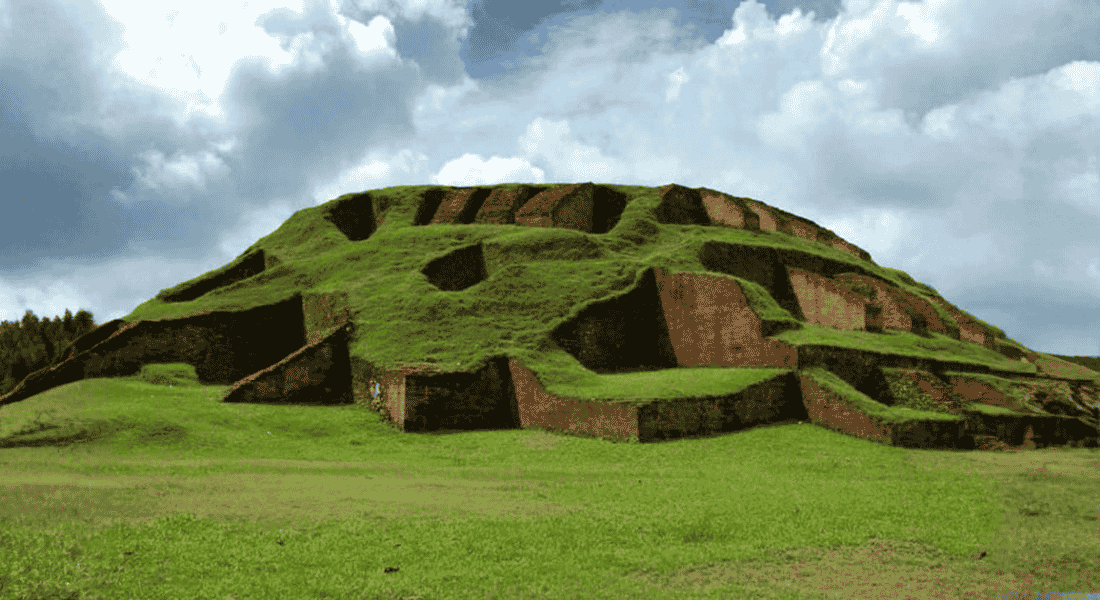
Mahasthangarh stands as one of South Asia's oldest cities. Excavations here date back to 600 BC. The site reveals layers of civilization spanning Buddhist, Hindu, and Islamic periods.
What You'll Find:
Ancient city walls and fortifications
Archaeological museum with artifacts
Sanskrit and Brahmi inscriptions
Buddhist monastery remains
Visitor Experience: Walking through Mahasthangarh feels like stepping back 2,500 years. The museum displays pottery, coins, and sculptures. Guided tours explain the city's strategic importance on ancient trade routes.
Best Time to Visit: October to March when temperatures drop.
2. Basu Bihara Temple
This ancient Buddhist monastery combines spiritual significance with architectural excellence. Stone carvings show intricate Buddhist iconography.
Key Features:
Terracotta panels with Buddhist motifs
Multiple meditation chambers
Well-preserved entrance gateway
Stone sculptures of Buddha and Bodhisattvas
3. Gokul Medh
Gokul Medh represents another layer of Bagura's heritage. This site contains remains of ancient settlements with pottery fragments and tools.
4. Bagura's Famous GI-Certified Curd
Bagura produces curd with Geographical Indication status. This yogurt-like product has distinct taste and texture protected by law. Visit local production centers to see traditional methods and taste fresh curd.
Why It Matters: This GI certification proves Bagura's cultural identity through food. Visitors can purchase authentic curd as souvenirs while supporting local producers.
Naogaon: UNESCO World Heritage Site
5. Naogaon UNESCO Complex
Naogaon holds the distinction of being recognized by UNESCO for its historical importance. The district contains multiple heritage sites within close proximity.
What's Protected:
Mughal-era structures
Medieval fortifications
Ancient gateways
Historical administrative buildings
6. Bengali Architecture Landmarks
Naogaon showcases distinctive Bengali architectural styles. Stone carvings display intricate patterns and motifs. These structures influenced regional building traditions for centuries.
Architectural Details:
Arched doorways with decorative stonework
Terraced roofs with traditional tiles
Interior courtyards for ventilation
Carved wooden elements on doors and windows
Chapai Nawabganj: Mughal Heritage Center
Chapai Nawabganj was historically part of ancient Gaur. The district preserves impressive Mughal and Sultanate-era structures. These monuments represent medieval Bengal's architectural sophistication.
7. Darasbari Mosque
Built during the Bengal Sultanate period, Darasbari Mosque impresses with its massive brick construction. The mosque once served royal functions during Sultan Shamsuddin Yusuf Shah's reign.
Design Elements:
Terracotta ornamentation on walls
Large prayer hall accommodating hundreds
Intricate brick patterns
Preserved arches and domes
Visitor Information: The mosque remains partially used for prayers. Visitors should dress respectfully and ask permission before entering.
8. Taha Khana Complex
Taha Khana served as a royal rest house and bathhouse during the Mughal period. Located beside a serene pond, the complex reflects refined Mughal architectural taste.
Features:
Multiple chamber rooms
Bathhouse with water channels
Surrounding pond with landscaping
Symmetrical design showing mathematical precision
9. Choto Sona Mosque
Known as the "Golden Mosque," Choto Sona Mosque showcases medieval Bengali Islamic architecture. Built during Sultan Alauddin Shah's reign, the structure features elegant stonework and harmonious design.
Notable Aspects:
Once-gilded domes (now faded)
Stone jali (lattice) work
Multiple minarets
Prayer hall with decorated ceiling
Natore: Royal Bengal's Grand Palaces
10. Uttara Ganabhaban (Dighapatia Palace)
Uttara Ganabhaban represents the zamindari era's architectural grandeur. The palace combines Indo-European design with Italian marble interiors. Beautiful gardens and tree-lined paths enhance the property.
What to See:
Grand entrance foyer
Italian marble staircases
Royal chambers with period furniture
Art collection and historical exhibits
Manicured gardens and fountains
Current Status: Now functions as a state guesthouse. Visitors can arrange tours through proper channels to see the main areas.
11. Natore Rajbari
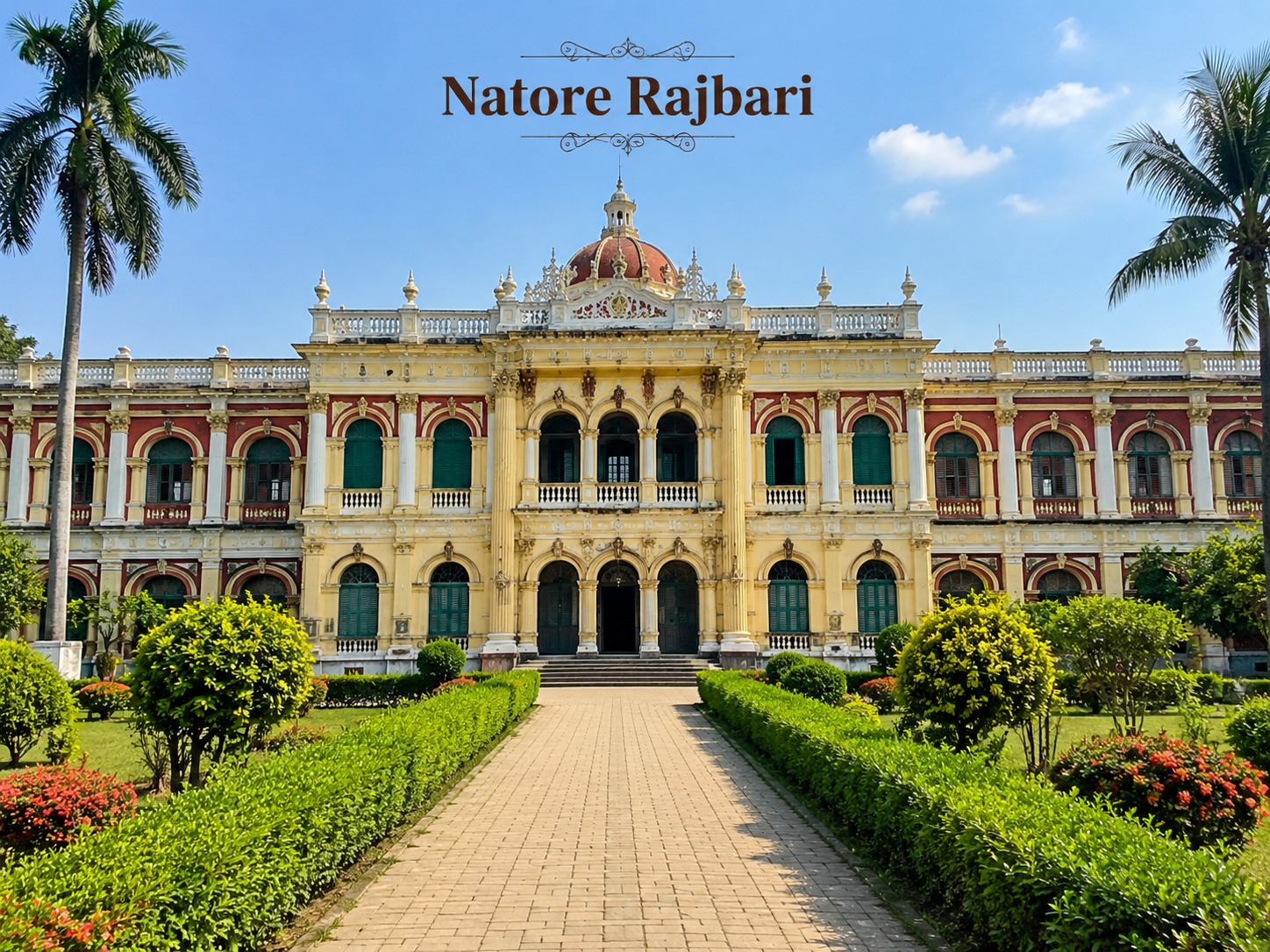
Natore Rajbari was home to the legendary Rani Bhabani, known as the "Queen of Natore." Her philanthropy shaped Bengal's cultural landscape. The palace grounds remain a symbol of Bengal's aristocratic heritage.
Highlights:
Palace buildings with traditional architecture
Historical garden spaces
Rani Bhabani's personal quarters
Temple structures within the complex
Museum with royal artifacts
12. Natore Kachagolla Sweet
Natore produces Kachagolla, a GI-tagged sweet made from milk and cream. The traditional recipe has passed through generations. Visiting local sweet makers reveals the production process and lets you taste authentic Kachagolla.
Rajshahi: Cultural and Artistic Heart
Rajshahi serves as North Bengal's cultural center. The city combines heritage sites with modern attractions. The Padma River provides scenic beauty and recreational opportunities.
13. Padma River and Picnic Sites
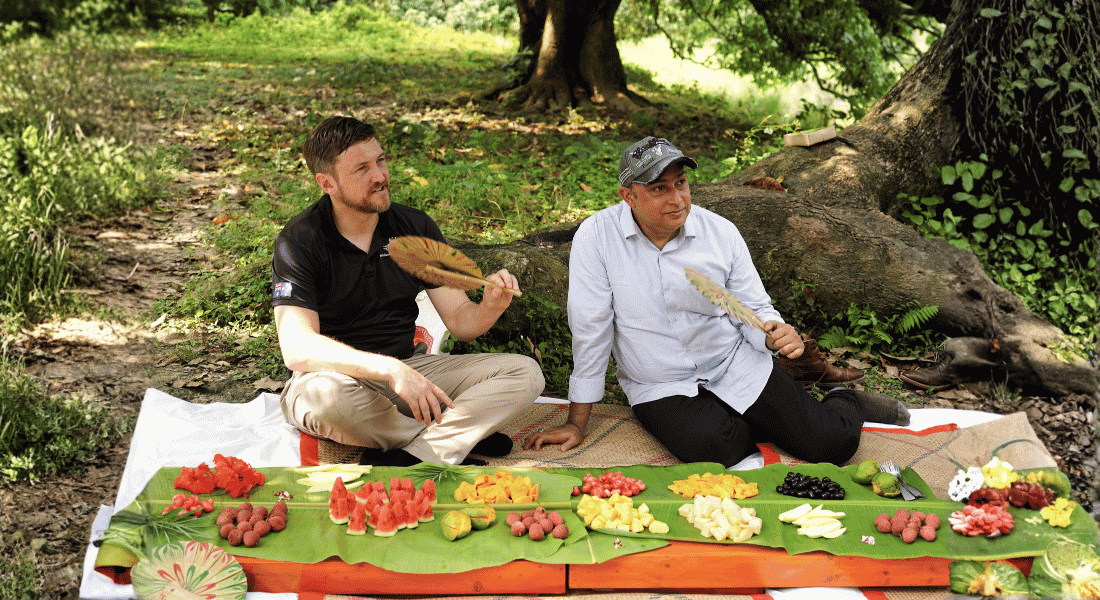
The Padma River flows through Rajshahi creating beautiful landscapes. Sunset viewing from Padma char (river islands) offers Instagram-worthy moments. Picnic areas provide spaces for relaxation and local snacks.
Activities:
Boat rides on calm waters
Picnic with local Rajshahi snacks
Photography of golden sunsets
Bird watching during migratory seasons
Kite festival participation (seasonal)
14. Kite Festival at Padma
During certain seasons, kite festivals draw crowds to Padma's shores. Participants fly traditional hand-crafted kites. The sky fills with colorful kites creating a vibrant spectacle.
Festival Details:
Seasonal occurrence (timing varies yearly)
Traditional hand-made kites
Local communities participate
Cultural performances
Traditional food stalls
15. Varendra Research Museum (VRM)
VRM houses one of Bengal's most important archaeological collections. The museum contains centuries-old sculptures, relics, and rare artifacts. Collections span from ancient civilizations to recent history.
Collections Include:
Ancient Buddha sculptures
Terracotta artifacts
Stone inscriptions
Metal sculptures
Historical manuscripts
Local heritage items
Visitor Experience: The museum provides insights into Bengal's artistic traditions. Knowledgeable staff explains artifacts' historical significance. Allow 2-3 hours for thorough exploration.
16. Sopura Silk Mill and GI-Certified Silk
Sopura Silk Mill represents Rajshahi's renowned silk-making tradition. The mill employs artisans practicing centuries-old techniques. GI certification recognizes this silk's distinctive quality and origin.
What You Can Do:
Watch silk production from cocoon to thread
Meet skilled artisans
Learn about traditional methods
Browse and purchase silk textiles
Support local craftspeople
Why Visit: Seeing handwoven silk production connects you to living heritage. Each piece reflects the artisan's skill and cultural knowledge. Purchasing silk directly supports family businesses.
Offbeat Places in North Bengal
17. Ancient Buddhist Monasteries
Beyond famous sites, scattered Buddhist monasteries dot the region. These offbeat destinations attract heritage enthusiasts seeking solitude.
Hidden Gems:
Smaller meditation centers
Lesser-known temple complexes
Village-based spiritual sites
Archaeological ruins in remote areas
18. Traditional Pottery Villages
Villages throughout North Bengal practice traditional pottery making. Visiting potters' workshops reveals ancient techniques still used today.
Experience:
Watch clay hand-molding
Learn pottery wheel spinning
Try creating simple pieces
Purchase handmade ceramics
19. Mango Orchards of Rajshahi
Rajshahi's mango orchards produce world-famous varieties. Visiting during harvest season (May-June) allows you to see fruit cultivation.
Activities:
Orchard tours
Mango tasting
Seasonal fruit picking
Learning about cultivation methods
20. Rice and Jute Fields
North Bengal's agricultural landscape defines the region. Vast rice and jute fields create scenic beauty. Visiting during planting and harvest seasons shows rural life's rhythms.
Photo Opportunities:
Green rice paddies reflecting sky
Golden harvest-ready fields
Traditional farming methods
Rural settlements amid crops
Best Tourist Places in North Bengal: Planning Your Visit
Recommended Itineraries
3-Day Heritage Trail
Day 1: Rajshahi (VRM, Silk Mill, Padma River)
Day 2: Chapai Nawabganj (Darasbari, Taha Khana, Choto Sona)
Day 3: Natore (Uttara Ganabhaban, Rajbari)
Explore this curated experience with North Bengal Heritage Trail 5D4N.
5-Day Complete Experience
Days 1-2: Bagura (Mahasthangarh, local heritage sites)
Days 3-4: Chapai Nawabganj and Natore
Day 5: Rajshahi exploration
3-Day Highlights
Day 1: Rajshahi cultural sites
Day 2: Natore palaces and traditions
Day 3: Return journey with shopping
Book the North Bengal Heritage Highlights 3D2N package for this option.
Accommodation Options
North Bengal offers various accommodation choices:
BRAC Learning Centers
Budget-friendly option
Located in major towns
Basic but clean facilities
Local food available
Supports community initiatives
Local Hotels
Mid-range to luxury options
Standard amenities
Local hospitality
Restaurant facilities
Heritage Stays
Palace heritage hotels
Traditional guesthouses
Unique cultural experiences
Transportation Guide
Getting There:
Rajshahi has an airport with limited flights
Train services connect to Dhaka
Bus services available from major cities
Private car hire recommended for site-to-site travel
Local Transportation:
Hired vehicles best for heritage sites
Rickshaws within towns
Walking for exploring local areas
Best Time to Visit
Optimal Season: October to March
Why This Period:
Temperature ranges 15-25°C
Low rainfall
Clear skies for photography
Comfortable for walking tours
Festival season in some areas
Avoid: June to September (monsoon season with heavy rainfall)
Understanding North Bengal's Tourism Appeal
Why North Bengal Matters
North Bengal represents authentic Bengal before commercialization. The region preserves heritage without overwhelming tourism infrastructure. This authenticity attracts travelers seeking genuine experiences.
Cultural Significance
The region connects three major religious traditions. Buddhist monasteries, Hindu temples, and Islamic monuments coexist. This religious harmony reflects Bengal's historical tolerance and cultural synthesis.
Economic Impact
Tourism supports local communities through hospitality, guiding, crafts, and food production. Visiting these sites ensures funds flow to preservation efforts and local economies.
Experiencing North Bengal With Otithi
Otithi specializes in curated North Bengal experiences. The organization provides:
Guided Tours: Expert guides explain historical context and cultural significance.
Local Engagement: Direct interaction with artisans, storytellers, and community members.
Authentic Experiences: Beyond typical tourist activities. Visitors participate in local traditions and learn crafts.
Sustainable Tourism: Practices supporting communities and heritage preservation.
Customizable Itineraries: Packages adjusted to individual interests and time constraints.
Visit Otithi's North Bengal Tour Packages for detailed options and booking information.
Practical Information for Visitors
What to Pack
Comfortable walking shoes for heritage site exploration Light, breathable clothing (cotton) Sun protection (hat, sunscreen) Camera for photography Respectful clothing for religious sites Notebook for documenting experiences Medications and basic first aid
Budgeting Your Trip
Daily Budget Breakdown:
Note: Prices vary by season and accommodation choice.
Photography Tips
Respect photography restrictions at religious sites
Best light for monuments: early morning and late afternoon
Ask permission before photographing people
Capture detailed carvings and architectural elements
River sunset photography offers stunning images
Respectful Visiting
Dress modestly at religious sites
Remove shoes before entering temples and mosques
Ask before photographing individuals
Support local artisans by purchasing directly
Respect ongoing prayers and worship
North Bengal Hidden Gems Worth Exploring
Lesser-Known Sites
Beyond the mainstream attractions, north bengal hidden gems offer unique discoveries. Small villages preserve traditional crafts and lifestyles rarely seen by tourists. Rural temples maintain ancient worship practices. Local families welcome visitors interested in cultural exchange.
Offbeat Destination Experiences
Traveling to offbeat destinations in north bengal reveals authentic Bengal. Village homestays provide immersion in daily life. Agricultural tours show food production methods. Artisan workshops demonstrate living heritage.
Seasonal Attractions
Mango blossoms appear in early spring. Rice paddies turn golden during harvest. River levels affect boat accessibility. Festival dates vary yearly, so check local calendars.
Why North Bengal Deserves Your Visit
North Bengal combines history, culture, nature, and authenticity. The region rewards curious travelers with meaningful experiences. Heritage sites remain less crowded than mainstream destinations. Local communities welcome respectful visitors. Preservation efforts continue protecting these treasures for future generations.
The North Bengal Advantage
visiting north bengal tourist places means stepping outside typical tourism patterns. You avoid overcrowded attractions while supporting authentic heritage preservation. You encounter living culture through interactions with artisans, families, and communities. You contribute directly to local economies.
Creating Lasting Memories
North Bengal offers experiences beyond standard tourism. Whether exploring 2,500-year-old archaeological sites or learning silk-making from master craftspeople, visitors connect with Bengal's cultural depth. These encounters transform understanding of Indian heritage and history.
Getting Started With Your North Bengal Journey
Ready to explore the best tourist places in North Bengal? Begin planning today.
Steps to Prepare:
Determine your available travel dates
Review seasonal considerations
Identify sites matching your interests
Arrange transportation and accommodation
Pack appropriately for climate and activities
For Customized Planning:
Contact Otithi to design your ideal North Bengal experience. Their team can adjust itineraries based on your interests, pace, and budget.
Resources
For deeper exploration of North Bengal tourism:
Academic Sources: Explore archaeological research through publications on ancient Bengal civilizations and UNESCO documentation of world heritage sites.
Cultural Organizations: Organizations like UNESCO and international heritage councils provide extensive information about North Bengal's protected sites and preservation efforts.
Final Thoughts
North Bengal represents India's heritage at its most authentic. The region deserves recognition alongside mainstream destinations. With proper planning and respectful engagement, visitors discover unforgettable experiences.
Whether you're a history enthusiast, cultural explorer, or heritage photographer, north bengal tourist spots offer meaningful discoveries. Plan your journey to this remarkable region today.
Your North Bengal adventure awaits.