Blog
06
Jun
Mahasthangarh, Paharpur & Kantajew Temple North Bengal Sites
Mahasthangarh, Paharpur, Kantajew Temple & Major Archaeological Sites: A Comprehensive Guide
Introduction
North Bengal holds some of South Asia's most significant archaeological treasures. Ancient cities, Buddhist monasteries, and Hindu temples dot the landscape. Yet many travelers remain unaware of these extraordinary sites. Understanding Mahasthangarh, Paharpur, and Kantajew Temple reveals how deeply civilizations shaped this region over millennia. This guide uncovers major archaeological sites that transform your knowledge of Bengal's historical legacy.
Understanding North Bengal's Archaeological Importance
Archaeological sites in North Bengal document human civilization spanning over 2,500 years. These sites show transitions between Buddhist, Hindu, and Islamic periods. Each monument reveals cultural practices, artistic traditions, and daily life of ancient peoples.
Why These Sites Matter
Archaeological exploration preserves collective human history. Sites like Mahasthangarh prove advanced urban planning existed centuries before modern cities. Buddhist monasteries show sophisticated religious organization. Temple architecture demonstrates artistic mastery without modern tools.
Visiting these sites supports preservation efforts. Entry fees fund conservation and research. Tourism awareness encourages government protection. Local employment increases through guiding and hospitality services.
Mahasthangarh: Ancient South Asia's Gateway City
Historical Significance of Mahasthangarh
Mahasthangarh ranks among South Asia's oldest continuously inhabited cities. Archaeological evidence places settlement at 600 BC during early Iron Age. The site shows unbroken habitation through Buddhist, Hindu, Islamic, and British periods.
The city's location on ancient trade routes made it strategically important. Merchants traveled between Central Asia, Tibet, and coastal ports through Mahasthangarh. This position created cultural exchange and commercial prosperity.
The Mahasthangarh Archaeological Complex
The complex spans approximately one square kilometer. Multiple excavation layers reveal 2,500 years of continuous habitation. Each stratum tells stories of different periods and civilizations.
Layers Discovered:
City Walls and Fortifications
Mahasthangarh's defensive walls showcase ancient engineering. The ramparts measure approximately 1.5 kilometers in circumference. Gates allowed controlled entry and exit for trade regulation.
Walls served multiple purposes. Defense against invaders was primary. Market regulation controlled goods entering and leaving. Tax collection happened at gates, generating revenue.
Wall Construction:
Brick and stone foundations
Earth ramparts reinforcing inner brick
Multiple gates for different trade goods
Corner bastions for defensive positioning
Moats surrounding fortifications
The Mahasthangarh Museum
The museum displays thousands of artifacts excavated from the site. Collections span all periods documented at Mahasthangarh. Professional arrangement helps visitors understand historical progression.
Museum Collections:
Pottery Section:
Decorated ceramic vessels
Storage containers
Ceremonial pots
Everyday cooking utensils
Painted pottery fragments
Sculpture Gallery:
Stone Buddha images
Hindu deity representations
Architectural decorative elements
Narrative relief panels
Terracotta figurines
Inscriptions and Coins:
Sanskrit inscriptions on stone
Brahmi script texts
Ancient coins showing rulers
Commemorative plaques
Religious dedications
Special Artifacts:
Seals with inscriptions
Weights and measures
Tools and weapons
Jewelry and ornaments
Religious ritual objects
Visitor Experience at Mahasthangarh
Walking through Mahasthangarh transports visitors across centuries. The archaeological site remains partially excavated, allowing exploration of unfinished dig sites. Guides explain significance of structures and findings.
What to Expect:
Walking paths between major structures
Informational signage in multiple languages
Museum tour approximately 1.5 hours
Site exploration 2-3 hours depending on interest
Photography permitted in most areas
Best Visiting Approach: Start at the museum to understand context. Then walk the site viewing actual structures. This sequence helps interpret what you're observing.
Paharpur Buddhist Monastery: Nalanda's Sister Site
The Great Vihara Complex
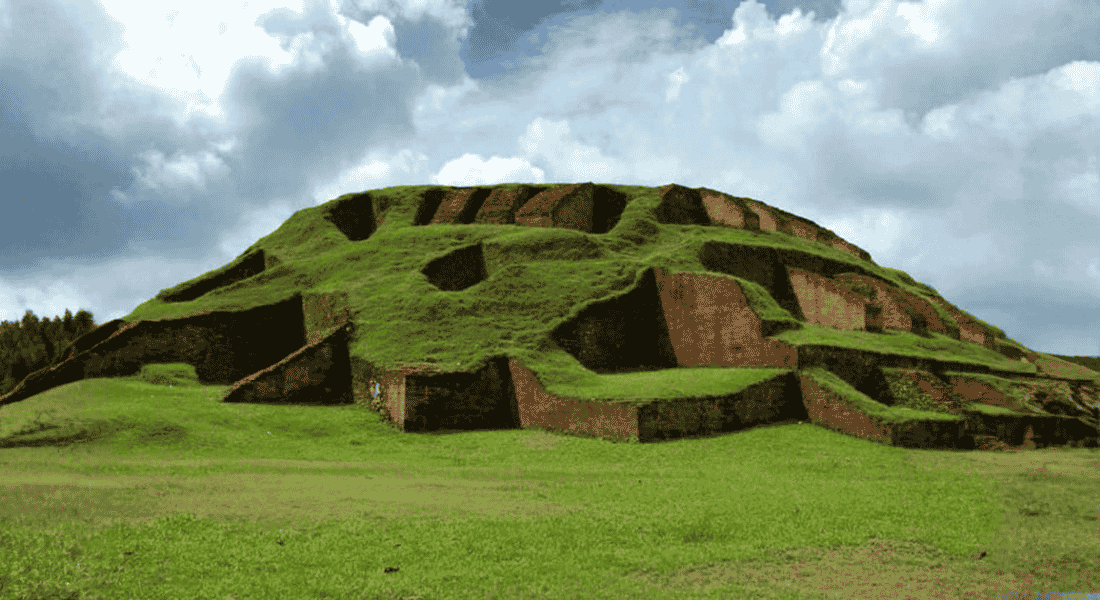
Paharpur, located in Naogaon District, hosts one of South Asia's largest Buddhist monastic complexes. The site represents monastic Buddhism at its architectural peak during the 8th-12th centuries.
The complex existed as a center for Buddhist learning and practice. Thousands of monks studied, meditated, and copied religious texts. The site maintained one of Asia's most important libraries before its destruction.
Historical Timeline of Paharpur
8th Century: King Dharmapal of Pala Dynasty founded the monastery. It became known as Nalanda of the West, rivaling Nalanda University in importance. Royal patronage ensured continuous expansion and maintenance.
9th-11th Centuries: The monastery thrived during Pala and Sena dynasties. Buddhist scholars from across Asia studied here. Architectural expansion added new dormitories and temples.
12th Century: Islamic invasions disrupted monastic life. The library allegedly burned, destroying countless manuscripts. Monks gradually migrated to safer regions.
13th-19th Centuries: The site fell into disrepair. Local communities built dwellings using monastery bricks. Original structures became buried under soil and vegetation.
1879 Onwards: Archaeological excavations revealed Paharpur's grandeur. Systematic research documented architecture and artifacts. UNESCO recognition came in 2005.
Architectural Layout of Paharpur
The complex follows geometric precision. A massive central temple dominates the compound. Surrounding structures form concentric rectangles, creating organized monastic space.
Central Temple:
21.5 meters height (original estimate)
Four protruding shrines on each side
Multiple interior chambers
Decorated with terracotta plaques
Buddha image placement at summit
Surrounding Structures:
177 monastic cells arranged in courtyards
Individual monks occupied small rooms
Communal areas for prayers and learning
Kitchen and storage facilities
Administrative buildings
Drainage System:
Sophisticated water management
Underground terracotta pipes
Wells for drinking water
Waste disposal channels
Rain water collection systems
Terracotta Plaques of Paharpur
Thousands of terracotta plaques decorated Paharpur's surfaces. These tiles showcase Buddhist iconography and daily life scenes. Artisans created incredible detail in small terracotta formats.
Plaque Categories:
Religious Themes:
Buddha in various life moments
Bodhisattva representations
Buddhist ritual scenes
Religious processions
Meditation poses
Narrative Scenes:
Jataka tales (Buddha's past lives)
Royal court activities
Trading scenes
Family life moments
Musical performances
Decorative Patterns:
Geometric designs
Floral motifs
Animal figures
Celestial beings
Architectural ornaments
Museum Collections at Paharpur
The on-site museum displays recovered artifacts systematically. Detailed labeling explains cultural context and historical periods.
Sculpture Collection:
Stone Buddha images
Bronze ritual objects
Terracotta figurines
Stone architectural elements
Decorative carvings
Pottery and Ceramics:
Cooking vessels
Storage containers
Ceremonial pots
Decorated household items
Ritual pottery
Daily Life Objects:
Weights and scales
Tools and implements
Jewelry and ornaments
Religious objects
Gaming pieces
Visiting Paharpur Today
Paharpur remains partially excavated with ongoing research. The site offers both museum exploration and archaeological site walking.
Visitor Activities:
Museum tour for artifact study
Site walking to view structures
Photography of architectural details
Educational programs for schools
Research access for scholars
Time Required:
Museum: 1.5-2 hours
Site exploration: 2-3 hours
Combined visit: 4-5 hours recommended
Photography Highlights:
Central temple architectural details
Terracotta plaques (museum displays)
Site layout from elevated viewing areas
Surrounding vegetation and landscape
Sunset views over archaeological site
Kantajew Temple: Medieval Hindu Architectural Marvel
The Terracotta Temple Wonder
Kantajew Temple stands in Dinajpur District as one of Bengal's most distinctive temples. Built during the 18th century under Maharaja Prannath Roy, the temple showcases elaborate terracotta decoration.
The temple's name comes from its three towers (kantas in Bengali). These towers rise impressively above surrounding structures. Terracotta ornamentation covers nearly every surface, creating a visual feast.
Architectural Features of Kantajew
Three Tower Design:
Central tower (shikhara) reaching maximum height
Two smaller towers flanking the central structure
Graduated tiers creating stepped pyramid effect
Ornamental finials at tower summits
Elaborate cornices between sections
Decorative Elements:
Thousands of terracotta tiles
Narrative reliefs depicting mythological scenes
Floral and geometric patterns
Figurative sculptures
Narrative story panels
Temple Compound:
Multiple smaller shrines
Temple tank (sacred pond)
Priest quarters
Ritual performance areas
Visitor facilities
Terracotta Artistry at Kantajew
The temple's terracotta work represents pinnacle of Bengal craftsmanship. Artisans created hundreds of unique tiles, each hand-molded and hand-carved.
Tile Categories:
Mythological Narratives:
Mahabharata scenes
Ramayana episodes
Krishna's life stories
Durga worship scenes
Shiva iconography
Daily Life Scenes:
Agricultural activities
Market scenes
Family gatherings
Musical performances
Religious ceremonies
Ornamental Tiles:
Floral patterns
Geometric designs
Animal figures
Plant motifs
Border decorations
Historical Development of Kantajew
Pre-18th Century: The location held smaller religious structures. Local devotion existed but formal temple was absent.
1722: Construction began under Maharaja Prannath Roy. Royal patronage enabled elaborate design and quality craftsmanship. The project took several years to complete.
18th Century Completion: The temple achieved its present form. Regular maintenance preserved the structure through centuries.
19th-20th Centuries: Earthquakes and weathering caused damage. Some tiles deteriorated and required replacement. Historical records document repairs and restoration attempts.
Recent Conservation: UNESCO recognition led to careful restoration. Expert conservators addressed structural issues while preserving authenticity.
Visiting Kantajew Temple
The temple remains active for worship, though tourism is permitted respectfully.
Visitor Guidelines:
Remove shoes before entering
Dress modestly
Photography allowed in outer areas
Avoid touching tiles and carvings
Respect ongoing prayers and rituals
Hire local guides for detailed explanations
Access Information:
Located in Dinajpur town
Open daily for visitors
Best visited morning or early evening
Allow 1.5-2 hours for exploration
Guides available at site entrance
Major Archaeological Sites Across North Bengal
Basu Bihara: Ancient Buddhist Center
Basu Bihara represents another significant Buddhist site in the region. The monastery complex dates to early medieval period.
Key Features:
Stone sculptures of Buddha
Multiple meditation chambers
Terracotta plaques
Decorative brick work
Buddhist iconography panels
What You'll Find: Walking through Basu Bihara reveals Buddhist artistic traditions. Stone carvings show refined sculptural techniques. Architectural planning demonstrates organized monastic life.
Gokul Medh: Ancient Settlement Remains
Gokul Medh contains archaeological deposits from multiple periods. Pottery fragments and tools show continuous human habitation.
Site Characteristics:
Pottery sherds across surface
Structural remains excavated
Multiple occupation layers
Tool and implement fragments
Domestic waste deposits
Naogaon UNESCO Heritage Complex
Naogaon district preserves multiple archaeological sites within close proximity. UNESCO recognition reflects historical importance.
Sites Within Complex:
Medieval fortifications
Ancient gateways
Administrative buildings
Residential structures
Religious monuments
Varendra Archaeological Zone
Stretching across multiple districts, the Varendra zone contains numerous sites. Ancient cities, temples, and monasteries dot this region.
Notable Sites:
Urban settlements
Religious complexes
Administrative centers
Trade hub remains
Defensive structures
Understanding Archaeological Dating Methods
How Archaeologists Date Sites
Stratigraphy: Artifacts found at deeper levels are older than those above them. This layering principle helps establish relative dating. Scientists count layers from bottom (oldest) to top (newest).
Carbon-14 Dating: Organic materials like wood and bone contain radioactive carbon. As materials decay, carbon-14 levels decrease predictably. Measuring remaining carbon-14 reveals approximate age within 100-500 years accuracy.
Pottery Analysis: Pottery style changes over time. Specific decorations, shapes, and clay types indicate particular periods. Archaeologists use pottery typology to date occupation layers.
Numismatic Evidence: Coins contain rulers' names and dates. Finding specific coins in layers helps establish chronology. Royal portraits on coins identify time periods.
Inscriptional Records: Text on stone or metal provides direct historical information. Sanskrit inscriptions often mention rulers and dates. These records confirm archaeological findings.
The Archaeological Significance of North Bengal
Connecting Ancient Civilizations
North Bengal's archaeological sites reveal connections between distant regions. Trade routes brought goods, ideas, and people. Buddhist missionaries traveled these routes, spreading religion and culture.
Buddhist texts mention North Bengal as important learning center. Chinese travelers visiting Nalanda and Paharpur documented these sites. Their accounts confirm archaeological findings.
Understanding Religious Transitions
Archaeological evidence shows religious transitions over time. Buddhist monuments eventually gave way to Hindu temples. Islamic structures appeared alongside earlier sites. This progression reflects actual historical changes in dominant religions.
Importantly, earlier structures weren't destroyed. Communities reused buildings for new purposes. Some Hindu temples incorporated Buddhist sculptures. This overlay of traditions appears throughout archaeological sites.
Daily Life Through Artifacts
Archaeological artifacts tell ordinary people's stories. Pottery shows eating and drinking customs. Tools reveal occupations and crafts. Jewelry reflects aesthetic preferences. Household items suggest family organization.
These everyday objects matter as much as grand monuments. They show how ordinary people lived, worked, and thought. Understanding daily life contextualizes political and religious history.
Planning Your Archaeological Site Tour
Creating an Effective Itinerary
5-Day Archaeological Focus Tour:
Day 1: Mahasthangarh
Morning: Museum exploration
Afternoon: Site walking and photography
Evening: Local exploration
Day 2: Paharpur
Morning: Travel to Naogaon
Afternoon: Museum and site exploration
Evening: Local accommodation
Day 3: Kantajew Temple
Morning: Travel to Dinajpur
Afternoon: Temple visit and photography
Evening: Explore temple town
Day 4: Naogaon UNESCO Complex
Morning: Local heritage sites
Afternoon: Regional museums
Evening: Cultural performances
Day 5: Return with shopping
Morning: Local crafts and souvenirs
Afternoon: Departure arrangements
For comprehensive touring, book Otithi's North Bengal Heritage Packages offering expert guidance and transportation.
Transportation Between Sites
Road Distances:
Transportation Options:
Hired private vehicles (most flexible)
Local buses (budget-friendly)
Combination of transportation modes
Guided tours with included transport
Accommodation Near Sites
Mahasthangarh Area:
Hotels in Bogura town
BRAC Learning Centre
Budget lodges nearby
Heritage guesthouses
Paharpur Area:
Naogaon district accommodation
BRAC centres
Local hotels
Tourist rest houses
Kantajew Area:
Dinajpur town hotels
Heritage stays
Local guesthouses
Tourist facilities
Booking the Complete Experience:
Explore Otithi's comprehensive packages including accommodation and guided tours.
Or try the shorter 3-day highlights package for condensed exploration.
What to Bring and Prepare
Essentials for Archaeological Site Visits
Clothing:
Comfortable walking shoes (essential)
Light, breathable clothing
Hat or cap for sun protection
Light jacket for early mornings
Respectful clothing for temples
Accessories:
Sunscreen and sunglasses
Water bottle for hydration
Camera with charged batteries
Notebook for observations
Comfortable backpack
Documentation:
Valid identification
Hotel booking confirmations
Transportation tickets
Emergency contact numbers
Travel insurance papers
Physical Preparation
Archaeological sites require significant walking. Uneven ground and stairs are common. Physical fitness helps enjoy visits fully.
Preparation Steps:
Walking practice before trip
Appropriate footwear testing
Health check for mobility issues
Medications for any conditions
Physical conditioning if needed
Best Times to Visit Archaeological Sites
Seasonal Considerations
October to March:
Comfortable temperatures (15-25°C)
Low rainfall
Clear skies for photography
Optimal for site exploration
Peak tourist season
April to May:
Warm but manageable
Some rainfall beginning
Fewer tourists
Good for solitude seekers
Challenging for outdoor walking
June to September:
Monsoon season
Heavy rainfall
Muddy conditions
Difficult site access
Lower tourist numbers
Best avoided for archaeological visits
Festival and Event Timing
Some archaeological sites host cultural events seasonally. Religious festivals draw crowds. Educational programs operate at museums. Check local calendars for special activities.
Understanding Archaeological Museums
How to Maximize Museum Visits
Museums display artifacts in organized sequences. Reading labels provides context for each item. Understanding historical periods enhances appreciation.
Effective Museum Strategy:
Start with general history section. Read chronological overview before examining specific artifacts. This creates mental framework for understanding items.
Focus on artifact types sequentially. Study all pottery first, then sculptures, then inscriptions. This approach helps recognize patterns and development over time.
Use museum guides if available. Experts provide insights unavailable through reading. Ask specific questions about items interesting you.
Take photographs of informational panels. Review these later while traveling. This helps reinforce learning.
Photography in Museums
Most museums permit photography without flash. Flash damages fragile artifacts and painting finishes. Some restricted areas prohibit photography entirely.
Photography Tips:
Check museum photography policy
Avoid using flash
Photograph informational placards
Capture artifact details for study
Respect restricted areas
Connecting Archaeological Discoveries to Modern Life
How Ancient Civilizations Inform Today
Understanding ancient urban planning benefits modern city development. Archaeological evidence shows successful water management systems. Waste disposal methods prevented disease spread. These ancient solutions inform contemporary challenges.
Buddhist monastic organization demonstrated efficient community management. Systems for food production, education, and healthcare worked effectively. Modern community organizations study these models.
Artistic techniques from ancient potters survive in contemporary craftspeople. Hand-molding and wheel-throwing continue unchanged. Supporting these artisans preserves living heritage.
Supporting Preservation Through Tourism
Tourism revenue funds site conservation. Entry fees pay for archaeological research and restoration. Visitor interest encourages government protection.
Your visit matters. It demonstrates demand for heritage preservation. This supports continued funding and protection efforts.
Photography Guide for Archaeological Sites
Capturing Effective Images
Golden Hour Photography:
Early morning light reveals architectural details
Shadows create dramatic contrast
Photography appears professional and artistic
Best timing: sunrise to mid-morning
Detail Photography:
Zoom into terracotta plaques
Capture intricate carvings
Photograph inscriptions clearly
Close-ups show craftsmanship
Architectural Shots:
Wide angles for complete structures
Elevations showing height and scale
Horizontal lines emphasizing stability
Vertical lines emphasizing height
Context Photographs:
Include surrounding landscape
Show site location within terrain
Capture visitor interaction with structures
Document scale through human figures
Specific Photography Subjects
At Mahasthangarh:
Fortification walls and gates
Museum artifact close-ups
Site overview from elevated areas
Ancient brick patterns
Excavation layers
At Paharpur:
Central temple architectural details
Terracotta plaque patterns (from museum)
Site layout overview
Decorative tile work
Surrounding forest vegetation
At Kantajew:
Three towers composition
Terracotta tile details
Religious sculpture elements
Temple compound layout
Sacred pond (tank) surroundings
Research and Further Learning
Scholarly Resources
Universities and research institutions study North Bengal's archaeology. Academic papers document findings and interpretations. These resources deepen understanding beyond tourist information.
Research Focus Areas:
Pala Dynasty political history
Buddhist intellectual traditions
Trade route economics
Terracotta production techniques
Urban planning evolution
Connecting with Expert Guides
Professional archaeologists sometimes lead tours. University professors share specialized knowledge. These experts transform visits into educational experiences.
Where to Find Guides:
Tourist information centers
Museum staff recommendations
Local archaeological societies
University departments
Heritage conservation organizations
Continuing Education After Visit
Post-visit learning extends understanding. Documentary films show excavation processes. Books provide detailed historical narratives. Online resources offer virtual tours and academic articles.
External Learning Resources
For comprehensive archaeological knowledge:
UNESCO World Heritage Centre provides detailed information about Paharpur and Kantajew UNESCO sites. Their documentation includes historical research, conservation reports, and visitor guidelines.
The Archaeological Survey of India maintains official records of protected monuments. Their website offers information about Mahasthangarh and other major sites. Historical documentation and conservation updates are available.
Engaging With Local Communities
Respectful Cultural Exchange
Archaeological sites exist within living communities. Local residents possess deep knowledge about sites. Respectful engagement enriches your experience.
Ways to Connect:
Purchase crafts directly from artisans
Eat at local restaurants
Ask residents about site history
Learn local language basics
Support community initiatives
Economic Impact Through Tourism
Your spending supports local economies directly. Restaurant owners, guides, hotel staff, and shopkeepers depend on tourism revenue. This income supports families and communities.
Conservation workers and archaeological staff maintain sites. Preservation efforts continue through tourism funding. Community members benefit from heritage protection activities.
Common Questions About North Bengal Archaeological Sites
Q: How old is Mahasthangarh? Archaeological evidence shows continuous habitation from 600 BC to present times, making it approximately 2,500 years old.
Q: Can I touch archaeological artifacts at sites? No. Touching damages artifacts and accelerates deterioration. Oils from hands corrode metal and stone. Photography replaces physical contact.
Q: Are guides necessary at archaeological sites? Guides enhance understanding significantly. They explain historical context, point out details you might miss, and answer questions. Both group and private guides are available.
Q: What's the best time to visit archaeological sites? October through March offers optimal weather for walking tours. Temperatures remain comfortable, rainfall is minimal, and skies are clear for photography.
Q: How long does visiting each site take? Plan 3-4 hours per major site including museum time. Paharpur and Mahasthangarh each require similar duration. Kantajew Temple takes 1.5-2 hours.
Q: Are archaeological sites accessible for people with mobility challenges? Some sites have uneven ground and stairs. Mahasthangarh museum is accessible. Paharpur and Kantajew present challenges. Contact sites ahead regarding accessibility options.
Planning Your Complete Archaeological Journey
Step-by-Step Booking Process
Determine travel dates
Review seasonal considerations
Choose specific sites to visit
Select accommodation type
Book through tour operator or independently
Arrange transportation
Pack appropriately
Budget Planning
Average Daily Costs:
Total Daily Average: 5,500-11,500 BDT per person
Making the Most of Your Archaeological Visit
Pre-Visit Preparation
Read about sites before visiting. Watch documentaries showing excavation processes. Review historical background. This preparation contextualizes what you observe.
Understand chronology before arriving. Knowing which periods came before and after helps interpret artifacts. Historical timelines organize information mentally.
During Your Visit
Take detailed notes about observations. Note specific artifacts, architectural details, and personal reactions. These notes enrich memories later.
Ask guides specific questions. Their expertise reveals information unavailable through reading. Engage intellectually with the experience.
Return to sites you found compelling. A second visit reveals details missed initially. Deeper understanding emerges through repeated exploration.
Post-Visit Reflection
Review photographs and notes within days. Memory remains fresh. Connect observations with prior learning. Share experiences with others through photographs and stories.
Consider how ancient civilizations inform contemporary thinking. Reflect on continuities between past and present. Extend learning beyond the physical visit.
Supporting Archaeological Preservation
Direct Support Methods
Tourism revenue directly supports archaeological sites. Your entry fee funds conservation efforts. Purchase souvenirs from local artisans and vendors. Eat at local restaurants and use local guides.
Stay at community-based accommodations when possible. BRAC Learning Centres support rural development alongside heritage tourism. These choices create multiplied economic benefits.
Indirect Support
Advocate for heritage preservation in your home country. Support international organizations protecting archaeological sites. Educate others about North Bengal's archaeological significance. Social media sharing increases awareness and tourism interest.
Donate to heritage preservation organizations. Some nonprofits specifically support North Bengal site conservation. Your contribution funds research and restoration.
Conclusion: Why North Bengal's Archaeological Sites Matter
Mahasthangarh, Paharpur, and Kantajew Temple represent humanity's shared heritage. These sites document cultural achievement, artistic mastery, and engineering innovation across centuries. Visiting connects you to this legacy.
Understanding ancient civilizations informs how we approach contemporary challenges. Urban planning, community organization, and artistic expression remain relevant across time periods. These archaeological sites inspire modern thinking.
Your visit supports preservation ensuring future generations access these treasures. Tourism creates economic incentive for conservation. Community benefits motivate continued protection.
Plan your archaeological journey today. Visit Otithi to arrange guided tours and accommodations. Discover how ancient North Bengal shaped history and continues inspiring the present.