Blog
09
Jun
Bangladesh, Cultural Tourism, Heritage Tours, Sustainable Travel, Bengali Culture
Bangladesh Cultural Tour: The Complete Guide to Authentic Bengali Heritage and Immersive Local Experiences
Introduction
Imagine stepping off a crowded boat into a village where artisans have practiced the same textile traditions for generations, or witnessing the explosion of color during Pahela Baishakh celebrations. A Bangladesh cultural tour isn't just sightseeing—it's immersion into one of Asia's most vibrant and underexplored cultural treasures. Whether you're interested in UNESCO heritage sites, tribal villages, folk art traditions, or community-based tourism, this complete guide reveals how to experience authentic Bengali culture with expert planning, practical tips, and insider knowledge that transforms your journey into something genuinely transformative.
Why Bangladesh Cultural Tours Are Asia's Best-Kept Secret
Bangladesh stands at the crossroads of history, spirituality, and living tradition. Unlike mass tourism destinations in Asia, Bangladesh cultural tours offer what most travelers desperately seek: authenticity. The country's rich heritage stems from its position as ancient Bengal, home to Buddhist monasteries, Mughal kingdoms, and independent artistic traditions that have shaped South Asian culture for millennia.
When you embark on a cultural tour in Bangladesh, you're entering a landscape where hospitality isn't a service industry—it's a deeply rooted cultural value. Local communities genuinely welcome visitors interested in understanding their way of life. The tourism infrastructure here supports sustainable tourism practices and community-based tourism initiatives, meaning your investment directly benefits local artisans, farmers, and families preserving traditional knowledge.
The Unique Appeal of Bangladesh Heritage Tours
What distinguishes a Bangladesh heritage tour from other South Asian cultural experiences? First, the relatively small number of international tourists means cultural sites remain relatively untouched by mass tourism. Second, the diversity of experiences available within a single country is remarkable. Within 72 hours, you can transition from exploring centuries-old ruins to staying in village homestays, witnessing traditional crafts, and navigating the world's largest mangrove forest on a boat.
Bangladesh cultural tourism also offers genuine affordability. A comprehensive Bangladesh tour package costs significantly less than equivalent experiences in neighboring countries, yet the quality and authenticity of experiences rival premium destinations worldwide. This makes Bangladesh cultural tours accessible for solo female travelers, budget-conscious explorers, and families seeking meaningful experiences without compromising on comfort.
The Regions of Bangladeshi Culture: Where to Experience Authentic Bengal
Dhaka and Old Dhaka: Where Heritage Collides with Modern Life
Dhaka, the capital and heart of Bengali culture, presents a fascinating paradox. Modern skyscrapers rise above ancient neighborhoods where traditional crafts, folk music, and centuries-old architecture create living museums. An Old Dhaka heritage tour should anchor your Bangladesh cultural travel plans.
Walking through Old Dhaka's narrow alleys, you'll encounter artisans producing Nakshi Kantha—intricately embroidered quilts considered masterpieces of Bengali folk art. The 60 Dome Mosque (Shait Gombuj Masjid) stands as an architectural testament to Bengal Sultanate heritage, while Panam City's colonial buildings tell stories of the city's mercantile past. These aren't sterile heritage sites; they're living spaces where vendors sell traditional sweets, children play in courtyards, and daily life unfolds authentically.
The Ahsan Manzil (Rose Garden Palace) provides insights into 19th-century aristocratic life, while the Bangladesh National Museum offers comprehensive coverage of the nation's archaeological tour possibilities. Exploring Dhaka cultural tours with experienced local guides transforms the city from chaotic to comprehensible, revealing layers of history and culture that casual visitors miss.
Sonargaon and Panam City: Architectural Treasure of Bengal Sultanate Heritage
Just outside Dhaka lies Sonargaon, ancient capital of Bengal and a destination that fundamentally shifts how visitors understand Bangladesh heritage tours. The Panam City ruins—a row of four-story merchant buildings from the 19th century—create an atmospheric journey through time. The Folk Art Museum at Sonargaon houses an extraordinary collection of traditional Bengali crafts, textiles, and historical artifacts.
A Sonargaon cultural tour typically includes the Nakshi Kantha Museum, devoted to the embroidered textile tradition, and opportunities to interact directly with artisan communities continuing these ancient practices. The Terracotta Temple at Bishnupur (within travel range) showcases the ornamental architectural traditions of Bengal. Visiting Sonargaon provides essential context for understanding how Bengali culture developed alongside trade routes and agricultural traditions in the region.
Sylhet and the Tea Gardens: Cultural Immersion in Bengal's Verdant Northeast
The Sylhet region, nestled in northeastern Bangladesh near the Indian border, presents an entirely different cultural landscape. This region's significance in Bangladesh cultural tourism stems from its tribal communities, lush rainforests, and centuries-old tea cultivation traditions. A Sylhet cultural experience introduces visitors to the Tripura and Marma tribal populations who maintain distinctive languages, dress, and customs.
The tea gardens around Sreemangal represent more than agricultural operations—they're cultural institutions where generations of workers have created unique social systems and folk traditions. Experiencing daily life in the tea gardens, meeting plantation workers, and learning about sustainable tea farming connects visitors to the genuine economic and cultural heartbeat of the region. Many community tourism Bangladesh initiatives center on homestays within tea garden communities, offering perhaps the most authentic Bangladesh local culture experience available.
The Lalakhal region's distinctive teal-colored river, combined with traditional boat culture, creates memorable moments where natural beauty intertwines with local traditions. Exploring around Bangladesh tea territories offers photography opportunities while supporting communities often overlooked in tourism narratives.
Rangamati and Tribal Villages: Indigenous Heritage of Bengal
Rangamati District represents Bangladesh ethnic culture in its most distinctive form. Home to the Chakma, Marma, and Tripura tribal communities, this region's hills and valleys preserve lifestyles that differ markedly from lowland Bengali culture. A community-based cultural tour to tribal villages offers opportunities to learn about indigenous traditions, from betel cultivation to traditional weaving practices.
However, visiting Rangamati tribal culture tours requires sensitivity and proper planning. Visitors should engage with reputable community tourism operators who ensure tourism benefits actually reach local communities and respects tribal autonomy. The historic tensions in the region mean cultural tours should be arranged through experienced guides with community relationships, not casual explorations.
Sundarbans: Where Wildlife Heritage Meets Local Traditions
The Sundarbans cultural heritage tour differs from typical wildlife experiences because it encompasses human communities alongside the world's largest mangrove forest ecosystem. The Sundarbans, shared between Bangladesh and India, covers 10,000 square kilometers of coastal mangrove wilderness home to the Bengal tiger, spotted deer, and hundreds of bird species visible during birding expeditions.
What makes a Sundarbans cultural tour distinctive is understanding how local communities—honey collectors, fishermen, and boat operators—coexist with wildlife. Traditional boat culture, navigation knowledge passed through generations, and sustainable harvesting practices represent living heritage within the ecosystem. A Sundarbans cruise typically combines wildlife observation with cultural engagement, providing a holistic understanding of how humans and nature intertwine in Bangladesh.
Festivals and Cultural Events: The Heartbeat of Bengali Tradition
Pahela Baishakh: The Bengali New Year Celebration
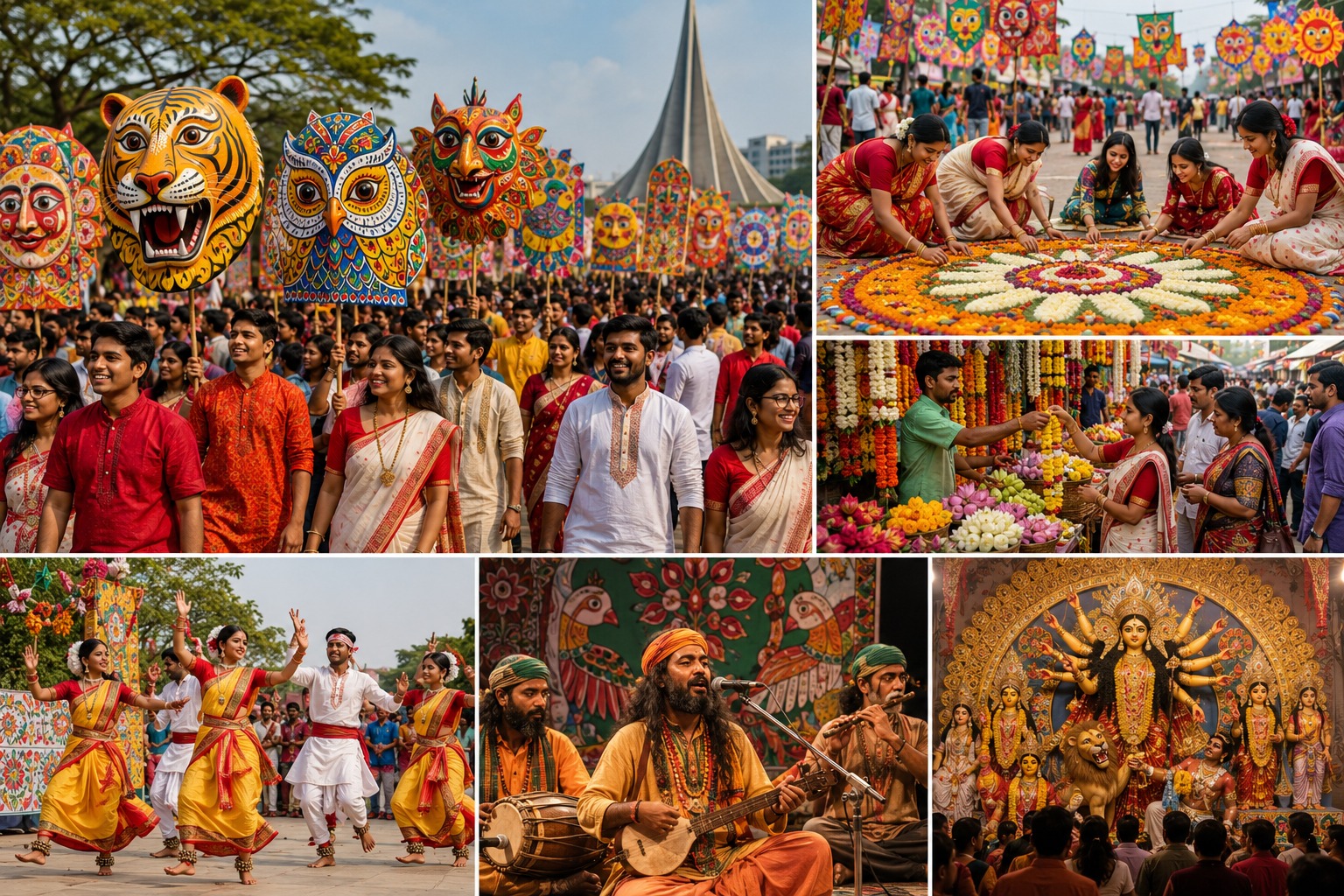
Pahela Baishakh (Bengali New Year) on April 14 marks Bangladesh's most important cultural festival. The celebration explodes across Dhaka with the Mangal Shobhajatra—a procession of enormous artistic structures depicting animals, masks, and contemporary social commentary. The visual spectacle, combined with traditional music, folk performances, and communal celebrations, creates an unforgettable Bangladesh festival tour experience.
During Pahela Baishakh, Dhaka transforms. Markets overflow with new clothes in traditional designs, streets fill with flower sellers offering garlands, and communities organize cultural performances featuring Baul musicians (mystic folk singers) and folk dance traditions. Experiencing the Bengali New Year tour provides deep insight into how cultural identity and celebration intertwine in contemporary Bengal.
Other Festival Tourism Opportunities
Beyond Pahela Baishakh, Bangladesh's cultural events calendar offers numerous opportunities:
Pohela Falgun: Spring festival celebrating through flower festivals and traditional gatherings
Durga Puja: Hindu festival celebrating the goddess with elaborate community performances
Eid Celebrations: Islamic festivals transforming communities into vibrant cultural spaces
Baul Festival: Featuring improvisational folk singers performing mystical songs
Regional Folk Festivals: Throughout the year in various communities
Planning a Bangladesh cultural holiday around these events deepens understanding of how spirituality, artistic expression, and community identity interconnect.
Heritage Sites and Archaeological Treasures: Ancient Bengal Revealed
Mahasthangarh: The Oldest City in Bangladesh
Mahasthangarh, located in Bogra District, represents Bangladesh's most significant archaeological tour destination. This ancient fortified city, dating back to the 3rd century BCE, was the capital of Pundra Kingdom and showcases continuous habitation through multiple empires including the Mauryan, Sunga, and Mughal periods.
The Mahasthangarh archaeological site reveals terracotta artifacts, coins, pottery, and structural remains that illuminate ancient Bengali civilization. The on-site museum contextualizes findings within South Asian historical frameworks. Visiting Mahasthangarh connects abstract historical knowledge to tangible evidence of sophisticated urban planning, trade networks, and cultural development in ancient Bengal.
Paharpur Buddhist Monastery: UNESCO World Heritage Excellence
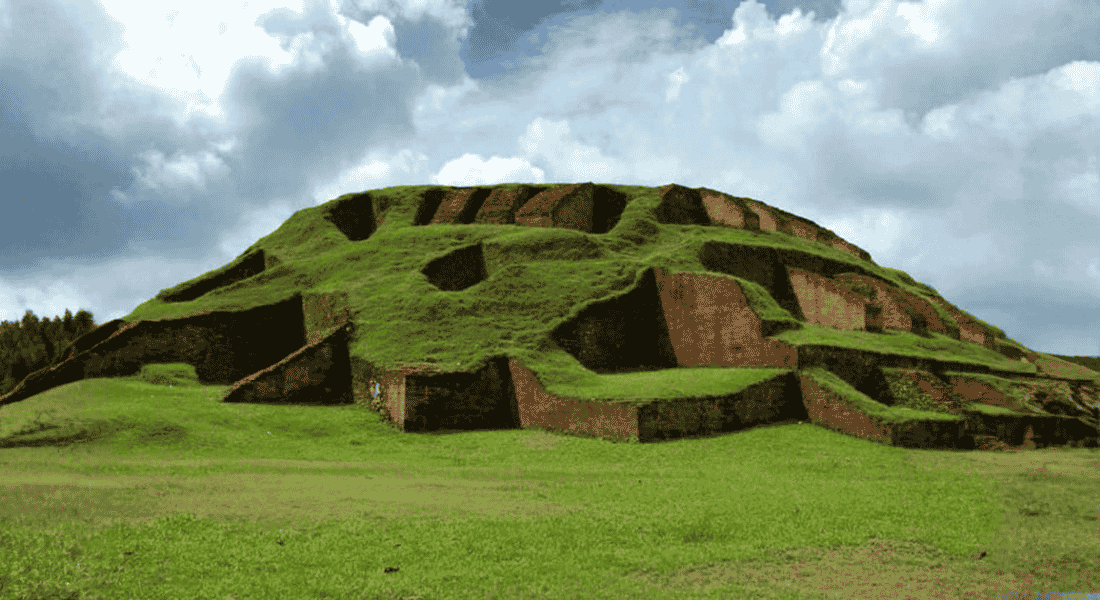
Paharpur, in Naogaon District, houses the Somapura Mahavihara—the Paharpur Buddhist Monastery recognized as a UNESCO World Heritage site. This 8th-century monastery, built during the Pala Empire, represents Buddhist architecture and scholarship at its zenith. The intricate terracotta plaques depicting Buddhist teachings, architectural sophistication, and historical significance make Paharpur essential for understanding Bengal as a center of Buddhist learning and artistic innovation.
The monastery's discovery and excavation revealed evidence of an intellectual community that influenced Buddhism across Asia. Walking through the archaeological site, examining terracotta works, and understanding the monastery's role in Buddhist history provides perspective on Bangladesh as an ancient center of knowledge and spiritual development.
Sixty Dome Mosque and Rajshahi Heritage
The Rajshahi region, accessible through Bangladesh heritage tour packages, contains the historic Sixty Dome Mosque (Shait Gombuj Masjid) in Bagerhat—another UNESCO World Heritage site. Built in the 15th century, this architectural marvel represents Bengal Sultanate heritage with distinctive dome structures and intricate masonry demonstrating sophisticated engineering knowledge.
The Rajshahi cultural tour encompasses additional heritage sites including ancient temples, traditional pottery villages, and access to the mighty Padma River. The region's agricultural traditions, particularly mango cultivation and silk production, connect historical heritage with contemporary livelihoods, revealing how cultural practices persist across generations.
Traditional Crafts and Artisan Communities: Living Cultural Heritage
Nakshi Kantha: The Embroidered Soul of Bengal
Nakshi Kantha—hand-embroidered quilts featuring intricate designs depicting scenes from daily life, mythology, and nature—represents perhaps the most distinctive Bengali folk art tradition. These quilts, created primarily by women, transform mundane textiles into narrative artworks. A Bangladesh folk art and heritage tour should include visits to Nakshi Kantha artisan communities and workshops where you can observe the meticulous creation process.
The patterns in Nakshi Kantha tell stories. Traditional designs depict national symbols, seasonal celebrations, and family life. Contemporary artists now incorporate social commentary and modern themes while maintaining traditional techniques. Supporting Nakshi Kantha artisans through purchases directly benefits communities and encourages young generations to continue ancestral knowledge.
Pottery Villages: Clay Traditions of Ancient Bengal
Bangladesh's pottery villages, particularly in areas around Dhaka and Sylhet, preserve techniques dating back centuries. These artisan communities continue hand-throwing pottery using traditional wheels and firing methods, producing both utilitarian and decorative pieces. A village experience in pottery communities reveals how Bangladesh local culture experiences integrate economic livelihoods with artistic expression.
The earth-to-art transformation in pottery villages creates visceral understanding of craft traditions. Watching potters work, learning about clay sources and firing techniques, and purchasing directly from makers supports sustainable tourism while acquiring authentic handcrafted pieces impossible to find in commercial markets.
Silk Weaving and Textile Traditions
The Rajshahi region's silk industry represents another significant craft tradition. Traditional silk weaving communities maintain knowledge of natural dye production, thread creation, and complex weaving patterns. Experiencing silk production from cocoon to finished textile reveals the labor intensity and skill required for these handcrafted pieces.
Visiting textile workshops during a Bangladesh cultural travel itinerary supports communities preserving these traditions against competition from industrial production. Many workshops offer homestay tourism Bangladesh options where visitors stay with weaver families, experiencing daily rhythms and learning directly from practitioners.
Community-Based Tourism and Homestay Experiences: Authentic Cultural Immersion
Understanding Community Tourism in Bangladesh
Community-based tourism Bangladesh represents a deliberate approach to responsible tourism where local communities directly control tourism development, manage visitor interactions, and receive primary economic benefits. Unlike conventional tour packages extracting profits toward distant corporations, community-based tourism ensures your spending supports local families and cultural preservation efforts.
The philosophy underlying sustainable tourism in Bangladesh stems from understanding that cultural authenticity cannot be packaged like commodity products. Living cultures require respectful engagement, and communities benefit most when they maintain autonomy over cultural representation and visitor access. Community-based cultural tour operators prioritize small group tours, advance community notification, and genuine cultural exchange over performance tourism.
BRAC Otithi and Verified Community Programs
BRAC Otithi represents an exemplary community tourism platform connecting travelers with authentic Bangladesh experiences. This initiative emphasizes cultural immersion, community benefit, and sustainable practices. BRAC Otithi's specialized tours have been specifically designed with community input to ensure benefits reach local populations.
The organization offers several compelling options:
Rajshahi Heritage Tour Package - Exploring Bengal Sultanate architecture and traditional crafts
Madhupur Forest and Tribal Culture - Connecting with indigenous communities
Sreemangal Tea Gardens Experience - Featuring sustainable agriculture and worker communities
North Bengal Cultural Adventure - Through lesser-known heritage regions
Sylhet Heritage and Tea Tourism - Combining tribal culture with agricultural learning
Sundarbans Wildlife and Cultural Cruise - Exploring mangrove ecosystem and local communities
The organization's experienced guides combine intimate local knowledge with professional hospitality standards, ensuring both authentic experiences and visitor comfort. Using verified community-based platforms like BRAC Otithi guarantees your cultural tour contributes meaningfully to heritage preservation.
Homestay Experiences and Village Stays
Homestay Bangladesh experiences immerse visitors in daily life rhythms. Rather than observing culture from tour bus windows, homestay participants share meals, assist with daily activities, and engage in genuine conversations with host families. These experiences reveal how traditional knowledge persists—in agricultural practices, food preparation, childcare approaches, and dispute resolution methods developed across generations.
Village experience Bangladesh homestays typically include:
Farm work participation and agricultural learning
Market visits and local commerce observation
Cooking lessons and food preparation
Evening gatherings and family interactions
Craft workshops and skill demonstrations
The informal education acquired through daily immersion surpasses what guidebooks or lecture-format tours convey. Homestay participants consistently report these experiences as transformative, fundamentally altering perspectives on development, poverty, and cultural values.
Sustainable Tourism and Responsible Visitor Practices
Dress Modestly and Respect Cultural Norms
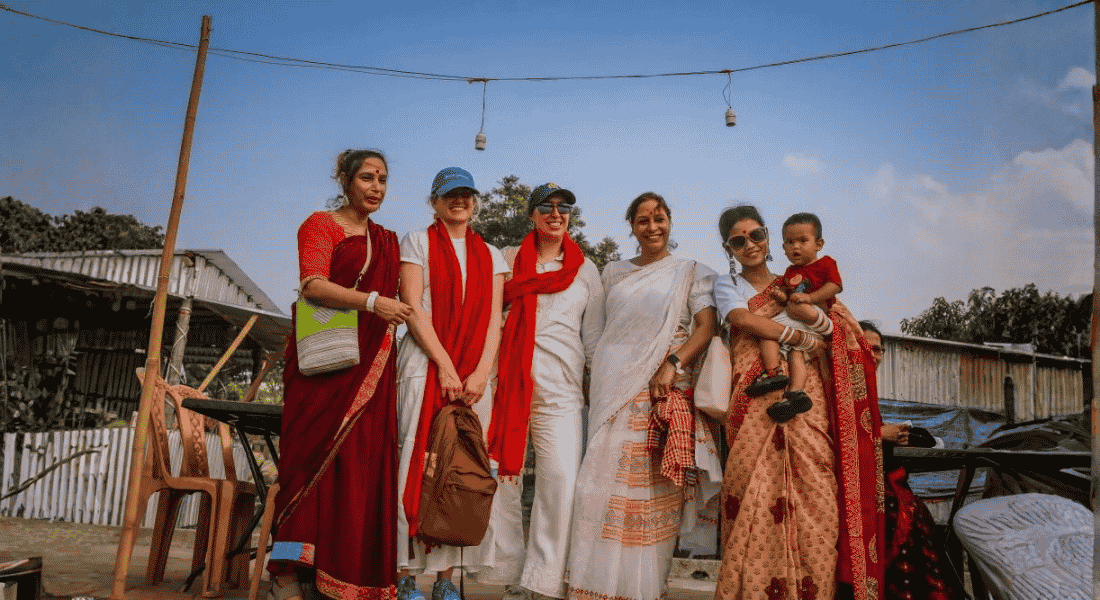
Understanding cultural expectations regarding appearance represents fundamental responsible tourism. Dress modestly—covering shoulders and knees, particularly when visiting religious sites or rural villages. This practice isn't merely about adhering to rules; it demonstrates respect for local values and avoids creating unnecessary cultural friction. Women traveling solo benefit particularly from modest dress in conservative areas, as it signals respect and reduces unwanted attention.
Beyond clothing, practicing responsible tourism means understanding communication norms, photography boundaries, and appropriate behavior in sacred spaces:
Always request permission before photographing individuals, especially children
Respect photography boundaries in religious spaces and cultural sites
Understand that image-taking may violate spiritual beliefs or cultural preferences
Express genuine interest in learning rather than treating communities as anthropological specimens
Ask before entering homes or private spaces
Supporting Local Economies and Ethical Tourism Practices
Responsible tourism means conscious spending. These practices ensure maximum benefit reaches local communities:
Craft Purchases: Buy directly from artisans rather than tourist shops, ensuring producers receive maximum value
Local Restaurants: Eat at establishments frequented by Bangladeshis rather than tourist-focused venues
Local Guides: Hire local guides rather than international tour companies, directly supporting community livelihoods
Community Tourism: Opt for small group tours with experienced local guides allowing extended engagement
Critical Evaluation: Question whether activities genuinely benefit local communities or exploit cultural difference
These choices accumulate into meaningful economic impact supporting local communities.
Practical Planning: Crafting Your Bangladesh Tour Package
Best Time to Visit: Seasonal Considerations
The optimal Bangladesh tour timing depends on your priorities and interests:
October to March (Dry Season)
Most favorable weather—cool temperatures, lower humidity, minimal rainfall
Ideal for outdoor activities and comfortable tourism exploration
Includes Pahela Baishakh festival preparations and celebrations (March-April)
Peak tourist season with higher accommodation prices
Best time for general cultural touring and heritage site visits
April to May (Summer)
Extreme heat and humidity make outdoor activities challenging
Pahela Baishakh festival occurs in mid-April
Lower tourist numbers and better availability
Require extra hydration and frequent rest breaks
June to September (Monsoon Season)
Heavy rainfall transforms landscapes into lush green panoramas
Significantly fewer international tourists
Lower accommodation prices and excellent bargaining opportunities
Flooding can affect transportation and accessibility to certain regions
Optimal timing for birding expeditions with migratory bird concentrations
Enhanced natural beauty and photographic opportunities
Visa Requirements and Documentation
Most nationalities can obtain Bangladesh visas through embassies or visa-on-arrival programs:
Processing: Typically requires valid passport, visa application forms, and passport photos
Embassy Route: Many travelers obtain visas in advance through embassies (most secure option)
Visa-on-Arrival: Available at Dhaka's international airport, though not guaranteed
Processing Time: Allow sufficient time in advance rather than assuming visa-on-arrival availability
Travel Insurance: Strongly recommended with medical evacuation and trip cancellation coverage
Embassy Registration: Register with your embassy before traveling, particularly if visiting remote areas
Documentation: Carry copies of essential documents separately from originals
Transportation and Logistics
Bangladesh's transportation logistics require advance planning for optimal experiences:
Long-Distance Transportation
Domestic Flights: Connect major cities quickly but miss landscape perspectives
Train Travel: Between Dhaka, Chittagong, and other cities offering authentic experiences and overnight options
Multi-Day Driver Arrangements: Hiring experienced drivers provides flexibility while supporting individual livelihoods
Regional Transportation
Local Transport: Auto-rickshaws, buses, and boats provide authentic experiences with schedule flexibility
Sundarbans Travel: Organize through tour operators ensuring proper licensing and safety standards
Sylhet Adventures: Use verified operators for transportation and logistics planning
Solo Female Travelers: Arrange transportation through community tourism operators rather than negotiating independently
Accommodation Options Across Budget Ranges
Bangladesh accommodations offer variety suited to different preferences and budgets:
Luxury Hotels (Dhaka)
International standard amenities and services
Premium pricing for comfort and convenience
Limited cultural immersion experience
Mid-Range Hotels (Regional Cities)
Comfort balanced against expense and convenience
Local ownership more common than luxury chains
Good value for budget-conscious travelers seeking reasonable comfort
Heritage Hotels
Restored historical buildings providing cultural context
Often employ local staff and source food locally
Multiply economic benefits through local employment
Unique experiences combining comfort with authenticity
Community Homestays
Most transformative cultural immersion
Budget-friendly rates supporting local families directly
Variable amenities depending on family circumstances
Genuine human connection and cultural exchange
Food and Local Cuisine: Culinary Cultural Tourism
Bangladesh local cuisine reveals regional histories and cultural values:
Understanding Bengali Cuisine
Traditional Bengali food emphasizes rice, vegetables, freshwater fish, and spices reflecting influences from Indian, Persian, and contemporary global cuisines. The cuisine varies significantly by region, season, and community.
Experiencing Authentic Food
Street Food Markets: Old Dhaka offers traditional sweets, savory pastries, and drinks prepared using centuries-old recipes
Family Restaurants: Seek out family-run establishments rather than tourist venues for genuine local tastes
Eating Customs: Learn to eat with your right hand as culturally appropriate
Food Appreciation: Accept offered food graciously and show appreciation for meals
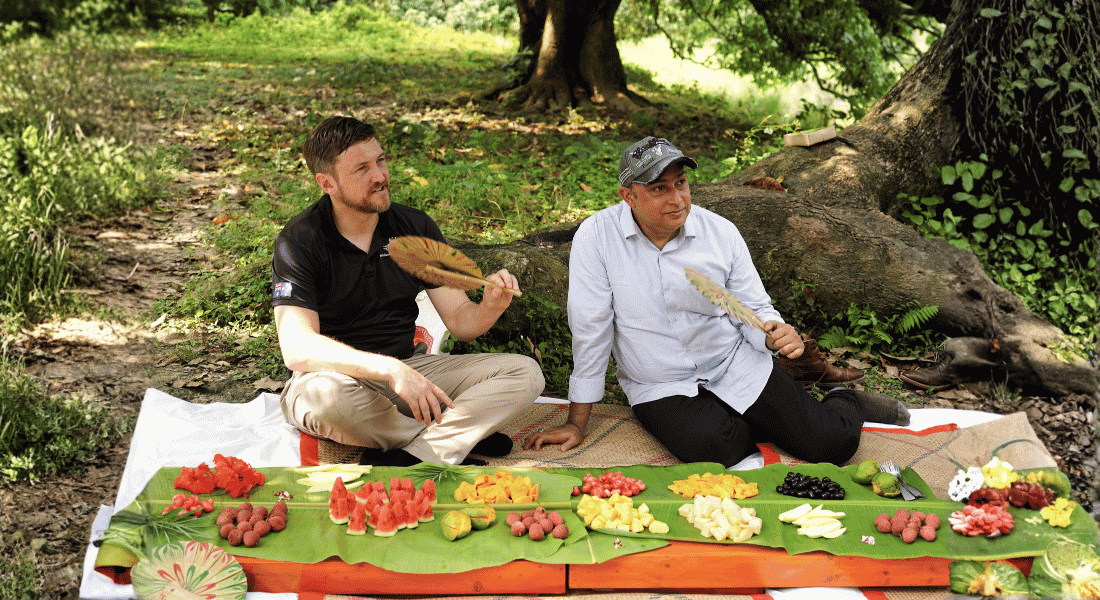
Direct Engagement: Participating in food preparation reveals culinary traditions intimately
Regional Culinary Variations
Sylhet Cuisine: Distinctive flavors differing from Dhaka styles
Coastal Regions: Emphasize seafood and maritime traditions
Inland Areas: Feature freshwater fish and meat preparations
Tea Gardens: Unique culinary traditions of plantation worker communitie
Expert Tips for Unforgettable Bangladesh Cultural Tours
Hire Experienced Local Guides
The difference between adequate and transformative cultural tours often hinges on guide quality. Experienced local guides possess knowledge extending beyond script recitations—they understand community histories, know artisans personally, and can contextualize sites within larger cultural frameworks.
Benefits of quality guides include:
Navigation of complex logistics smoothly and efficiently
Facilitation of genuine interactions impossible through standard tourist channels
Contextual understanding connecting sites to broader cultural narratives
Community relationships enabling authentic experiences
Language facilitation and cultural translation services
Budget for quality guides and pay directly to guides employed through community tourism organizations ensuring fair compensation supporting local livelihoods. Establish guide expectations regarding interaction style—whether you prefer educational lectures or conversational exploration.
Travel Slowly and Stay Longer
The impulse to maximize experiences through rapid destination-hopping undermines the authentic immersion that distinguishes Bangladesh cultural tourism. Extended stays allow:
Genuine relationship development with host families
Deeper craft learning and skill development
Extended nature exploration and wildlife observation
Serendipitous interactions and unscheduled discoveries
Understanding of seasonal patterns and community dynamics
Moments of wilderness appreciation and natural beauty
Three days in Sylhet allows meaningful cultural penetration impossible in rushed itineraries. Multi-day Sundarbans cruises with naturalist guides offer wildlife observation opportunities and wilderness appreciation that brief visits cannot provide.
Learn Basic Bengali Phrases
While English speakers work in tourism sectors, learning basic Bengali phrases demonstrates respect and dramatically improves interactions. Simple phrases communicate respect and warm human connections:
Nomoshkar: Hello (respectful greeting)
Dhonnobad: Thank you
Onek Sundar: Very beautiful
Ami Bangla Bolte Chai: I want to speak Bengali
Akta Shamsho: One question
Kharap Lagsse Na: Not bad
Tik Acche: That's fine/okay
Language learning apps or brief pre-travel instruction provide accessible entry into Bengali communication, transforming visitor experiences and community relationships significantly.
Avoid Common Tourist Mistakes
Infrastructure Expectations
Bangladesh infrastructure differs from developed nations. Inconsistent electricity, limited internet, and variable water quality are realities to accept rather than problems requiring solutions. Flexibility transforms potential frustrations into adventures and authentic experiences.
Photography Ethics
Always request permission before photographing individuals, especially children. Many communities object to image-taking based on religious or cultural beliefs. Photography ethics require respecting these boundaries over capturing images.
Poverty Tourism
Communities experiencing poverty aren't museums for privileged tourists. Approach interactions with humility recognizing systemic inequality rather than romantic poverty tourism stereotypes.
Mass Tourism Participation
Visiting major sites independently rather than participating in scheduled tourist group experiences respects community autonomy. Small groups affect communities less disruptively than organized mass tourism.
Respectful Documentation
Document your experiences thoughtfully and share stories that honor communities rather than exoticize poverty or cultural difference. Consider how your representations of places and people align with authentic community narratives.
Comparison Table: Major Bangladesh Cultural Tour Destinations
Frequently Asked Questions
Q: How long should a Bangladesh cultural tour last for meaningful experiences?
A: Minimum three to four days allows meaningful cultural immersion beyond superficial sightseeing. A week-long Bangladesh cultural holiday enables exploring multiple regions—combining Dhaka heritage with Sylhet tea gardens or Sundarbans adventures. Extended stays (10-14 days) permit genuine relationship development and deeper understanding of specific cultural traditions. Rushed two-day tours exist but sacrifice the authentic immersion that distinguishes Bangladesh cultural tourism. Quality trumps quantity—three days in one region beats racing through multiple destinations superficially. Consider that traditional knowledge transmission, community relationship building, and cultural pattern recognition require extended engagement rather than abbreviated exposure.
Q: What makes community-based tourism different from conventional tour packages?
A: Community-based tourism Bangladesh empowers local communities controlling their own tourism development rather than external corporations extracting profits. Residents decide what cultural aspects to share, set visitor numbers, maintain pricing power, and direct revenues toward community priorities. Conventional packages optimize profits for tour operators and hotels, with minimal community benefit. Community tourism prioritizes small group experiences, cultural respect, and genuine community interaction. Participants engage with actual residents rather than trained performers. Economic benefits circulate locally—homestay families keep accommodation payments, artisans receive full craft sales value, and hired guides earn fair wages. The philosophy recognizes that authentic culture requires respectful community relationships, not extractive economic transactions.
Q: Are solo female travelers safe exploring Bangladesh cultural sites?
A: Bangladesh is generally safe for solo female travelers following responsible tourism practices. Modest dress, avoiding isolated nighttime exploration, and using verified transportation significantly enhance safety. Most Bangladeshi communities extend genuine hospitality to respectful visitors. Women traveling in groups experience somewhat fewer unwanted interactions, though solo female travelers commonly report positive experiences. Hiring experienced local guides, staying in community-recommended accommodations, and connecting with other travelers through verified platforms increases comfort and safety. The key is eliminating unnecessary risks through preparation and prudent decision-making rather than avoiding travel altogether. Many solo female travelers consider Bangladesh cultural tours among their most rewarding and safe international experiences.
Q: How do I ensure my tourism spending actually benefits local communities?
A: Direct engagement with community-based tourism organizations like BRAC Otithi ensures transparent benefit distribution. Choose homestays over hotels, eat at family restaurants over tourist chains, and purchase crafts directly from artisans. Ask tour operators specific questions about community employment, profit-sharing, and environmental practices—ethical operators answer transparently. Select small group tours limiting environmental impact and community disruption. Spend extended time in specific locations allowing relationship development over transactional interactions. Tip guides, drivers, and service workers directly rather than through organizational channels minimizing intermediary extraction. Prioritize locally-owned businesses regardless of marginally higher costs compared to international corporations. These choices accumulate into meaningful economic impact supporting genuine community development aligned with cultural preservation.
Q: What should I expect regarding accommodations and comfort levels?
A: Bangladesh accommodations range from luxury Dhaka hotels to basic village homestays. Urban centers offer international-standard hotels with amenities like air conditioning, reliable electricity, and excellent internet. Regional cities provide clean, comfortable mid-range hotels meeting reasonable comfort expectations. Village homestays emphasize cultural immersion over amenities—expect basic facilities, possibly limited electricity, and outdoor bathing. Homestay comfort depends on family economic circumstances; some provide surprising comfort while others reflect modest living standards. Rather than expecting home-country infrastructure standards, approach variable conditions as authentic experiences providing genuine cultural insight. Flexibility transforms potential frustrations—intermittent electricity, basic toilet facilities, and limited internet—into adventures revealing daily realities. Most participants find homestay authenticity transcends infrastructure limitations, creating transformative experiences impossible in hotel environments prioritizing standardized comfort.
Q: What wildlife and natural phenomena can I experience during Bangladesh cultural tours?
A: The Sundarbans world's largest mangrove forest hosts Bengal tigers, spotted deer, monitor lizards, and hundreds of bird species visible during wildlife cruises. Sylhet rainforests (Lawachara) feature hoolock gibbons, clouded leopards, and diverse bird populations observable during guided birdwatching expeditions. Wetland areas attract migratory birds during winter months—ideal for birding tourism. The Padma, Meghna, and Brahmaputra rivers reveal freshwater ecosystems and traditional fishing communities. Seasonal variations affect wildlife visibility—birding peaks during winter migration. Monsoon flooding creates unique wetland habitats. Sustainable tourism practices require experienced guides ensuring wildlife observation respects animal behavior and habitat conservation. Wildlife experiences integrate seamlessly with cultural tourism since local communities historically coexisted with these ecosystems, their knowledge accumulated through generations of careful observation.
Q: How far in advance should I plan a Bangladesh cultural tour?
A: Planning three to four months ahead allows time for visa processing, accommodation arrangements, and coordination with community-based tourism operators. Festival-season tours (March-April for Pahela Baishakh) require earlier booking due to increased demand. Standard tours can be arranged with two months advance planning. Last-minute arrangements are possible but limit destination selection and community coordination options. Advance planning through reputable operators like BRAC Otithi ensures quality experiences and proper community notification avoiding disruption. Early booking demonstrates community respect, facilitates logistics, and guarantees access to small group tours maximizing cultural engagement. For specialized interests—tribal villages, specific craft traditions, archaeological expeditions—research operators and establish contact relationships several months ahead allowing customization and expert planning.
Q: What's the realistic cost of Bangladesh cultural tour packages?
A: Budget options (homestays, local transport, basic meals) cost $30-50 daily. Mid-range packages ($60-120 daily) include modest hotels, organized transportation, experienced guides, and meal variety. Premium experiences ($150+ daily) provide comfortable accommodations, specialized experts, small group sizes, and customized itineraries. Most travelers find quality experiences at mid-range pricing. Community tourism often costs less than conventional packages while providing superior cultural engagement. Package costs depend on group size (larger groups reduce per-person costs), destination accessibility, season (monsoon seasons offer discounts), and accommodation preferences. A week-long Bangladesh cultural holiday costs approximately $800-2000 including all expenses for budget-conscious travelers, $1500-3500 for mid-range comfort, or $3500+ for premium customized experiences. These costs represent exceptional value compared to equivalent cultural tourism in neighboring Asian countries.
Q: Are there community tourism opportunities specifically for families with children?
A: Absolutely. Bangladesh cultural tourism welcomes families, and many communities embrace child visitors positively. Homestays with families enable children experiencing daily life rhythms naturally. Age-appropriate activities include pottery workshops, agricultural participation, gentle village explorations, and boat activities. Younger children adapt well to homestay environments since household routines provide structure. Expect limited conventional entertainment—though communities often organize special activities for child visitors. Health precautions including water safety and appropriate vaccinations are essential with children. Many cultural site visits (temples, museums, heritage sites) present minimal difficulty for families. Parents should establish realistic expectations regarding comfort and convenience, approaching the experience as immersive learning rather than resort vacation. Children often become unofficial community members, generating local enthusiasm and creating meaningful cross-cultural connections impossible in adult-only tours.
Common Mistakes to Avoid in Bangladesh Cultural Tourism
1. Neglecting Community Permission
Assuming access to communities or cultural activities without advance coordination disrespects autonomy and disrupts daily routines. Always work through community organizations or respected local guides arranging visits respectfully.
2. Romanticizing Poverty
Treating low-income communities as aesthetic backdrops for photography or voyeuristic observation rather than respecting their dignity and agency perpetuates problematic tourism dynamics. Approach interactions with humility and genuine interest.
3. Ignoring Environmental Impact
Unsustainable practices—excessive plastic use, contaminating water sources, disturbing wildlife—undermine conservation alongside cultural preservation. Responsible tourism requires environmental consciousness alongside cultural respect.
4. Overestimating Infrastructure Reliability
Expecting consistent electricity, reliable internet, and modern facilities creates unnecessary frustration. Bangladesh cultural tourism authenticity partly depends on embracing less-developed infrastructure as genuine experience rather than inconvenience.
5. Inadequate Cultural Preparation
Visiting without basic cultural knowledge or respect indicators (modest dress, appropriate language attempts) creates friction. Minimal preparation demonstrating respect enhances all interactions substantially.
6. Mass Tourism Participation
Joining large organized groups limits authentic interaction and community benefits. Small group experiences or independent travel with local guides provides superior cultural engagement while reducing community disruption.
The Future of Bangladesh Cultural Tourism
Bangladesh cultural tourism stands at a critical juncture. Increasing international awareness brings opportunity and risk. Responsible tourism development can fund heritage conservation, support artisan communities, and preserve traditions facing modernization pressures. Uncontrolled mass tourism risks commodifying authentic culture, disrupting communities, and degrading environments.
The future depends on conscious choices by both visitors and tourism operators. Selecting community-based organizations, traveling slowly, respecting cultural boundaries, and supporting local economies actively shapes sustainable tourism development. Each traveler's choices influence whether Bangladesh cultural tourism becomes exploitative extraction or mutually beneficial cultural exchange supporting preservation of authentic traditions.
Key priorities for sustainable development include:
Limiting tourist numbers to prevent community disruption and environmental degradation
Ensuring genuine community control over tourism development rather than external imposition
Prioritizing profit distribution directly to community members rather than distant corporations
Integrating conservation with cultural preservation rather than treating them as separate priorities
Supporting young generation participation in cultural tradition continuation
Documenting and preserving endangered cultural knowledge and craft traditions
Creating economic incentives making cultural preservation more viable than cultural abandonment
Conclusion: Discovering Authentic Bengali Culture Through Responsible Tourism
A Bangladesh cultural tour transcends typical vacation experiences—it's transformative engagement with one of Asia's most vibrant, complex, and underexplored cultural traditions. From witnessing artisans continuing Nakshi Kantha embroidery traditions to exploring Buddhist monasteries revealing ancient Bengal's intellectual legacy, from staying in village homestays experiencing daily life authenticity to cruising through the world's largest mangrove forest alongside traditional fishing communities, Bangladesh cultural tourism offers unparalleled opportunities for meaningful cultural immersion.
The key to unforgettable experiences lies in approaching Bangladesh cultural tourism with respect, flexibility, and genuine interest. Choose small group tours or homestays through verified community-based operators like BRAC Otithi ensuring your spending supports local communities. Travel slowly, hire experienced local guides, and remain open to perspectives challenging your assumptions. Learn basic Bengali phrases demonstrating respect, dress modestly acknowledging cultural values, and approach communities with humility rather than privilege.
Whether you're drawn to heritage sites revealing ancient Bengal's sophistication, contemporary artisan communities preserving traditional knowledge, tribal villages maintaining indigenous cultures, or natural wonders like the Sundarbans ecosystem, Bangladesh cultural tourism awaits your thoughtful engagement. Plan your Bangladesh heritage tour now, connect with community-based organizations dedicated to sustainable tourism, and prepare for experiences that will fundamentally expand your understanding of human culture, resilience, and the remarkable diversity of ways people organize meaningful lives together.
The authentic Bangladesh cultural experiences you seek exist not in guidebook recommendations but in genuine connections with communities welcoming visitors interested in understanding their lives with respect and sincere curiosity. Begin planning your transformative Bangladesh cultural tour today—the rewards of authentic cultural engagement extend far beyond vacation memories, becoming part of your identity and worldview forever.
Additional Resources and References
References
UNESCO World Heritage Sites: UNESCO World Heritage Convention - Search "Bangladesh" for comprehensive information on protected heritage sites including Paharpur Buddhist Monastery and Sundarbans
Bangladesh Tourism: Official government tourism guidance and resources for travelers planning cultural tours
BRAC Organization: BRAC Development Organization - Comprehensive sustainable development approach and community tourism initiatives
Recommended Communities and Operators
BRAC Otithi Community Tourism Platform - Verified destination for authentic, sustainable Bangladesh cultural tours
Local community-based tourism organizations throughout regions
Homestay networks coordinating with families in cultural heritage regions
NGO-affiliated tourism initiatives supporting sustainable development