Blog
08
Sep
Naogaon tour
Best Places to Visit in Naogaon: A Complete Travel Guide
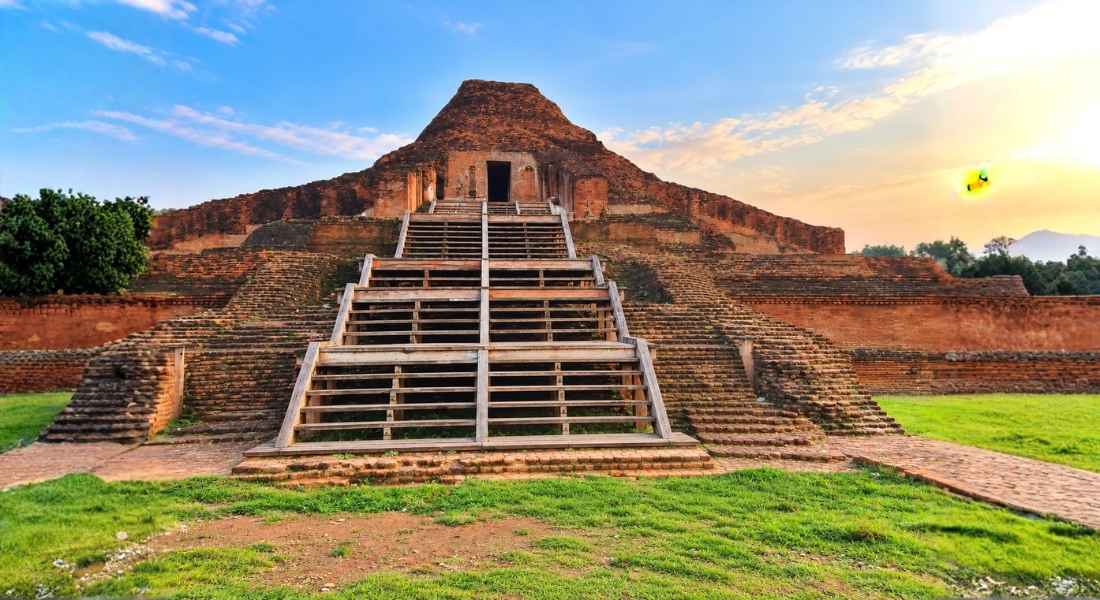
Naogaon holds one of South Asia's greatest archaeological sites. Paharpur monastery covers 70 acres. UNESCO listed it as a World Heritage Site in 1985.
Yet most travelers skip the district. They pass through on the way to Rajshahi. They miss a region with ancient history, mango orchards, and quiet villages.
Naogaon tour solves this. The district offers heritage, nature, and local life within a short drive.
This guide gives you the best places, real costs, and planning steps. You finish ready to book your trip.
Why a Naogaon Tour Works
Naogaon sits in northern Bangladesh. The district holds history that few travelers know.
Three factors make it worth the trip.
Paharpur is the largest Buddhist monastery south of the Himalayas
The district holds mango orchards and rural landscapes
Costs stay low compared to other heritage destinations
The area also sits near Chapai Nawabganj and Rajshahi. You can combine several districts in one trip.
For a wider view of the region, read our guide to North Bengal itinerary.
Quick Comparison: Best Places to Visit in Naogaon
The Best Places to Visit in Naogaon
1. Paharpur Monastery (Somapura Mahavihara)
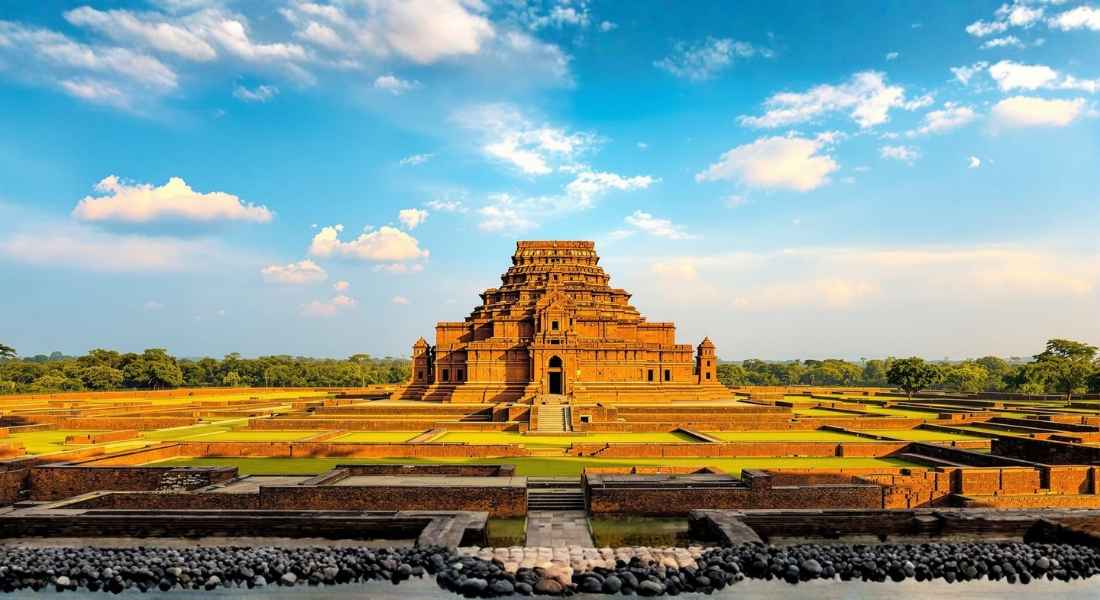
Paharpur is the main reason to visit Naogaon. It is the largest Buddhist monastery south of the Himalayas.
King Dharmapala built it in the late 8th century. It covers 70 acres and once housed over 100 monks. The courtyard holds a central temple. The walls hold terracotta plaques.
UNESCO declared it a World Heritage Site in 1985.
You can walk the courtyard. You can examine the plaques. You can see how monks lived in individual cells around the temple.
For a wider view of the site, read our guide to Naogaon archaeological sites.
Best for: History lovers and archaeology students.
Cost: 200 to 500 BDT per person.
Tip: Visit early morning. The light is better and heat is lower.
2. Halud Vihara
Halud Vihara sits near Paharpur. The site holds ruins from the same period.
Archaeologists believe it was a Buddhist monastery. The site is smaller than Paharpur. But it adds context to the region's history.
You can walk the ruins. You can see the foundations and scattered bricks.
Best for: Archaeology lovers.
Cost: 100 to 300 BDT per person.
Tip: Pair with Paharpur in one day.
3. Kusumba Mosque
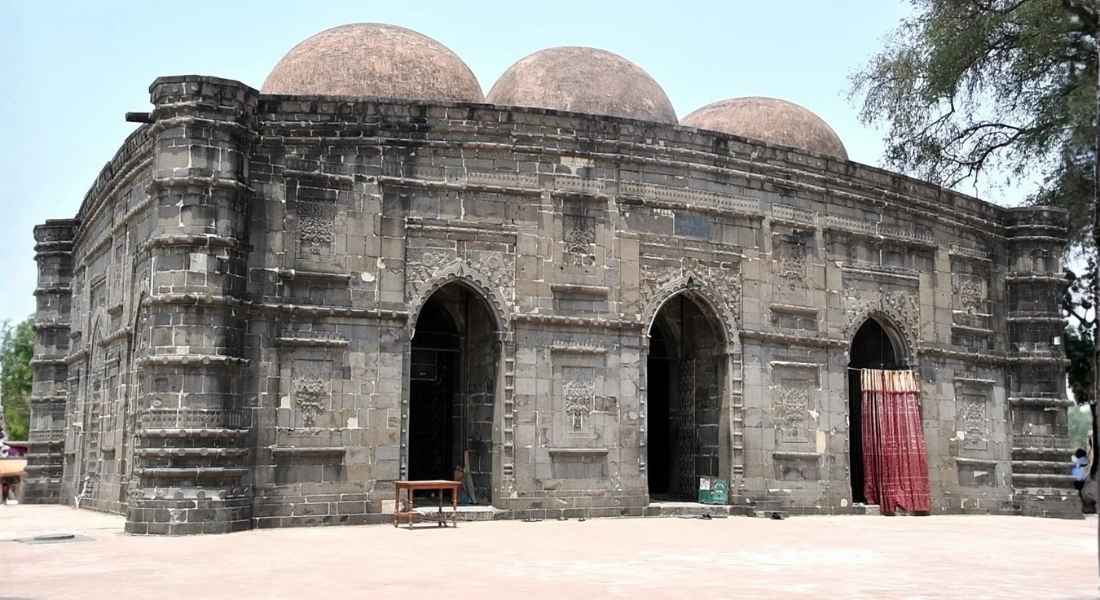
Kusumba Mosque sits in the district. It dates to the Mughal period.
The mosque shows Mughal architectural style. Thick walls, curved arches, and terracotta decoration mark the building.
You can visit outside prayer times. Dress modestly. Remove shoes before entering.
Best for: Architecture lovers.
Cost: Free.
Tip: Visit in the morning. The light is better for photos.
4. Jagaddal Mahavihara
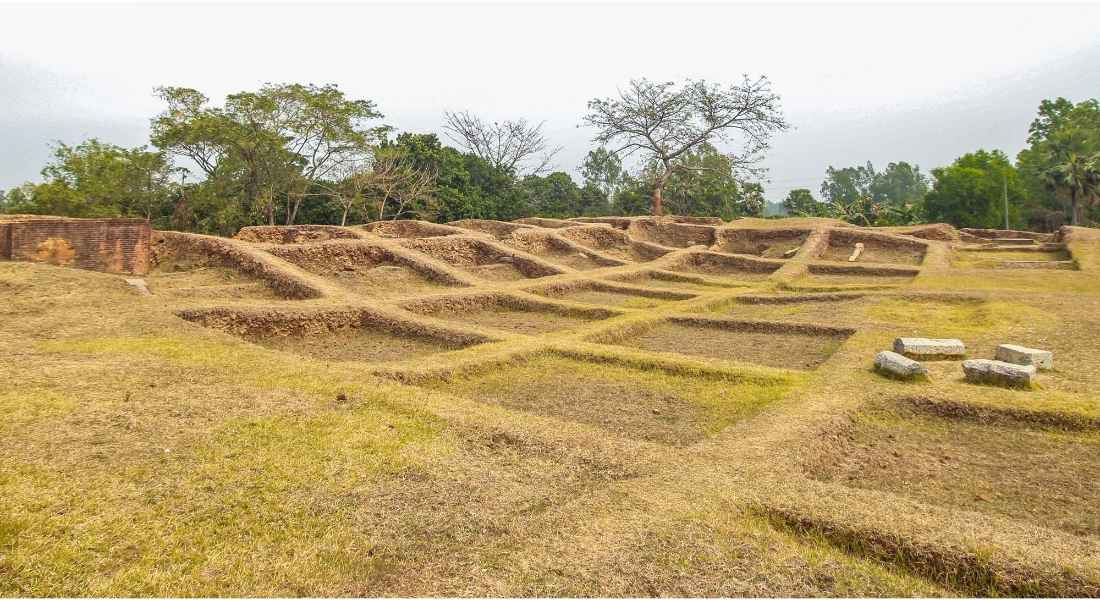
Jagaddal Mahavihara holds ruins from the Pala period. The site sits near the river.
The ruins are smaller than Paharpur. But they add depth to the region's Buddhist history.
You can walk the site. You can see the foundations and scattered stone.
Best for: History lovers.
Cost: 100 to 300 BDT per person.
Tip: Combine with a village walk nearby.
5. Mango Orchards
Naogaon grows mangoes on a large scale. The district produces varieties known across the country.
In May and June, orchards fill with fruit. You can visit farms. You can pick fruit. You can taste varieties fresh from the tree.
Read our guide to mango tourism in Bangladesh for timing details.
Best for: Food lovers and families.
Cost: 300 to 800 BDT per person.
Tip: Visit in late May. Early varieties ripen then.
6. Rural Villages
Naogaon's villages offer a look at rural life. Most people work in farming or small trade.
You can walk through villages with a local guide. You can meet families. You can see how they live and work.
This works as a half-day trip. It suits photographers and culture seekers.
Best for: Photographers and culture seekers.
Cost: Free, with guide fees.
Tip: Ask before photographing people.
How to Plan a Naogaon Tour
Pick the Right Season
Winter (November to February) is the best time. Weather stays cool and dry.
Mango season (May to June) brings orchards into fruit. Read our mango season guide for timing.
Monsoon (June to September) brings rain. It suits indoor sites. Read our monsoon travel guide before planning.
Choose Your Base
Naogaon town works as a base. It sits near most sites.
For Paharpur, stay in nearby villages or drive from Naogaon town.
Plan Your Transport
Naogaon is well connected by road. Buses run from Dhaka and Rajshahi.
The drive from Dhaka takes six to seven hours. The drive from Rajshahi takes two to three hours.
Once there, hire a car with driver for site visits.
Book Accommodation Early
Hotels in Naogaon fill fast in winter. Book two weeks ahead.
Hire Local Guides
Local guides know the area. They explain the history behind each site. They find places tourists miss.
For a full route, read our guide to Naogaon heritage tour.
Seasonal Guide for Naogaon
Winter (November to February): Best weather. All sites work. Book early.
Spring (March to April): Hot but manageable. Start early. Mango orchards begin to flower.
Monsoon (June to September): Rain limits outdoor visits. Choose indoor sites.
Autumn (October): Clear skies return. Durga Puja fills the calendar. See our events in Dhaka guide.
Cost Breakdown for a Naogaon Tour
Costs vary by group size and comfort level.
Tips for Your Naogaon Tour
Carry cash. ATMs are limited outside Naogaon town.
Wear comfortable shoes. You will walk a lot.
Visit sites in the morning. Light is better and heat is lower.
Wear modest clothing at religious sites.
Ask before photographing people.
Check opening hours for museums and public buildings.
Try local mangoes in season.
For weekend options, see our list of weekend trips from Dhaka. For one-day options, read our day trips from Dhaka guide.
Naogaon Tours for Different Travelers
Families: Paharpur and mango orchards work best. Short walks suit children. See our family tours in Bangladesh guide.
Couples: Paharpur and quiet village stays offer privacy. Check our couple tours guide.
Student groups: Paharpur and Halud Vihara offer learning. See our student tours in Bangladesh page.
Solo travelers: Group tours reduce cost. Check group tours in Bangladesh.
Start Planning Your Naogaon Tour
Naogaon offers something rare. You can walk a monastery that housed over 100 monks. You can taste mangoes fresh from the tree. You can meet families who have farmed the land for generations.
Pick one base. Check the season. Book a guide. Travel slow.
Paharpur offers the strongest history. The mango orchards offer the best food. The villages offer the deepest culture.
The best places to visit in Naogaon are waiting. Plan your trip before the season fills up.
Frequently Asked Questions
How do I get to Naogaon from Dhaka?
By road. The drive takes six to seven hours through Rajshahi or Bogra.
What is the best time to visit Naogaon?
November to February. Weather is cool and dry.
What is Paharpur known for?
It is the largest Buddhist monastery south of the Himalayas. UNESCO listed it as a World Heritage Site.
Can I visit mango orchards in Naogaon?
Yes. Visit in May and June. Call ahead for smaller farms.
How much does a Naogaon tour cost?
Expect 2,100 to 4,400 BDT per person for a day trip. Two-day trips cost 4,700 to 10,300 BDT. Three-day trips cost 7,300 to 16,200 BDT.