Blog
09
Sep
Birishiri homestay
Best Homestay Experiences in Birishiri: A Complete Guide
Birishiri sits on the Someshwari River in Netrokona. The water runs clear over white stone. Hills rise on both sides. Few travelers know it exists.
Most visitors stay in hotels when they travel. They eat in restaurants. They leave without meeting a single local family.
Birishiri homestay solves this. You sleep in a family home. You eat their cooking. You learn their culture.
This guide gives you the best homestay options, real costs, and booking steps. You finish ready to plan your stay.
Why Birishiri Homestays Work
Birishiri is home to the Garo community. Their culture differs from the Bengali mainstream.
The Garo follow a matrilineal system. Land passes from mother to daughter. Their music, dance, and food have their own character.
A homestay puts you inside this culture. You do not just see it. You live it for a night or two.
Three factors make homestays work here.
Local families run the stays and keep the money
You learn Garo customs directly from hosts
The river and hills sit within walking distance
For a wider view of the region, read our guide to Birishiri tour.
Quick Comparison: Birishiri Homestay Options
The Best Birishiri Homestay Experiences
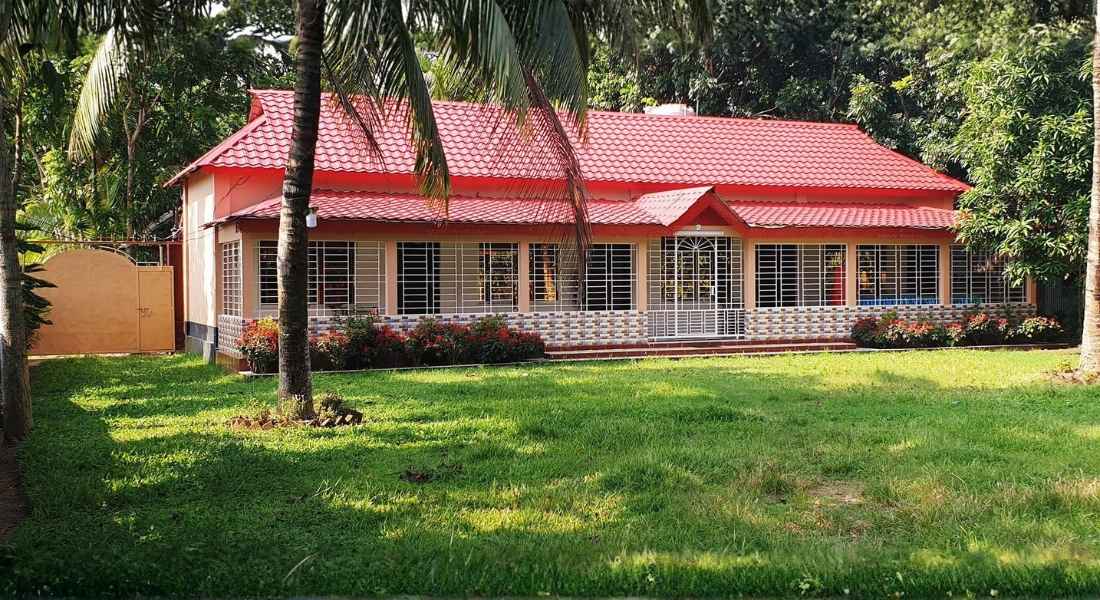
1. Basic Family Homestay
A basic family homestay offers a room in a Garo home. You share meals with the family.
The room is simple. You get a bed, a fan, and shared bathroom access.
This works for budget travelers who want cultural contact.
Best for: Budget travelers and solo travelers.
Cost: 1,500 to 2,500 BDT per night with meals.
Tip: Confirm bathroom access before you book. Some homes share facilities.
2. Culture Homestay
A culture homestay adds a village tour and cultural activities. You learn about Garo music, dance, and daily life.
The host family guides you through the village. You meet neighbors. You watch weaving and cooking.
This works for travelers who want depth.
Best for: Culture seekers and photographers.
Cost: 2,500 to 3,500 BDT per night with meals and tour.
Tip: Ask about cultural activities before you book. Programs vary by host.
3. Riverside Homestay
A riverside homestay offers a private room with river views. The house sits near the Someshwari bank.
You can walk to the river at sunrise. You can watch the light change on the water.
This works for couples and families who want privacy.
Best for: Couples and families.
Cost: 2,500 to 4,000 BDT per night with meals.
Tip: Book two weeks ahead in winter. Riverside rooms fill fast.
4. Group Homestay
A group homestay offers shared rooms for larger groups. Student and corporate groups use this option.
The host family provides meals and guides. You share common spaces with your group.
This works for groups of 10 or more.
Best for: Student groups and corporate groups.
Cost: 1,200 to 2,000 BDT per person with meals.
Tip: Confirm room capacity before you book.
How to Book a Birishiri Homestay
Book Through a Local Operator
Local operators know the families. They confirm availability and standards.
Book through a Birishiri homestay listing to ensure your money reaches local families.
Confirm What Is Included
Ask about meals, bathroom access, and activities. Some homestays include village tours. Others do not.
Get the details in writing before you pay.
Check Privacy
Some homestays offer private rooms. Others offer shared spaces. Confirm what you get.
Ask About Food
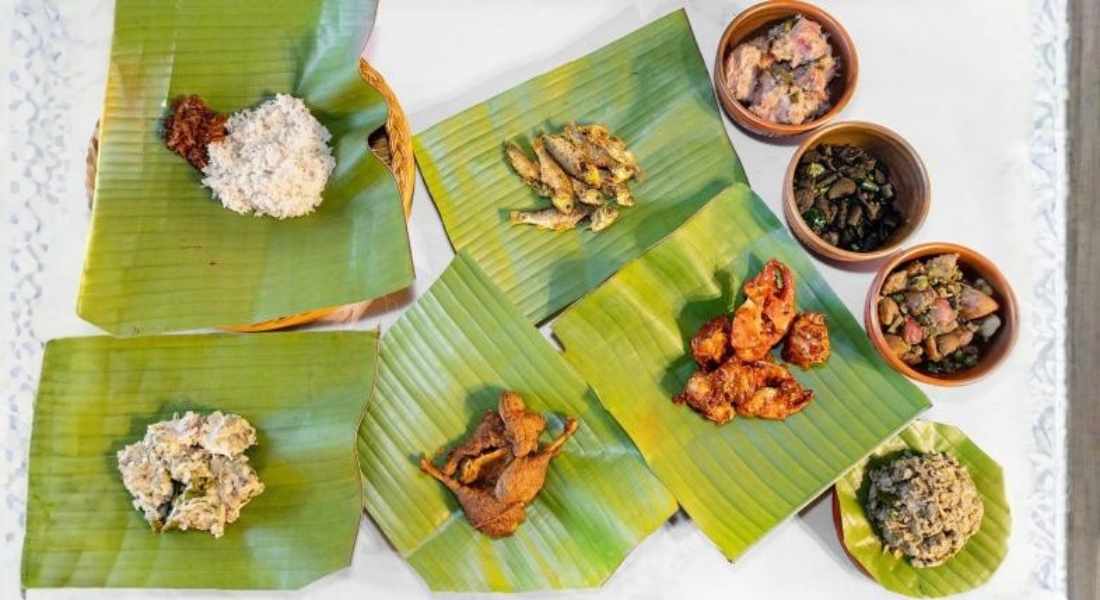
Garo cooking differs from Bengali food. Ask what meals are served. Tell hosts about allergies or dietary needs.
Confirm Cancellation Policy
Weather changes fast in hill areas. Confirm the refund policy before you pay.
What to Expect in a Birishiri Homestay
The Room
Rooms are simple. You get a bed, bedding, and a fan. Some homes have attached bathrooms. Others share.
Do not expect hotel comfort. Expect a clean, basic room.
The Food
Hosts cook local food. You eat what the family eats. Meals include rice, vegetables, and sometimes meat or fish.
Garo cooking uses local ingredients. You may try dishes you have never seen.
The Daily Rhythm
Families wake early. You will too. Mornings are for tea, breakfast, and river walks.
Evenings are quiet. You share stories. You learn about the family and the village.
The Hosts
Hosts are welcoming. They answer questions. They share their culture.
Respect their space. Ask before entering rooms. Ask before photographing people.
Seasonal Guide for Birishiri Homestays
Winter (November to February): Best weather. All homestays work. Book early.
Spring (March to April): Hot but manageable. Start early. Hills stay green.
Monsoon (June to September): Rivers fill. Rain limits outdoor activity. Read our monsoon travel guide.
Autumn (October): Clear skies return. Durga Puja fills the calendar. See our events in Dhaka guide.
Cost Breakdown for a Birishiri Homestay Trip
Costs vary by group size and homestay type.
Tips for Your Birishiri Homestay
Carry cash. ATMs are rare in Birishiri.
Book a week ahead in winter.
Bring a flashlight. Power outages happen.
Carry a reusable water bottle.
Wear modest clothing. Respect local customs.
Ask before photographing people.
Learn a few Garo words. It opens doors.
Bring a small gift for your host. Sweets or fruit work well.
For weekend options, see our list of weekend trips from Dhaka. For one-day options, read our day trips from Dhaka guide.
Birishiri Homestays for Different Travelers
Families: Riverside homestays work best. Private rooms and river access suit children. See our family tours in Bangladesh guide.
Couples: Riverside homestays offer privacy. Check our couple tours guide.
Student groups: Group homestays offer learning and value. See our student tour Birishiri page.
Solo travelers: Basic family homestays reduce cost. Check group tours in Bangladesh.
Start Planning Your Homestay
You do not need a complex plan. Pick one homestay. Book one room. Travel slow.
The basic family homestay offers the easiest start. The culture homestay offers the deepest experience. The riverside homestay offers the best views.
Book early. Carry cash. Respect your hosts.
The best Birishiri homestay experiences happen when you stop watching and start sharing the meal.
Frequently Asked Questions
How do I book a Birishiri homestay?
Book through a local operator or a homestay listing. Confirm details before you pay.
What is included in a homestay?
Room, meals, and sometimes village tours. Confirm details before you book.
How much does a homestay cost?
Expect 1,500 to 3,500 BDT per night with meals. Group homestays cost less per person.
Can I stay with a Garo family?
Yes. Most homestays are run by Garo families. Respect their customs.
What should I bring?
Cash, a flashlight, a reusable water bottle, modest clothing, and a small gift for your host