Blog
09
Oct
Student tour Birishiri
Best Student Activities in Birishiri: A Complete Guide
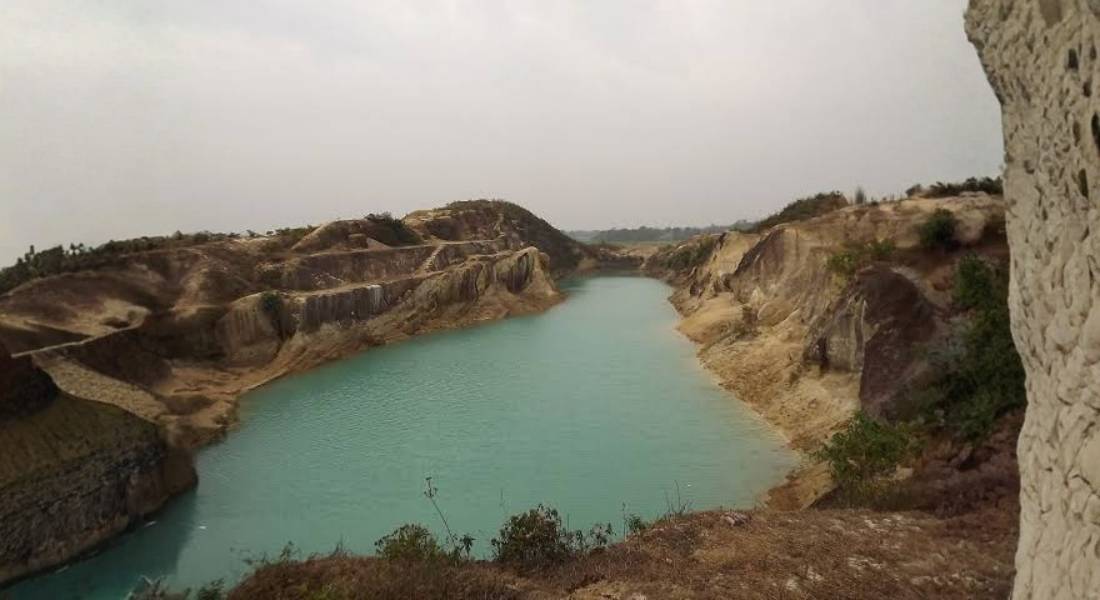
Birishiri sits on the Someshwari River in Netrokona. The water runs clear over white stone. Hills rise on both sides. The Garo community lives here.
Most student trips go to crowded cities. They visit malls and museums. They leave without meeting a community or seeing how people live.
A student tour Birishiri changes that. Students learn from the land, the river, and the people.
This guide gives you the best activities, real costs, and planning steps. You finish ready to propose a trip your department will approve.
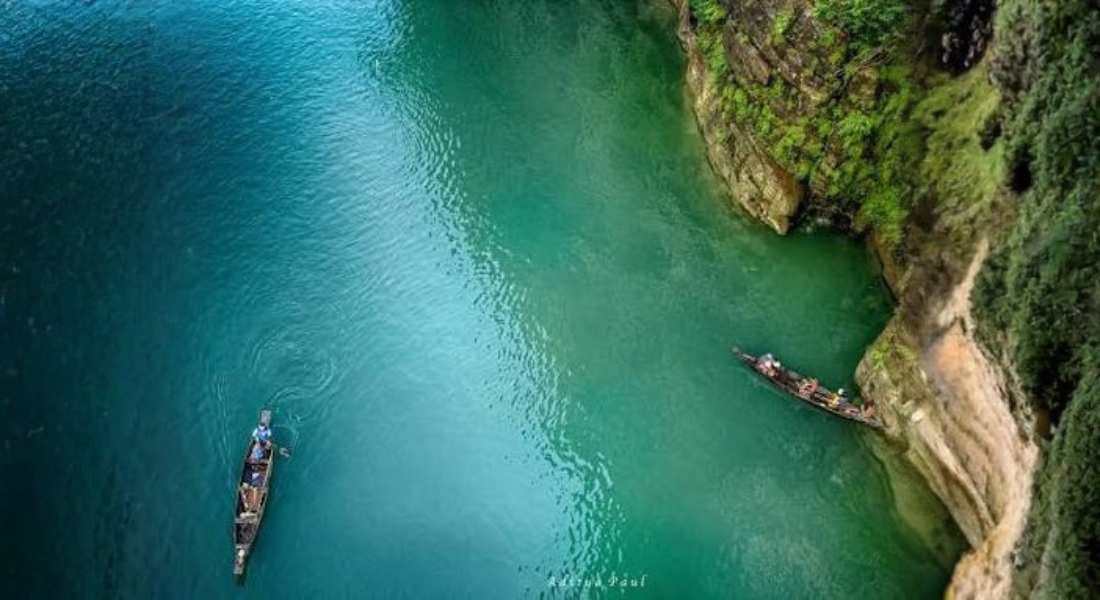
Why Student Tours in Birishiri Work
Birishiri is not a typical tourist spot. It is a living community with a distinct culture.
Three factors make it work for students.
The Garo culture offers lessons in kinship and community
The river and hills offer outdoor learning
Homestays keep costs low for tight budgets
The area also sits far from city distractions. Students focus on the place and the people.
For a wider view of the region, read our guide to Birishiri tour.
Quick Comparison: Best Student Activities in Birishiri
The Best Student Activities in Birishiri
1. River Ecology Study
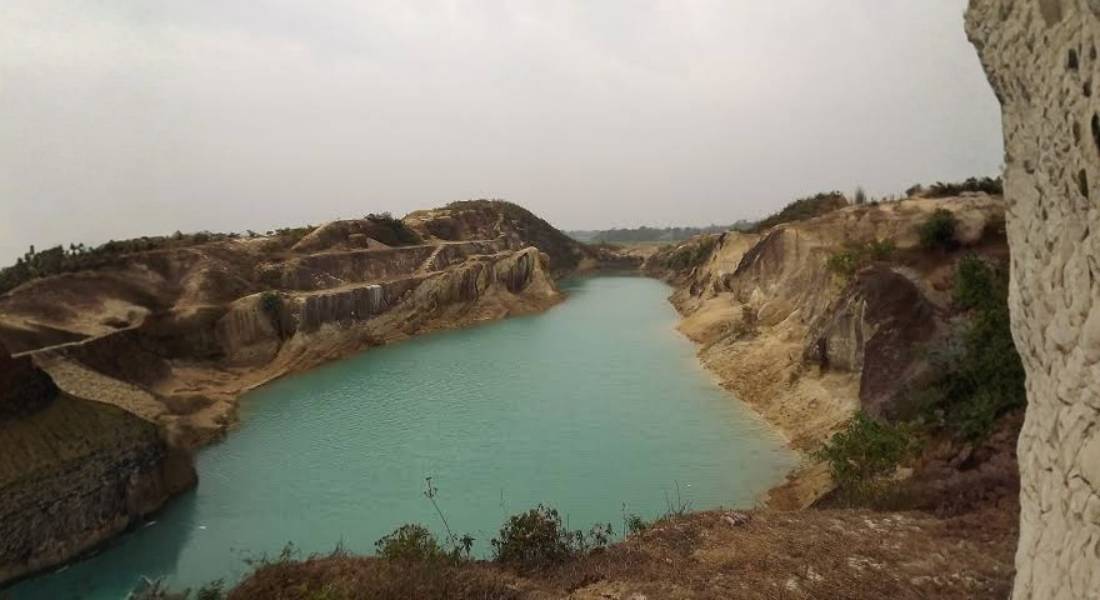
The Someshwari River runs clear over white stone. Students can study water quality, flow patterns, and river ecology.
Biology and environmental science students find this useful. They can collect samples. They can observe how the river shapes the land.
Learning focus: Water ecology, river systems, environmental change.
Best for: Biology and environmental science departments.
Cost: Free.
Tip: Bring sample jars and notebooks. Plan a morning visit.
2. Garo Culture Visit
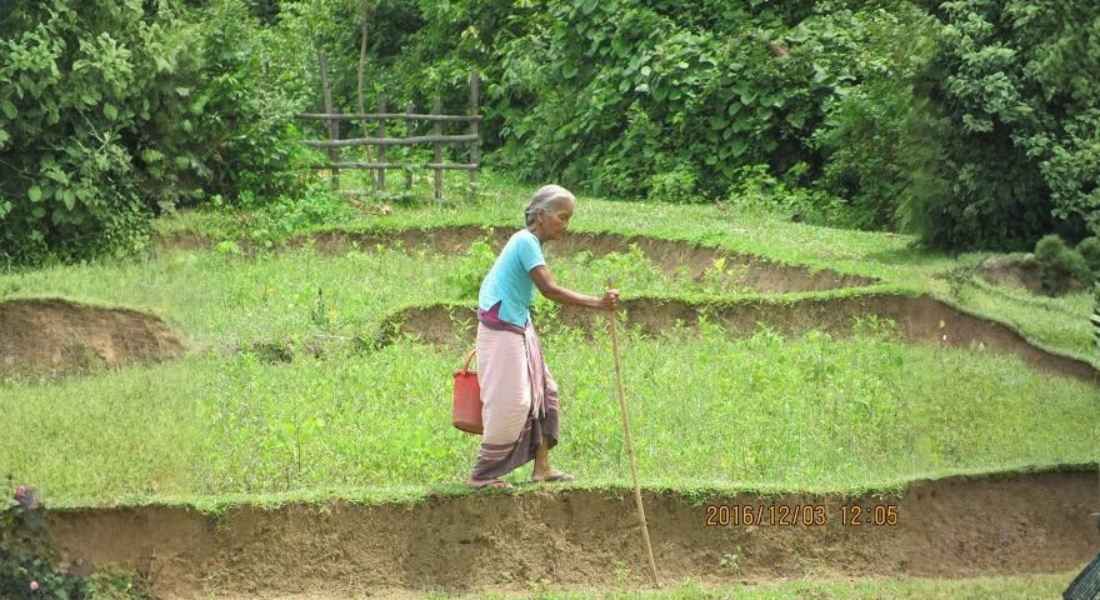
The Garo community follows a matrilineal system. Land passes from mother to daughter. Their music, dance, and food differ from the Bengali mainstream.
Anthropology and sociology students find this valuable. They can observe kinship systems. They can interview families. They can document traditions.
Learning focus: Kinship, gender roles, indigenous culture.
Best for: Anthropology, sociology, and gender studies departments.
Cost: 500 to 1,000 BDT per student for guide fees.
Tip: Brief students on cultural respect before arrival. Ask before photographing.
3. Hill Trail Hike
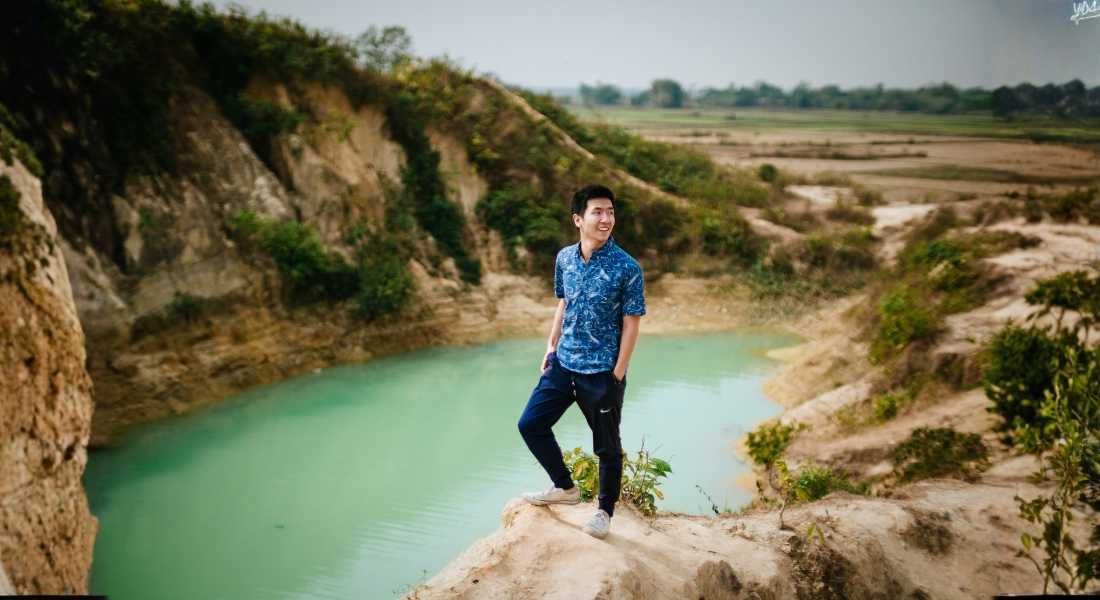
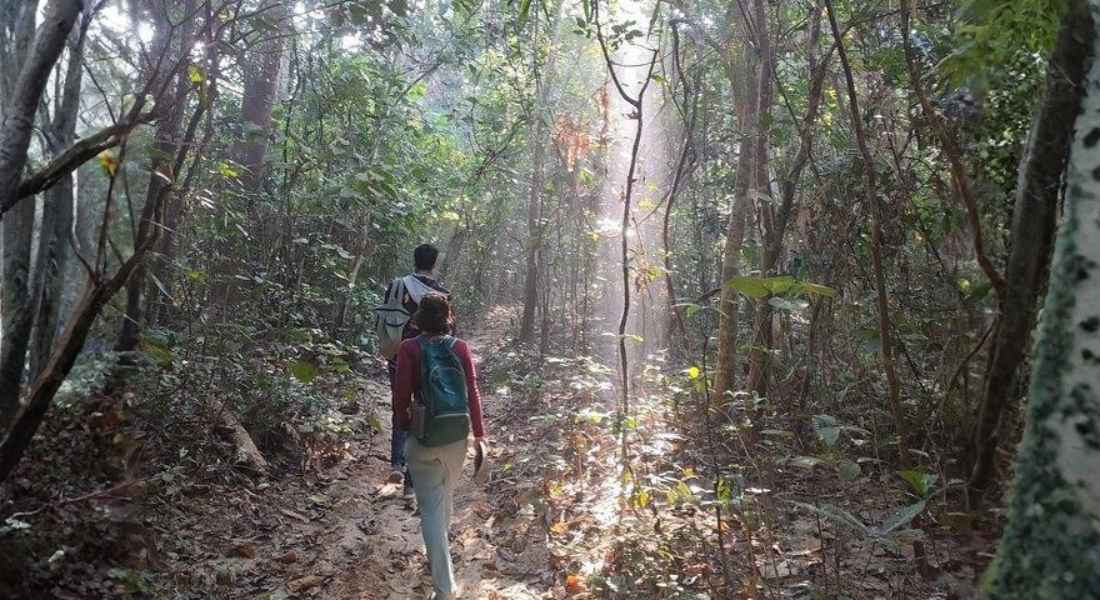
Hills rise on both sides of the river. Students can hike trails with a local guide.
The trails suit most fitness levels. Some routes take two hours. Others take a full day.
Geography and geology students find this useful. They can study landforms. They can observe how communities use hill land.
Learning focus: Geography, land use, physical fitness.
Best for: Geography and geology departments.
Cost: 500 to 1,500 BDT per student.
Tip: Go in winter. Trails are dry and views are clear.
4. Village Documentation
Garo villages sit along the river and in the hills. Students can visit villages and document daily life.
Journalism and media students find this valuable. They can interview families. They can photograph and record. They can write stories.
Learning focus: Field reporting, interviewing, documentation.
Best for: Journalism, media, and communication departments.
Cost: Free, with guide fees.
Tip: Assign specific tasks. Students learn more with clear goals.
5. Homestay Experience
A homestay puts students inside the culture. They sleep in a family home. They eat their cooking. They hear their stories.
This works for all departments. Students learn how families live. They practice cultural exchange.
Book through a Birishiri homestay for local hosts.
Learning focus: Cultural exchange, daily life, community structure.
Best for: All departments.
Cost: 1,200 to 2,000 BDT per student per night with meals.
Tip: Confirm room capacity before you book.
6. Photography Walk
Birishiri offers strong subjects. The river, hills, villages, and people all provide material.
Arts and media students can practice documentary photography. They can build portfolios. They can learn how to photograph people with respect.
Learning focus: Documentary photography, visual storytelling, ethics.
Best for: Arts and media departments.
Cost: Free.
Tip: Teach students to ask before photographing people.
How to Plan a Student Tour in Birishiri
Set a Clear Learning Goal
Ask what the trip should teach. Options include fieldwork, cultural observation, or documentation.
Different goals need different activities. A biology trip needs river study. A media trip needs documentation.
Match Activity to Department
Choose activities that fit the curriculum. Do not pick a destination because it is popular.
Set a Clear Budget
Costs vary by activity and stay. Set the budget before you book. Students need clear numbers.
Book Transport Early
The drive from Dhaka takes four and a half hours. Hire a bus or several cars. Reserve two weeks ahead in winter.
Assign Faculty Chaperones
One faculty member per 15 students works. For fieldwork trips, use one per 10 students.
Prepare Students
Brief students before the trip. Teach them local customs. Assign reading and tasks in advance.
Plan Assessment
Do not let the trip become only sightseeing. Assign reports, journals, or presentations. Students learn more when they know they will be assessed.
Seasonal Guide for Birishiri Student Tours
Winter (November to February): Best weather. All activities work. Book early.
Spring (March to April): Hot but manageable. Start early. Hills stay green.
Monsoon (June to September): Rivers fill. Rain limits hiking. Read our monsoon travel guide.
Autumn (October): Clear skies return. Durga Puja fills the calendar. See our events in Dhaka guide.
Cost Breakdown for a Birishiri Student Tour
Costs vary by group size and homestay type.
Tips for Student Group Travel
Book one vehicle per group. Split the cost evenly.
Set a clear wake-up time. Early starts avoid heat.
Assign one faculty member to handle cash.
Carry small notes. Change is scarce in Birishiri.
Plan one shared meal per day. Food builds the group.
Keep the itinerary flexible. Students find unexpected lessons.
Carry a first aid kit. Medical facilities are limited.
For adventure-focused trips, see our student adventure trips guide. For general student options, read the student tours in Bangladesh page.
Birishiri Student Tours for Different Departments
Biology and environmental science: River ecology study and hill hikes offer fieldwork. See the Birishiri eco tourism guide for context.
Anthropology and sociology: Garo culture visits and homestays offer immersion. See the community tourism guide for context.
Journalism and media: Village documentation and photography walks offer field reporting.
Geography and geology: Hill hikes and river study offer landform analysis.
Start With One Trip
You do not need a complex itinerary. Pick one activity. Book one homestay. Gather your students.
The river study offers the easiest start. The Garo culture visit offers the deepest learning. The homestay offers the fullest experience.
Book early. Prepare students. Move together.
The best student tour Birishiri happens when students stop reading about the country and start learning from it firsthand.
Frequently Asked Questions
How do I get to Birishiri from Dhaka?
By road. The drive takes four and a half hours through Mymensingh and Netrokona.
What is the best time for a student tour in Birishiri?
November to February. Weather is cool and dry.
How much does a student tour cost?
Expect 1,200 to 2,300 BDT per student for a day trip. Two-day trips cost 2,900 to 5,500 BDT. Three-day trips cost 4,700 to 8,800 BDT.
Can students stay with Garo families?
Yes. Book through a local operator. Confirm room capacity and meals before you pay.
What should students bring?
Comfortable shoes, a hat, a water bottle, a notebook, and cash for snacks.