Blog

09
Jun
Madhupur National Park
Madhupur National Park: Complete Guide to Bangladesh's Ancient Sal Forest
Introduction
Madhupur National Park stands as one of Bangladesh's most pristine natural treasures, covering vast stretches of ancient sal forest in Tangail district. This unique ecosystem harbors diverse wildlife, indigenous communities, and untouched natural beauty that few travelers experience. If you're seeking an authentic jungle adventure beyond typical tourist routes, understanding Madhupur's ecological significance and visitor opportunities transforms your journey from ordinary to unforgettable. This guide reveals what awaits you in this remarkable forest sanctuary.
What is Madhupur National Park?
Understanding Madhupur Jatio Uddan
Madhupur National Park, locally known as Madhupur Jatio Uddan, represents Bangladesh's commitment to preserving its natural heritage. Established as a protected forest reserve, this park encompasses approximately 8,430 hectares of pristine woodland. The designation "jatio uddan" translates to "national park" in Bengali, reflecting the government's recognition of its ecological importance.
The park exists within Tangail district, making it accessible yet wonderfully isolated from urban development. This balance between accessibility and seclusion makes Madhupur forest Bangladesh's ideal destination for nature enthusiasts seeking authentic wilderness experiences.
The Sal Forest Ecosystem
The defining feature of Madhupur National Park lies in its dominant sal tree population. Sal forests represent one of Asia's most valuable timber ecosystems, yet Madhupur prioritizes conservation over commercial harvesting. These towering sal trees create a dense canopy that filters sunlight into golden afternoon glow.
Walking through Madhupur sal forest feels like entering an ancient cathedral. The tall trees stretch toward the sky, their bark weathered by centuries of monsoons and dry seasons. The forest floor remains cool even during Bangladesh's hottest months, offering natural respite from external heat.
Forest Profile: Madhupur reserve forest covers 8,430 hectares primarily dominated by sal trees, creating the largest contiguous sal forest ecosystem in Bangladesh's lowland regions.
Madhupur Forest: A Living Ecosystem
Flora and Fauna of Madhupur National Park
Madhupur reserve forest supports significant biodiversity despite historical pressures. The park protects numerous plant species, with sal trees anchoring the ecosystem. Beneath the canopy, you'll discover:
Plant Species:
Sal trees (primary species)
Bamboo thickets
Teak plantations
Medicinal herbs
Seasonal wildflowers
Wildlife in Madhupur Jungle: Historical and Current Status
Understanding Madhupur's wildlife requires acknowledging both historical presence and current reality. Historically, Madhupur jungle was known to support larger predator populations. Today, wildlife composition has shifted significantly.
Historically Present Species (Now Extremely Rare):
Bengal tigers (no confirmed sightings in recent years)
Clouded leopards (population status unknown)
Asian elephants (occasional visitors from adjacent forests)
Currently Documented Wildlife:
Sambar deer (regularly observed)
Wild boar (common in remote areas)
Monitor lizards
Various primate species including gibbons and macaques
Over 200 bird species
Bird Species in Madhupur Forest:
Paradise Flycatcher (distinctive long-tailed beauty)
Bengal Eagle-Owl
Great Hornbill
Emerald-collared Parakeet
Various eagle species
Numerous warbler species
Woodpeckers and barbets
Conservation Reality: While Madhupur forest historically hosted larger predators, current wildlife surveys confirm primarily smaller mammals and extensive bird populations. This ecological shift reflects broader conservation challenges requiring ongoing management and protection strategies.
Indigenous Communities and Cultural Heritage
The Garo people, an indigenous community, have inhabited these lands for centuries. Their traditional ecological knowledge contributes significantly to forest conservation efforts. Visiting responsible tour operators ensures your visit supports rather than disrupts these communities.
The Garo maintain traditional farming practices within Madhupur forest, cultivating crops using sustainable methods passed through generations. This coexistence demonstrates possible balance between human livelihood and forest protection.
Planning Your Madhupur National Park Visit
Best Time to Visit Madhupur Forest
Season Guide for Madhupur National Park:
The winter months (November to February) offer the most comfortable Madhupur forest experience. Cool mornings and clear skies create ideal conditions for jungle trekking and wildlife observation. Temperatures range from 15-25°C, allowing full-day exploration without excessive heat stress.
Monsoon season (June-October) transforms Madhupur into a verdant landscape. While rainfall increases trekking difficulty, the forest's lush appearance and fewer tourists appeal to adventurous visitors. Expect muddy trails and higher leech activity during this period.
Entry Requirements and Fees
Visiting Madhupur National Park requires minimal formal requirements. The park charges nominal entry fees supporting conservation efforts. Bring valid identification and prepare for basic registration at entry points.
What to Bring:
Valid ID or passport
Comfortable trekking shoes with ankle support
Light, moisture-wicking clothing (long sleeves recommended)
Sun protection (hat, sunscreen SPF 30+)
Water bottle (2+ liters)
Insect repellent (DEET-based)
Basic first aid supplies
Camera for Madhupur photos and wildlife documentation
Exploring Madhupur: Trekking and Trails
Popular Trekking Routes in Madhupur Sal Forest
Madhupur National Park offers multiple trekking options catering to different fitness levels. The park's trail network connects key attractions, allowing customized exploration based on time and interest.
Beginner-Friendly Trails:
The Madhupur forest entrance to Madhupur garh (the raised plateau) provides accessible introduction to the ecosystem. This moderate 4-5 km walk takes approximately 2-3 hours, suitable for families and casual hikers. The trail gradually ascends through sal forest, offering wildlife observation opportunities.
Intermediate Trails:
The comprehensive forest circuit covers 8-10 km, requiring 4-6 hours. This route penetrates deeper into Madhupur jungle, passing rubber gardens, traditional Garo settlements, and wildlife habitats. Experienced guides enhance interpretation, explaining forest ecology and cultural significance.
Advanced Trekking:
Multi-day expeditions immerse dedicated adventurers in complete wilderness experiences. These treks cover 15+ km daily, requiring camping within designated forest areas. Advanced routes access remote forest sections rarely visited by tourists.
Hidden Trails in Madhupur Forest: Offbeat Trekking Routes
Beyond popular paths, Madhupur forest contains lesser-known trails offering solitude and authentic forest immersion. These hidden trails require experienced local guides familiar with forest pathways and wildlife behavior.
Local Guide-Only Routes:
Experienced Garo guides navigate hidden jungle paths connecting remote villages and water sources. These trails follow traditional routes used for generations, passing through undisturbed forest sections. Access requires advance arrangement with responsible tour operators.
Offbeat Trekking Areas:
The eastern forest sections experience fewer visitors than main plateau areas. Trekking these zones increases wildlife encounter probability while providing peaceful forest experiences. Early morning departures offer best wildlife observation chances.
Quiet Birdwatching Zones:
Specific forest sections attract concentrated bird populations. Local guides identify these zones based on seasonal movement patterns. Patience and early departures (5:00-6:00 AM) reward dedicated birdwatchers with exceptional sightings.
Lesser-Known Water Features:
Hidden streams and natural pools exist throughout the forest. These areas attract animals during hot months, creating observation opportunities. The cool forest environment around water sources provides natural respite during midday heat.
Hidden Trails Tip: Hiring local Garo guides for hidden trail exploration directly supports indigenous communities while accessing forest knowledge accumulated across generations. These guides know wildlife movement patterns, seasonal changes, and safe navigation through less-developed paths.
Madhupur National Park Photos & Scenic Views
Best Madhupur Photos for Travelers
Madhupur National Park provides exceptional photography opportunities throughout the year. The landscape's varied elements—from towering sal trees to cultural scenes—create diverse composition possibilities.
Where to Capture the Best Madhupur Photos:
1. Madhupur Sal Forest Photography
The dense sal forest canopy creates dramatic interplay of light and shadow. Photograph during early morning hours when golden sunlight filters through leaves, illuminating forest texture. Use telephoto lenses (70-200mm) to compress distant trees, emphasizing forest depth.
Madhupur forest photos benefit from:
Wide-angle shots showing canopy scale
Close-up macro photography of forest floor details
Silhouettes against backlit canopy
Misty morning forest scenes
2. Madhupur Jungle Photography: Wildlife and Action
Capture dynamic jungle moments showing forest vitality. Patient waiting near water sources increases wildlife photography probability. Early morning sessions yield the best light quality for animal photography.
3. Madhupur National Park Photos: Scenic Viewpoints
Madhupur garh plateau offers expansive forest vistas. Photograph from elevated viewpoints showing forest extent and topography. Wide-angle compositions emphasize landscape scale.
4. Madhupur Rubber Garden Photos: Geometric Compositions
The organized rubber tree rows create striking geometric patterns contrasting with organic forest forms. Photograph along garden paths using leading lines to guide viewer attention. These madhupur rubber garden photos showcase sustainable forestry landscape.
5. Madhupur Sal Forest Images: Detail Photography
Focus on forest floor details—fallen leaves, fungi, intricate root systems. Macro photography reveals hidden forest beauty. These intimate madhupur forest images show ecosystem complexity.
6. Cultural Photography in Madhupur
Traditional Garo villages provide rich cultural photography subjects. Genuine interaction creates authentic images celebrating community dignity. Always request permission before photographing community members.
Image-Search SEO Optimization for Madhupur Photos
Madhupur National Park photos rank well when properly optimized. Use descriptive filenames and alt-text incorporating relevant keywords:
Filename Examples:
madhupur-national-park-bangladesh-sal-forest.jpg
madhupur-jungle-trekking-trail.jpg
madhupur-forest-wildlife-observation.jpg
madhupur-rubber-garden-landscape.jpg
madhupur-national-park-tangail-scenic-views.jpg
Alt-Text Examples:
"Madhupur sal forest canopy with golden morning light filtering through tall sal trees"
"Madhupur national park jungle trail through dense forest vegetation"
"Madhupur rubber garden rows showing sustainable forestry in Tangail district"
Photography Gallery: Explore Madhupur's visual beauty through Otithi's photography gallery featuring professional Madhupur national park photos, forest landscapes, wildlife moments, and cultural scenes capturing the destination's authentic character.
</div>
Photography Composition Tips for Madhupur Forest
Forest Landscape Photography:
Use leading lines (trails, streams) guiding viewer attention
Capture canopy layers showing forest complexity
Include foreground interest (fallen logs, vegetation)
Photograph during golden hour for warm tones
Wildlife Photography:
Use longer focal lengths (200mm+) for safe distances
Patience yields unexpected encounters
Early morning light flatters animal subjects
Respect animals over photography opportunities
Cultural Photography:
Request permission before photographing community members
Genuine interaction creates authentic images
Avoid exploitative or stereotyping angles
Celebrate cultural dignity through respectful framing
Bird Watching in Madhupur Forest
Comprehensive Bird-Watching Guide
Madhupur forest ranks among Bangladesh's premier bird-watching destinations. Over 200 bird species inhabit the park, including numerous endemic and migratory varieties. The diverse forest structure—from ground level to towering canopy—supports varied avian communities.
Notable Bird Species in Madhupur Jungle:
Paradise Flycatcher (distinctive long-tailed beauty)
Bengal Eagle-Owl
Great Hornbill
Emerald-collared Parakeet
Various eagle species
Numerous warbler species
Woodpeckers and barbets
Paradise eagles
Darters and cormorants (near water)
Various migratory warblers (winter season)
Best Bird-Watching Seasons:
Winter months (November-February) bring migratory species, expanding documented bird diversity. Resident species remain active year-round. Early morning departures (5:00-6:00 AM) optimize bird sightings, as forest awakens with concentrated bird activity.
Bird-Watching Equipment:
Binoculars (10x42 magnification recommended)
Field guide to Bangladesh birds
Camera with telephoto lens (if wildlife photography intended)
Notebook for species documentation
Quiet clothing (muted colors)
Birding Success: Hire experienced local guides familiar with seasonal bird movements and specific forest zones where concentrations occur. Their knowledge dramatically increases sighting probability and identification accuracy.
Wildlife and Nature Experiences in Madhupur Jungle
Wildlife Observation in Madhupur Jungle: Current Reality
Encountering wildlife requires patience and proper timing. Most wildlife remains active during early morning (5:00-9:00 AM) and late afternoon (4:00-7:00 PM). Midday heat drives animals toward water sources and dense shade.
Wildlife Viewing Tips:
Move slowly and quietly
Listen for alarm calls indicating nearby animals
Watch for fresh tracks and droppings
Hire experienced local guides
Avoid sudden movements or loud noises
Respect safe observation distances
Common Animal Sightings:
Sambar deer and wild boar sightings occur regularly, particularly near water holes and salt licks. Primates including gibbons and macaques inhabit canopy levels, often detected through vocalizations before visual confirmation.
Historical Predator Status:
Historically, Madhupur jungle hosted Bengal tigers and clouded leopards. Current wildlife surveys indicate these species' presence remains extremely rare or unconfirmed. This ecological shift reflects conservation challenges across Bangladesh's protected areas.
Night Wildlife Experience in Madhupur Forest
Nocturnal species emerge after sunset, creating entirely different ecological dynamics. Guided night walks reveal forest creatures invisible during daylight. Firefly displays, nocturnal bird calls, and mammal movements create magical experiences.
Night Activity Guidelines:
Use red-light flashlights to minimize animal stress
Move quietly and slowly
Listen carefully for nocturnal sounds
Respect animals' natural behaviors
Avoid light pollution effects
Madhupur National Park Tangail: Location and Access
Getting to Madhupur National Park
From Dhaka:
Distance: Approximately 100 km
Driving time: 2-3 hours
Route: Dhaka → Tangail → Madhupur
Transportation Options:
Private car rental (most convenient)
Shared transportation services
Public buses departing from Dhaka terminals
Organized tour packages including pickup
Most visitors arrange transportation through tour operators, eliminating navigation stress and ensuring reliable service.
Madhupur Forest Tangail Geography
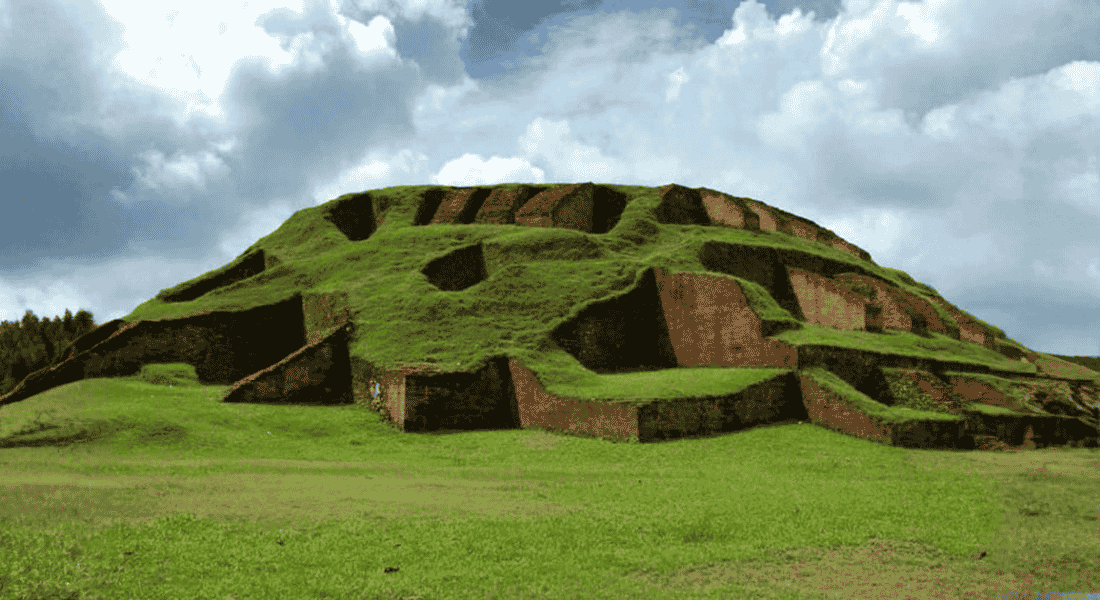
Madhupur reserve forest occupies elevated plateau terrain within Tangail district. The topography creates varied ecosystem zones supporting diverse species communities. Madhupur garh, the elevated plateau section, offers panoramic views across forest expanse.
Madhupur Rubber Garden: Sustainable Forest Management
Understanding Madhupur's Rubber Gardens
Alongside natural sal forest, Madhupur contains extensive rubber plantations. These gardens represent unique blend of forestry and agriculture, creating specialized ecosystem. Rubber trees thrive in Madhupur's tropical climate, making the region commercially valuable.
Rubber garden landscapes offer distinct photography opportunities. Geometric tree spacing creates compositional lines contrasting with organic forest forms. The gardens provide income for local communities, supporting sustainable coexistence between conservation and livelihood.
The Madhupur Forest Bangladesh Story
Madhupur reserve forest history reflects broader conservation challenges. The park has experienced pressures from population growth, illegal logging, and agricultural encroachment. Government designation as protected forest demonstrates commitment to preservation, yet ongoing management requires continued vigilance.
Supporting responsible tourism generates revenue supporting protection efforts, community development, and scientific research.
Guided Tours and Accommodation Options
Choosing the Right Tour Operator
Quality guides transform Madhupur experiences from simple walks into comprehensive ecological education. Experienced guides identify birds by call, explain forest ecology, provide cultural context, and ensure safety during trekking.
Otithi offers curated Madhupur National Park experiences, connecting visitors with knowledgeable local guides and authentic community interactions. Their commitment to sustainable tourism ensures positive impact on forest conservation and local livelihoods.
Madhupur Accommodation and Lodging
Options Range from Basic to Comfortable:
Budget Options:
Forest rest houses (basic amenities, authentic experience)
Community-run guesthouses (support local economies)
Camping in designated forest areas (complete immersion)
Mid-Range Facilities:
BRAC Learning Centers offer comfortable lodging with excellent meals
Private guesthouses in nearby towns
Homestays with Garo families
Premium Options:
Resort-style accommodations outside park boundaries
All-inclusive tour packages combining accommodation and guided experiences
Most visitors prefer staying at BRAC Learning Centers, which provide reliable accommodation, hygiene standards, and organized tour coordination.
Recommended Tour Packages
Otithi's Madhupur tour packages include comprehensive forest experiences with expert guides. The 2 Days 1 Night Madhupur package provides ideal introduction for first-time visitors, combining forest trekking with cultural experiences and wildlife observation.
Package inclusions typically cover:
Guided jungle treks on established and hidden trails
Early morning wildlife observation sessions
Comprehensive bird-watching expeditions
Cultural village visits and community interaction
Meals featuring local cuisine
Accommodation and transportation
Professional photography guidance
What to Expect: The Madhupur Experience
Typical Day in Madhupur National Park
Day 1 Morning (5:30 AM): Departure for early bird-watching walk. As darkness recedes, forest sounds intensify. Birds begin morning calls, creating natural symphony. The cool air carries forest scents—damp soil, vegetation, and fresh morning dew.
Late Morning (9:00 AM): Return to accommodation for breakfast. Rest during hottest hours. Review wildlife observations and plan afternoon activities.
Afternoon (2:00 PM): Guided cultural village walk visiting Garo communities. Learn traditional practices, see handicrafts, and enjoy authentic interactions. Many villages welcome respectful visitors, offering tea and conversation.
Evening (5:00 PM): Night walk preparation featuring different forest ecosystem. Temperature drops, nocturnal species emerge. Fireflies illuminate darkness, creating ethereal landscape.
Night (7:00 PM): Return to accommodation for dinner featuring local specialties. Share experiences with fellow travelers, rest, and prepare for next day's adventures.
Physical Demands and Fitness Requirements
Madhupur trekking involves walking on uneven terrain, occasional stream crossings, and elevation changes. Most trails don't require exceptional fitness, but basic health ensures enjoyable experiences.
Fitness Preparation:
Regular walking (30+ minutes daily for 2-3 weeks)
Stair climbing or hill walking
Flexibility exercises
Appropriate footwear breaking in
Individuals with mobility limitations can enjoy Madhupur through shorter, easier trails and vehicle-assisted tours. Discuss specific needs with tour operators who customize experiences accordingly.
Practical Information for Visitors
Safety Considerations
Madhupur forest presents minimal danger for cautious visitors. Wildlife avoids human contact, and insect risks remain manageable with proper precautions.
Safety Guidelines:
Never wander solo into dense forest
Wear protective clothing (long sleeves, pants)
Apply insect repellent regularly
Stay hydrated throughout activities
Inform guides of health conditions
Follow guide instructions precisely
Avoid forest during heavy rainfall (flash flood risk)
Check weather forecasts before trekking
Budget Planning for Madhupur Visits
Sample Budget (per person, 2 days/1 night):
Package deals through Otithi often provide better value than independent booking, offering bundled services at reduced rates.
Conservation and Responsible Tourism
Supporting Madhupur's Future
Visitors directly impact forest conservation through their choices. Responsible tourism generates revenue supporting protection efforts, community development, and scientific research.
Ways to Support Conservation:
Use official tour operators committed to sustainability
Respect designated trails and protected areas
Support local guides and community services
Purchase goods from local artisans
Follow waste management guidelines
Don't remove plants or animals
Report illegal activities to authorities
Community-Based Initiatives
Indigenous communities surrounding Madhupur maintain forest knowledge accumulated across generations. Supporting community-based tourism ensures their voices shape conservation strategies while generating equitable economic benefits.
Homestays, cultural experiences, and guide services directly employ community members, distributing tourism revenue beyond external operators.
Environmental Impact Awareness
While tourism brings benefits, visitor activity creates impacts requiring management. High-traffic areas experience trail erosion, and improper waste disposal harms wildlife. Visitors sharing responsibility for conservation ensures Madhupur's long-term sustainability.
Your Impact Matters: Every visitor choosing responsible operators, following guidelines, and respecting wildlife directly contributes to Madhupur's protection. Small individual choices create collective conservation impact.
Frequently Asked Questions About Madhupur National Park
FAQs - Madhupur National Park Guide
Q: Is Madhupur National Park worth visiting?
A: Absolutely. Madhupur National Park offers authentic jungle experiences combining forest ecosystems, wildlife observation, and cultural engagement. The relatively short distance from Dhaka (100 km) makes it accessible while maintaining wilderness character. For nature enthusiasts, photographers, and cultural explorers, Madhupur provides exceptional value.
Q: What animals are in Madhupur forest?
A: Madhupur supports primarily sambar deer, wild boar, primates (gibbons and macaques), monitor lizards, and over 200 bird species. Historically, the forest supported Bengal tigers and clouded leopards, though current sightings of large predators are extremely rare. The forest's bird population remains remarkably diverse and observable.
Q: How far is Madhupur from Dhaka?
A: Madhupur National Park is approximately 100 km from Dhaka, requiring 2-3 hours driving time depending on traffic conditions. The accessible distance combined with pristine forest character makes it ideal for weekend adventures and extended nature trips.
Q: Best time to visit Madhupur National Park?
A: November-February offers optimal conditions with cool temperatures (15-25°C), minimal rainfall, and comfortable trekking weather. Winter months also bring migratory bird species, increasing bird-watching opportunities. March-May offers clear skies despite heat, while monsoon season (June-October) provides lush landscapes for adventurous visitors.
Q: Can you trek inside Madhupur sal forest?
A: Yes, Madhupur forest offers multiple trekking routes ranging from 4-5 km beginner trails to 15+ km advanced routes. Experienced guides navigate established paths plus hidden trails providing remote forest immersion. All trekking requires proper footwear, hydration, and weather awareness.
Q: What's the best way to visit Madhupur National Park?
A: Organized tour packages through Otithi provide comprehensive experiences including accommodation, guides, meals, and transportation. This approach ensures quality experiences while supporting sustainable tourism and local communities.
Q: Are there accommodations inside Madhupur National Park?
A: The BRAC Learning Center within Madhupur provides comfortable accommodation, hygiene standards, and organized tour coordination. Additional guesthouses and homestays exist in surrounding areas. Most accommodations offer basic to mid-range comfort suitable for nature travelers.
Q: How many days should I spend in Madhupur?
A: Two days allows meaningful forest immersion including bird-watching, trekking, and cultural visits. Three to four days enable deeper ecosystem understanding and increased wildlife encounter probability. Extended stays appeal to serious naturalists and photographers.
Q: What should I pack for Madhupur forest trekking?
A: Bring comfortable trekking shoes, light moisture-wicking clothing (long sleeves), sun protection, water bottles, insect repellent, basic first aid supplies, and camera equipment. Evening temperatures cool considerably, so light jackets prove useful.
Q: Is Madhupur National Park safe for solo travelers?
A: Yes, Madhupur accommodates solo travelers. Hiring guides is recommended for safety and enhanced forest interpretation. Tour packages facilitate solo participation while providing social interaction if desired.
Planning Your Madhupur National Park Adventure
Creating Your Itinerary
Madhupur accommodates various visit durations and interests. Whether seeking intensive wilderness immersion or casual nature appreciation, customizable options exist.
2-Day Options work well for Dhaka-based visitors with limited time. Compressed schedules still allow meaningful forest engagement and wildlife observation.
3-4 Day Visits enable deeper ecosystem understanding and cultural connections. Longer stays reduce time pressure, increasing wildlife encounter probability through patience.
Extended Stays appeal to serious naturalists, researchers, and photographers requiring extended exploration periods.
Pre-Trip Checklist
One Month Before:
Research tour operators and read reviews
Arrange transportation
Check visa and identification requirements
Consult travel insurance needs
One Week Before:
Confirm all reservations
Download offline maps
Check weather forecasts
Prepare packing list
Review wildlife identification guides
Inform family of travel plans
Day Before:
Pack carefully
Check vehicle condition
Prepare camera equipment
Review trail maps
Set alarms for early departures
Conclusion: Why Madhupur Calls to Nature Lovers
Madhupur National Park represents more than forest destination—it embodies Bangladesh's ecological consciousness and commitment to preservation. The sal forest ecosystem, indigenous communities, and remarkable wildlife converge creating transformative experiences unavailable elsewhere.
Whether you seek adventure, madhupur national park photos for documentation, wildlife observation, cultural understanding, or simple nature immersion, Madhupur delivers authentic encounters with wild Bangladesh. The forest's ancient trees whisper stories spanning centuries. Wildlife moves through shadows as it has for generations. Local communities maintain traditions passed through countless seasons.
Your visit directly supports conservation efforts protecting this irreplaceable Madhupur jungle ecosystem for future generations. Begin your Madhupur adventure with Otithi, where expertise, respect, and passion for this remarkable forest combine to create meaningful experiences transforming how you understand wilderness and community.
The sal forest awaits your footsteps.
References and Further Reading
For deeper ecological understanding of tropical sal forests and Bangladesh conservation efforts, explore World Wildlife Fund's Bangladesh conservation initiatives documenting species protection and habitat restoration programs, and Bangladesh Forest Department's management strategies outlining ongoing Madhupur reserve forest protection efforts.
For broader ecotourism context in Bangladesh, consult Responsible Travel's Bangladesh guide featuring vetted sustainable tourism operators and community-based initiatives.